
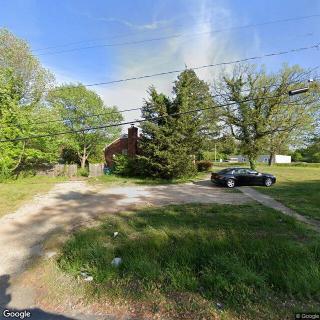
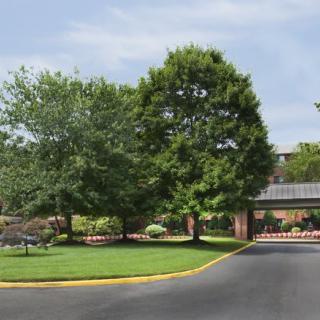
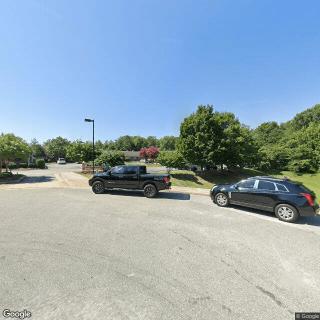
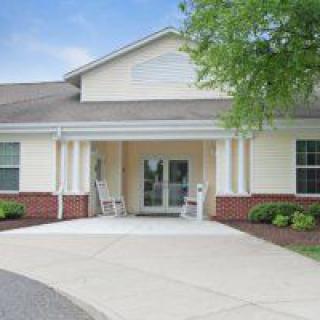
1021 German School Rd, Richmond, VA 23225
To contact a resident: (804) 320-8898
For more information about senior living options: (866) 208-4318
Overall Review of The Renaissance
Pros
 The apartments are nice and have large rooms.
- The place is great.
- It is a great place to live for those who prefer to stay to themselves.
Cons
 The place is awful.
- The staff are not available.
- They don’t care.
- They totally avoid answering calls and messages.
- Their website is very misleading.
- The hallways smell bad.
- The apartments are infested with bedbugs.
- There is no real management at the facility.
- Since 1998, it has become overrun with bedbugs, roaches, drugs, and bad management.
Review
The Renaissance in Richmond is best suited for seniors who want apartment-style living with generous, private spaces and who can cope with uneven on-site oversight. This community tends to appeal to independent residents who prize a larger living area and the ability to manage daily life with minimal staff intervention. Those who are most likely to thrive here are self-reliant individuals who do not rely on constant assistance or structured programming to fill their days, and who can tolerate variability in management responsiveness.
On the other hand, anyone needing reliable caregiving, medication management, or a consistently proactive management team should consider alternatives. Families seeking transparent operations, prompt responses, and a well-maintained, pest-free environment will want to look elsewhere. The strongest warning signs are not just resident complaints but repeated impressions of unavailability at the front desk, delayed call-backs, and a sense that the facility lacks a dependable system for addressing day-to-day resident needs. For prospective residents with mobility challenges or complex health needs, the risk of gaps in care and communication makes this option less viable.
The most tangible positives lie in the living space itself. The apartments are described as large and nice, offering real upside for someone who values room to move, store belongings, and keep a comfortable, private cadence. For residents who prefer to keep to themselves and avoid heavy social or programming demands, these units can feel like a solid fit, space, autonomy, and the ability to control personal surroundings without continual staff intrusion. When independence is the priority, the appeal of a roomy, private dwelling can partially offset other drawbacks, creating a viable option for a subset of seniors who are capable of managing the environment with limited on-site help.
Yet the cons are persistent and hard to overlook. A recurring thread across reviews is the inability to reach staff when needed, with calls and messages going unanswered and a general impression of neglect. The site reportedly presents information that some residents view as misleading, which compounds the frustration for families trying to assess reliability and honesty. Infestations, including bedbugs and roaches, along with a musty odor in hallways, point to deeper maintenance and environmental control problems. The sense of fluctuating management quality, where “real management” is perceived as unavailable or ineffective, drives worry about basic safety, cleanliness, and the long-term habitability of the building.
These downsides do not occur in isolation from the positives; rather, they redefine how the pros land against the cons. The apartment size and the option to live with a relatively low level of social engagement can be a meaningful offset for residents who prize dignity, quiet, and personal control over their day-to-day. However, the offset weakens quickly in the face of pests, persistent odors, and inconsistent responsiveness. In practical terms, even if a resident can manage without frequent staff contact, the combination of unaddressed maintenance complaints and potential safety concerns erodes confidence in the community’s ability to support aging in place over time. The result is a facility that may feel like a pragmatic choice for the very independent, yet a risky one for anyone anticipating regular assistance or a predictable care environment.
For families and prospective residents weighing a decision, the path forward is clear: verify current management stability, demand concrete pest control history, and assess the speed and quality of communications firsthand. A visit should include conversations with maintenance personnel, the administration, and possibly current residents about how quickly issues are resolved and how transparent the handling of everyday concerns really is. Request recent inspection or remediation records, and probe how the community handles ongoing cleanliness, odor, and pest prevention. If these answers are inconclusive or negative, alternatives, comparable communities with stronger on-site management, better environmental controls, and clearer care protocols, are worth pursuing.
Ultimately, The Renaissance will meet the needs of a narrow slice of seniors: those who value spacious, private living and can tolerate a monitoring gap in exchange for autonomy. For anyone who requires reliable, proactive care, consistent staff availability, or a consistently clean and pest-free environment, this community is a cautionary flag rather than a reassuring fit. The decision hinges on nonnegotiables: is independence and space worth the risk of delayed responses, maintenance gaps, and pest concerns? If the answer leans toward yes, diligence in due diligence, current staff performance, maintenance responsiveness, and pest remediation history, can tilt the odds toward a workable outcome. If the answer leans toward ensuring robust care, stronger management, and a consistently clean environment, alternatives will likely deliver greater peace of mind for residents and their families.
 Active Adult Communities (55+)
 Richmond International (11 miles away)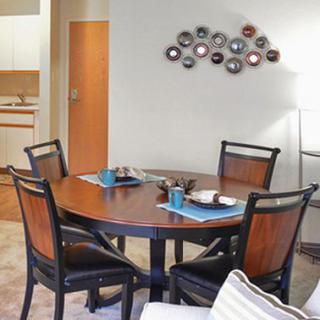




 Understanding the Nuances of Palliative Care and Hospice: A Comprehensive Exploration
 Is In-Home Healthcare Tax Deductible? Your Comprehensive Guide
 Nurturing Well-Being Through Gardening: A Detailed Guide for Senior Enthusiasts