
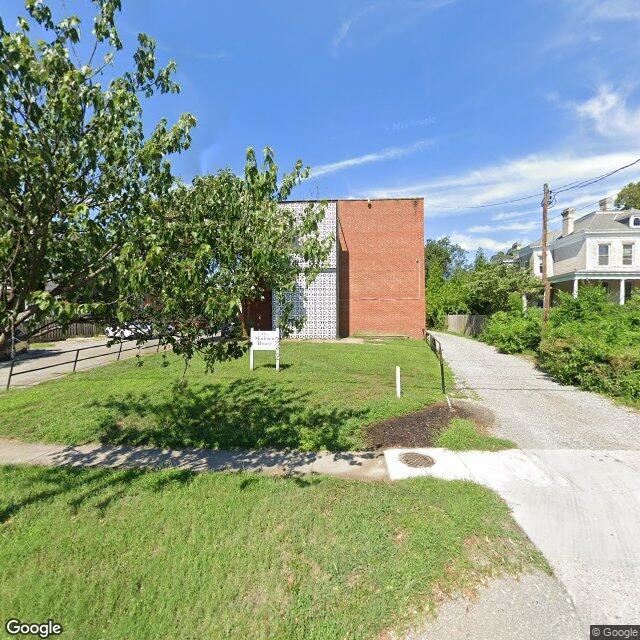
3212 Chamberlayne Avenue, Richmond, VA 23227
For more information about senior living options: (866) 208-4318
Overall Review of Madison House
Pros
 They have the best Dementia/Alzheimer's unit in Central Virginia.
- They have the lowest attrition rate among these types of facilities.
- They are very compassionate professionals.
- They have a dedicated and hard-working staff who manage to deal successfully with many different types of people.
- They offer church services and activities for residents if desired.
- They employ a psychologist and a psychiatrist on staff.
- They have the only public Dementia/Alzheimer unit in Central Virginia.
- They provide great food and professional staff, and facilitate smooth transitions for clients.
- They are strongly recommended and considered one of the better facilities of this type in Central Virginia.
Cons
 Some people would like a home with better facilities, locational advantages and less supervision.
- Ms. Edna runs the place with an iron hand.
- The elevator is sometimes temperamental.
- Madison House is not recommended to anybody.
- A resident begging for money during a visit turned the reviewer off.
Review
Madison House is best suited for families facing complex dementia and cognitive-care needs, especially when a structured, supervised environment with ready access to on-site mental health professionals is essential. The facility’s strongest calling card is its public Dementia/Alzheimer unit and the demonstrated ability to manage a diverse resident population with high stability, low turnover and clear, consistent caregiving. The staff’s compassion and the facility’s track record with transitions for clients, ranging from dementia patients to individuals reclaiming independence after injury, make it a compelling option for families prioritizing specialized memory-care support and a predictable daily routine.
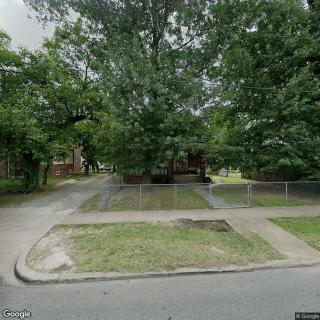
Those who may want to consider alternatives are precisely the families that prioritize modern amenities, location advantages, and a less all-encompassing supervisory approach. The building appears older, with maintenance quirks such as an intermittently temperamental elevator and parking challenges that frustrate visitors. Some reviewers noted that the campus can feel disorganized or dated compared with newer facilities, and a few residents’ rooms sit empty when others are out. For families seeking a more home-like atmosphere, easier access to shopping or parks, or a more relaxed pace with fewer visible constraints, there are other options worth exploring.
The facility’s key advantages offset notable drawbacks in meaningful ways. The Dementia/Alzheimer unit is not just a feature; it is the centerpiece of care, backed by a psychologist and a psychiatrist on staff, which is a rare and valuable resource for cognitive disorders. This clinical backbone supports consistent care plans, smoother physician coordination, and targeted behavioral strategies. Add in strong, professional staff and a history of handling varied resident needs, and Madison House becomes a reliable landing for families managing memory impairment, traumatic brain injury when accepted, or complex transitions, where other options may not even admit certain clients. The combination of excellent food, dedicated caregivers, and a willingness to accommodate pro bono cases underscores a practical commitment to access and dignity.
Yet the concerns calling for caution should not be ignored. The most consistent caveat is organization and facility upkeep, perceived rigidity in management style, and the sense that structure can feel overbearing to those seeking independence or a more egalitarian atmosphere. An influential voice described the operations as “not organized,” with parking and locational drawbacks creating friction for visitors and potential residents. The elevator’s reliability and the need for ongoing maintenance further remind potential families that the building is not brand-new. These factors matter most for those weighing visits: if a resident desires hands-off supervision, greater autonomy, or a more modern aesthetic, these negatives could weigh heavily.
In practical decision terms, the yeses through Madison House’s door are compelling for dementia-focused families who need a stable, clinically supported setting. The presence of public dementia services, the ability to address complex cases including TBI, and a track record of low attrition create a reliable core. For families with flexible care goals or tighter budgets, the cons become more consequential: the dated feel, visitor logistics, and occasional organizational impressions may tip the balance toward alternatives with smoother access, stronger resident autonomy, or newer facilities. The decisive question remains: is the priority truly robust dementia care with surgical clarity of staff and programs, or is the priority a more modern, apartment-like feel with easier daily living logistics?
Bottom line: Madison House serves as a practical, well-supported choice for families where dementia care, clinical oversight, and a consistent care culture trump the desire for a sparkling campus or high-end amenities. It is not the obvious pick for those seeking modern comfort, flexible independence, or effortless campus navigation. Those who need a high level of cognitive-behavioral support, structured routines, and access to on-site mental health professionals will find the strongest justification to move forward here. Families in search of less supervision, more contemporary facilities, or easier parking and organization should actively compare alternatives before committing.
 93 resident community capacity
 Assisted Living
 Memory Care
 Respite Care
 Activities on-site
 Air-conditioning
 Beauty salon
 Cable or satellite TV
 Computer center
 Devotional services off-site
 Dining room
 Fitness room
 Fully furnished
 Gaming room
 Garden
 Housekeeping services
 Indoor common areas
 Kitchenette
 Move-in coordination
 Outdoor space
 Private bathrooms
 Restaurant-style dining
 Small library
 Telephone
 Wellness center
 Wi-Fi/high-speed internet available
 Richmond International (9 miles away)
 Community operated transportation
 12-16 hour nursing
 24-hour call system
 Ambulatory care
 Assistance with bathing
 Assistance with dressing
 Assistance with transfers
 Diabetes diet
 Diabetic care
 Medication management
 Mental wellness program
 Special dietary restrictions
 Concierge services
 Planned day trips
 English



 Nourishing the Mind: Essential Dietary Approaches for Dementia
 Understanding Dementia Behaviors: Practical Insights and Strategies for Caregivers
 When Dementia Sparks Anger and Aggression: Understanding the Connection and Ways to Cope