
618 North 32nd Street, Richmond, VA 23223
For more information about senior living options: (866) 208-4318
Overall Review of Community Alternatives Assisted Living 2
Pros
 They had a nice life while living at Community Alternatives.
- They were welcomed by the residents of Community Alternatives and by the Community Alternatives community.
Cons
 The facility had harassing residents and a rude, totally mean owner.
- The interior was moldy and dirty.
- The staff, usually the owner’s mom, didn’t cook on days residents received their allowances.
- It was described as the absolute worst facility the reviewer had ever seen.
- The reviewer felt nervous about not being liked.
Review
Community Alternatives Assisted Living 2 in Richmond is best suited for seniors who want a small, home-like environment where peer connection and a cozy, informal vibe take precedence over polished institutional amenities. This setting often appeals to residents who value daily camaraderie, familiar routines among a close-knit group, and a sense of belonging that comes from living among people who feel like neighbors. It is not the right choice for those who require steady professional oversight, regular nursing support, regimented meal service, and consistently maintained facilities. Families prioritizing strong staff presence, predictable housekeeping, and rigorous safety standards should consider alternatives.
Two reviews highlight a contrasting reality within the same space. On the positive side, a reviewer who felt welcomed by the resident community described a “nice life” there, with warmth arising from fellow residents and a sense of acceptance. That sentiment points to a meaningful social fabric: residents looking out for one another, informal social bonds, and the comfort that can come from a familiar, intimate setting. For some seniors, that social dimension can compensate for a lack of clinical sophistication, creating a homey experience where residents feel seen and included.
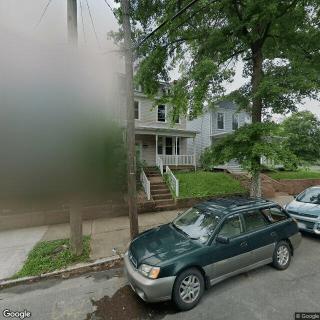
Yet the most troubling notes come from the other end of the spectrum. One account paints a troubling picture: harassment by residents and a rude owner, with a claim that the owner’s mother handles daily operations and fails to cook for residents who are drawing allowances. The seriousness of these allegations is amplified by a scene in which no staff were present while residents sat on a front porch, apparently unsupervised, and the interior described as moldy and dirty. These claims undermine safety, hygiene, and basic daily care, and they cannot be dismissed as mere quirks of a small operation. In short, the absence of reliable oversight and maintenance can erode any potential social benefits.
The key tension here is whether the pros can offset the cons. For residents who thrive on peer interaction and a less formal atmosphere, the living environment may provide genuine belonging and day-to-day companionship that genuinely improves mood and quality of life. However, the scale of risk implied by inconsistent supervision, cleanliness issues, and questions about who is responsible for meals and resident welfare challenges that upside. When housekeeping, nutrition, and resident safety hinge on a single caregiver or family-involved management, the potential for deterioration rises quickly. In such a setting, the social warmth may be outweighed by the need for reliable, professional care, especially for residents with mobility, cognitive, or health needs.
For families navigating a decision, practical diligence is essential. Prospective residents should observe daily rhythms at different times of day, not just during a tour, and speak with multiple residents about what a typical day looks like. Request specifics on staff-to-resident ratios, who is on-site during meals, and how meals are prepared and served when residents receive allowances. Inspect the physical environment for cleanliness and safety, and ask to review any recent maintenance or health inspections. Verify licensing status, any past enforcement actions, and the facility’s grievance process. If possible, arrange a short trial stay to gauge responsiveness, cleanliness, and the consistency of care before committing long-term.
Ultimately, this community functions best for those who place a premium on intimate, neighborly living and are willing to overlook the risks associated with uneven supervision and maintenance. It is less suitable for seniors who require predictable care routines, structured programming, and a consistently clean, well-managed setting. Families should weigh the social benefits against serious concerns about safety, cleanliness, and management reliability, and compare with other local options that offer stronger professional oversight, clearer meal and housekeeping protocols, and more robust resident protections. The right choice hinges on balancing a cherished sense of community with the fundamental expectations of care, safety, and dignity.
 15 resident community capacity
 Assisted Living
 Board and Care Home
 Cable or satellite TV
 Dining room
 Fully furnished
 Garden
 Housekeeping services
 Move-in coordination
 Outdoor space
 Telephone
 Wi-Fi/high-speed internet available
 Richmond International (5 miles away)
 24-hour supervision
 Activities of daily living assistance
 Assistance with bathing
 Assistance with dressing
 Assistance with transfers
 Diabetes diet
 Meal preparation and service
 Medication management
 Special dietary restrictions
 Transportation arrangement (medical)
 Transportation to doctors appointments


 Vibrant Senior Living: A Comprehensive Guide for Active Older Adults
 When to Transition from Assisted Living to Memory Care: Key Indicators, Steps, and Finding the Right Community
 Assisted Living and Memory Care: Understanding Their Core Differences