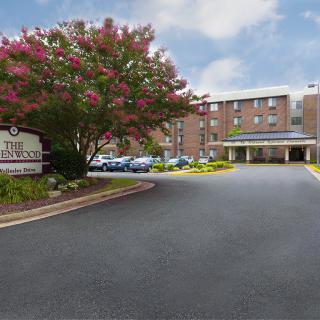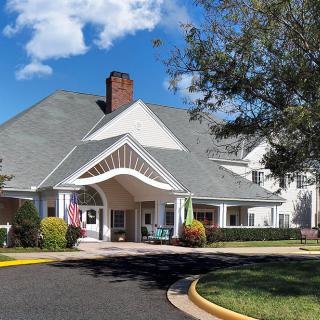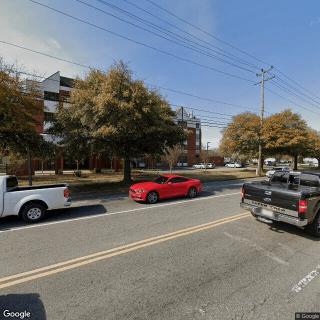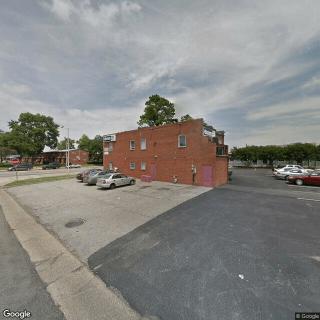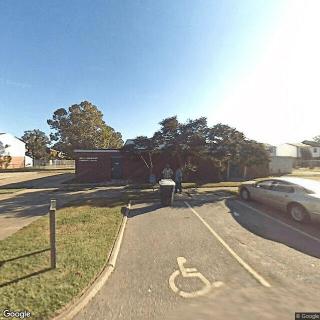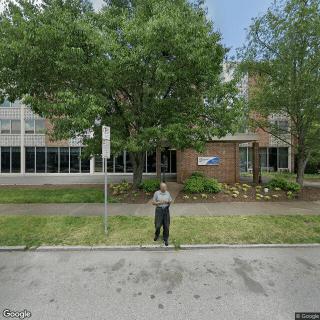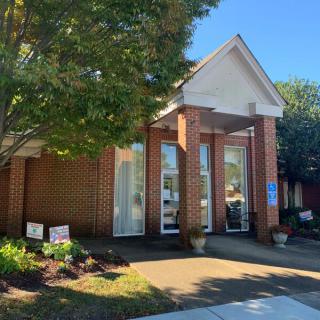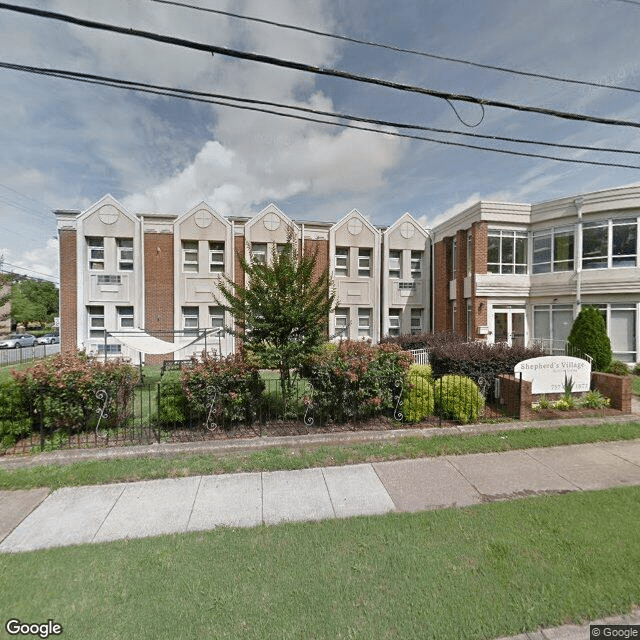
Shepherd's Village at Park Avenue in Norfolk, VA

Save
Shepherd's Village at Park Avenue

Shepherd's Village at Park Avenue in Norfolk, VA

805 Park Avenue, Norfolk, VA 23504

For more information about senior living options: (844) 490-3973

3.7 from 3 reviews
5 stars
2
4 stars
0
3 stars
0
2 stars
0
1 stars
1

Assisted Living

Shepherd's Village at Park Avenue Costs & Pricing

Shepherd's Village at Park Avenue offers competitive pricing for its one-bedroom accommodations, with a monthly cost of $2,838. This represents a significant savings compared to the average expenses in Norfolk city, which are approximately $3,424, and even more so when contrasted with the broader state average of $4,257 in Virginia. By choosing Shepherd's Village at Park Avenue, residents not only benefit from an affordable living option but also gain access to a supportive community environment that enhances their overall quality of life.

Floor plansShepherd's Village at Park AvenueNorfolk cityVirginia
1 Bedroom$2,838$3,424$4,257

Overall Review of Shepherd's Village at Park Avenue

Pros

  • pro The property comes highly recommended for families exploring options.
  • pro The facility provides privacy, three meals a day, and access to physical and occupational therapy that support resident care.
  • pro Residents show physical improvement, with some able to walk with a cane instead of a walker.
  • pro The facility is very clean and has a pleasant smell.
  • pro The other residents are friendly, contributing to a welcoming environment.
  • pro Overall, the facility is described as really nice.

Cons

  • pro The staff are described as intolerantly rude on the phone, which the reviewer finds ridiculous.
  • pro Staff treat calls as a major bother and do not take five minutes to address the caller's business.
  • pro The facility's customer service is criticized as sucking, implying poor overall service.
  • pro There is noted excessive huffing, lip-smacking, and visible displeasure during calls.

Review

Shepherd's Village at Park Avenue is best suited for families seeking an assisted-living option that pairs resident privacy with hands-on rehabilitation support in a clean, welcoming setting. The model appears strongest for seniors who want daily meals, reliable in-room privacy, and access to physical and occupational therapy without leaving the building. Families facing a transition where the loved one benefits from progressive mobility goals and a quiet, orderly environment will feel confident in this community. The consensus from positive experiences centers on clear routines, attentive therapy services, and a courteous home-like atmosphere among residents.

Those weighing alternatives should be mindful of a conspicuous caveat: not every interaction carries the same warmth or efficiency. A reviewer pointed to consistently rude phone encounters and a sense that routine communications could be more customer-service oriented. While this is a single voice in a small sample, the feedback highlights a real consideration for families who rely on smooth, respectful communication to coordinate care, schedule therapies, and handle everyday questions. If consistent, courteous outreach is nonnegotiable, it warrants comparing direct experiences at other communities or requesting a candid conversation with the leadership team.

On the strength side, key advantages align with the core needs of many residents. Privacy is preserved, meals are provided on a predictable schedule, and therapy services - physical and occupational - are integrated into the care plan, which can help a parent regain or maintain independence. The environment is described as clean and well-kept, with a pleasant scent and a calm, homelike feel. Beyond the practical amenities, the social milieu matters: the presence of friendly residents can ease the transition and reduce isolation as mobility improves and routines stabilize.

The principal drawback centers on communication accessibility and staff demeanor in routine dealings. The negative review paints a picture of phone etiquette that feels burdensome to callers, suggesting frustration that the staff views calls as interruptions rather than part of coordinated care. Such impressions can erode trust, particularly when families must relay medical information, request changes to schedules, or seek timely updates on a loved one's progress. While not every family will experience this friction, the risk is real enough to influence decision-making, especially for those who prioritize responsive customer service.

Balancing the positives against the negatives yields a practical lens for decision-making. The facility clearly delivers tangible rehab benefits, consistent daily meals, and a clean, neighborly atmosphere where a resident can improve mobility with professional support. If these elements align with the loved one's needs and the family can tolerate occasional communication rough edges, Shepherd's Village offers a compelling arrangement. Conversely, if dependable, consistently courteous communication is essential - whether for coordinating transport, care changes, or family updates - this community warrants careful vetting or comparison with peers known for smoother administrative interactions.

In the end, Shepherd's Village at Park Avenue serves best when the priority is structured daily life, accessible therapy, and a respectful environment where privacy matters. It is a sensible fit for families navigating rehab-focused goals within an assisted-living framework. For those who cannot compromise on warmth and responsiveness in communication, or who want to test-drive a session with the administrator, it is wise to tour the community, meet frontline staff, and probe how care plans, scheduling, and family updates are managed day-to-day. The right choice sits where the rehab potential, cleanliness, and resident camaraderie outweigh any rough edges in customer service, and where due diligence confirms that the communication channel aligns with the family's needs.

Features

Housing

  • 21 resident community capacity 21 resident community capacity

Types of Care

  • Assisted Living Assisted LivingAssisted living facilities provide crucial support and care for seniors who may need help with daily tasks such as medication management, bathing, and meal preparation. These communities offer a safe and comfortable environment where seniors can maintain their independence while receiving the assistance they need to thrive in their golden years.

Amenities

  • Activities off-site Activities off-siteEngaging in off-site activities is crucial for seniors to maintain social connections, stay active, and stimulate their minds. It promotes overall well-being and helps combat feelings of isolation and loneliness.
  • Activities on-site Activities on-siteActivities on-site are important for seniors because they provide opportunities for socialization, mental stimulation, physical activity, and overall well-being. Engaging in activities can help seniors stay active, maintain their independence, and improve their quality of life.
  • Air-conditioning Air-conditioningAir conditioning is important for seniors as they are more vulnerable to heat-related illnesses and may have underlying health conditions that make it difficult for them to regulate their body temperature. It helps to keep them comfortable, safe, and healthy in hot weather.
  • Bath tubs Bath tubsBath tubs are important for seniors because they provide a safe and relaxing way to bathe, helping to prevent slips and falls while promoting independence and overall well-being.
  • Beautician on-site Beautician on-siteHaving a beautician on-site at a senior living community is important for seniors as it allows them to easily access grooming and personal care services, boosting their self-esteem and overall well-being. It also provides convenience and helps seniors maintain their sense of independence and personal style.
  • Beauty salon Beauty salonBeauty salons are important for seniors because they provide a space for them to feel pampered, socialize, and maintain their personal grooming and hygiene. Regular visits to a beauty salon can help boost seniors' self-esteem and overall well-being.
  • Cable or satellite TV Cable or satellite TVCable or satellite TV is important for seniors because it provides entertainment, news, and companionship, helping to combat loneliness and boredom. It also offers a wide range of programming options tailored to different interests and preferences.
  • Devotional services off-site Devotional services off-siteDevotional services off-site are important for seniors as they provide spiritual nourishment, social engagement, and a sense of community outside of the senior living facility. This can enhance overall well-being and help combat feelings of isolation and loneliness often experienced by older adults.
  • Devotional services on-site Devotional services on-siteDevotional services on-site provide seniors with spiritual support and a sense of community, as well as an opportunity for reflection and guidance during their senior living experience. This can promote emotional well-being and connection to others, leading to a more fulfilling and enriching lifestyle in their later years.
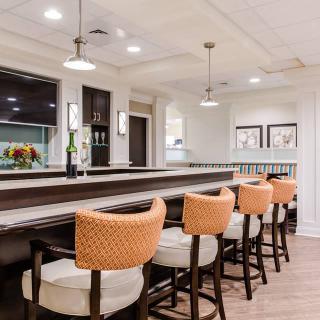
  • Dining room Dining roomDining rooms are important for seniors as they provide a space for socialization, connection, and nutritious meals. They offer opportunities for residents to bond over shared meals, foster a sense of community, and promote healthy eating habits. Dining rooms also ensure that seniors have access to well-balanced meals tailored to their dietary needs and preferences.
  • Fully furnished Fully furnishedFully furnished senior living communities are important for seniors because they provide convenience, comfort, and a hassle-free moving experience. Seniors can easily settle into their new living space without the stress of having to buy and move furniture. This allows them to focus on enjoying their new home and community.
  • Garden GardenGardens are important for seniors as they provide a peaceful and therapeutic environment for relaxation, physical activity, and socialization. Being in nature has been shown to reduce stress, improve mood, and promote overall well-being. Gardens also offer opportunities for seniors to engage in gardening activities, which can improve mobility, flexibility, and cognitive function. Additionally, gardens create a sense of community and connection with others who share a passion for plants and outdoor spaces.
  • Ground floor units Ground floor unitsGround floor units are important for seniors because they provide easy accessibility, reduced risk of falls and injuries, and convenience for those with mobility issues. Seniors can avoid climbing stairs or using elevators, making daily tasks and activities more manageable and enjoyable.
  • Handicap accessible Handicap accessible"Handicap accessible" amenities are crucial for seniors to ensure they can easily navigate and access facilities, services, and activities without barriers or limitations due to physical impairments. This promotes independence, safety, and inclusivity for seniors in senior living communities.
  • Housekeeping services Housekeeping servicesHousekeeping services are important for seniors because they help maintain a clean and safe living environment, promote independence, and reduce the risk of accidents or illnesses. Additionally, having assistance with household chores can alleviate physical strain and allow seniors to focus on other aspects of their well-being.
  • Indoor common areas Indoor common areasIndoor common areas are crucial for seniors as they provide a space for socialization, recreation, and community engagement, promoting overall well-being and reducing feelings of isolation and loneliness.
  • Kitchenette KitchenetteKitchenettes are important for seniors living in senior living communities because they provide the convenience and independence of being able to prepare simple meals and snacks in the comfort of their own living space. This can help promote a sense of autonomy and well-being for seniors, allowing them to maintain some level of control over their dietary choices and daily routines.
  • Move-in coordination Move-in coordinationMove-in coordination is important for seniors because it helps ease the transition into their new living environment. It ensures that all logistics, such as packing, organizing movers, and setting up utilities are taken care of, allowing seniors to focus on settling in and adjusting to their new home. Having a smooth move-in process can alleviate stress and anxiety, making the transition smoother and more enjoyable for seniors.
  • Outdoor common areas Outdoor common areasOutdoor common areas are important for seniors as they provide a space for socialization, physical activity, and relaxation. Being outside in nature can improve mood and overall well-being, while also encouraging movement and engagement with others. These spaces can help combat feelings of isolation and promote a sense of community among residents.
  • Outdoor space Outdoor spaceOutdoor spaces are important for seniors as they provide opportunities for physical activity, social interaction, exposure to natural light and fresh air, and a sense of connection to nature. Having access to outdoor spaces can improve overall well-being and quality of life for older adults living in senior communities.
  • Respite or short term stays offered Respite or short term stays offeredRespite or short term stays provide seniors with a temporary solution when their regular caregiver is unavailable, offering them the opportunity to receive additional care and support during times of need, while also giving caregivers a chance to rest and recharge.
  • Restaurant-style dining Restaurant-style diningRestaurant-style dining is important for seniors because it allows them to enjoy delicious, nutritious meals in a social and upscale setting. This enhances their dining experience, promotes healthy eating habits, and fosters socialization with fellow residents, ultimately contributing to their overall well-being and quality of life.
  • Small library Small librarySmall libraries are important for seniors as they provide access to a variety of reading materials, including books, newspapers, and magazines. This can help stimulate their minds, keep them engaged, and provide a sense of community through book clubs and other social activities. Additionally, reading has been shown to improve cognitive function and overall mental well-being in older adults.
  • Telephone TelephoneTelephones are important for seniors as they provide a lifeline for communication with loved ones, emergency services, and healthcare providers. They offer a sense of security and independence, enabling seniors to stay connected and access assistance when needed.
  • Wheelchair accessible showers Wheelchair accessible showersWheelchair accessible showers are crucial for seniors as they provide a safe and independent bathing option for those with mobility challenges. These showers help prevent falls and allow seniors to maintain their dignity and autonomy while ensuring they can bathe comfortably.
  • Wi-Fi/high-speed internet available Wi-Fi/high-speed internet availableWi-Fi/high-speed internet is important for seniors to stay connected with loved ones, access online resources, and participate in virtual activities to combat feelings of loneliness and isolation. It also allows them to easily manage healthcare needs, access entertainment, and engage in lifelong learning opportunities.

Transportation

  • Norfolk International (5 miles away) Norfolk International (5 miles away)
  • Newport News Williamsburg International (23 miles away) Newport News Williamsburg International (23 miles away)

Care Services

  • 24-hour call system 24-hour call system24-hour call systems are important for seniors because they provide peace of mind and immediate assistance in case of emergencies. This technology ensures that help is always available, promoting safety and security for elderly individuals living alone or in assisted living facilities.
  • 24-hour supervision 24-hour supervision24-hour supervision is important for seniors to ensure their safety, well-being, and access to immediate assistance in case of emergencies or health issues. This constant support provides peace of mind for both seniors and their loved ones, allowing them to age in place with dignity and security.
  • Activities of daily living assistance Activities of daily living assistanceActivities of daily living assistance are important for seniors because they provide essential support with tasks such as eating, bathing, dressing, and mobility. This assistance helps seniors maintain their independence, dignity, and overall quality of life as they age.
  • Ambulatory care Ambulatory care"Ambulatory care services provide essential medical support and treatment to seniors without requiring hospitalization, allowing them to maintain their independence and quality of life while managing chronic conditions or receiving routine medical care."
  • Assistance with bathing Assistance with bathingAssistance with bathing is crucial for seniors as it helps maintain personal hygiene, prevents infections, and ensures their overall well-being and comfort. It also provides a sense of dignity and independence for seniors who may struggle with this task on their own.
  • Assistance with dressing Assistance with dressingAssistance with dressing is important for seniors because it helps maintain their independence, promotes personal hygiene, prevents accidents and injuries, and improves overall quality of life. This service ensures that seniors can continue to dress comfortably and confidently, despite any physical limitations they may have.
  • Assistance with transfers Assistance with transfersAssistance with transfers is crucial for seniors as it helps prevent falls and injuries, maintains their independence, and ensures they can safely navigate their living environment. It also provides peace of mind for both seniors and their loved ones.
  • Diabetes diet Diabetes dietA diabetes diet is crucial for seniors as it helps manage blood sugar levels, reduce risks of complications, and improve overall health and well-being. By following a balanced and nutritious diet tailored to their specific needs, seniors can better control their diabetes and enhance their quality of life.
  • Diabetic care Diabetic careDiabetic care is crucial for seniors as they are more susceptible to developing diabetes due to aging and other health conditions. Proper management of diabetes can help prevent complications such as heart disease, vision loss, and nerve damage, improving the overall quality of life for seniors in senior living communities.
  • Incontinence care Incontinence careIncontinence care is essential for seniors to maintain their dignity, hygiene, and overall quality of life. By addressing incontinence issues promptly and effectively, seniors can enjoy a sense of independence and comfort in their daily activities.
  • Meal preparation and service Meal preparation and serviceMeal preparation and service are crucial for seniors as they may have limited mobility or energy to cook nutritious meals. Having access to healthy and convenient food options can ensure they are getting the proper nutrition needed to maintain their overall health and well-being.
  • Medication management Medication managementMedication management is crucial for seniors to ensure they are taking the right medications at the correct dosages and times. This helps prevent adverse drug interactions, reduces the risk of medication errors, and promotes overall health and well-being. Proactive management also allows for adjustments as needed based on changing health conditions or new prescriptions.
  • Mental wellness program Mental wellness programMental wellness programs are essential for seniors as they promote cognitive stimulation, emotional support, and social engagement. These programs help prevent isolation, depression, and cognitive decline, ultimately enhancing the overall quality of life for older adults.
  • Special dietary restrictions Special dietary restrictionsSpecial dietary restrictions are important for seniors because age-related changes in metabolism and health conditions can make it difficult for their bodies to process certain foods. By following a diet tailored to their specific needs, seniors can maintain their overall health and well-being, manage chronic conditions, and reduce the risk of complications such as malnutrition or food interactions with medications.

Dining

  • Diabetes diet Diabetes dietA diabetes diet is crucial for seniors as it helps manage blood sugar levels, reduce risks of complications, and improve overall health and well-being. By following a balanced and nutritious diet tailored to their specific needs, seniors can better control their diabetes and enhance their quality of life.
  • Guest meals Guest mealsGuest meals are important for seniors living in senior living communities because they provide an opportunity for socialization and companionship. Sharing a meal with friends, family, or new acquaintances can help combat feelings of loneliness and isolation, promote a sense of community, and enhance overall well-being. Additionally, guest meals allow seniors to enjoy delicious food in a comfortable setting without the hassle of cooking or cleaning up, making dining a pleasurable and stress-free experience.
  • Low / no sodium Low / no sodiumLow/no sodium options are important for seniors because excessive sodium intake can lead to high blood pressure, heart disease, and other health issues commonly experienced by older adults. By choosing low/no sodium foods, seniors can better manage their health and reduce their risk of developing these conditions.
  • Meals provided Meals provided"Meals provided" are crucial for seniors in assisted living communities as it ensures they have access to nutritious, balanced meals without the stress of meal planning and preparation. This can help promote overall health and well-being for seniors who may have limited mobility or cognitive abilities.
  • No Sugar No SugarNo sugar diets are important for seniors because they can help prevent or manage chronic conditions such as diabetes, heart disease, and obesity. Sugar can also contribute to cognitive decline and inflammation in the body, so reducing sugar intake can lead to overall improved health and well-being in older adults.
  • Special dietary restrictions Special dietary restrictionsSpecial dietary restrictions are important for seniors because age-related changes in metabolism and health conditions can make it difficult for their bodies to process certain foods. By following a diet tailored to their specific needs, seniors can maintain their overall health and well-being, manage chronic conditions, and reduce the risk of complications such as malnutrition or food interactions with medications.

Activities

  • Activities off-site Activities off-siteEngaging in off-site activities is crucial for seniors to maintain social connections, stay active, and stimulate their minds. It promotes overall well-being and helps combat feelings of isolation and loneliness.
  • Activities on-site Activities on-siteActivities on-site are important for seniors because they provide opportunities for socialization, mental stimulation, physical activity, and overall well-being. Engaging in activities can help seniors stay active, maintain their independence, and improve their quality of life.
  • Birthday parties Birthday partiesBirthday parties are important for seniors as they provide an opportunity for celebration, socialization, and joy. They allow seniors to feel special and appreciated, boosting their mood and overall well-being. Additionally, birthday parties can help combat feelings of isolation and loneliness by fostering connections with friends, family, and community members.
  • Community-sponsored activities Community-sponsored activitiesCommunity-sponsored activities are important for seniors as they provide opportunities for social interaction, mental stimulation, and physical activity. These activities can help improve overall well-being, combat loneliness and isolation, and promote a sense of belonging and purpose among older adults.
  • Day trips and outings Day trips and outingsDay trips and outings are important for seniors as they provide opportunities for socialization, mental stimulation, physical activity, and a break from daily routines. These experiences can enhance overall well-being and quality of life for older adults living in senior communities.
  • Devotional activities offsite Devotional activities offsiteDevotional activities offsite are important for seniors because they provide social engagement, spiritual growth, and a sense of community outside of their living environment. This can improve overall well-being, mental health, and combat feelings of isolation or loneliness.
  • Devotional activities on-site Devotional activities on-siteDevotional activities on-site provide seniors with a sense of community, spiritual fulfillment, and emotional support, promoting overall well-being and a positive sense of purpose in their lives.
  • Holiday parties Holiday partiesHoliday parties are important for seniors because they provide opportunities for socialization, community involvement, and mental stimulation. These festive events offer a sense of belonging and connection during a time that can be lonely for many older adults. Additionally, participating in holiday celebrations can boost mood and overall well-being for seniors living in senior living communities.
  • Intergenerational programs Intergenerational programsIntergenerational programs are important for seniors because they provide social interaction, mental stimulation, and a sense of purpose. These programs allow seniors to connect with younger generations, share their wisdom and experiences, and maintain a sense of belonging in the community. This can help reduce feelings of isolation, improve cognitive function, and promote overall well-being in older adults.
  • Resident-run activities Resident-run activitiesResident-run activities are important for seniors as they encourage social interaction, creativity, and a sense of autonomy. These activities empower seniors to stay engaged and active in their community while fostering meaningful connections with their peers.
  • Scheduled daily activities Scheduled daily activitiesScheduled daily activities are important for seniors because they provide structure, socialization, mental stimulation, and physical activity. Engaging in regular activities can improve overall well-being and quality of life for seniors living in a community setting.
  • Stretching classes Stretching classesStretching classes are important for seniors because they help improve flexibility, reduce the risk of injury, and promote overall health and well-being. Regular stretching can also help alleviate joint pain and stiffness, enhance balance and coordination, and increase range of motion.
  • Wii bowling Wii bowlingWii bowling is important for seniors as it provides a fun and engaging way to stay active, socialize, and improve hand-eye coordination. It can help prevent isolation, boost mental well-being, and promote physical fitness in a safe and accessible manner.

Description

Nestled in the vibrant city of Norfolk, VA, Shepherd's Village at Park Avenue offers a warm and inviting assisted living community tailored to enrich the lives of its residents. With a plethora of amenities designed for comfort and convenience, residents can enjoy a fulfilling lifestyle supported by dedicated care services.

At Shepherd’s Village, residents are welcomed into fully furnished accommodations that feature air-conditioning and kitchenettes, providing a sense of home while ensuring ease of living. The community boasts beautifully landscaped outdoor spaces where residents can relax or engage in social activities amidst nature. For those with mobility needs, ground floor units and wheelchair-accessible showers ensure accessibility throughout the residence.

On-site activities and programs keep residents engaged and active. From birthday celebrations to holiday parties and intergenerational programs, there is never a shortage of social interaction and fun. Scheduled daily activities such as stretching classes and Wii bowling provide opportunities for physical engagement while fostering camaraderie among residents.

Culinary experiences at Shepherd’s Village include restaurant-style dining with special dietary options available to accommodate various needs, including low/no sodium, no sugar choices, and meals prepared according to diabetic diets. The dining room serves as a gathering place for residents to share meals together, promoting connection within the community.

For those needing additional support, Shepherd's Village offers comprehensive care services including around-the-clock supervision, assistance with daily living activities like bathing and dressing, medication management, and specialized care for diabetes or incontinence issues. Residents can also take advantage of housekeeping services that simplify their day-to-day routines.

The community is conveniently located near numerous amenities such as cafes, parks, pharmacies, physicians' offices, restaurants, transportation options, places of worship, and hospitals, all just a stone's throw away from the residence.

With its engaging atmosphere filled with supportive staff dedicated to enhancing mental wellness through various programs and devotional activities on-site and off-site alike, Shepherd’s Village at Park Avenue enriches the lives of its residents, making it not just a place to live but a place to thrive.

Nearby Places of Interest

This part of Norfolk, Virginia, offers a variety of amenities and services that cater to the needs of seniors. With several reputable physicians, pharmacies, and hospitals in close proximity, residents can easily access quality healthcare. The abundance of cafes and restaurants provide plenty of dining options for socializing or enjoying a meal out. Additionally, the nearby parks offer opportunities for outdoor recreation and relaxation. Places of worship are also readily available for those seeking spiritual fulfillment. Overall, this area provides a convenient and well-rounded environment for seniors looking to settle down in a welcoming community with access to essential services.

Physicians

  • Tidewater Pediatric Consultants PC (0.7 miles)
  • Willis, Erica Pediatric Associates (1.6 miles)
  • Ivor Barry Kaplan (1.6 miles)
  • Galan-Dejesus Mariam Np (1.8 miles)
  • Dr Robert F. Castle, MD (2 miles)
  • Collins Jay N MD-Eastern VA Medical School Department (2.1 miles)
  • The King's Daughters Milk Bank at CHKD (2.1 miles)

Restaurants

  • Chen Garden Chinese Restaurant (0.7 miles)
  • Sanctuary (1.2 miles)
  • Brick Anchor Brew House (1.2 miles)
  • Grace O'Malley's Irish Pub & Restaurant (1.2 miles)
  • Waterside District (1.2 miles)
  • Blue Moon Taphouse (1.3 miles)
  • Jack Brown's Beer & Burger Joint (1.3 miles)

Transportation

  • The Tide MacArthur Square Station (1.1 miles)
  • The Tide-Newtown Road Station (3.1 miles)
  • American Airlines Ticket Counter (4.9 miles)
  • Norfolk Airport USO (5 miles)
  • Norfolk International Airport (ORF) (5 miles)

Pharmacies

  • Mac Arthur Pharmacy (1.2 miles)
  • Rite Aid (2 miles)
  • CVS Pharmacy (2.1 miles)
  • Walgreens (2.2 miles)
  • CVS Pharmacy (2.8 miles)
  • Irwin's Pharmacy (3.1 miles)
  • Grifols (3.2 miles)

Cafes

  • Starbucks (1.3 miles)
  • Coalescence Coffee (1.8 miles)
  • Starbucks (1.9 miles)
  • Cafe Stella (1.9 miles)
  • Panera Bread (2.1 miles)
  • Panera Bread (2.9 miles)
  • Panera Bread (3.5 miles)

Parks

  • The Pagoda & Oriental Garden (1.4 miles)

Hospitals

  • Chkd (1.5 miles)
  • Naval Medical Center Portsmouth (2 miles)
  • Portsmouth General Hospital (2.1 miles)
  • Bon Secours Maryview Medical Center (4.4 miles)
  • Maryview Medical Ambulatory Surgery Recovery (4.4 miles)

Places of Worship

  • Twine Memorial Holy Temple (2.8 miles)
  • Tabernacle Church Of Norfolk (3.9 miles)
  • Westhaven Baptist Church (4.9 miles)
  • Third Presbyterian Church (5.2 miles)

Frequently Asked Questions

How much does it cost to live at Shepherd's Village at Park Avenue in Norfolk, VA?
Where is Shepherd's Village at Park Avenue?

Nearby Communities

  • Open Arms Personal Care,  Inc

    Open Arms Personal Care, Inc

    Norfolk, VA


    pro Excellent location with convenient access to parks, healthcare, dining, transportation, and hospitals.

  • Norfolk Health Care Ctr

    Norfolk Health Care Ctr

    Norfolk, VA

    3.9 from 100 reviews
     

    pro Convenient location with diverse nearby amenities.

  • Norfolk Health And Rehabilitation Center

    Norfolk Health And Rehabilitation Center

    Norfolk, VA

    3.9 from 100 reviews
     

    pro Extensive on-site amenities with comprehensive care (24/7 supervision, ADL assistance, dining, wellness, transport).

  • Home Care with Edna Earl

    Home Care with Edna Earl

    Norfolk, VA

     
    $4,500 / month

    pro Strong access to nearby amenities and healthcare services (cafes, parks, pharmacies, physicians, hospitals, restaurants, transportation).

  • Hunter Foundation

    Hunter Foundation

    Norfolk, VA


    pro Excellent access to nearby healthcare, pharmacies, dining, and transportation.

  • Bell Diamond Manor

    Bell Diamond Manor

    Norfolk, VA

    3.9 from 13 reviews
     

    pro Amenity-rich location with easy access to dining, parks, healthcare, and services.

  • Harbor's Edge

    Harbor's Edge

    Norfolk, VA

    4.2 from 53 reviews
    $6,371 to $7,613 / month

  • Signature Healthcare Of Norfolk

    Signature Healthcare Of Norfolk

    Norfolk, VA

    3.5 from 83 reviews
    $3,510 to $4,230 / month

    pro Strong rehab/therapy and a bright, welcoming environment.

  • Mayfair Manor

    Mayfair Manor

    Portsmouth, VA

    4.1 from 37 reviews
    $2,850 to $3,250 / month

    pro Friendly, attentive staff and a warm, homey atmosphere with affordable pricing.

Related Resources

  • assisted living for disabled adultsComprehensive Residential Support and Assisted Living Solutions for Individuals with Disabilities

    The article examines the complexities of assisted living for individuals with disabilities, emphasizing the need for tailored care solutions that enhance quality of life and social inclusion, while addressing financial challenges and advocating for community integration. It discusses various housing options, the importance of financial assistance through public benefits, and highlights trends towards integrated and technology-driven solutions in disability-focused housing.

  • assisted living for disabled adultsComprehensive Supportive Living Arrangements for Adults with Disabilities

    Assisted living for adults with disabilities has transformed to provide personalized care and support services aimed at improving residents' quality of life while balancing independence and assistance. However, low-income individuals often face challenges in affording these services, requiring navigation of various financial resources and advocacy for better policies and solutions.

  • how to pay for assisted livingFunding and Affording Assisted Living: A Thorough Overview

    Assisted living facilities provide support for older adults needing help with daily activities without extensive medical care, but their costs can be high and vary by location and services offered. Families often seek various funding options and financial strategies to manage these expenses effectively while considering future needs and potential price increases.