7436 Studley Road, Mechanicsville, VA 23116
For more information about senior living options: (866) 208-4318
The Haven Assisted Living @ Studley Costs & Pricing
The Haven Assisted Living @ Studley presents a range of pricing options for its residents, which reflect its commitment to quality care. The monthly cost for a semi-private room is $3,850, positioned favorably against the average costs in Hanover County and across Virginia, where such rooms typically run higher at $4,135 and $3,991 respectively. For those seeking more privacy, a private room at The Haven is priced at $5,800, which exceeds both local and state averages of $4,999 and $4,684. Additionally, the facility offers one-bedroom accommodations for $6,750 per month, significantly above the county's average of $4,867 and the state's average of $4,257. While these prices indicate that The Haven may be on the higher end compared to some alternatives in Hanover County and Virginia overall, they underscore the value placed on tailored care and community atmosphere within this facility.
| Floor plans | The Haven Assisted Living @ Studley | Hanover County | Virginia |
|---|---|---|---|
| Semi-Private | $3,850 | $4,135 | $3,991 |
| Private | $5,800 | $4,999 | $4,684 |
| 1 Bedroom | $6,750 | $4,867 | $4,257 |
Memory care communities with a similar price nearby
-
from -$375 / mo

The Westmont at Short Pump Community
$3,475 to $5,325 / month14.3 miles away -
from +$499 / mo

Anthology of Midlothian
$4,349 to $7,649 / month15.9 miles away -
About the same
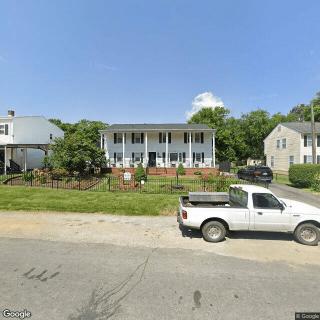
Covenant Columns Manor
$3,800 to $4,940 / month8.0 miles away -
from -$574 / mo

Discovery Village At The West End
$3,276 to $4,108 / month11.9 miles away -
from +$700 / mo
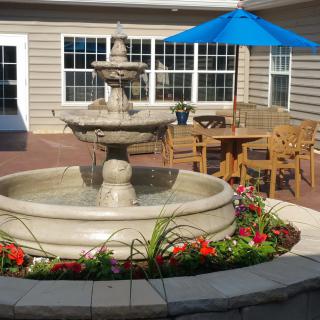
Heritage Green Assisted Living
$4,550 to $7,700 / month2.5 miles away
Overall Review of The Haven Assisted Living @ Studley
Pros
 The staff provides personalized care at a much more reasonable rate.
- The father spent the last two months there and really enjoyed it.
- The haven gave the family peace of mind that they had made the right decision for their father's care.
- The haven is absolutely wonderful.
Review
The Haven Assisted Living at Studley in Mechanicsville is best suited for seniors who want a warm, home-like setting where a small, attentive staff delivers high-touch care at a clearly reasonable price. This community excels for residents who don’t require intensive medical oversight but prize daily, individualized attention and a sense of continuity in caregiving. It’s especially appealing for couples or individuals who value caregivers who know them by name and understand their histories, creating trust and peace of mind for families during delicate transitions.
Those who should consider alternatives include residents with significant medical complexity, a need for frequent skilled nursing, or reliance on rehab therapies beyond what a small staff can sustain. If memory care needs are specific or demand dementia-focused programming, or if 24/7 on-site clinical supervision is non-negotiable, a larger campus with more extensive medical resources may be a better fit. For families seeking a robust activity calendar, more diverse amenities, or expansive off-site excursions, a bigger community may deliver more breadth.
Three clear advantages stand out: a small, devoted staff providing highly personalized care; a rate that feels sustainable without sacrificing dignity; and the emotional reassurance that comes from knowing a loved one is in a setting where personnel form meaningful relationships. The intimate model translates into routines that feel customized rather than scripted, with caregivers who pick up on subtle preferences, routines, and concerns. The affordability factor matters, allowing families to maintain steady, compassionate support without escalating costs. A family experience described as peace of mind, knowing the right decision was made for a father during his final months, speaks to the depth of trust achievable here.
Trade-offs accompany these strengths. The lean scale can translate into fewer on-site services, potential delays during peak times, and a more limited menu of organized activities compared with larger facilities. One three-star rating among the five reviews signals that not every expectation was met in every week, which can reflect occasional gaps in communication, responsiveness, or programming variety. For care plans that require frequent professional intervention or highly specialized therapies, the setting may feel restrictive in comparison with campuses that host broader medical teams and extended therapy options.
Even with these caveats, the core advantages frequently offset the weaknesses. The dense, personal staff-resident rapport supports reliable monitoring, quicker issue resolution, and consistent daily care, an invaluable asset when trust and continuity are paramount. The cost savings enhance long-term sustainability, enabling families to keep loved ones in a respectful, supportive environment without trading away dignity or individualized attention. For residents entering care from hospitals, or families seeking respite while maintaining a familiar, home-like atmosphere, the Haven provides a pragmatic, emotionally supportive alternative to larger, more expensive campuses.
Decision-makers should prioritize this community if the goal is true, intimate caregiving paired with an affordable price point. Prospective residents and their families are encouraged to tour, observe staffing levels across shifts, ask who coordinates medical needs and how care plans are managed, and confirm exactly what is included in the monthly rate. Alternatives should be on the radar for those requiring dementia-specific design, a fuller programming slate, or higher-acuity supervision. The Haven stands out as a solid, practical choice for those who want peace of mind, a homey atmosphere, and a clear balance between attentive care and cost, provided the smaller-scale model aligns with the resident’s needs and expectations.
 8 resident community capacity
 Assisted Living
 Board and Care Home
 Memory Care
 Activities off-site
 Bath tubs
 Cable or satellite TV
 Dining room
 Fully furnished
 Garden
 Housekeeping services
 Indoor common areas
 Move-in coordination
 Outdoor common areas
 Private
 Telephone
 Wheelchair accessible showers
 Wi-Fi/high-speed internet available
 Richmond International (11 miles away)
 24-hour supervision
 Assistance with bathing
 Assistance with dressing
 Assistance with transfers
 Diabetes diet
 Incontinence care
 Meal preparation and service
 Medication management
 Special dietary restrictions
 Transportation arrangement (medical)
 Transportation to doctors appointments



 How and When Medicaid May Cover Assisted Living Costs
 A Detailed Exploration of Assisted Living Medicaid Waivers Across the United States
 Exploring the Contrasts Between Assisted Living and Skilled Nursing