
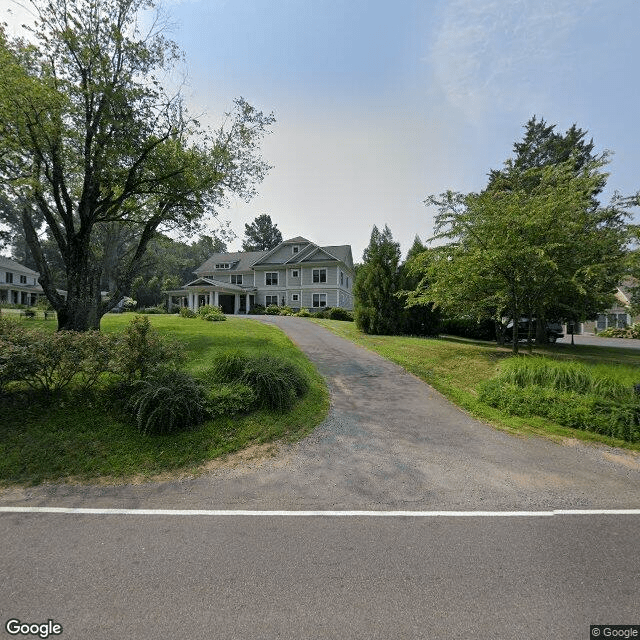
8337 Lewinsville Road, Mc Lean, VA 22102
For more information about senior living options: (866) 208-4318
Overall Review of Eden Homes 8337 Lewinsville
Pros
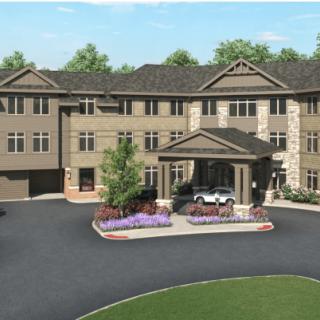
 Larmax has a light, airy, and very clean environment that feels more like a home than a facility, easing transitions.
- There are sing-alongs, art projects, parties, and outside presenters, providing a wide variety of engaging activities.
- Residents are treated with respect and truly loving care.
- The opportunities for activities and independence within the home are amazing.
- Some staff are truly exemplary.
- A reviewer described the experience as wonderful and felt Larmax was the right choice.
Cons
 There has been very high staff turnover, making it hard to get to know the quickly changing caregivers.
- Some staff were not helpful or able to communicate effectively, which was a real issue as the mother’s end of life approached.
- The 30-days notice policy for departure is burdensome for residents who are in their final years.
- The facility charged an additional 30 days’ rent after hospice care began and the mother passed, which felt unfair given the circumstances.
- The overall monthly rent was described as extraordinarily costly.
Review
This community is best suited for families that want a small, home-like assisted living experience in a quiet, intimate setting where residents can stay engaged without feeling like part of a large campus. The ideal resident is someone who benefits from a calm atmosphere, meaningful daily activities, and the sense of independence that comes with living in a house-style environment. For memory care in particular, the small-home model can be a strong fit when the emphasis is on comfort, familiarity, and personal attention rather than a clinical, bustling campus. Families should enter with eyes open to the realities of a compact operation, including staffing dynamics and the contract structure that governs departure and charges.
Prospective buyers should also consider who may want alternatives. If a priority is consistently high nurse-to-resident staffing, rapid clinical escalation, or a campus with broad, on-site medical capabilities, this setting may not align with those expectations. The small-home model excels in atmosphere and engagement but can struggle with staffing stability over time, which in turn affects continuity of care and communication. Additionally, the contract’s departure rules and the post-death rent policy can be a harsh surprise for families already navigating the emotional and logistical strain of end-of-life transitions. For families seeking more predictable terms, or facilities with larger teams and more robust clinical infrastructures, exploration elsewhere is prudent.
The strongest upside here is a light, airy, clean environment that feels more like a home than a facility. Residents enjoy a quieter rhythm without sacrificing engagement: a steady stream of activities, from sing-alongs and art projects to outside presenters and interactive programs, keeps people socially connected. The small-home setting also supports independence within a guided framework, which many families value as a gentle, less institutional transition for their loved ones. The care philosophy described by many families centers on respect and genuine, if sometimes imperfect, attentiveness, an important factor when choosing a place for dementia-friendly living and end-of-life considerations.
Yet, the downsides are real and must be weighed carefully. Staff turnover has been a notable challenge, which translates to inconsistent relationships and variable communication. While some caregivers are exemplary and genuinely compassionate, others struggle to be helpful or to communicate effectively, complicating day-to-day coordination and critical moments of need. The difficulty in filling nursing positions compounds this inconsistency, making families cautious about relying on a single point of contact for medical questions. And then there is the contract language: a rigid 30-day notice requirement for departure, paired with a full 30 days’ rent even after a resident passes, can feel punitive at a moment when families are already grieving and organizing affairs. These terms materially affect families during an emotionally taxing time and can offset otherwise positive impressions.
These pros and cons intersect in actionable ways. The home-like, engaging atmosphere can partly offset staff turnover by building meaningful, ongoing relationships with caregivers over time; residents may not feel as “plussed” by a big campus but can still experience rich programming and a sense of belonging. However, the policy framework and staffing dynamics frequently trump the benefits of ambiance and activity variety when decisions hinge on predictability and financial exposure during sensitive phases of care. The upshot: diligence is essential. Families should verify current staffing stability, request a clear overview of who handles medical care, and seek real-world examples of how communication is managed during transitions and crises. Most importantly, scrutinize the departure and post-death charges to determine whether the financial terms align with the family’s expectations and the resident’s best interests.
In short, Eden Homes/Larmax’s small-home model is compelling for families prioritizing a warm, community-centered, dementia-sensitive environment with abundant activities and a homelike feel. It can be an excellent choice for those who place a premium on atmosphere and individualized attention and who can navigate the realities of staffing variability and contract terms. For families that prize effortless continuity of care, a broad medical footprint, or more forgiving exit policies, alternatives in the region with larger staffs, steadier clinical oversight, and more flexible financial terms should be on the short list. The right match hinges on balancing emotional comfort and daily quality of life against predictable care coverage and transparent, compassionate financial terms.
 8 resident community capacity
 Assisted Living
 Board and Care Home
 Respite Care
 Cable or satellite TV
 Dining room
 Fully furnished
 Garden
 Housekeeping services
 Move-in coordination
 Outdoor space
 Telephone
 Wi-Fi/high-speed internet available
 Washington Dulles International (12 miles away)
 24-hour supervision
 Activities of daily living assistance
 Assistance with bathing
 Assistance with dressing
 Assistance with transfers
 Diabetes diet
 Meal preparation and service
 Medication management
 Special dietary restrictions
 Transportation arrangement (medical)
 Transportation to doctors appointments




 Beyond the Bingo Hall: 50+ Enriching Activities for Seniors in Assisted Living
 Understanding the Distinctions: Assisted Living and Memory Care Explained
 Guiding Elderly Parents Who Refuse Assisted Living: 6 Practical Steps