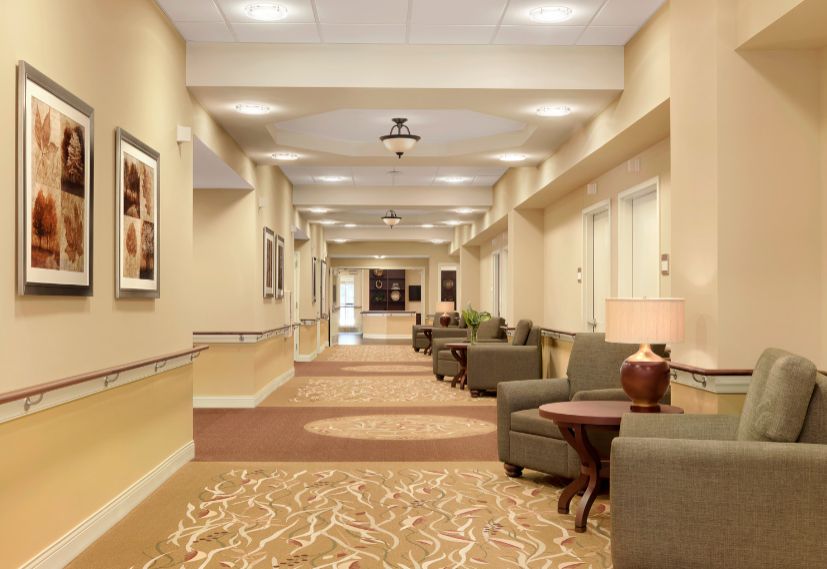
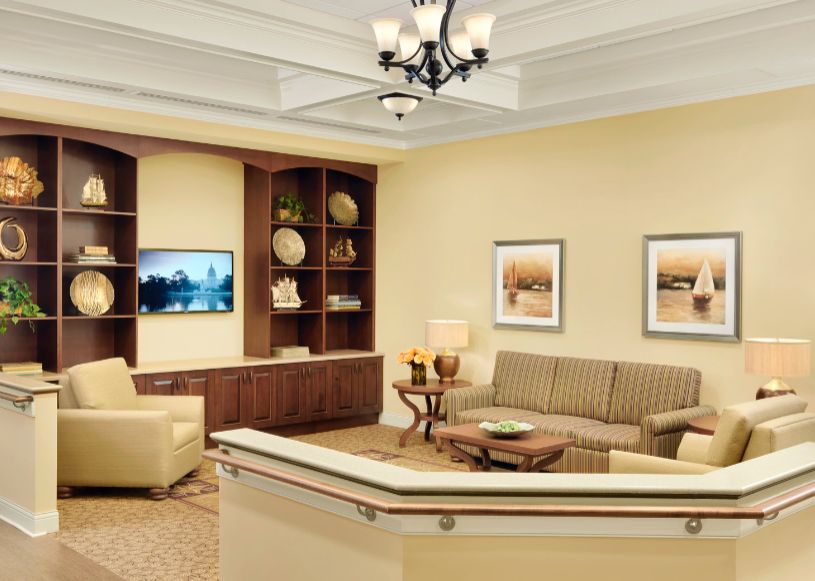
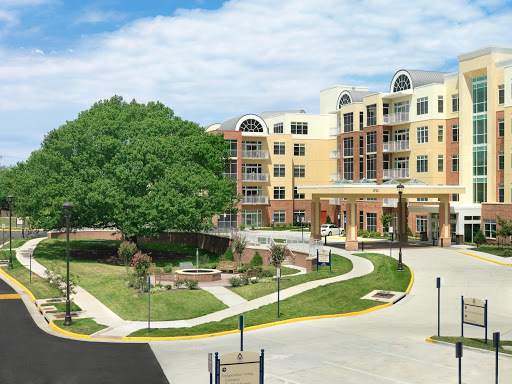





1739 Kirby Road, Mc Lean, VA 22101
For more information about senior living options: (866) 208-4318
Overall Review of Arleigh Burke Pavilion
Pros
 The building is good.
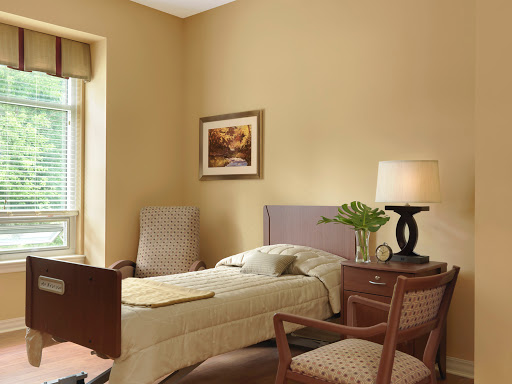
- The room looks pretty good.
- The staff are very helpful.
- The nurses, PTs, OTs, CNAs, and staff are great.
- The mom loves it and is very happy there.
- There are many great activities and caring people.
- The community is very nice and the care is very good; the staff were attentive.
- It is a top-of-the-line facility.
Cons
 The shuttle service was limited and not set up to handle emergencies, forcing the patient to hire private emergency transport.
- The staff were slower and slack due to a lack of visitors.
- There was a lack of communication among the staff.
- There were too many "I don't know" responses and unprofessional demeanors from staff.
- The facility was understaffed and unable to attend to all patients, leading to long wait times for call bells.
- A patient was reprimanded and shamed after an accident.
- It was too far away and very expensive, with a large upfront fee, making it not financially viable.
Review
Arleigh Burke Pavilion in McLean, VA is best suited for seniors who want a comprehensive care continuum on a sizable, purpose-built campus and who prioritize rehab capability within a veteran-friendly community. The facility combines on-site medical oversight, skilled therapy, and a broad menu of living options, from assisted living to long-term skilled nursing, under one roof. Reviewers repeatedly note a disciplined, organized environment that can feel like a natural fit for former military families. The trade-off is cost and distance: the campus is large and premium-priced, and for families farther away, ongoing involvement can be challenging. This is not a budget pick, but it delivers a robust, destination-style care experience for the right resident.
Alternatives may be attractive for families prioritizing affordability, ultra-consistent staffing, or proximity to home. Several reviews flag uneven call-bell response times and shifts that feel less engaged, particularly at night. If a quieter, smaller setting with steady caregiver ratios and month-to-month flexibility matters, nearby communities with lower upfront costs could fit better. For residents who primarily need assisted living rather than high-touch skilled nursing and rehab, another property offering similar services at a lower price point may be more appropriate. Finally, if family members must drive long distances for frequent visits, a closer option could ease the logistics and maintain continuity of care without the strain of travel.
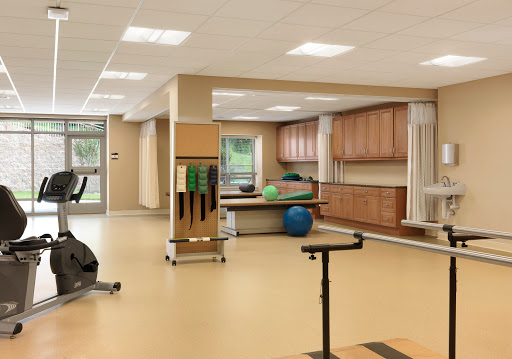
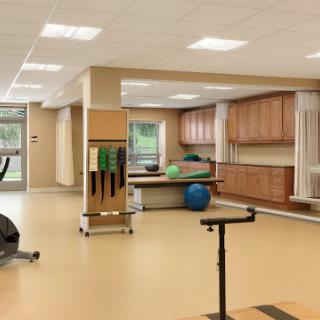
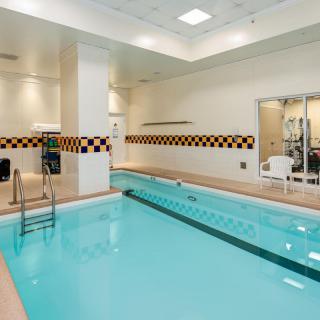
On the upside, the rehab program and professional staff are the core strengths. The facility earns praise for attentive nursing, physical therapy, and other therapies, plus a clean, well-equipped environment and an active schedule of activities. The presence of an in-house physician and a leadership team that has shown improvement over time provides a reassuring backbone for care plans and discharge coordination. The campus’s breadth matters: multiple care levels, strong fitness resources, and a lively social calendar reduce the need for transitions and help patients progress on site. For families aiming to keep a loved one in a single, familiar setting as needs evolve, these are decisive advantages.
However, several reviews underscore meaningful downsides. At times, communication gaps and inconsistency across staff groups have hindered smooth care, with some accounts describing slow call-bell responses and uneven attentiveness. The combination of a large facility and staffing variability can magnify frustration when a patient’s needs spike. A few reports recount experiences where care felt impersonal or rigid, particularly when therapists adhered strictly to checklists rather than tailoring approaches. These episodes warn that, despite strong reputations, the center can struggle when turnover or demand strains the system. Prospective families should explicitly ask about current nurse-to-patient ratios, response times, and the process for ensuring care plans remain synchronized across shifts and departments.
When evaluating, align expectations with the resident’s goals. For post-acute rehab with the aim of rapid functional gains, Arleigh Burke Pavilion’s therapy strength, gym facilities, and integrated medical oversight are meaningful assets. The veteran-friendly culture can also support social engagement and motivation. But scrutinize the financials: upfront buy-in versus ongoing monthly costs, and the long-term affordability if care levels need to evolve. Confirm the transportation arrangements, especially for emergencies, and the coordination between doctors and the facility’s administration. If long-distance visits are essential, create a visitation plan that fits the campus’s size and driving times. These practical checks will determine whether the advantages outweigh the premium price for a given family.
In final analysis, Arleigh Burke Pavilion is a strong option for families seeking a premier rehab-centric environment with broad medical oversight, a robust activity calendar, and a military-tinged community that can feel like a built-in support structure. It shines when the priority is staying in one campus through recovery and into assisted living, without frequent relocations. It becomes less attractive for those who require constant rapid staff responsiveness, a lower-cost plan, or a more intimate setting where every staff interaction feels consistently personalized. For such buyers, exploring nearby alternatives that emphasize steady staffing, simpler access, and predictable costs will likely yield clearer value without sacrificing essential care. The right choice balances rehab needs, financial reality, and the ability to stay engaged with a loved one on a regular schedule.
 32 resident community capacity
 1-bedroom apartments
 Assisted Living
 Continuing Care Retirement Community (CCRC)
 Respite Care
 Skilled Nursing Facility
 Activities on-site
 Beautician on-site
 Cable or satellite TV
 Devotional services off-site
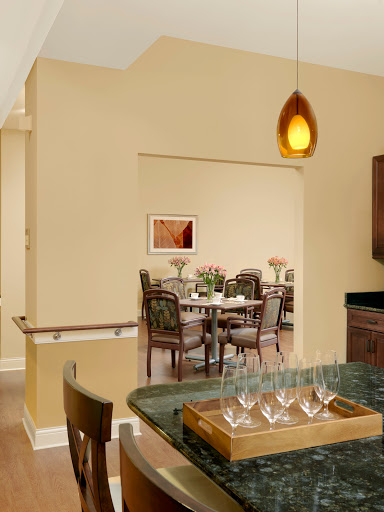
 Dining room
 Financial aid
 Fully furnished
 Garden
 General store
 Housekeeping services
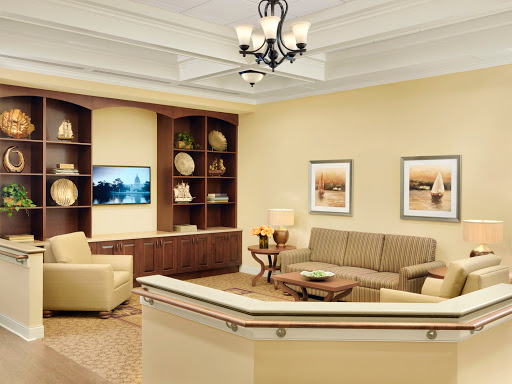
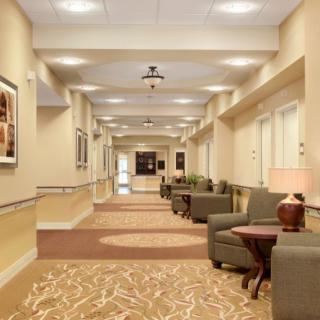
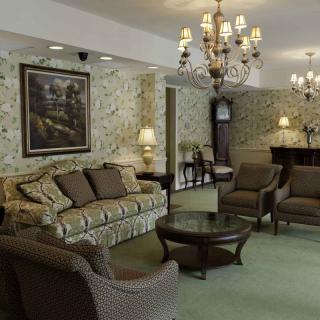
 Indoor common areas
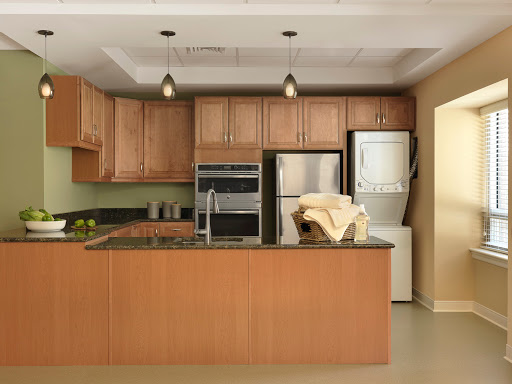
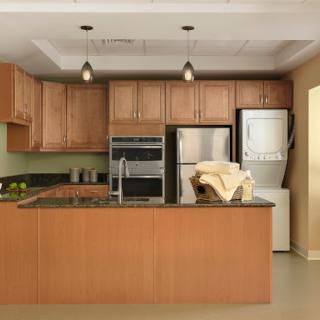
 Kitchenette
 Laundry
 Move-in coordination
 Outdoor space
 Restaurant-style dining
 Small library
 Telephone
 Wi-Fi/high-speed internet available
 Ronald Reagan Washington National (8 miles away)
 24-hour call system
 Ambulatory care
 Assistance with bathing
 Assistance with dressing
 Assistance with transfers
 Diabetes diet
 Diabetic care
 Medication management
 Mental wellness program
 Special dietary restrictions
 Book club
 Cooking club
 Educational speakers / life long learning
 Fitness programs
 Games
Games Live musical performances
 Yoga / chair yoga
 English

 Comprehensive Insights into Activities of Daily Living (ADLs) and Their Assessment
 Medicare Coverage for Assisted Living: An In-Depth Exploration
 Choosing the Right Senior Care: A Detailed Exploration of Assisted Living and Nursing Homes