
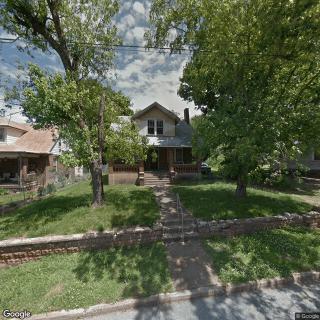
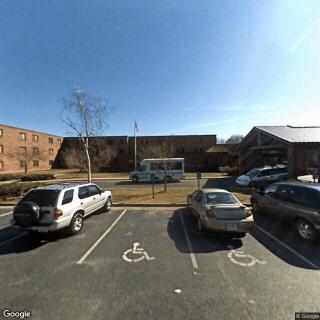
601 Armstead Avenue, Martinsville, VA 24112
For more information about senior living options: (866) 208-4318
Overall Review of Hairston Home For Adults
Pros
 The staff at Hairston Home are kind and caring and work hard to help residents adjust.
- He received really good care while living there.
- The residents are friendly, and socializing with them is enjoyable.
- The time he spent there is appreciated for the care he received.
- Visitors are welcomed each time they come.
Cons
 The place is described as nasty and unsanitary, with bathrooms covered in urine and feces.
- The staff are alleged to mistreat residents and abuse them, and the facility should be shut down.
- Several residents died while trying to escape, indicating serious safety concerns.
- Five people died in one year, according to the reports.
- One gentleman was struck by a truck and died while attempting to flee, and another was never found.
- The reviewer would not recommend this facility to anyone.
Review
Hairston Home For Adults in Martinsville, VA is best suited for seniors who want a small, home-like setting with attentive staff and plenty of social interaction. It works best for residents who currently need light to moderate assistance and for families that value frequent visits, ease of socialization, and a sense that staff will知 actively help a loved one adjust during transitions. This community can function as a warm bridge for someone whose health remains stable for the near term but may require more skilled care as conditions evolve. In short, it serves best those who crave companionship and a personable, less institutional atmosphere rather than a facility built around high-acuity medical needs.
Those weighing alternatives should note a distinctly cautionary backdrop in the feedback. If a resident requires ongoing, consistent skilled nursing, complex medical management, memory care, or unwavering safety and sanitation standards, another option with a more transparent track record should be prioritized. The history reflected in family accounts includes serious concerns about treatment, safety, and cleanliness, which warrants careful scrutiny. Prospective families should insist on current licensing compliance, recent inspection results, and a clear plan for ongoing oversight before committing, especially for long-term placement.
The most compelling positives center on the care team’s character and the social atmosphere. Reviewers repeatedly describe staff as kind, compassionate, and genuinely engaged in helping residents adapt, with families feeling grateful for the care provided during fragile health phases. Residents themselves appear friendly, and the environment supports social engagement and visits, which can be a meaningful buffer against isolation. When a loved one’s health briefly stabilizes and the emphasis is on daily quality-of-life interactions, these attributes become meaningful and can offset some stress for families during transition periods.
Counterbalancing those strengths are significant red flags raised in the feedback. Several accounts allege abuse or mistreatment, with one long-ago report referencing deaths and a hostile history that remains troubling to readers. Additional claims describe unsanitary conditions, bathrooms stained with urine and feces, and severe dissatisfaction with food quality. The combination of alleged mistreatment and sanitation concerns creates a risk calculus that cannot be dismissed, even if some residents reported positive experiences. Such contrasts demand rigorous verification and close, ongoing supervision by families and observers.
How the positives line up against the negatives hinges on the resident’s care needs and the willingness to implement stringent oversight. If a potential resident values warmth, social connection, and responsive staff for moderate assistance, Hairston can deliver those benefits that families often prize in the short term. However, the severity and persistence of the reported issues imply that this is not a low-risk, high-certainty long-term placement for someone with rising medical or safety demands. Families should prepare to visit frequently, request detailed care plans, and demand transparent reporting on any incidents, staffing levels, and sanitation protocols.
In the end, Hairston Home For Adults appears viable as a transitional or short-term option for a relatively independent senior who requires modest help and cherishes a welcoming, social environment. For long-term placement or for residents with complex medical needs, the current signals favor exploring alternatives with stronger safety records and clearer accountability. The prudent approach is to verify the most recent licensure and inspection outcomes, talk to current residents and families, and insist on an unvarnished tour of living conditions and care routines before making a commitment. This careful vetting will reveal whether the community’s warmth and social life can truly outweigh the safety and sanitation concerns raised in the reviews.
 38 resident community capacity
 Assisted Living
 Beauty salon
 Cable or satellite TV
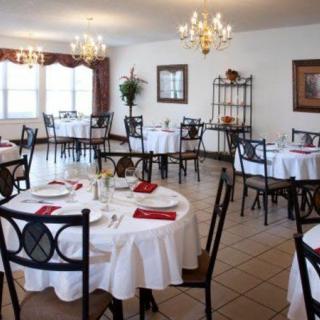
 Dining room
 Fully furnished
 Garden
 Housekeeping services
 Kitchenette
 Move-in coordination
 Outdoor space
 Restaurant-style dining
 Small library
 Telephone
 Wi-Fi/high-speed internet available
 24-hour call system
 Activities of daily living assistance
 Assistance with bathing
 Assistance with dressing
 Assistance with transfers
 Diabetes diet
 Medication management
 Mental wellness program
 Special dietary restrictions



 Social Security Benefits and Assisted Living: Navigating Options Across the U.S.
 An Extensive Exploration of the VA Aid and Attendance Benefit
 Senior Transition Services: Understanding Their Role, Cost, and Importance