

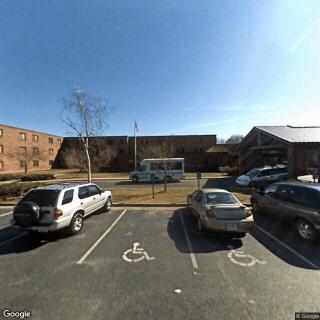
213 Wilson St, Martinsville, VA 24112
To contact a resident: (540) 634-0345
For more information about senior living options: (866) 208-4318
Overall Review of Draper Home For Adults
Pros
 He received really good care.
- The staff were truly kind and caring and worked hard to help him adjust.
- The residents were very friendly.
- They enjoyed socializing with the residents.
- They were very grateful for the time he was there and for how well he was cared for.
- They were welcomed each time they visited.
Cons
 The facility is described as nasty and unsanitary, with bathrooms covered in urine and feces.
- The food is described as something that should be used as pet food.
- The residents are said to have been mistreated and abused, and the place should be shut down.
- There are claims that several residents died while trying to escape, including accounts of a person struck by a truck and others never being found.
- The reviews call for government and community scrutiny of the facility.
- There are concerns about staff leadership, including the head nurse, suggesting they should be looked at.
Review
Draper Home For Adults in Martinsville is best suited for seniors who prize a warm, community-oriented atmosphere and personal, attentive staff over high-acuity medical infrastructure. Families pursuing a home-like setting where residents can socialize, build connections, and receive gentle daily support will find value here. It is not presented as a destination for complex medical care or rigorous, 24/7 skilled nursing; its strength lies in companionship, activity engagement, and a sense of belonging within a smaller residential-like environment.
Prospective residents should also be mindful of who might want to consider alternatives. Those requiring reliable, high-level medical supervision or specialized memory care will likely need a facility with stronger nursing coverage and formal clinical programs. Families should verify current licensing and inspection results, and beware of inconsistent online signals about this community, some reviewers reference a different facility with a troubling history, which underscores the need for an in-person evaluation and careful confirmation of the correct site, services, and record. For anyone prioritizing spotless sanitation or uncompromising safety standards, alternatives with documented, ongoing performance in those areas will feel more trustworthy.
The strongest positive signals in the reviews center on the human side: staff described as kind and caring, residents who are friendly, and a social environment where visitors can socialize and engage with others. Those elements matter deeply for quality of life, especially when a resident is transitioning from independent living to assisted living. However, these strengths are tempered by serious red flags raised in other notes, including complaints about cleanliness and sanitation. A few reviewers even imply enduring, historically problematic conditions, with allegations about mistreatment and unsafe environments. Taken together, the reviews paint a picture of a facility that can deliver kindness and community, but with a potentially uneven record on basic care environments and safety oversight.
How the positives balance against the negatives hinges on one’s priorities and risk tolerance. If emotional well-being, social participation, and a home-like feel are the primary goals, the caring staff and resident camaraderie can offset some of the friction caused by inconsistent operational performance. On the other hand, if clean facilities, predictable daily care, and a consistently safe environment are non-negotiable, the main drawbacks appear to outweigh the benefits. The health trajectory of residents matters greatly here: staff may help with social integration and adjustment, but when health declines to a level needing frequent skilled intervention, the facility’s capacity for seamless transition becomes a critical variable. That gap can undermine the notion of the place as a long-term solution for residents with evolving medical needs.
To evaluate candidly, engage in a rigorous on-site assessment. Schedule multiple visits at different times, including meals and shift changes, to observe housekeeping, sanitation, and staff responsiveness firsthand. Request recent state surveys, inspection reports, and any incident logs, and ask for a transparent explanation of how concerns have been addressed. Speak with current residents and families about daily routines, diet quality, and the consistency of care plans. Compare these findings with nearby alternatives that offer clearer assurances of cleanliness, safety protocols, and stable clinical support. A clear path forward is to establish a trial period with measurable milestones and proactive care-reviews, ensuring the chosen option aligns with both medical needs and the emotional priorities that define quality of life.
In sum, Draper Home For Adults holds merit for families seeking a friendly, socially engaging setting where staff demonstrate genuine warmth and residents enjoy companionship. Yet the shadow of inconsistent sanitation and safety signals cannot be ignored, and those concerns should drive thorough due diligence and cautious optimism. This community can be a good fit for a resident who prioritizes personal attention and social connectedness and who can tolerate potential variability in environmental standards. For anyone with a low tolerance for cleanliness lapses or a need for steady, high-level medical oversight, alternatives with stronger track records in those domains should be the primary comparison. The prudent path is deliberate investigation, a clear care plan, and a willingness to reassess quickly as needs evolve.
 Board and Care Home




 Navigating the Tax Landscape of Caregiving: Credits, Deductions, and Beyond
 Highly Beneficial Low-Impact Exercises for Senior Living Residents
 Is In-Home Healthcare Tax Deductible? Your Comprehensive Guide