For more information about senior living options: (866) 208-4318
4.5 from 62 reviews
5 stars
52
4 stars
1
3 stars
1
2 stars
1
1 stars
7
Overall Review of Home Instead - Manassas, VA
differentiator5 reviews mention this
Care levels include hospice support
Residents’ families describe getting the right level of at-home help as needs changed, including hospice support.
Multiple reviewers describe care that evolved from daily help to round-the-clock support, and eventually hospice care when it was needed. Families mention caregivers supporting practical daily routines while also helping during medical transitions, like when a loved one came home from the hospital. One reviewer specifically credits CarePros with taking on chores and providing support during hospice care at home, and another describes hospice care as part of the progression of services.
common3 reviews mention this
Care teams are often carefully matched
Reviewers repeatedly mention that the agency aims for the right caregiver match and adjusts when schedules or needs change.
Several reviewers describe a thoughtful matching process, including starting with a few assistants until the “perfect match” arrived. Families also report that the team made schedule changes when necessary and that the same caregiver was prioritized when appropriate. When coverage was needed, at least one reviewer says the agency arranged another assistant so care could continue without gaps.
common5 reviews mention this
Owners’ involvement comes through in reviews
Reviewers frequently point to owner involvement and a hands-on approach that they feel influences care quality.
A number of reviewers emphasize that care is driven “from the top down” and describe owners who are personally invested in clients and caregivers. Some reviewers say they know the owners personally and connect that background to the level of respect and attention they receive. Others specifically describe the owners creating a dedicated environment for both clients and staff, and that tone shows up in how families experience day-to-day care.
caveat3 reviews mention this
Communication and scheduling can slip
Some reviewers report problems with communication, scheduling, or phone coverage during times when they needed help urgently.
Not all experiences were smooth: one reviewer described difficulties during a transition, including poor communication and scheduling issues. Another reviewer reported problems around promises to send scheduling information. A separate review criticizes phone coverage, saying calls went unanswered even when the company advertised that someone would answer at all times.
How we summarize
Counts show how many written reviews mention each theme; a review can touch several themes, and only frequently mentioned themes are displayed.
Features
Transportation
Washington Dulles International (14 miles away)
Ronald Reagan Washington National (25 miles away)
Nearby Places of Interest
Cafes
Grounds Central Station (0.4 miles)
Starbucks (1.4 miles)
Starbucks (1.5 miles)
Starbucks (3.3 miles)
Paris Baguette (6.5 miles)
Panera Bread (9.2 miles)
Peet's Coffee and Tea (9.9 miles)
Pharmacies
Walgreens (0.7 miles)
CVS Pharmacy (0.8 miles)
Walgreens (0.8 miles)
CVS Pharmacy (1.4 miles)
Walmart Pharmacy (1.6 miles)
CVS Pharmacy (2.9 miles)
Walgreens (3.3 miles)
Restaurants
McDonald's (1.1 miles)
Nathan's Dairy Bar (1.2 miles)
Chipotle Mexican Grill (1.5 miles)
McDonald's (2.4 miles)
Mum Mum Restaurant (2.4 miles)
Checkers (3.6 miles)
Foster's Grille (4.1 miles)
Physicians
Olde Towne Pediatrics (1.2 miles)
Northern Virginia Family Medicine (1.3 miles)
Valley Health Clinic (1.3 miles)
Patient First - Manassas (1.5 miles)
Prince William Cardiology Associates (1.6 miles)
Crestwood Pediatrics (2.8 miles)
Arthritis & Osteoporosis Center of Northern VA (3.2 miles)
The article explores the complexities of using Social Security to finance long-term nursing home care in the U.S., detailing eligibility requirements and misconceptions, while emphasizing that these benefits often do not cover full costs and highlighting the need for strategic financial planning and professional guidance.
Pneumonia significantly affects older adults due to weakened immune systems and atypical symptoms that complicate diagnosis, necessitating early detection and tailored treatment. Risk factors include chronic diseases and cognitive impairments, with preventive measures like vaccinations and healthy lifestyles being crucial for reducing risk.
Palliative care enhances the quality of life for seriously ill patients by providing comprehensive support at home through a multidisciplinary team, addressing various needs and prioritizing comfort over curative treatments. While it offers personalized care and involves family in decision-making, challenges like caregiver stress and logistical issues persist, with growing demand prompting advancements in technology and healthcare policies to improve access.
Get PricingAsk A QuestionSchedule A TourContact Senior Advisor
By clicking submit, you agree to our Partner's Terms of Use. You
also consent to receive calls and texts, which may be autodialed, from our Partner. Your consent is not a condition to
using our Partner's service. Please visit our Partner's Privacy Policy for information about their privacy practices.

 Washington Dulles International (14 miles away)
 Professional, compassionate caregivers delivering reliable, personalized home health care.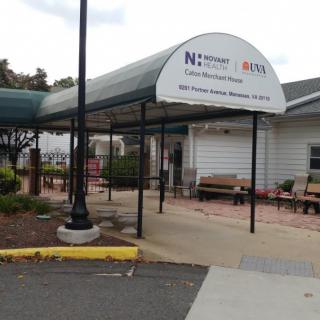





 Financing Long-Term Nursing Home Care Through Social Security: A Thorough Exploration
 Essential Knowledge on Pneumonia in Older Adults
 Exploring Palliative Care in the Home: A Comprehensive Overview