
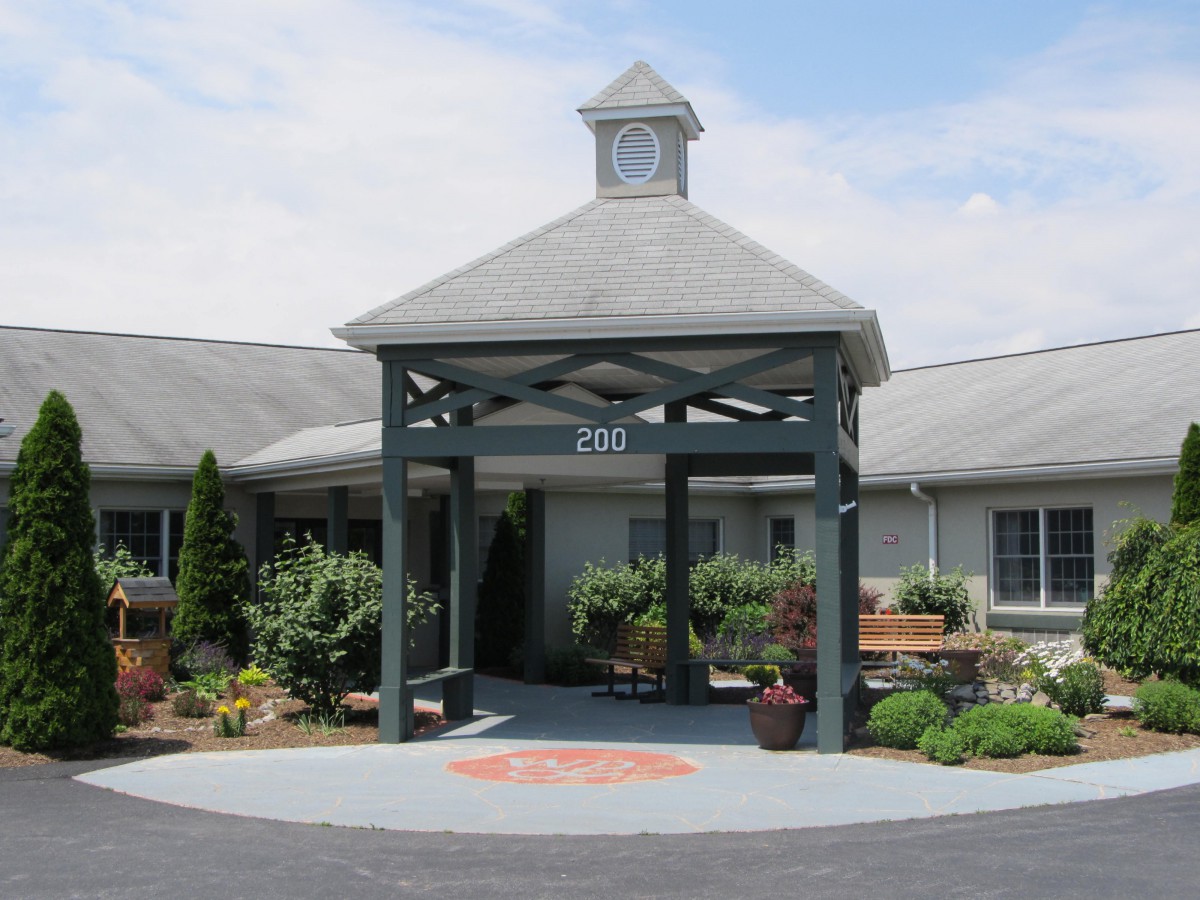

200 Leaksville Road, Luray, VA 22835
For more information about senior living options: (866) 208-4318
Whispering Pines Assisted Living Costs & Pricing
Whispering Pines Assisted Living offers competitive pricing for its services compared to both Page County and the broader state of Virginia. For a semi-private room, the monthly cost at Whispering Pines is $3,350, which is notably higher than the county average of $2,675 but remains lower than the state average of $3,991. In terms of studio accommodations, residents can expect to pay $4,750 per month at Whispering Pines - a rate that surpasses the local county price of $3,975 while still being slightly more economical than the state average of $4,436. Overall, while Whispering Pines may be pricier in certain aspects when compared to local benchmarks, it reflects a balanced approach in delivering quality care and amenities to its residents.
| Floor plans | Whispering Pines Assisted Living | Page County | Virginia |
|---|---|---|---|
| Semi-Private | $3,350 | $2,675 | $3,991 |
| Studio | $4,750 | $3,975 | $4,436 |
Memory care communities with a similar price nearby
-
About the same

Greenfield Reflections of Woodstock
$3,425 to $4,335 / month14.5 miles away -
About the same
Greenfield Reflections Of Strasburg
$3,425 to $4,560 / month23.9 miles away -
from +$345 / mo
Shenandoah Senior Living
$3,695 to $4,995 / month20.7 miles away -
from +$250 / mo

Woods Cove Assisted Living
$3,600 to $5,000 / month25.0 miles away -
from +$145 / mo
Fox Trail Assisted Living Memory Care at Front Royal
$3,495 to $4,295 / month24.4 miles away
Overall Review of Whispering Pines Assisted Living
Pros
 The staff are friendly, attentive, and make residents feel at home rather than in a facility.
- The facility is clean, well maintained, and welcoming for residents and families.
- Ginger is personable, responsive, and goes the extra mile to assist both residents and family members.
- The administrator is knowledgeable and explains care and admissions clearly, making transitions easy.
- The staff treat residents like family and take great care of them.
- The memory care area and activity spaces are pleasant and well integrated with the rest of the community.
- Overall, Whispering Pines receives high praise for safe, excellent, and compassionate care.
Cons
 The facility has no activities, the person in charge is never available, and the staff uses foul language and is mean to residents.
- The place is disgusting, with flies everywhere on patients and food, staff did not acknowledge visitors, and the meals were ice cold and unappealing.
- The facilities were not well maintained, and despite some staff being open and communicative, they would not consider it for their father.
- One reviewer claimed Whispering Pines is not a care facility, describing it as a place that merely feeds and waters residents and lacks proper care.
Review
Whispering Pines Assisted Living in Luray is best suited for families who want a warm, home-like environment where approachable leadership and hands-on caregivers make daily life feel personal and intimate. The community earns praise when the focus is on individualized attention, easy access to the administrator, and staff who treat residents as family. Families frequently highlight moments when Ginger, the administrator, goes beyond the office to coordinate transportation, accompany appointments, and even share a friendly kitchen touch. For seniors who value a sense of belonging, a tidy, well-kept setting, and the comfort of a smaller, more personable atmosphere, this facility delivers in meaningful ways.
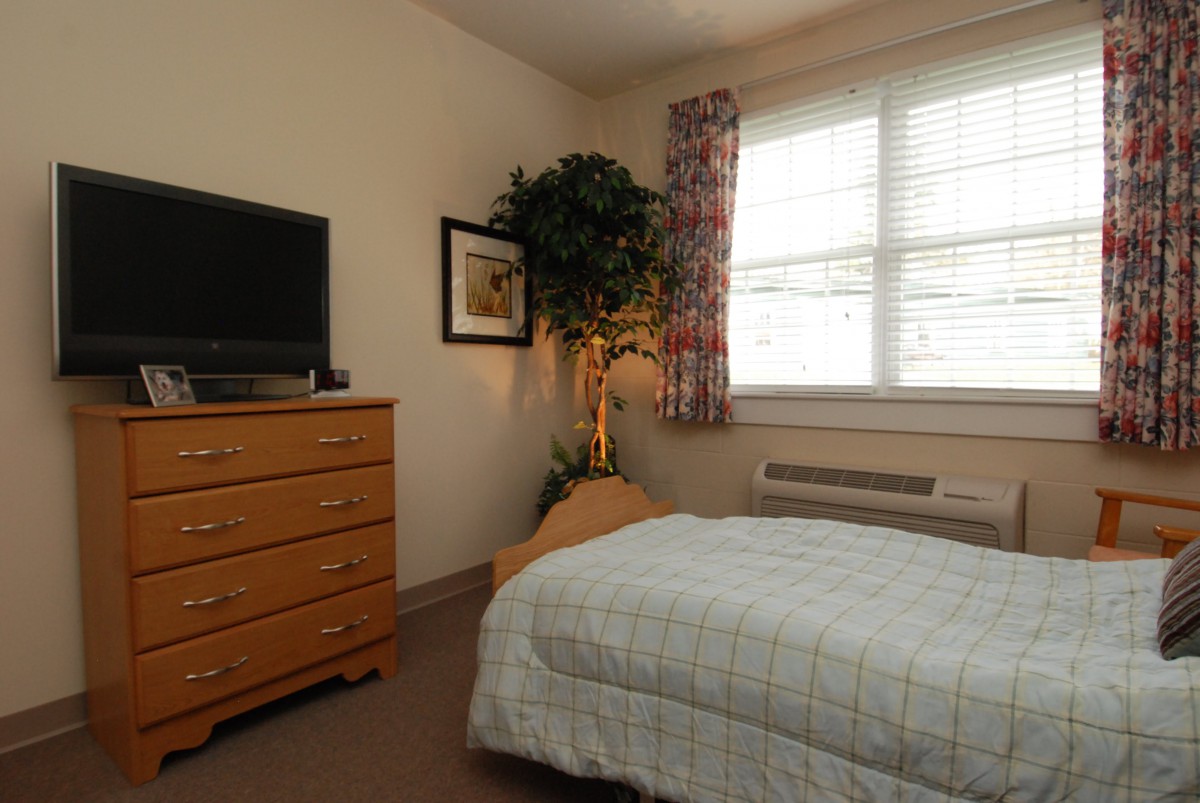
The strongest positives center on real, day-to-day reliability: cleanliness, attentive staffing, and a visible commitment from leadership. Residents and families repeatedly note the facility’s upkeep as well maintained, the rooms comfortable and well-sized, and staff who are responsive during transitions, such as moving from rehab to Whispering Pines or managing ongoing medical appointments. The memory-care area is described as thoughtfully designed, with a courtyard and supervised crossover programs that keep memory-compromised residents connected to broader activities. When administration is present and engaged, the atmosphere shifts toward a family-like cadence that many families find reassuring, especially during difficult times or family visits.
But the community does carry notable caveats that must be weighed. Several reviews report serious concerns about staff behavior and overall daily programming: allegations of foul language and unkind treatment, a perception of limited activities, and instances where the person in charge appears unavailable. A few experiences describe significant lapses in basic care, with mentions of flies, cold or unappealing meals, and a sense that residents are not consistently engaged or supervised. Those issues, if borne out by tours and conversations, can erode trust quickly and suggest that the environment may not meet higher expectations for safety, stimulation, and professional demeanor on a sustained basis.
Because of these divergent experiences, families should explicitly weigh whether the positives can offset the more troubling reports. The standout elements, the administrator’s accessibility, the homey feel, the clean and well-kept premises, and the willingness to integrate memory-care residents with other activities, are meaningful advantages for many residents. Yet the negative voices point to potential gaps in daily activity calendars, staff tone, and immediate responsiveness. In practical terms, this means Whispering Pines can be an excellent fit for peace of mind on care when leadership is consistently present and staff are affirmatively kind, but it may be less suitable for families seeking a facility with highly predictable programming, rigorous behavioral standards, and unwavering day-to-day staffing consistency.
Who should consider alternatives? Families prioritizing highly structured activities, stringent oversight, or a consistently uniform staffing experience may find other communities more aligned with those needs. Those who cannot tolerate even sporadic reports of unprofessional behavior or lapses in basic cleanliness should plan a thorough, in-person assessment, ideally during mealtimes and off-peak hours, to confirm current practice and culture. If pest control, consistently warm meals, and a visibly engaged front-line team are non-negotiable, it is prudent to compare Whispering Pines with nearby options that emphasize relentless quality assurance and a fixed activity schedule.
In the end, Whispering Pines offers a compelling value proposition for families who prize a genuine, home-centered approach to senior living and who can confirm strong administrative leadership and a consistently caring staff. The pros, personalized attention, a welcoming environment, and meaningful administrative involvement, can offset most concerns when verified through direct visits and conversations with current residents and families. The decision hinges on how much weight is given to the potential for great warmth and close-knit care versus the reported gaps in day-to-day programming and staff conduct. For many households, this community represents a sound, compassionate choice, provided due diligence seals the deal on current culture and reliability.
 60 resident community capacity
 Studio apartments
 Assisted Living
 Independent Living
 Memory Care
 Activities off-site
 Air-conditioning
 Bath tubs
 Beautician on-site
 Cable or satellite TV
 Computer center
 Devotional services off-site
 Dining room
 Fitness room
 Fully furnished
 Gaming room
 Garden
 Ground floor units
 Handicap accessible
 Housekeeping services
 Indoor common areas
 Kitchenette
 Laundry
 Move-in coordination
 Outdoor common areas
 Private bathrooms
 Respite or short term stays offered
 Restaurant-style dining
 Small library
 Telephone
 Wellness center
 Wheelchair accessible showers
 Wi-Fi/high-speed internet available
 Community operated transportation
 12-16 hour nursing
 24-hour call system
 Assistance with bathing
 Assistance with dressing
 Assistance with transfers
 Diabetes diet
 Diabetic care
 High acuity care
 Incontinence care
 Medication management
 Mental wellness program
 Special dietary restrictions
 Concierge services
 Day trips and outings
 Karaoke
 Live dance or theater performances
 Live musical performances
 Sensory-based programs
 Trivia games
 Wii bowling
 English





 When Dementia Sparks Anger and Aggression: Understanding the Connection and Ways to Cope
 Dementia Behaviors: In-Depth Understanding and Effective Coping Strategies
 5 Early Indicators of Dementia and What You Can Do