Town Creek Assisted Living Facility

393 Front Street, Lovingston, VA 22949

For more information about senior living options: (844) 490-3973

3 from 4 reviews
5 stars
2
4 stars
0
3 stars
0
2 stars
0
1 stars
2

Assisted Living

What level of care are you interested in?

Assisted Living

Memory Care

Independent Living

Skilled Nursing Facility

Continuing Care Retirement Community (CCRC)CCRC

Other


Request a tour at Town Creek Assisted Living Facility

    Overall Review of Town Creek Assisted Living Facility

    Pros

    • pro He received good care at Town Creek.
    • pro She is treated with the utmost compassion and care.
    • pro People have been very helpful and genuinely concerned for her.
    • pro Every meal is delicious.
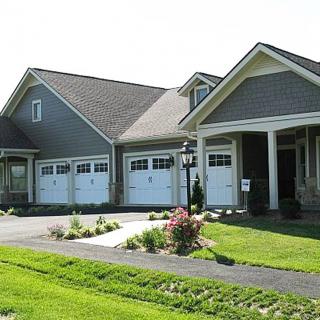
    • pro The facility is beautiful.

    Cons

    • pro The transfer to another facility occurred without the POA's knowledge, which was unprofessional.
    • pro The facility is described as very unfair and the way patients are treated is concerning.
    • pro The facility wants to discharge him over a minor incident, which is viewed as unfair treatment of someone with mental health problems.

    Review

    Town Creek has drawn a range of experiences from families connected to residents, illustrating how care can feel consistently solid for some and uneven for others. One longtime family member describes a positive core of care, anchored by trust in the staff, while other accounts point to frustrations that emerge when notifications are missed, decisions feel opaque, and treatment appears inconsistent. Taken together, the voices paint a portrait of a facility that can be a source of comfort and security for some families, yet not without serious concerns for others.

    A family member who serves as power of attorney for a brother who has been at Town Creek for three and a half years emphasizes that the care his brother has received has generally met expectations. He notes that his brother has been a resident for a lengthy period and that care has been satisfactory. However, the same account highlights a significant lapse in communication. The POA explains that he should be kept informed of every decision pertaining to his brother's care, and he just learned that his brother had been transferred to another facility without his knowledge. "This is very unprofessional to say the least," the reviewer states, underscoring the importance of prompt and transparent communication with families who hold responsibility for residents' well-being.

    A second perspective raises concerns that feel urgent and pointed. The reviewer describes the facility as "very unfair," criticizing the way patients are treated. They recount that their brother was a patient there for two years, and now, after a long tenure, there is an implication that he could be discharged "because he did some little thing to him." This person frames the issue in the context of caring for someone with mental health needs, insisting that the treatment they've observed is not appropriate for someone who struggles with mental health issues. The tone is direct and persistent in its call for accountability, with the reviewer asking for guidance on how to pursue action and even suggesting they might bring the matter to the media.

    The intensity of that concern is matched by a willingness to pursue remedies, including asking others for suggestions on how to respond. The reviewer's message signals a frustration with the way decisions are made and communicated, as well as a concern about the potential consequences for a resident with mental health challenges. The sense of urgency is clear: the family wants to understand what options exist to address what they perceive as unfair treatment and a possibly rushed or unsupported discharge. The readiness to involve media illustrates how strongly some families feel about safeguarding the dignity and stability of their loved ones.

    In contrast to the more troubling accounts, another family member offers a very positive appraisal after a much shorter stay. A daughter has been a resident for almost one month and is reported to be thriving in a setting described as marked by "utmost compassion and care." The reviewer praises the staff for being "very helpful and genuinely concerned," noting that the daughter herself expresses satisfaction with the care. Additionally, the daughter reports that every meal is delicious, a small detail that matters in residential care where nutrition and morale are closely linked. The facility is also described as beautiful, contributing to an overall sense of a welcoming environment for new residents and their families.

    Taken together, these experiences suggest that Town Creek can deliver commendable, compassionate care for some residents and families, while simultaneously presenting serious concerns for others. The positive narrative focuses on attentive staff, supportive communication with families, and a pleasant daily routine. The negative narratives, however, emphasize missed communications, concerns about discharge procedures, and the broader implication that treatment for residents with mental health needs requires heightened sensitivity and clarity.

    What these reviews collectively reveal is the critical importance of transparent decision-making and consistent communication with families, especially when the resident's health status involves mental health considerations. For families acting as power of attorney or guardians, timely notice of transfers, changes in care plans, and the ability to participate in decisions about a loved one's care are essential expectations. The positive feedback about compassion, accessibility, and the physical setting shows Town Creek's potential to be a genuinely supportive community; the cautionary accounts serve as a reminder that systems and practices must be reliable and respectful of families' roles.

    In the end, Town Creek's reputation in these accounts rests on a balance: genuine, compassionate care and a beautiful, welcoming environment on one side, and lapses in communication and consistency on the other. Families deserve to feel confident that their loved ones are treated with dignity and that key decisions are made transparently and collaboratively. If Town Creek can address the concerns about notification, decision-making processes, and consistent treatment - especially for residents with complex mental health needs - its strengths could be reinforced while reducing the risks families fear.

    Features

    Housing

    • 62 resident community capacity 62 resident community capacity

    Types of Care

    • Assisted Living Assisted LivingAssisted living facilities provide crucial support and care for seniors who may need help with daily tasks such as medication management, bathing, and meal preparation. These communities offer a safe and comfortable environment where seniors can maintain their independence while receiving the assistance they need to thrive in their golden years.

    Amenities

    • Air-conditioning Air-conditioningAir conditioning is important for seniors as they are more vulnerable to heat-related illnesses and may have underlying health conditions that make it difficult for them to regulate their body temperature. It helps to keep them comfortable, safe, and healthy in hot weather.
    • Beauty salon Beauty salonBeauty salons are important for seniors because they provide a space for them to feel pampered, socialize, and maintain their personal grooming and hygiene. Regular visits to a beauty salon can help boost seniors' self-esteem and overall well-being.
    • Cable or satellite TV Cable or satellite TVCable or satellite TV is important for seniors because it provides entertainment, news, and companionship, helping to combat loneliness and boredom. It also offers a wide range of programming options tailored to different interests and preferences.
    • Computer center Computer centerA computer center is essential for seniors as it provides access to technology, communication tools, and resources that can enhance their daily lives. It allows them to stay connected with loved ones, engage in online activities, and learn new skills, ultimately promoting socialization and mental stimulation.
    • Dining room Dining roomDining rooms are important for seniors as they provide a space for socialization, connection, and nutritious meals. They offer opportunities for residents to bond over shared meals, foster a sense of community, and promote healthy eating habits. Dining rooms also ensure that seniors have access to well-balanced meals tailored to their dietary needs and preferences.
    • Fitness room Fitness roomHaving a fitness room in a senior living community is essential for seniors to stay active, maintain their physical health, and improve their overall well-being. Regular exercise can help prevent falls, reduce the risk of chronic diseases, and promote mental sharpness. It also provides social opportunities for residents to connect with others and enjoy a sense of community.
    • Fully furnished Fully furnishedFully furnished senior living communities are important for seniors because they provide convenience, comfort, and a hassle-free moving experience. Seniors can easily settle into their new living space without the stress of having to buy and move furniture. This allows them to focus on enjoying their new home and community.
    • Gaming room Gaming roomGaming rooms are important for seniors as they provide a fun and engaging environment for socializing, cognitive stimulation, and physical activity. Games can improve memory, problem-solving skills, and overall mental well-being while fostering friendships and reducing feelings of isolation.
    • Garden GardenGardens are important for seniors as they provide a peaceful and therapeutic environment for relaxation, physical activity, and socialization. Being in nature has been shown to reduce stress, improve mood, and promote overall well-being. Gardens also offer opportunities for seniors to engage in gardening activities, which can improve mobility, flexibility, and cognitive function. Additionally, gardens create a sense of community and connection with others who share a passion for plants and outdoor spaces.
    • Housekeeping services Housekeeping servicesHousekeeping services are important for seniors because they help maintain a clean and safe living environment, promote independence, and reduce the risk of accidents or illnesses. Additionally, having assistance with household chores can alleviate physical strain and allow seniors to focus on other aspects of their well-being.
    • Kitchenette KitchenetteKitchenettes are important for seniors living in senior living communities because they provide the convenience and independence of being able to prepare simple meals and snacks in the comfort of their own living space. This can help promote a sense of autonomy and well-being for seniors, allowing them to maintain some level of control over their dietary choices and daily routines.
    • Move-in coordination Move-in coordinationMove-in coordination is important for seniors because it helps ease the transition into their new living environment. It ensures that all logistics, such as packing, organizing movers, and setting up utilities are taken care of, allowing seniors to focus on settling in and adjusting to their new home. Having a smooth move-in process can alleviate stress and anxiety, making the transition smoother and more enjoyable for seniors.
    • Outdoor space Outdoor spaceOutdoor spaces are important for seniors as they provide opportunities for physical activity, social interaction, exposure to natural light and fresh air, and a sense of connection to nature. Having access to outdoor spaces can improve overall well-being and quality of life for older adults living in senior communities.
    • Private bathrooms Private bathroomsPrivate bathrooms are important for seniors in senior living communities because they provide independence, dignity, and comfort. Having a private bathroom allows seniors to maintain their personal hygiene routines without the need for assistance, promoting a sense of autonomy and privacy. Additionally, private bathrooms help prevent the spread of infections and provide a safe and clean environment for seniors to navigate safely.
    • Restaurant-style dining Restaurant-style diningRestaurant-style dining is important for seniors because it allows them to enjoy delicious, nutritious meals in a social and upscale setting. This enhances their dining experience, promotes healthy eating habits, and fosters socialization with fellow residents, ultimately contributing to their overall well-being and quality of life.
    • Small library Small librarySmall libraries are important for seniors as they provide access to a variety of reading materials, including books, newspapers, and magazines. This can help stimulate their minds, keep them engaged, and provide a sense of community through book clubs and other social activities. Additionally, reading has been shown to improve cognitive function and overall mental well-being in older adults.
    • Telephone TelephoneTelephones are important for seniors as they provide a lifeline for communication with loved ones, emergency services, and healthcare providers. They offer a sense of security and independence, enabling seniors to stay connected and access assistance when needed.
    • Wellness center Wellness centerWellness centers are important for seniors because they offer a variety of programs and services that promote physical, mental, and emotional well-being. These centers provide opportunities for exercise, socialization, education, and relaxation, helping seniors maintain their overall health and quality of life.
    • Wi-Fi/high-speed internet available Wi-Fi/high-speed internet availableWi-Fi/high-speed internet is important for seniors to stay connected with loved ones, access online resources, and participate in virtual activities to combat feelings of loneliness and isolation. It also allows them to easily manage healthcare needs, access entertainment, and engage in lifelong learning opportunities.

    Transportation

    • Community operated transportation Community operated transportationCommunity operated transportation is crucial for seniors as it provides them with the means to access essential services, social activities, and medical appointments. It allows seniors to maintain their independence and quality of life by ensuring they can participate in activities outside of their homes. Additionally, community-operated transportation services offer a safe and reliable way for seniors to travel without having to rely on family or friends for assistance.
    • Transportation arrangement Transportation arrangementTransportation arrangements are crucial for seniors as they may face challenges with driving, mobility, or access to public transportation. Having reliable transportation services ensures that seniors can easily attend appointments, social activities, and maintain their independence and quality of life.

    Care Services

    • 24-hour call system 24-hour call system24-hour call systems are important for seniors because they provide peace of mind and immediate assistance in case of emergencies. This technology ensures that help is always available, promoting safety and security for elderly individuals living alone or in assisted living facilities.
    • 24-hour supervision 24-hour supervision24-hour supervision is important for seniors to ensure their safety, well-being, and access to immediate assistance in case of emergencies or health issues. This constant support provides peace of mind for both seniors and their loved ones, allowing them to age in place with dignity and security.
    • Activities of daily living assistance Activities of daily living assistanceActivities of daily living assistance are important for seniors because they provide essential support with tasks such as eating, bathing, dressing, and mobility. This assistance helps seniors maintain their independence, dignity, and overall quality of life as they age.
    • Assistance with bathing Assistance with bathingAssistance with bathing is crucial for seniors as it helps maintain personal hygiene, prevents infections, and ensures their overall well-being and comfort. It also provides a sense of dignity and independence for seniors who may struggle with this task on their own.
    • Assistance with dressing Assistance with dressingAssistance with dressing is important for seniors because it helps maintain their independence, promotes personal hygiene, prevents accidents and injuries, and improves overall quality of life. This service ensures that seniors can continue to dress comfortably and confidently, despite any physical limitations they may have.
    • Assistance with transfers Assistance with transfersAssistance with transfers is crucial for seniors as it helps prevent falls and injuries, maintains their independence, and ensures they can safely navigate their living environment. It also provides peace of mind for both seniors and their loved ones.
    • Diabetes diet Diabetes dietA diabetes diet is crucial for seniors as it helps manage blood sugar levels, reduce risks of complications, and improve overall health and well-being. By following a balanced and nutritious diet tailored to their specific needs, seniors can better control their diabetes and enhance their quality of life.
    • Meal preparation and service Meal preparation and serviceMeal preparation and service are crucial for seniors as they may have limited mobility or energy to cook nutritious meals. Having access to healthy and convenient food options can ensure they are getting the proper nutrition needed to maintain their overall health and well-being.
    • Medication management Medication managementMedication management is crucial for seniors to ensure they are taking the right medications at the correct dosages and times. This helps prevent adverse drug interactions, reduces the risk of medication errors, and promotes overall health and well-being. Proactive management also allows for adjustments as needed based on changing health conditions or new prescriptions.
    • Special dietary restrictions Special dietary restrictionsSpecial dietary restrictions are important for seniors because age-related changes in metabolism and health conditions can make it difficult for their bodies to process certain foods. By following a diet tailored to their specific needs, seniors can maintain their overall health and well-being, manage chronic conditions, and reduce the risk of complications such as malnutrition or food interactions with medications.

    Dining

    • Diabetes diet Diabetes dietA diabetes diet is crucial for seniors as it helps manage blood sugar levels, reduce risks of complications, and improve overall health and well-being. By following a balanced and nutritious diet tailored to their specific needs, seniors can better control their diabetes and enhance their quality of life.
    • Special dietary restrictions Special dietary restrictionsSpecial dietary restrictions are important for seniors because age-related changes in metabolism and health conditions can make it difficult for their bodies to process certain foods. By following a diet tailored to their specific needs, seniors can maintain their overall health and well-being, manage chronic conditions, and reduce the risk of complications such as malnutrition or food interactions with medications.

    Activities

    • Community-sponsored activities Community-sponsored activitiesCommunity-sponsored activities are important for seniors as they provide opportunities for social interaction, mental stimulation, and physical activity. These activities can help improve overall well-being, combat loneliness and isolation, and promote a sense of belonging and purpose among older adults.
    • Concierge services Concierge servicesConcierge services are essential for seniors as they provide assistance with daily tasks and errands, enhance their quality of life by offering convenience and personalized care, and promote a sense of safety and security.
    • Fitness programs Fitness programsFitness programs are crucial for seniors as they help improve strength, flexibility, balance, and overall well-being. Staying active can reduce the risk of chronic diseases, improve mental health, and enhance quality of life in older adults.
    • Planned day trips Planned day tripsPlanned day trips are important for seniors because they offer opportunities for socialization, mental stimulation, and physical activity. They provide a change of scenery and help seniors stay engaged and connected to their community, promoting overall well-being and quality of life.
    • Resident-run activities Resident-run activitiesResident-run activities are important for seniors as they encourage social interaction, creativity, and a sense of autonomy. These activities empower seniors to stay engaged and active in their community while fostering meaningful connections with their peers.
    • Scheduled daily activities Scheduled daily activitiesScheduled daily activities are important for seniors because they provide structure, socialization, mental stimulation, and physical activity. Engaging in regular activities can improve overall well-being and quality of life for seniors living in a community setting.

    Description

    Town Creek Assisted Living Facility, located in Lovingston, VA, offers a comfortable and welcoming environment for seniors seeking assistance with their daily activities. With a wide range of amenities and care services, residents can enjoy a fulfilling and worry-free lifestyle.

    The facility provides numerous amenities to enhance the residents' quality of life. A beauty salon is available on-site, allowing residents to maintain their personal grooming routines. Cable or satellite TV ensures that they can stay entertained and connected with the outside world. Community-operated transportation is provided for those who require assistance getting around town, whether it's for medical appointments or leisure activities. A computer center enables residents to stay technologically connected and engage in virtual communication with loved ones. The dining room offers a restaurant-style experience where residents can enjoy delicious meals prepared by professional chefs. For those who prefer some privacy while dining, fully furnished kitchenettes are available in each unit.

    Residents have access to a variety of recreational spaces within the facility. A fitness room is equipped with exercise equipment that promotes active living and physical well-being. A gaming room allows residents to socialize and enjoy friendly competitions. Outdoor spaces such as gardens provide opportunities for relaxation and enjoyment of nature. The small library serves as a quiet retreat for reading enthusiasts.

    Care services at Town Creek Assisted Living Facility ensure that residents receive the support they need around the clock. Staff members provide 24-hour supervision to ensure safety and security at all times. Assistance with activities of daily living such as bathing, dressing, and transfers is offered to promote independence while maintaining dignity. Medication management helps residents stay on track with their prescriptions, while special dietary restrictions like diabetic diets are accommodated by the kitchen staff.

    Residents can indulge in various activities planned by the community's concierge services team or join resident-run activities organized by fellow occupants themselves. Fitness programs keep them physically active and engaged, while planned day trips offer opportunities for exploration beyond the facility's grounds. Scheduled daily activities ensure there is always something for residents to enjoy.

    Town Creek Assisted Living Facility boasts a convenient location, with two cafes, six restaurants, and eight places of worship nearby. This allows residents to easily access local amenities and services while maintaining their ties to the community.

    Overall, Town Creek Assisted Living Facility offers a warm and caring environment where seniors can receive top-quality care while embracing an active and fulfilling lifestyle.

    Nearby Places of Interest

    Cafes

    • Home Remedies Mercantile and Exchange (0.2 miles)
    • Christina's Cafe (1.7 miles)
    • Panera Bread (21.5 miles)
    • Starbucks (21.5 miles)

    Places of Worship

    • Saint Marys Catholic Church (0.2 miles)
    • St Mary's Catholic Rectory (0.9 miles)
    • Montreal Baptist Church (2.7 miles)
    • Nelson Episcopal Parish (3.3 miles)
    • Southern Baptist Convention (3.5 miles)
    • Nelson United Methodist Church (3.7 miles)
    • Southern Baptist Convention (4.4 miles)

    Restaurants

    • Liberty Gas / Mcdonald'S (0.3 miles)
    • Chen's (0.4 miles)
    • Vito's Italian Restaurant (0.9 miles)
    • Colleen Drive In (4.7 miles)
    • Thai Saim Restaurant (4.9 miles)
    • Blue Mountain Barrel House (5 miles)
    • Rose Isle Farm Brewers Grain-Fed Beef (6.4 miles)

    Transportation

    • Roseland Rescue Squad Heliport (5.8 miles)

    Physicians

    • UVA Family Medicine Stoney Creek (9.2 miles)
    • Afton Family Medicine (13.4 miles)
    • Amherst Family Physicians (16.8 miles)
    • Physicians Treatment Center (16.8 miles)
    • UVA Stuarts Draft Family Practice (21 miles)
    • Caitlin A. Going, PA (21 miles)
    • Sentara Waynesboro Internal (21.1 miles)

    Pharmacies

    • Holo Chromatic Life Sciences (9.9 miles)
    • CVS Pharmacy (15.2 miles)
    • Stuarts Draft Family Pharmacy (21.1 miles)
    • Walgreens (21.1 miles)
    • Walmart Pharmacy (21.6 miles)
    • Fishburne & Son Pharmacy (21.6 miles)
    • CVS Pharmacy (21.8 miles)

    Parks

    • Shenandoah National Park - Rockfish Gap Entrance Station (19.4 miles)

    Hospitals

    • Virginia Baptist Hospital (21.8 miles)

    Frequently Asked Questions

    Where is Town Creek Assisted Living Facility?

    Nearby Communities

    Assisted Living in Nearby Cities

    Related Resources

    • does medicaid pay for assisted livingUnderstanding Medicaid Coverage for Assisted Living: A Comprehensive Guide

      The guide outlines the complexities of Medicaid coverage for assisted living, highlighting significant state-to-state variations, limited coverage often restricted to personal care services, and the existence of specialized waivers for certain needs like memory care. It advises families to consult local Medicaid offices for options while emphasizing the importance of understanding state-specific regulations and facility policies.

    • does medicaid pay for assisted livingHow and When Medicaid May Cover Assisted Living Costs

      Medicaid coverage for assisted living varies by state and is primarily available to low-income individuals, with eligibility dependent on strict income and asset limits. Some states offer HCBS waivers for specific services in assisted living, but families must generally cover room and board costs, and should verify facility acceptance of Medicaid while considering potential waiting lists.

    • assisted living waiver programA Detailed Exploration of Assisted Living Medicaid Waivers Across the United States

      Medicaid waivers for assisted living services provide vital support for seniors and individuals with disabilities in need of long-term care, with varying state-specific eligibility criteria and benefits. These waivers cover personal care and case management but often do not fully cover room and board, leading to waiting lists for many applicants.


    Get Pricing Ask A Question Schedule A Tour Contact Senior Advisor