

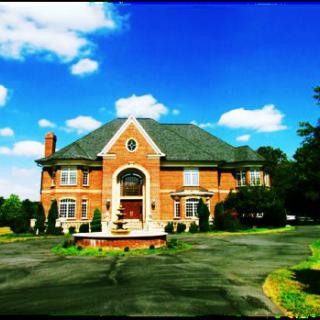
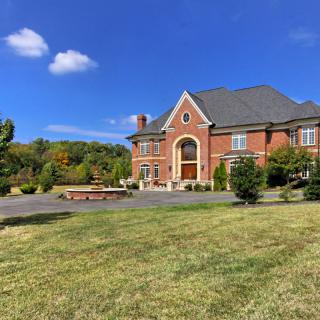
12020 Thomas Avenue, Great Falls, VA 22066
To contact a resident: (703) 533-3060
For more information about senior living options: (866) 208-4318
The Dominion House of Great Falls Costs & Pricing
The Dominion House of Great Falls offers a private room at a monthly rate of $4,700, positioning itself within the competitive landscape of Loudoun County and the broader Virginia market. In comparison, the average cost for similar accommodations in Loudoun County is approximately $4,019, while statewide figures reflect an average of $4,684. This pricing indicates that The Dominion House is slightly above both local and state averages, suggesting a focus on premium services or amenities that may justify the higher expense. Residents and their families considering this option should weigh the added value offered by The Dominion House against its costs relative to other facilities in the region.
| Floor plans | The Dominion House of Great Falls | Loudoun County | Virginia |
|---|---|---|---|
| Private | $4,700 | $4,019 | $4,684 |
Senior living communities with a similar price nearby
-
from +$250 / mo
Avalon House on Laburnum Street
$4,950 / month13.6 miles away -
from -$700 / mo

Catherine's House
$4,000 / month15.3 miles away -
from -$200 / mo
Olney Memory Care
$4,500 / month17.5 miles away -
from -$700 / mo
Montgomery Eldercare I
$4,000 to $5,900 / month20.3 miles away -
from +$800 / mo
Golden Years And More
$5,500 / month24.7 miles away
Overall Review of The Dominion House of Great Falls
Pros
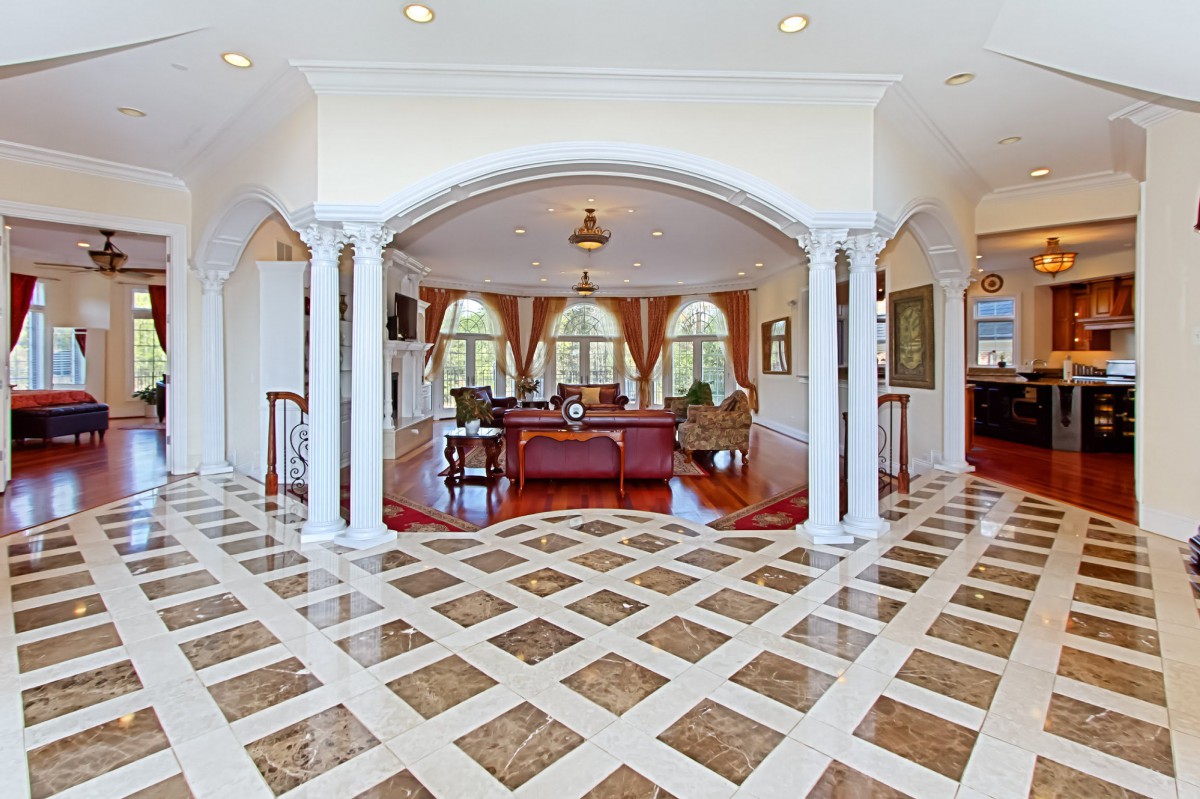
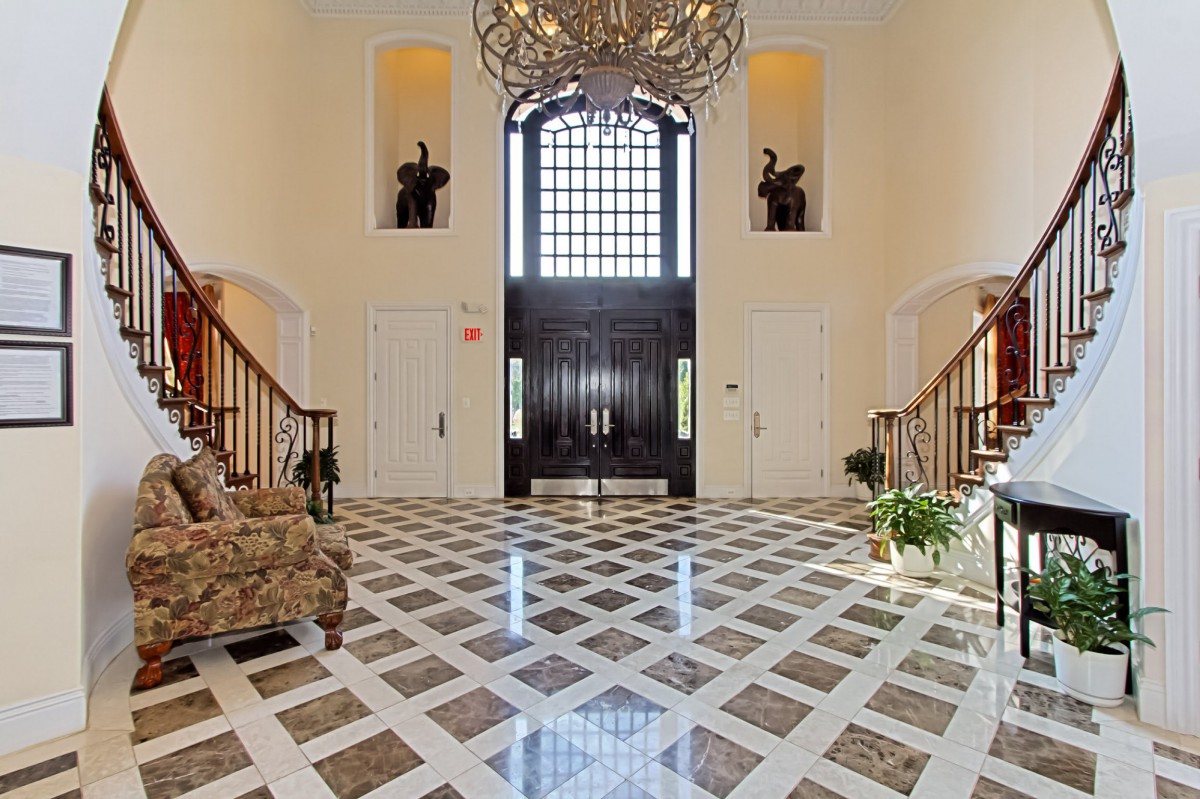
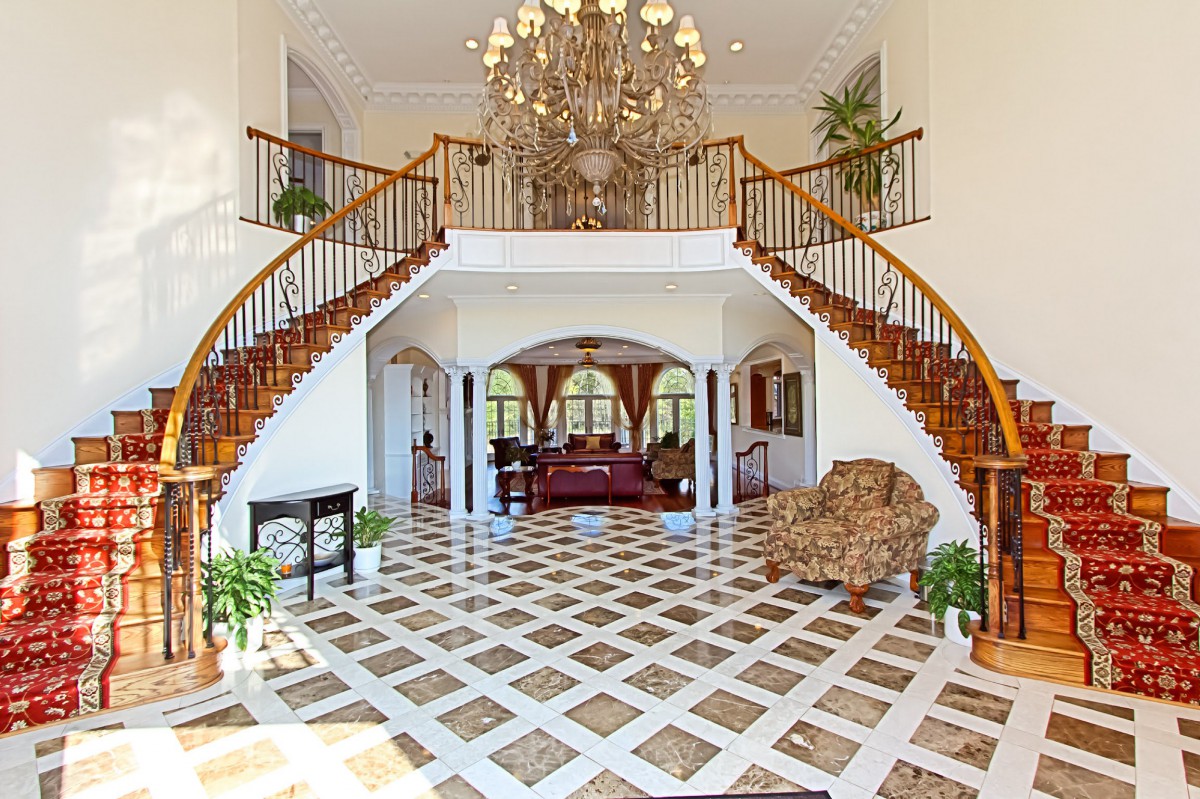
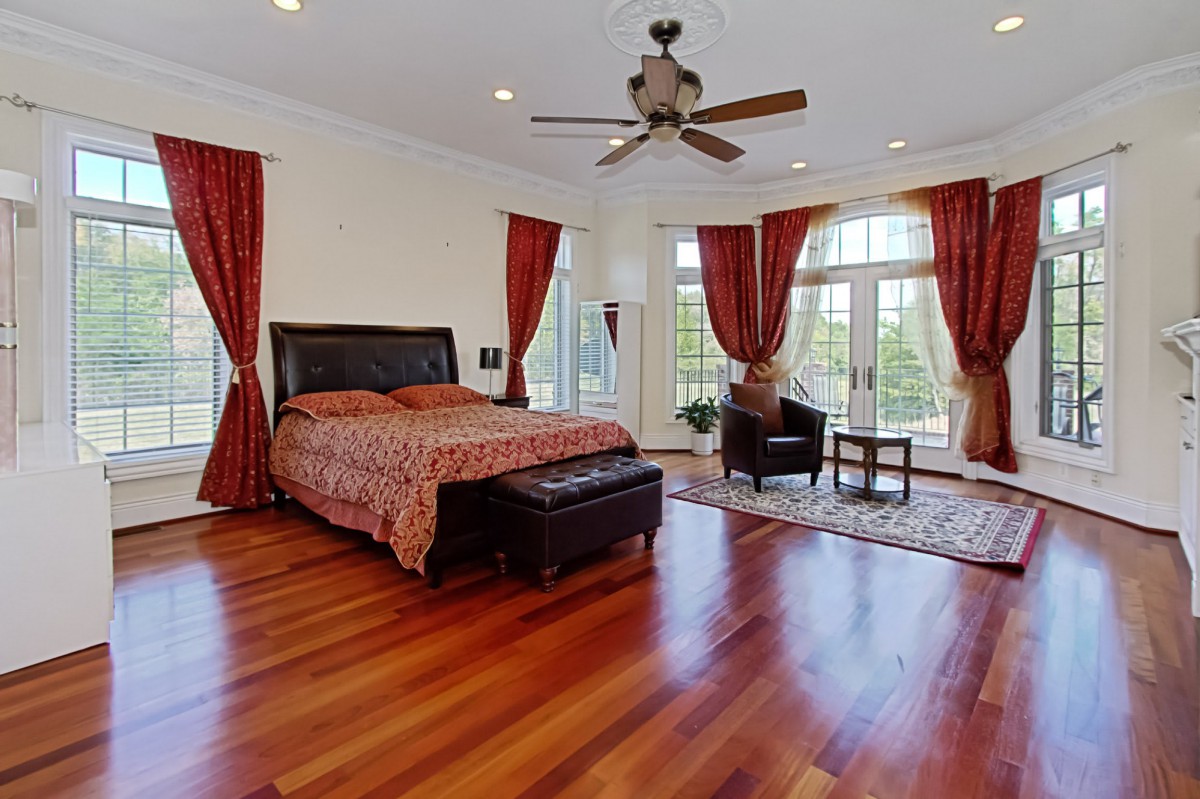
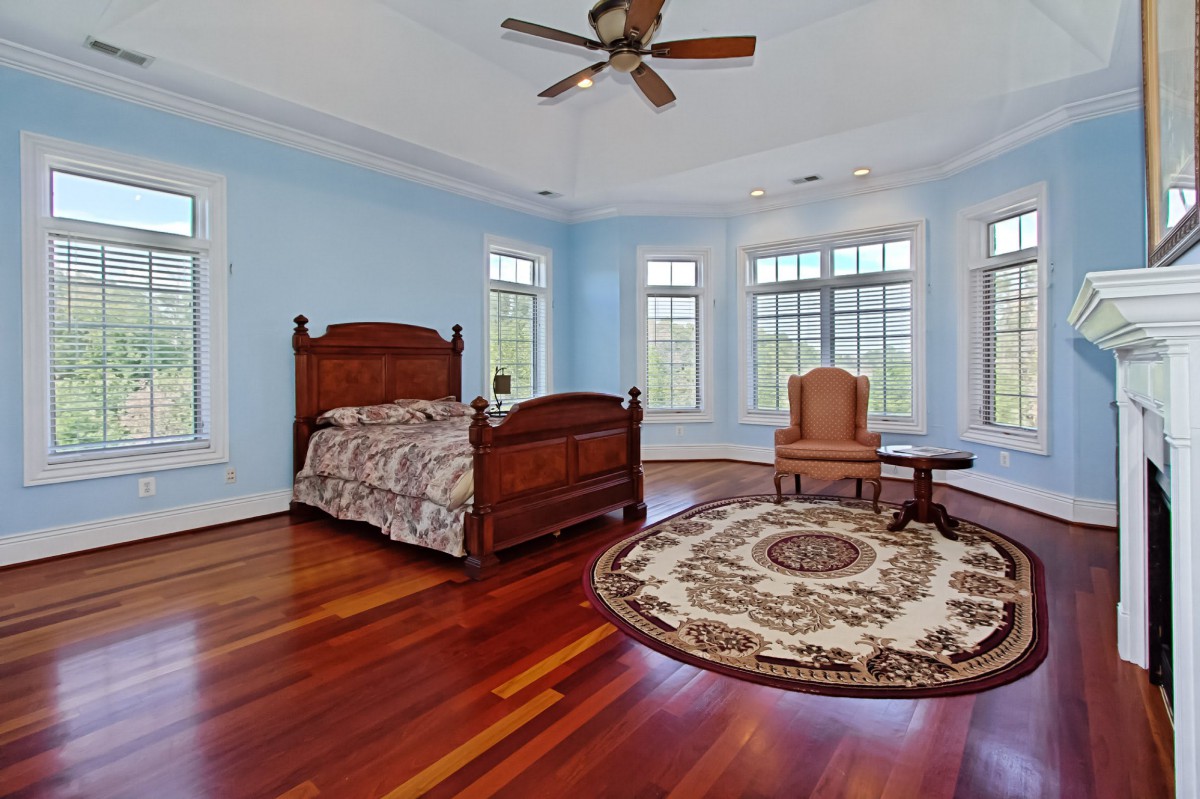
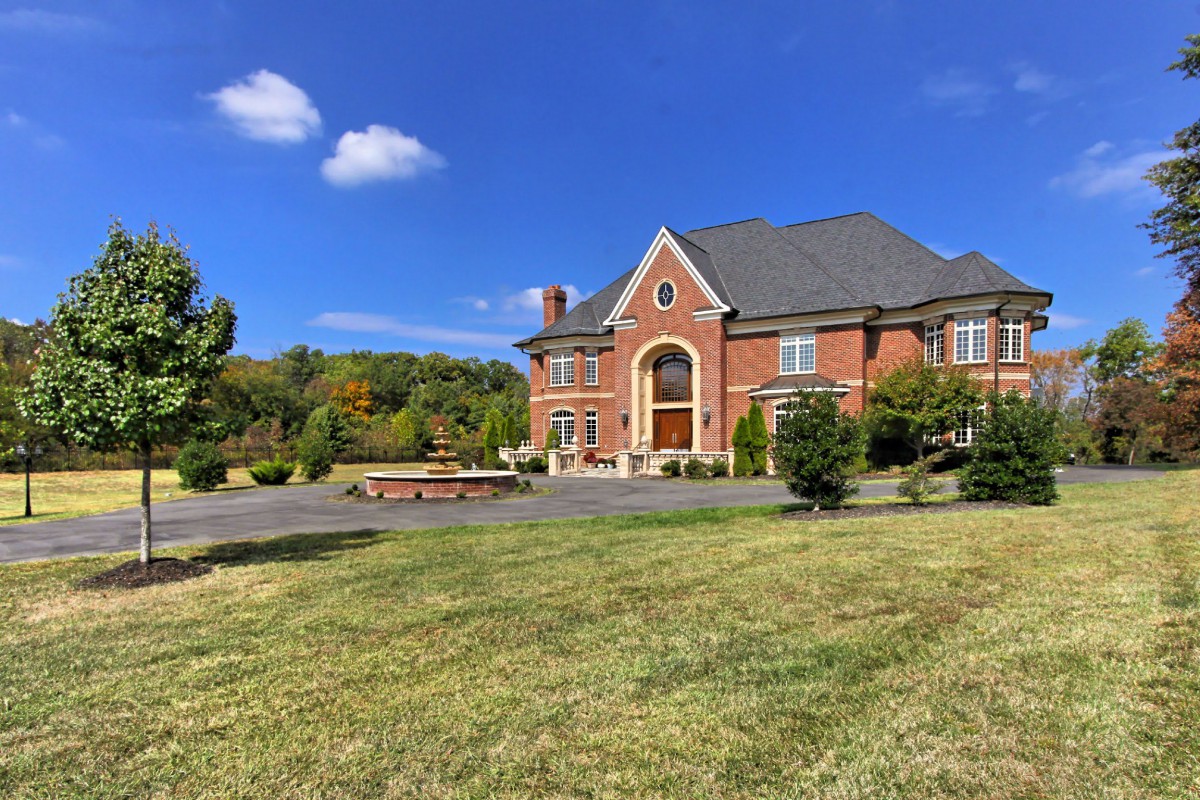
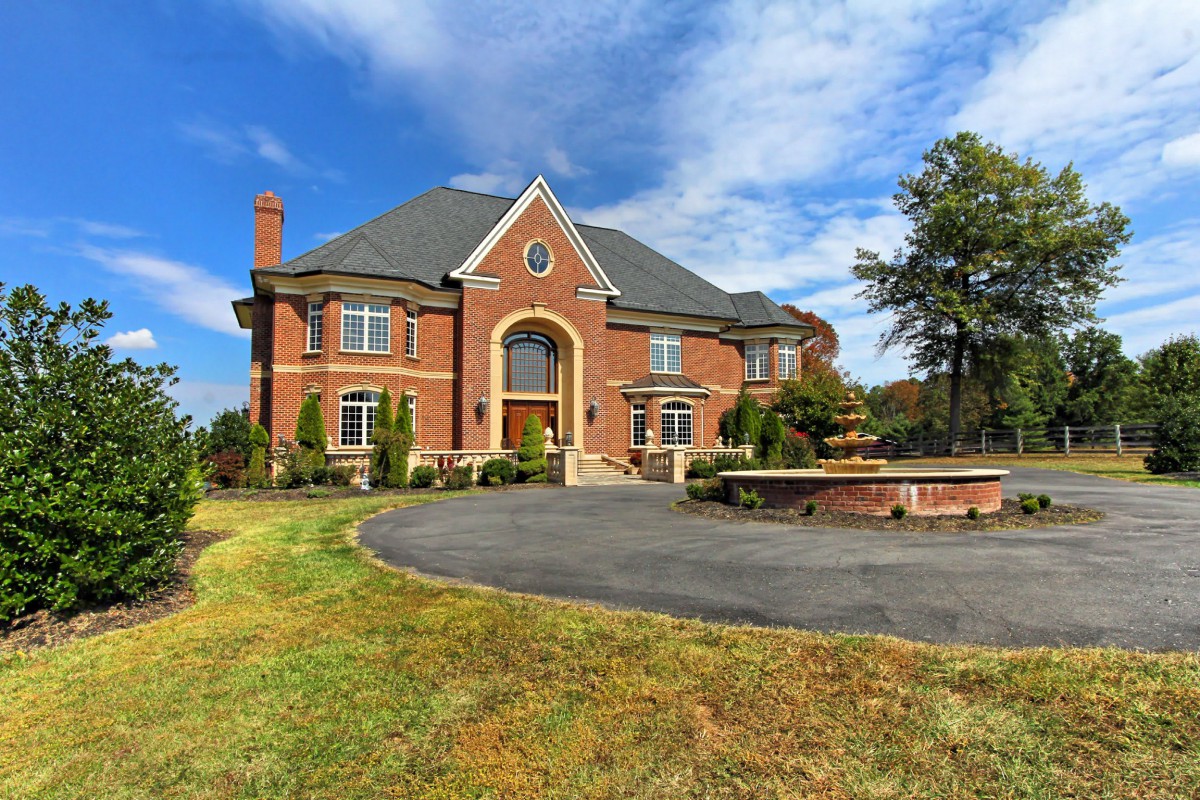
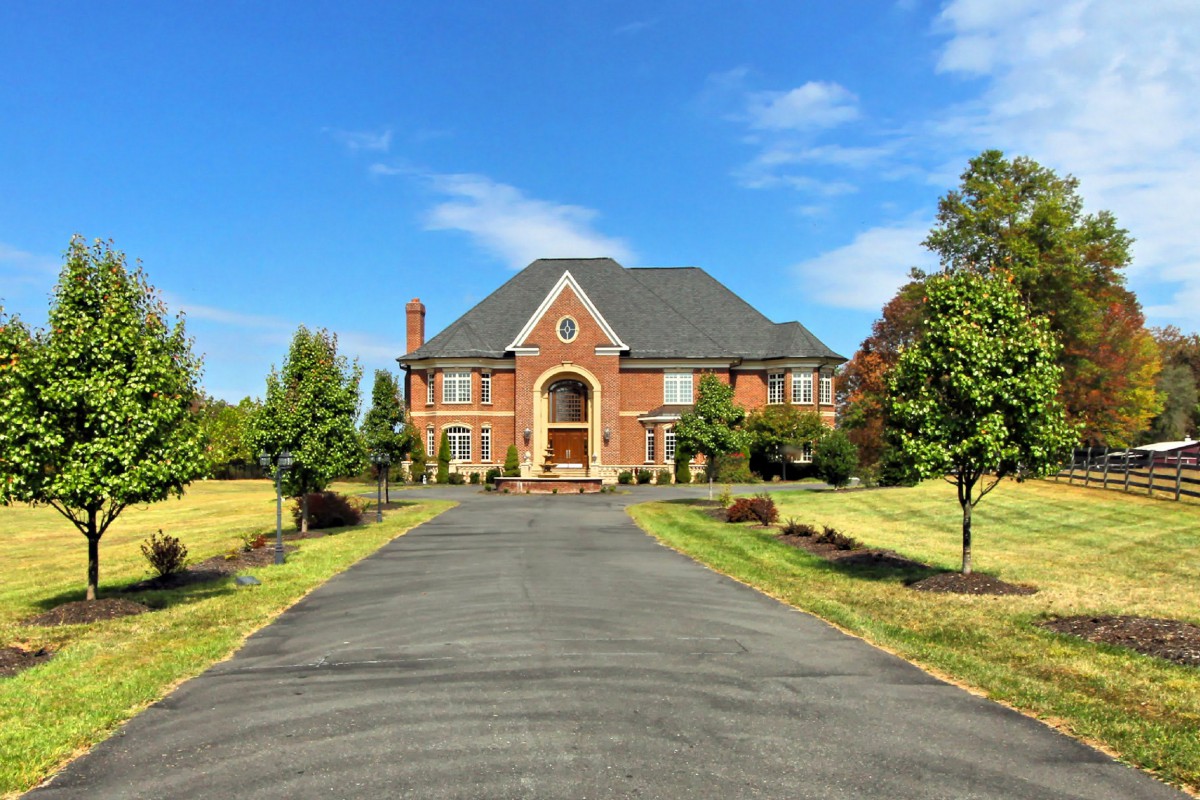
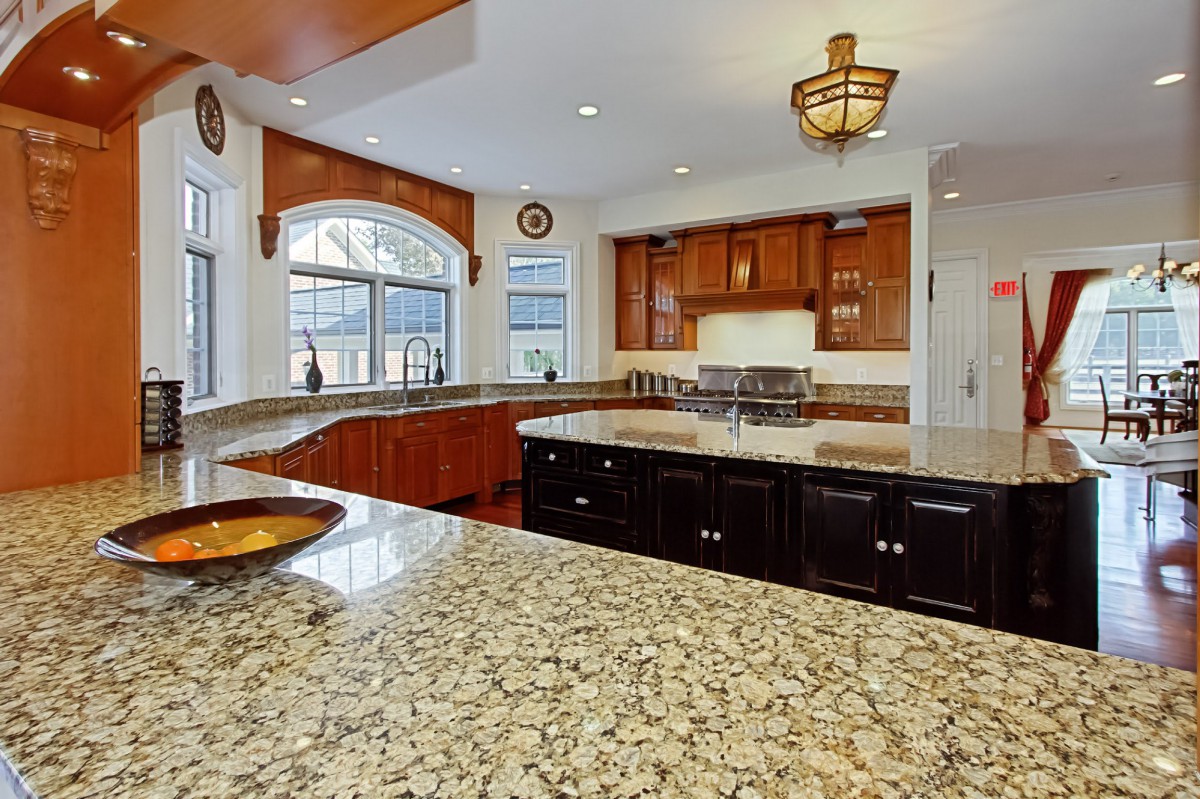
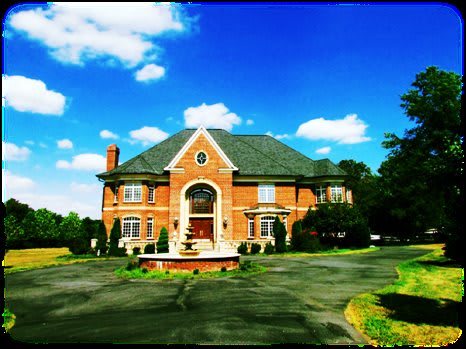
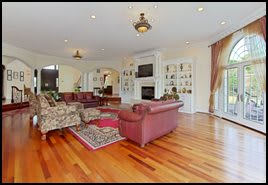
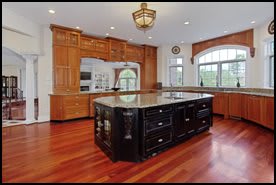
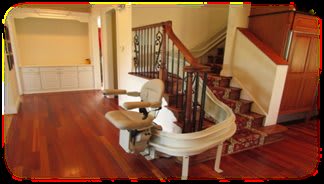
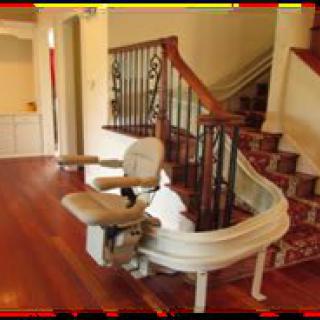
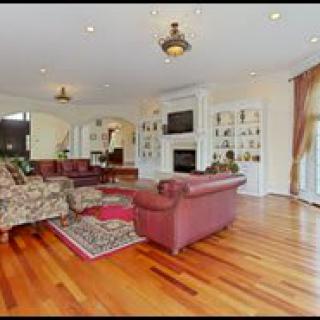
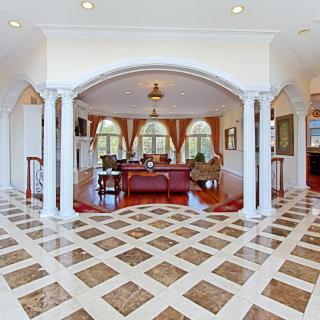
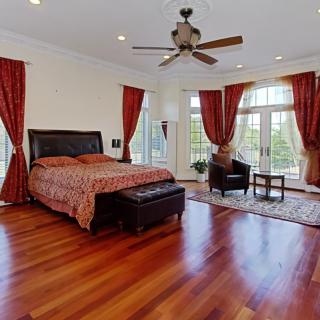
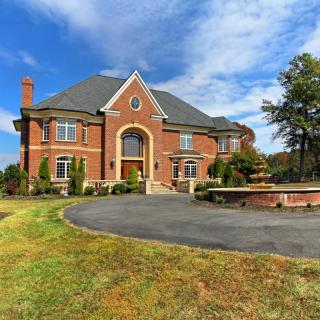
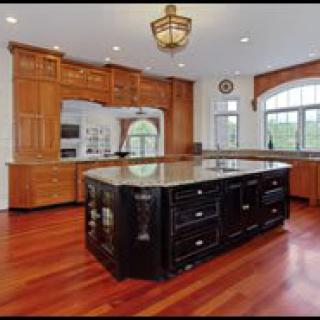
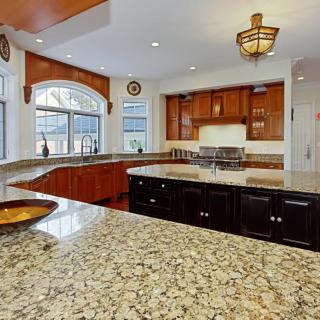
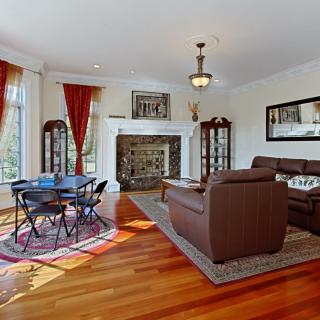
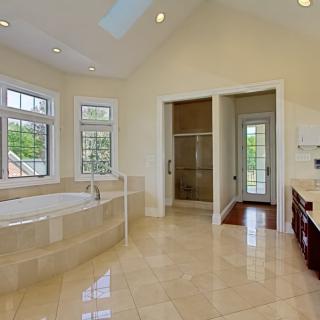
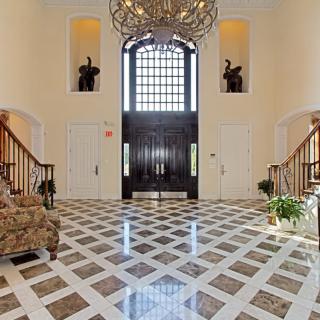
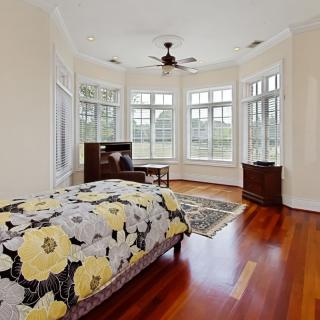
 The home is absolutely beautiful and open and airy.
- The staff are very friendly.
- Dennis, the manager, is a very knowledgeable gentleman in the business.
- Three rooms are currently available, and there is hope to move a loved one there soon.
- The place is so appealing that a resident would not want to leave.
- It is located in Great Falls, near Sterling, with a pleasantly surprising monthly fee.
Review
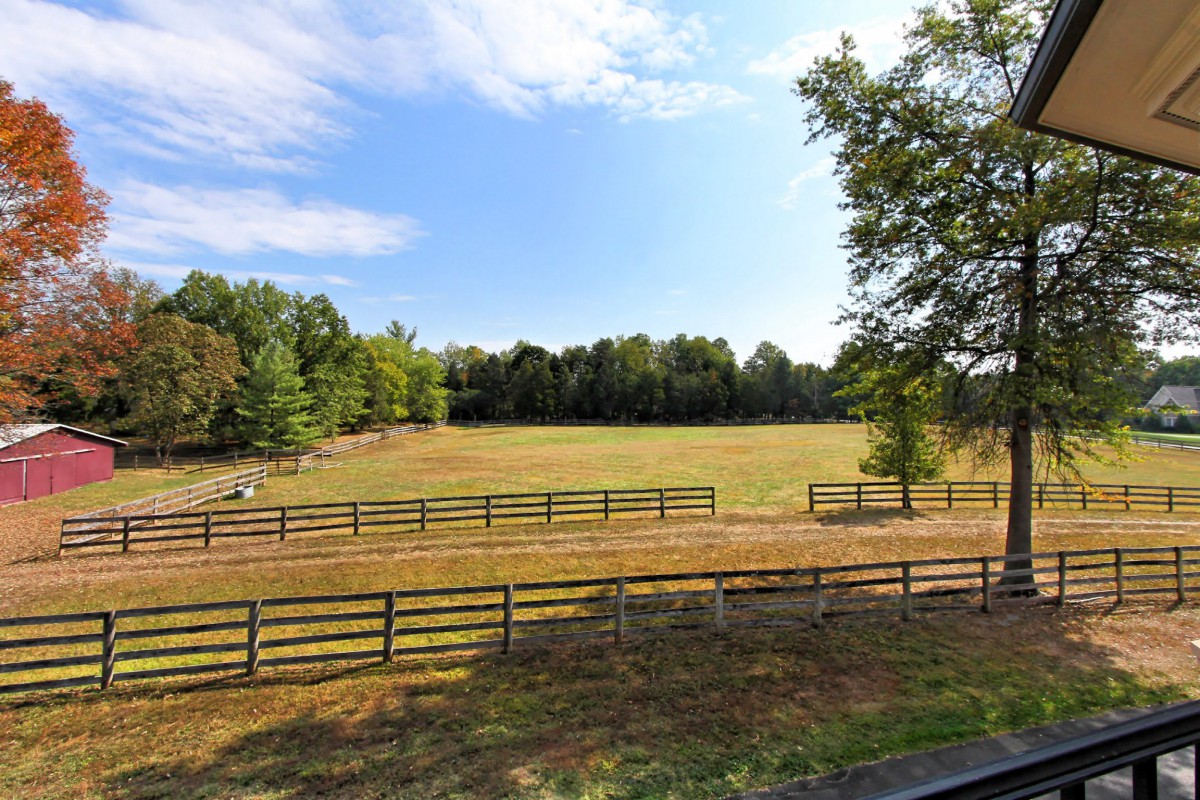
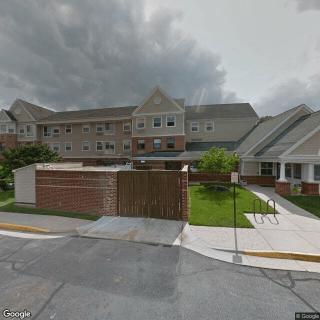
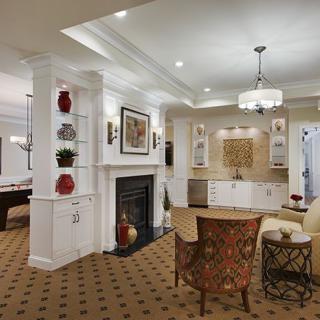
The Dominion House of Great Falls is best suited for families seeking a small, home-like assisted living option in the Northern Virginia fringe that can support short-term rehabilitation and transition care. This community shines for residents who need a focused, nonclinical environment to recover after injury or surgery while still having access to professional oversight. The setting is inviting, open, airy, and designed with a residential feel, and that atmosphere matters when a loved one needs to rebuild strength without the bustle of a larger campus. For families prioritizing a warm, personable touch from staff and a manager who takes a hands-on approach, this option is especially compelling.
Those who may want to consider alternatives are primarily individuals requiring long-term skilled nursing, memory care, or more extensive medical programming. A larger community with broader clinical offerings, more structured social calendars, and documented pathways for complex care will likely serve those needs better. The Dominion House appears well-suited for rehab-focused stays, but families pursuing continuous, 24/7 medical oversight or specialized dementia care may prefer facilities with documented memory-care programs and deeper clinical partnerships. Additionally, families that value a broad menu of activities and robust transportation options should verify that those services meet their expectations elsewhere if not at this property.
On the positive side, the standout strengths are clear and substantial. The architecture and design deliver an open, airy ambiance that feels like a thoughtfully crafted home rather than a sterile facility. Residents and visitors consistently report friendly staff and a manager, in this case, Dennis, who is described as knowledgeable and approachable. The availability of three rooms at any given time offers a sense of compact, personalized care where staff can know residents well and respond quickly. The location, near Great Falls and Sterling, possesses practical advantages for families commuting from nearby communities, and the monthly fee structure is described as pleasantly affordable, which can be a decisive factor for families weighing rehab-focused options against more expensive, larger communities.
Those pros offset the main concerns by delivering a care environment that prioritizes comfort, personal attention, and a clear point of accountability. The home-like setting reduces the emotional burden that comes with hospital-like environments, which can accelerate cooperation with therapy plans and adherence to daily routines. A proactive, knowledgeable manager can translate into smoother care coordination, timely therapy scheduling, and faster adjustments if goals shift during rehab. The intimate size implied by a small number of rooms generally means fewer resident-to-staff bottlenecks, which is particularly valuable during a rehab stay when constant encouragement and rapid response matter. The affordability angle also matters for families balancing rehab costs with other living expenses, making the overall package more attractive than what some larger sister facilities can command.
Nevertheless, risks require careful exploration before committing. The most tangible gap is the limited capacity and the absence of broader program detail in the available information. With only three rooms noted, there is little room for turnover or extended waits, which can become a constraint for a family needing a longer rehab period or larger family member participation in care planning. There is also no explicit data provided on memory care offerings, daily activity schedules beyond basic interaction, transportation arrangements, meals quality, or exact staff-to-resident ratios. The two reviews available come from similar sources and describe the same experiences, meaning the confidence level regarding consistency across different seasons and staff shifts remains modest. Prospective families should request current care plans, therapy schedules, and a clear outline of included services to prevent surprises.
In practical terms, the recommendation is clear. For a family seeking a graceful, affordable, rehab-oriented transition option with a strong local touch, The Dominion House of Great Falls presents a compelling choice worth prioritizing in the short list. It is especially appealing when the goal is a smooth recovery route with steady oversight, an approachable manager, and a home-like daily rhythm. However, for those whose priorities are long-term skilled nursing, memory care, broad programming, or larger-scale amenities and transportation networks, exploring alternatives will be prudent. A face-to-face tour focused on therapy availability, length-of-stay flexibility, and a transparent plan for ongoing care will seal whether this community truly fits the evolving needs of a loved one.
 Board and Care Home
 Activities off-site
 Bath tubs
 Beautician on-site
 Devotional services off-site
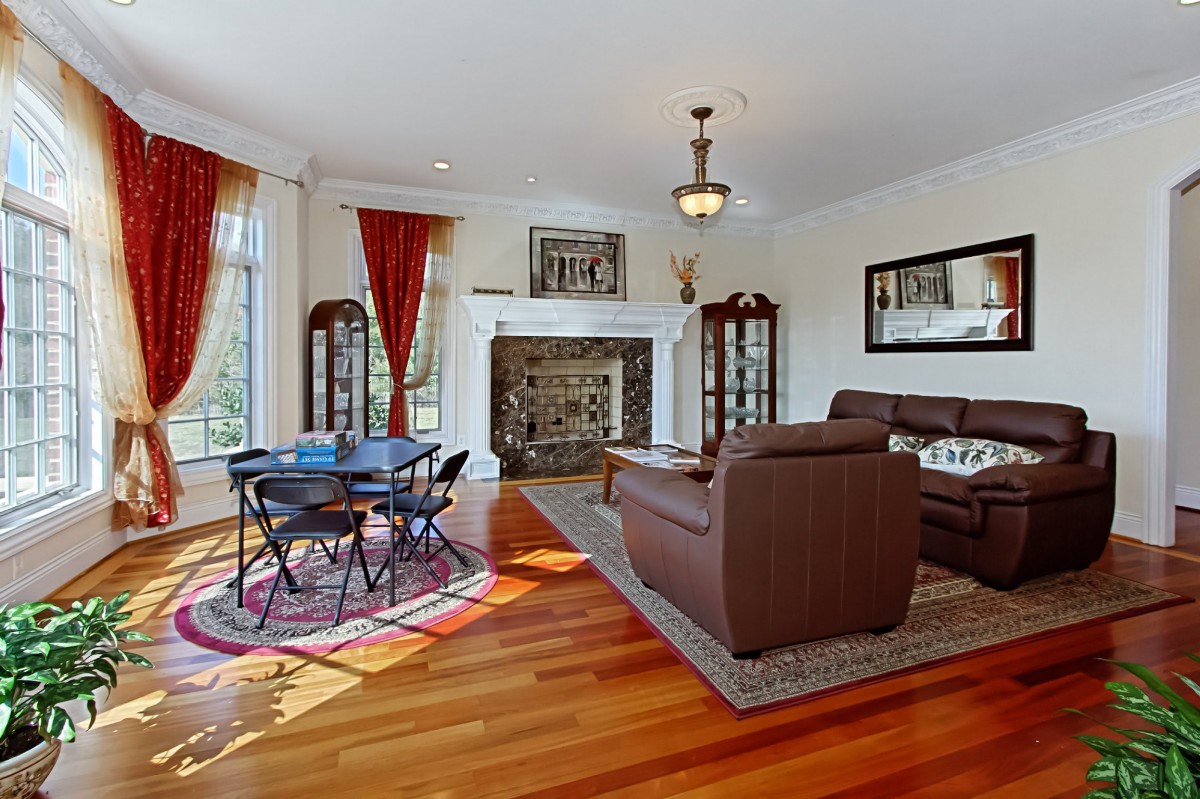
 Indoor common areas
 Outdoor common areas
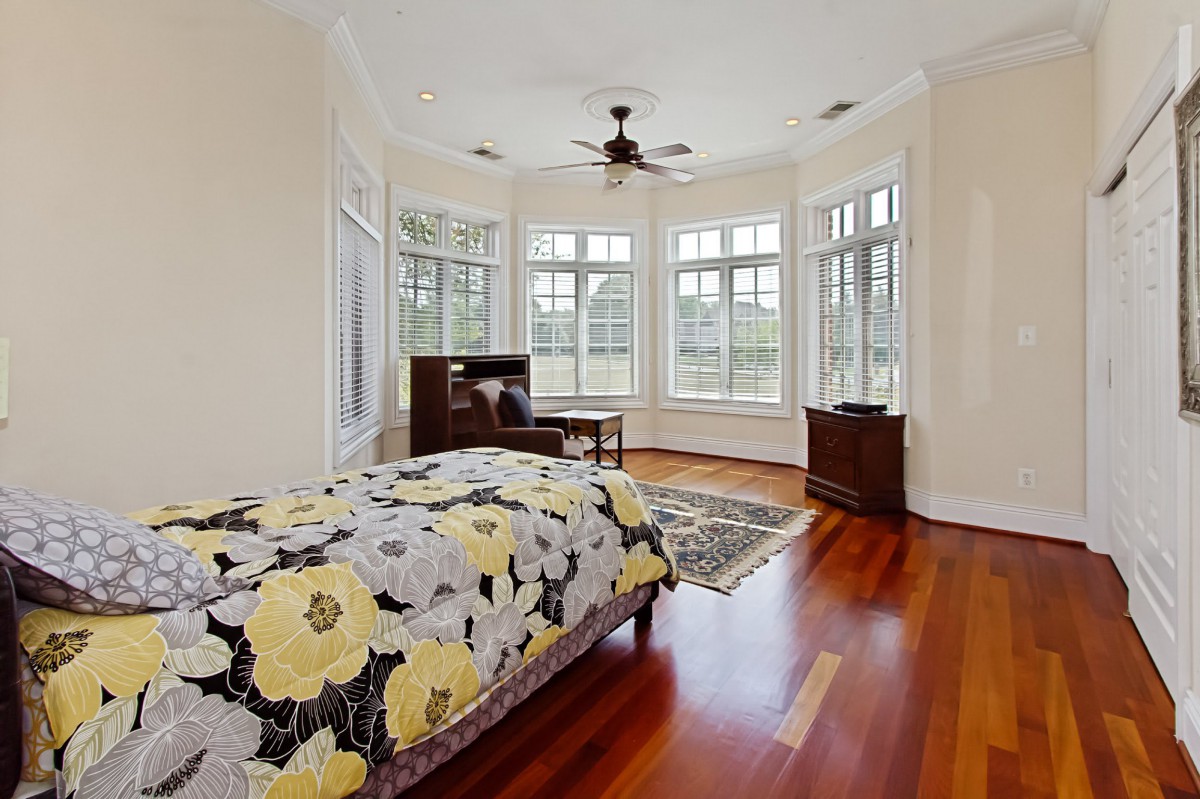
 Private
 Private bathrooms
 Respite or short term stays offered
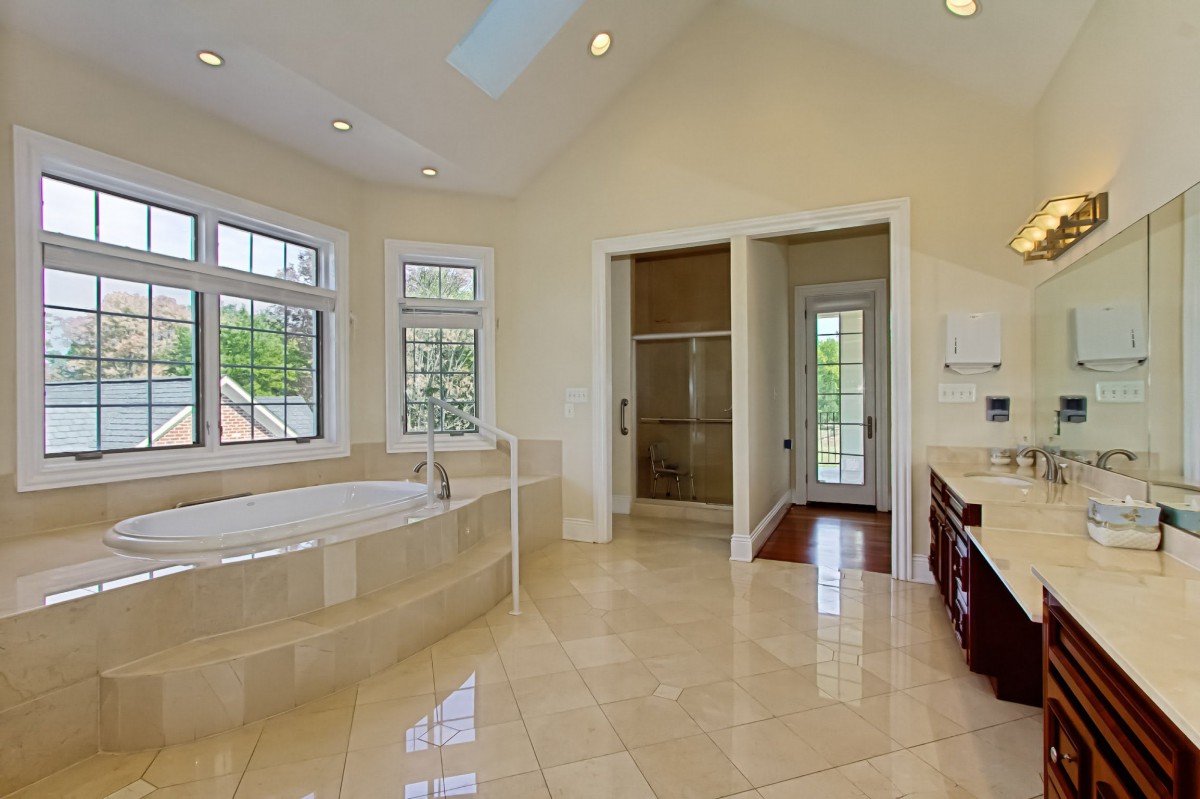
 Wheelchair accessible showers
 Washington Dulles International (7 miles away)
 Diabetic care
 High acuity care
 Incontinence care
 Medication management
 Meals provided

 8 Essential Assistive Devices for Older Adults
 Navigating the Financial Road to Nursing Home Care: In-Depth Guidance and Resources
 Supportive Employee Benefits That Help Caregivers Attain Better Work-Life Harmony