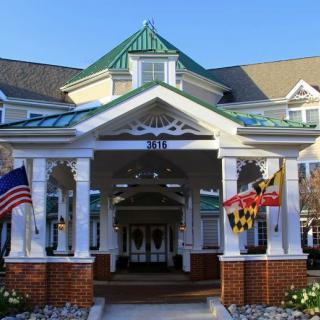
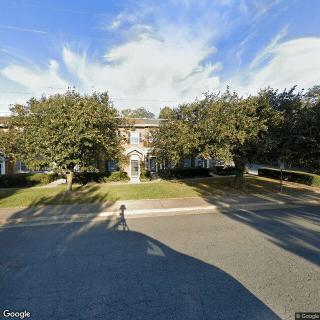
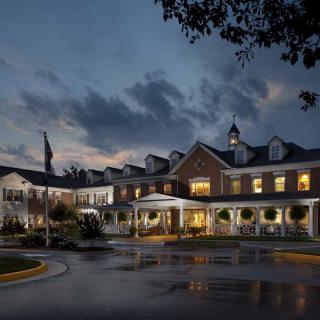
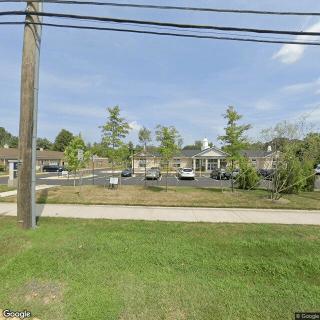
Sunrise at George Mason is an assisted living and memory care community in Fairfax, VA.
Information last verified:
4300 George Mason Boulevard, Fairfax, VA 22030
For more information about senior living options: (866) 208-4318
4.3 from 25 reviews
5 stars
19
4 stars
1
3 stars
1
2 stars
1
1 stars
3
Sunrise at George Mason Costs & Pricing
At Sunrise at George Mason, the monthly costs for various room types are thoughtfully positioned within the broader context of Fairfax City and the state of Virginia. For a semi-private room, residents can expect to pay $4,021, which is notably more affordable than the city average of $5,413 and aligns closely with the statewide average of $3,991. Private rooms are priced at $4,825, slightly above both local and state averages of $4,665 and $4,684 respectively. Studio apartments have a set cost of $5,227, again falling below Fairfax City's higher rate of $5,919 while remaining competitive against Virginia's average of $4,436. Finally, for those seeking more space in a two-bedroom setting at Sunrise at George Mason, the monthly fee is $6,500 - though this figure is higher than both the city's average of $7,570 and the state's average of $4,602. Overall, Sunrise at George Mason offers a range of options that balance quality care with thoughtful pricing in comparison to its immediate surroundings and Virginia as a whole.
Floor plans
Sunrise at George Mason
Fairfax city
Virginia
Semi-Private
$4,021
$5,413
$3,991
Private
$4,825
$4,665
$4,684
Studio
$5,227
$5,919
$4,436
2 Bedrooms
$6,500
$7,570
$4,602
Memory care communities with a similar price nearby
Nurses and nursing support are repeatedly described as knowledgeable and attentive.
Several residents describe a dedicated nursing presence and emphasize that nurses are knowledgeable and able to handle situations as they come up. One resident specifically points to in-house skilled nurses available 24/7, and others mention that nurses are professional, friendly, and responsive. This aligns with the way the community provides medication support and around-the-clock oversight for residents’ care needs.
differentiator3 reviews mention this
Memory care receives strong praise
The reminiscence team is described as especially caring and effective.
Residents and families highlight the reminiscence leadership, with mentions of Ed and the Reminiscence Coordinator showing care and compassion. One review says a loved one thrived in their care, and another specifically calls out Memory Care as wonderful. The community also offers specialized memory care programming and support for mild cognitive impairment, which fits what families describe during day-to-day care.
common16 reviews mention this
Caring, helpful staff stand out
Staff kindness and helpfulness are frequently mentioned in reviews.
Across multiple reviews, residents and families describe staff as friendly, welcoming, and caring. People also mention encouragement through stressful processes and say the team tries hard to make residents feel at home. Even when reviews raise concerns elsewhere, they often contrast that with the helpful staff members they encountered.
common6 reviews mention this
The facility is kept well maintained
Residents and visitors often describe the community as clean and well maintained.
Several reviews mention that the building and shared areas are well maintained, clean, and organized. Visitors also say they felt at ease because the community looked cared for. The community’s day-to-day housekeeping and a focus on a well-kept environment are reflected in the features it offers for comfort and support.
caveat3 reviews mention this
Communication and leadership can slip
Some reviews report gaps in follow-up and staffing consistency.
A few reviews describe challenges with consistent leadership and note that staffing can change quickly, including staff leaving abruptly and delays in replacement. Others report missed follow-up, like financial staff not returning calls, and one review says there was no one available at the concierge desk at the scheduled time. These issues appear alongside otherwise positive experiences, but they are recurring enough to be worth considering when planning a move.
How we summarize
Counts show how many written reviews mention each theme; a review can touch several themes, and only frequently mentioned themes are displayed.
Features
Housing
76 resident community capacity
Types of Care
Assisted Living
Memory Care
Respite Care
Amenities
Air-conditioning
Beauty salon
Cable or satellite TV
Computer center
Dining room
Fitness room
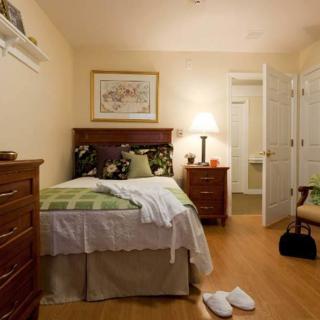
Fully furnished
Gaming room
Garden
Housekeeping services
Kitchenette
Move-in coordination
Outdoor space
Private bathrooms
Restaurant-style dining
Small library
Telephone
Wellness center
Wi-Fi/high-speed internet available
Transportation
Washington Dulles International (11 miles away)
Ronald Reagan Washington National (15 miles away)
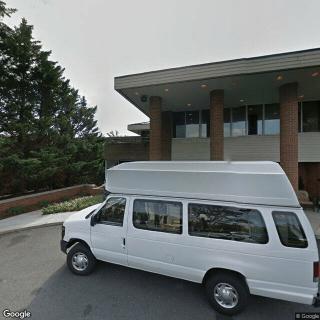
Community operated transportation
Transportation arrangement
Transportation arrangement (non-medical)
Transportation to doctors appointments
Care Services
12-16 hour nursing
24-hour call system
24-hour supervision
Activities of daily living assistance
Assistance with bathing
Assistance with dressing
Assistance with transfers
Diabetes diet
Meal preparation and service
Medication management
Mental wellness program
Mild cognitive impairment
Special dietary restrictions
Specialized memory care programming
Dining
Diabetes diet
Special dietary restrictions
Activities
Community-sponsored activities
Concierge services
Fitness programs
Planned day trips
Resident-run activities
Scheduled daily activities
Nearby Places of Interest
Cafes
Starbucks (0.3 miles)
Peet's Coffee and Tea (2.9 miles)
Starbucks (3.3 miles)
Starbucks (4.7 miles)
Mom & Pop (4.9 miles)
Simply Social Coffee (4.9 miles)
Starbucks (5 miles)
Pharmacies
CVS Pharmacy (0.8 miles)
CVS Pharmacy (1.3 miles)
Wegmans (2.2 miles)
Walgreens (3.3 miles)
CVS Pharmacy (3.4 miles)
CVS Pharmacy (3.5 miles)
CVS Pharmacy (3.6 miles)
Physicians
Otolaryngology Associates, PC (0.9 miles)
Burke Allergy & Asthma Center (3.6 miles)
Eye Specialists and Surgeons of Northern Virginia (3.9 miles)
Fairfax Allergy (4.2 miles)
Virginia Heart (5.2 miles)
Fairfax Pediatric Associates (5.7 miles)
Fairfax Radiolgy Consultants Centreville/Clifton Imaging Center (6.8 miles)
Parks
Van Dyck Park (1.1 miles)
Fairfax Memorial (1.4 miles)
Daniels Run Park (1.6 miles)
FairLakes Townhouse Playground (3.7 miles)
Burke Lake Park (5.4 miles)
Lake Accotink Park (5.9 miles)
Foxstone Park (6 miles)
Restaurants
McDonald's (1.7 miles)
Freddy's Frozen Custard & Steakburgers (2 miles)
McDonald's (2 miles)
Chick-Fil-A (2.6 miles)
Ozzie's Good Eats (2.8 miles)
IHOP (2.8 miles)
Wendy's (3.6 miles)
Places of Worship
Islamic Center Northern Virginia Trust (1.8 miles)
At Sunrise at George Mason, the monthly costs for various room types are thoughtfully positioned within the broader context of Fairfax City and the state of Virginia. For a semi-private room, residents can expect to pay $4,021, which is notably more affordable than the city average of $5,413 and aligns closely with the statewide average of $3,991. Private rooms are priced at $4,825, slightly above both local and state averages of $4,665 and $4,684 respectively. Studio apartments have a set cost of $5,227, again falling below Fairfax City's higher rate of $5,919 while remaining competitive against Virginia's average of $4,436. Finally, for those seeking more space in a two-bedroom setting at Sunrise at George Mason, the monthly fee is $6,500 - though this figure is higher than both the city's average of $7,570 and the state's average of $4,602. Overall, Sunrise at George Mason offers a range of options that balance quality care with thoughtful pricing in comparison to its immediate surroundings and Virginia as a whole.
The features offered at Sunrise at George Mason are designed to comprehensively support residents with dementia or Alzheimer's disease, ensuring their safety, comfort, and overall well-being. Assistance with dressing and bathing promotes personal hygiene and dignity, while medication management helps ensure that individuals receive correct dosages on time, minimizing potential health risks. Meal preparation and service cater to nutritional needs while encouraging social interaction during dining. Furthermore, assistance with transfers enhances mobility and reduces the risk of falls. The provision of 24-hour supervision ensures constant support, addressing any immediate needs that may arise. The mental wellness program focuses on cognitive engagement, crucial for maintaining mental acuity in residents experiencing mild cognitive impairment. Lastly, specialized memory care programming is tailored to the unique challenges faced by residents, fostering a supportive environment that promotes independence while ensuring safety and stability. These integrated services collectively create a nurturing atmosphere conducive to enhancing quality of life for individuals living with memory loss.
Nearby Communities
Life Matters
Fairfax, VA
4.6 from 14 reviews
Strong access to healthcare and nearby amenities.
Accessible Home Health Care of Northern Virginia
Fairfax, VA
4.5 from 2 reviews
Reliable, compassionate care with flexible scheduling.
Options for Senior America - Falls Church
Falls Church, VA
4.7 from 20 reviews
Reliable, friendly caregivers with responsive management and flexible scheduling.
Aging Gracefully Senior Care
Fairfax, VA
3.8 from 12 reviews
$2,200 / month
Very affordable private-room pricing at $2,200/mo compared with Fairfax/VA averages.
Capital Home Care
Fairfax, VA
Vibrant community with abundant nearby amenities and healthcare access.
Fairfax Rehabilitation And Nursing Center
Fairfax, VA
3.6 from 140 reviews
Helpful Director of Social Services and admissions staff; clean appearance during visits.
The Gardens at Fair Oaks
Fairfax, VA
4.4 from 35 reviews
$5,450 to $10,000 / month
Beautiful, well-maintained community with friendly staff and engaging activities.
Renaissance of Annandale
Annandale, VA
4.8 from 39 reviews
$7,499 to $8,499 / month
Caring staff with effective medication management and engaging memory-care programming.
Tysons Woods
Vienna, VA
4.7 from 33 reviews
$5,500 / month
Beautiful, home-like setting with attentive, around-the-clock staff.
Dementia encompasses a range of cognitive impairments characterized by types such as Alzheimer's and vascular dementia, and follows a seven-stage progression model known as the Global Deterioration Scale (GDS), highlighting varying symptoms and decline timelines. Early detection allows for lifestyle adjustments to potentially slow progression, while caregivers need support and resources to manage the challenges involved in caring for affected individuals.
The guide on holistic dementia care outlines the complexity of dementia and stresses the need for individualized caregiver strategies that include medical treatment, psychological support, and environmental adaptations, while emphasizing early detection, various therapeutic options, and caregiver support to enhance quality of life and maintain dignity.
Activities of Daily Living (ADLs) are fundamental tasks vital for an individual's independence, particularly in older adults over 85, and include functions like bathing and dressing; assessing ADLs alongside Instrumental Activities of Daily Living (IADLs) helps determine the level of required assistance due to age-related health challenges. Tailored support plans, involving family and community resources, are essential for maintaining dignity and autonomy in assisted living environments.
Get PricingAsk A QuestionSchedule A TourContact Senior Advisor
By clicking submit, you agree to our Partner's Terms of Use. You
also consent to receive calls and texts, which may be autodialed, from our Partner. Your consent is not a condition to
using our Partner's service. Please visit our Partner's Privacy Policy for information about their privacy practices.

 76 resident community capacity
 Assisted Living
 Memory Care
 Respite Care
 Air-conditioning
 Beauty salon
 Cable or satellite TV
 Computer center
 Dining room
 Fitness room
 Fully furnished
 Gaming room
 Garden
 Housekeeping services
 Kitchenette
 Move-in coordination
 Outdoor space
 Private bathrooms
 Restaurant-style dining
 Small library
 Telephone
 Wellness center
 Wi-Fi/high-speed internet available
 Washington Dulles International (11 miles away)
 Community operated transportation
 12-16 hour nursing
 24-hour call system
 Activities of daily living assistance
 Assistance with bathing
 Assistance with dressing
 Assistance with transfers
 Diabetes diet
 Medication management
 Mental wellness program
 Special dietary restrictions
 Concierge services
 Planned day trips
 Strong access to healthcare and nearby amenities.

 Understanding Dementia Through Its Seven Stages: A Comprehensive Look at Progression and Expectations
 A Holistic Dementia Care Guide: Effective Strategies for Memory Support
 Comprehensive Insights into Activities of Daily Living (ADLs) and Their Assessment