

751 Hillsdale Drive, Charlottesville, VA 22901
For more information about senior living options: (866) 208-4318
Overall Review of Our Lady of Peace Retirement Community
Pros
 The facility is clean and has an amazing staff.
- Dana and Lori are incredible to work with, offering kindness and thoughtfulness that help residents feel comfortable and part of the community.
- People feel at home at Our Lady of Peace.
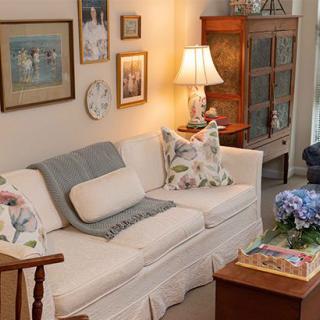
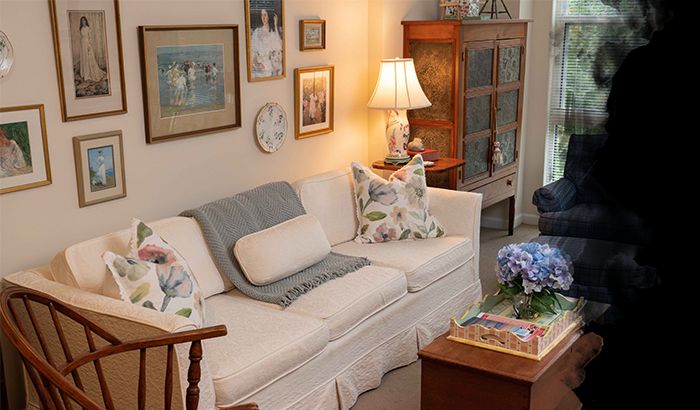
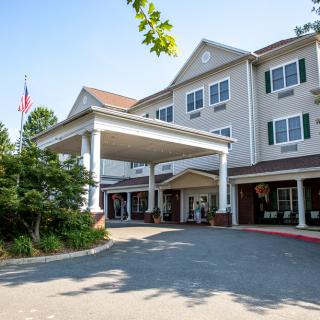
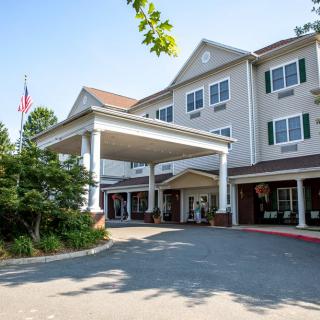
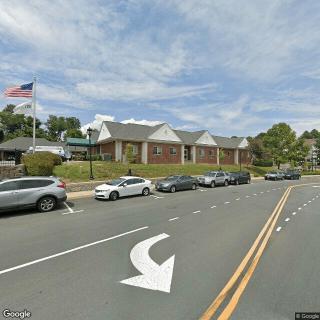
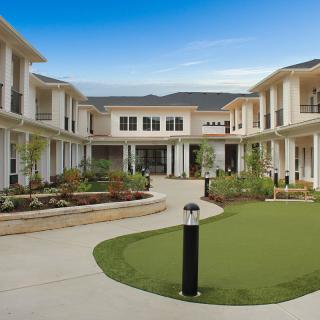
- The grounds and apartments are home-like, well-maintained, and efficiently designed, with an easy transition from independent living to higher levels of care.
- Management and staff consistently go above and beyond in safety, resident engagement, and family communication.
- The dining program features varied menus, fresh fruits and vegetables, and meals prepared by a chef.
- Our Lady of Peace provides exemplary care across independent, assisted, and dementia care, with a personal, friendly environment and comprehensive amenities.
Cons
 The facility is overrated as a nursing home.
- They overpromise and under-deliver.
- A resident was found covered in feces and the room was saturated with urine.
- A staff member ignored a resident's meal requests.
- They attempted to discharge a resident due to ambulatory status without a proper plan.
- The care did not meet five-star standards for the price.
- The food was terrible.
Review
This community is best suited for families seeking a single campus that can grow with a loved one’s needs, from independent living to assisted living and memory care, without uprooting the resident. Its strongest fit is for those who value a warm, home-like atmosphere, convenient on-site care options, and ongoing personal attention from staff that translates into reliable family communication. For families prioritizing continuity of care in a neighborhood-friendly setting, this is a practical, less-disruptive path that preserves familiar routines while expanding services as dementia or mobility needs evolve.
Alternatives are worth considering for several indicators. If dining quality and consistency are paramount, some families report mixed experiences, with reviews ranging from “excellent, chef-prepared menus” to persistent concerns about meals and responsiveness to dietary needs. If pristine luxury or a flawless safety record is non-negotiable, the campus may not satisfy every premium expectation. A subset of critics raises red flags about oversight and cleanliness in extreme cases, suggesting that this option may not be ideal for those who require an unassailable track record or labor-intensive intervention during acute shifts in behavior.
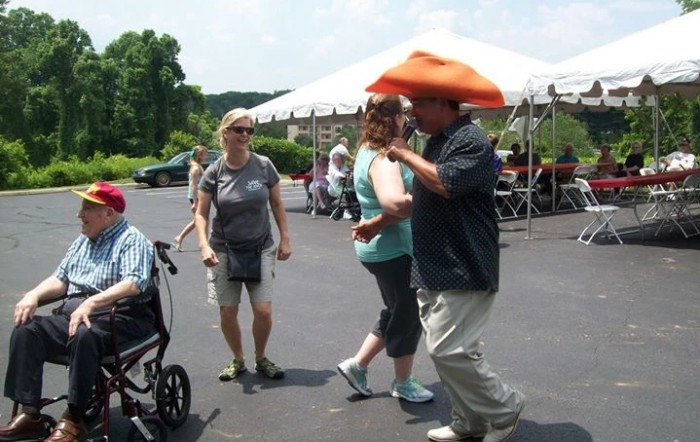
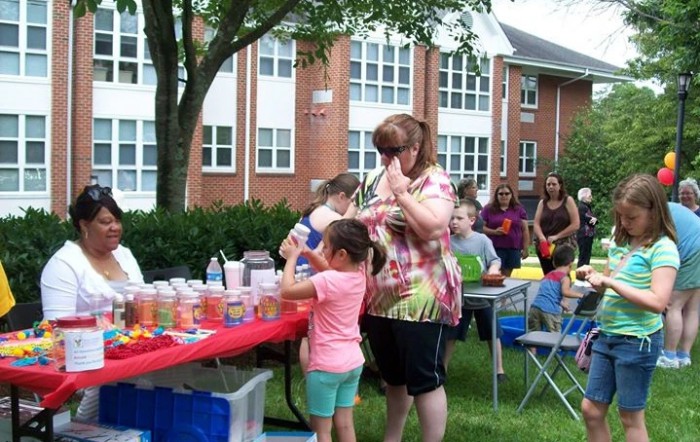
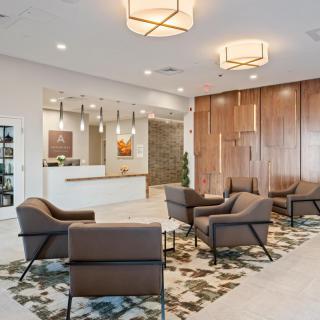
The core strengths of Our Lady of Peace lie in its embedded care continuum, staff devotion, and the sense of community that families repeatedly credit. Residents can transition in place across independent, assisted, and memory care, which minimizes moves and preserves familiar surroundings during decline or progression. The staff, notably caregivers and administrators cited by families, often earns praise for kindness, proactive engagement, and clear, ongoing family updates. The facility’s design, well-maintained grounds, easy navigation, accessible elevators, and comfortably sized spaces, supports socializing, safety, and daily routines. On-site amenities like a theater, library, varied activity programs, and even therapy staff contribute to an active, engaged environment that many families find valuable.
On the downside, dining and day-to-day operations receive the most divergent feedback. Several residents and family members report meal-service issues, with some praising fresh, varied menus and others recounting experiences of cold or rubbery food and perceived indifference to individual dislikes. Instances of perceived mismanagement or slow responsiveness, whether around meals or care planning, appear in a minority of reviews, including concerns about discharge planning and safety incidents. While those are not universal, they are meaningful for families evaluating peace of mind alongside affordability. The mix is a reminder that a strong reputation for care does not automatically erase every service-level inconsistency.
Taken together, the balance of pros and cons points to a practical calculus: for families who prize a continuum of care, accessible campus amenities, and genuine staff warmth, Our Lady of Peace delivers a credible, homey option with real potential for long-term scalability. The most compelling offset to the weaker aspects is the facility’s integrated approach to independent-to-memory-care living, reinforced by attentive staff and consistent family communication. If that continuity matters, the positives can far outweigh the negatives, especially for those who can tolerate occasional dining variability or staffing quirks with open channels for problem-solving.
A decision framework helps crystallize next steps. Schedule a on-site tour focused on how the independent-to-assisted-to-memory-care transitions actually unfold for a loved one, and ask to speak with both long-tenured staff and current residents’ families about safety, cleanliness, and meal service. Review the current menu options in depth, verify what’s included in monthly fees, and pressure-test the process for adjusting care plans as needs evolve. Visit during activities to gauge engagement and talk candidly with the activities director, nursing staff, and administration about communication rhythms and emergency protocols. Finally, compare the campus against a couple of alternatives that emphasize luxury, a more stringent dining program, or a different pace of activity, to determine which environment aligns most closely with the family’s expectations and the loved one’s preferences.
 140 resident community capacity
 1-bedroom apartments
 Assisted Living
 Memory Care
 Respite Care
 Skilled Nursing Facility
 Air-conditioning
 Beauty salon
 Cable or satellite TV
 Computer center
 Dining room
 Fitness room
 Full kitchen
 Fully furnished
 Gaming room
 Garden
 Housekeeping services
 Move-in coordination
 Outdoor space
 Party space
 Private bathrooms
 Restaurant-style dining
 Security gate
 Small library
 Telephone
 Wellness center
 Wi-Fi/high-speed internet available
 Charlottesville-Albermarle (5 miles away)
 Community operated transportation
 12-16 hour nursing
 24-hour call system
 Activities of daily living assistance
 Assistance with bathing
 Assistance with dressing
 Assistance with transfers
 Diabetes diet
 Hospice waiver
 Medication management
 Mental wellness program
 Physical therapy
 Special dietary restrictions
 Transportation arrangement (medical)
 Concierge services
 Planned day trips
 Religious services
 English
 When to Transition from Assisted Living to Memory Care: Key Indicators, Steps, and Finding the Right Community
 Understanding the Distinctions: Assisted Living and Memory Care Explained
 How to Communicate with a Loved One Living with Dementia: 10 Supportive Strategies