For more information about senior living options: (866) 208-4318
4.6 from 49 reviews
5 stars
38
4 stars
8
3 stars
1
2 stars
0
1 stars
2
Hickory Hill Retirement Community Costs & Pricing
Hickory Hill Retirement Community offers competitive pricing in comparison to both Prince Edward County and the broader Virginia market. For a semi-private room, residents can expect to pay $2,787 monthly, which is notably higher than the county average of $2,381 but significantly lower than the state average of $3,991. Studio accommodations at Hickory Hill are priced at $3,413, aligning closely with the county's rate of $3,079 while still trailing behind Virginia's average of $4,436. In contrast, the 1-bedroom option is priced at $6,540, a figure that starkly exceeds both local and state averages - $2,933 in Prince Edward County and $4,257 statewide. Overall, Hickory Hill presents a mixed cost structure that may appeal to potential residents depending on their specific needs and budget considerations.
Floor plans
Hickory Hill Retirement Community
Prince Edward County
Virginia
Semi-Private
$2,787
$2,381
$3,991
Studio
$3,413
$3,079
$4,436
1 Bedroom
$6,540
$2,933
$4,257
Overall Review of Hickory Hill Retirement Community
differentiator12 reviews mention this
Memory care gets strong praise
Residents and families describe memory care staff as attentive and reassuring.
Several reviews focus on memory care, with families saying staff handle difficult situations with patience and keep residents engaged with activities. People also describe structured routines and clear communication about how a loved one is adjusting. A number of reviewers say the memory care environment feels calm and supportive, and that their loved one appears happier with the care provided.
common30 reviews mention this
Care teams feel responsive
Across reviews, the care team is consistently described as caring and responsive.
Many reviewers say staff are attentive to individual needs and keep families informed, including during transitions and day-to-day care. Multiple people mention nurses and caregivers being kind, respectful, and patient, and they describe staff making time to engage residents. There is also a negative review about staff departures tied to administration, so while the overall tone is positive, the experience is not described as uniformly smooth.
common10 reviews mention this
Meals are described as fresh
Families frequently praise the quality and freshness of meals.
Reviews commonly mention meals being fresh and homemade, with residents encouraged to eat and enjoy regular meals and snacks. Several people describe dining as a meaningful part of the day, including support with appetite and timing. This aligns with the community offering restaurant-style dining and meal service options that support special diets.
common14 reviews mention this
Clean, home-like atmosphere stands out
Reviews repeatedly highlight cleanliness and a home-like feel.
A consistent theme is that the facility looks and feels clean, organized, and well-kept, including in memory care areas. Multiple reviewers also describe an atmosphere that feels more like home than a typical facility, supported by inviting common spaces and outdoor areas. One review is an exception mentioning bedbugs, which is a serious concern compared with the many positive sanitation comments.
caveat2 reviews mention this
Pricing feels like best value
Pricing is described as affordable by some reviewers, but unit costs can run high relative to benchmarks.
Only a couple of reviews speak directly to cost, including one that calls the monthly fee affordable and another describing the community as a strong value compared with alternatives toured. At the same time, the pricing range sits above county benchmarks for some unit types, which may still affect what families consider affordable depending on the room selected.
How we summarize
Counts show how many written reviews mention each theme; a review can touch several themes, and only frequently mentioned themes are displayed.
Features
Housing
90 resident community capacity
1-bedroom apartments
2-bedroom apartments
Studio apartments
Types of Care
Assisted Living
Independent Living
Memory Care
Amenities
Activities off-site
Activities on-site
Air-conditioning
Bath tubs
Beautician on-site
Beauty salon
Cable or satellite TV
Computer center
Devotional services off-site
Devotional services on-site
Dining room
Fitness room
Fully furnished
Gaming room
Garden
Ground floor units
Handicap accessible
Housekeeping services
Indoor common areas
Kitchenette
Move-in coordination
Outdoor common areas
Outdoor space
Private bathrooms
Respite or short term stays offered
Restaurant-style dining
Small library
TV room
Telephone
Wellness center
Wheelchair accessible showers
Wi-Fi/high-speed internet available
Transportation
Community operated transportation
Transportation & parking
Transportation arrangement
Transportation arrangement (non-medical)
Transportation to doctors appointments
Care Services
12-16 hour nursing
24-hour call system
24-hour supervision
Activities of daily living assistance
Assistance with bathing
Assistance with dressing
Assistance with transfers
Diabetes diet
Diabetic care
Incontinence care
Meal preparation and service
Medication management
Mental wellness program
Mild cognitive impairment
Special dietary restrictions
Specialized memory care programming
Dining
Diabetes diet
Gluten-free
Guest meals
Low / no sodium
Meals provided
No Sugar
Restaurant style dining
Room service
Special dietary restrictions
Special dining programs
Vegan
Vegetarian
Activities
Activities off-site
Art classes
Brain fitness
Community-sponsored activities
Concierge services
Cooking classes
Day trips and outings
Devotional activities offsite
Devotional activities on-site
Fitness programs
Gardening club
Karaoke
Live dance or theater performances
Live musical performances
Other religious services
Planned day trips
Resident-run activities
Scheduled daily activities
Stretching classes
Nearby Places of Interest
Places of Worship
Morning Star Baptist Church (3.4 miles)
Union Baptist Church (3.7 miles)
Union Baptist Church (5.3 miles)
Southern Baptist Convention (6 miles)
New Prospect Baptist Church (6.3 miles)
Eleven Oaks Baptist Church (6.5 miles)
Southern Baptist Convention (6.7 miles)
Physicians
Burkeville Medical Group (5.8 miles)
Crewe Medical Center Radiology (6.8 miles)
Crewe Medical Center (6.8 miles)
Southern Dominian Health Systems (9.4 miles)
Jacquelin S Daniel RNC Whnp (11.1 miles)
Kenbridge Family Medicine (11.1 miles)
Restaurants
Mimmo's Italian Restaurant & Grill (5.9 miles)
Hardee's (6.7 miles)
Subway (6.7 miles)
Long John Silver's (6.7 miles)
Bravo Italian Grill (6.8 miles)
China Wok (7.8 miles)
Marino's Restaurant (7.9 miles)
Hospitals
Department of Behavioral Health and Developmental Services (6.1 miles)
Piedmont Geriatric Hospital (6.3 miles)
Parks
Twin Lakes State Park (6.2 miles)
Victoria Railroad Park (7.9 miles)
Blackstone Historic District (11.6 miles)
Blackstone Youth Recreation Association (11.7 miles)
Seay Park (11.7 miles)
Sandy River Outdoor Adventure (12.4 miles)
Sailor's Creek Battlefield Historical State Park (13.4 miles)
Hickory Hill Retirement Community offers competitive pricing in comparison to both Prince Edward County and the broader Virginia market. For a semi-private room, residents can expect to pay $2,787 monthly, which is notably higher than the county average of $2,381 but significantly lower than the state average of $3,991. Studio accommodations at Hickory Hill are priced at $3,413, aligning closely with the county's rate of $3,079 while still trailing behind Virginia's average of $4,436. In contrast, the 1-bedroom option is priced at $6,540, a figure that starkly exceeds both local and state averages - $2,933 in Prince Edward County and $4,257 statewide. Overall, Hickory Hill presents a mixed cost structure that may appeal to potential residents depending on their specific needs and budget considerations.
Hickory Hill Retirement Community's comprehensive range of features is specifically designed to support residents with dementia or Alzheimer's disease, enhancing their quality of life and ensuring their safety. The 24-hour supervision provides constant oversight, allowing for immediate assistance in case of emergencies or disorientation, while activities of daily living assistance aids residents in maintaining independence with essential tasks like bathing and dressing. Assistance with transfers ensures mobility is safely managed, reducing the risk of falls. Brain fitness activities stimulate cognitive engagement, which can be beneficial for mental acuity, alongside a tailored mental wellness program that addresses emotional health. Incontinence care is handled discreetly to promote dignity and comfort, and meal preparation services ensure that nutritional needs are met with dietary considerations in mind. Medication management minimizes the risk of errors in dosing or timing, which is crucial for overall health stability. Furthermore, specialized memory care programming focuses on the unique challenges faced by those with mild cognitive impairment and advanced dementia, facilitating an environment where residents feel understood and supported in their journeys.
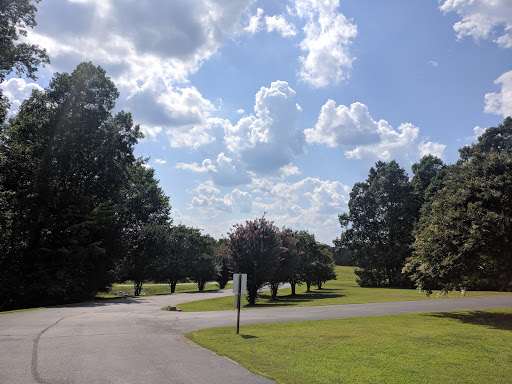
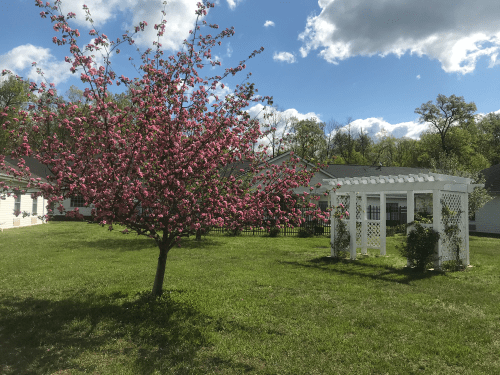
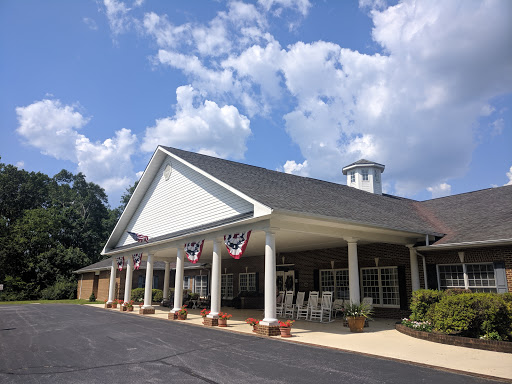
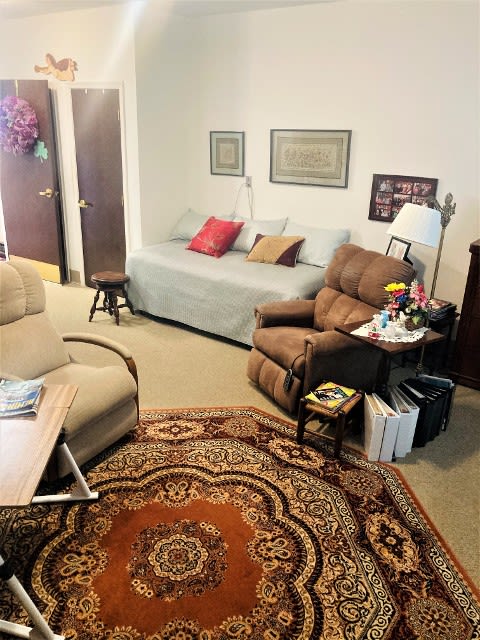
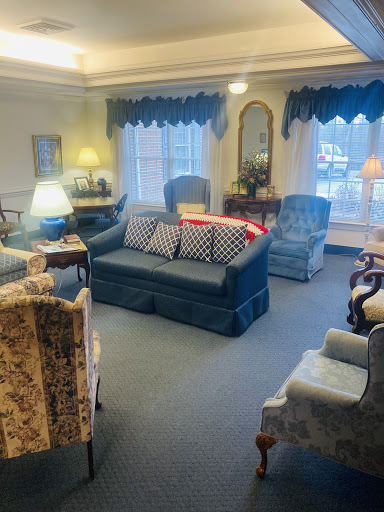
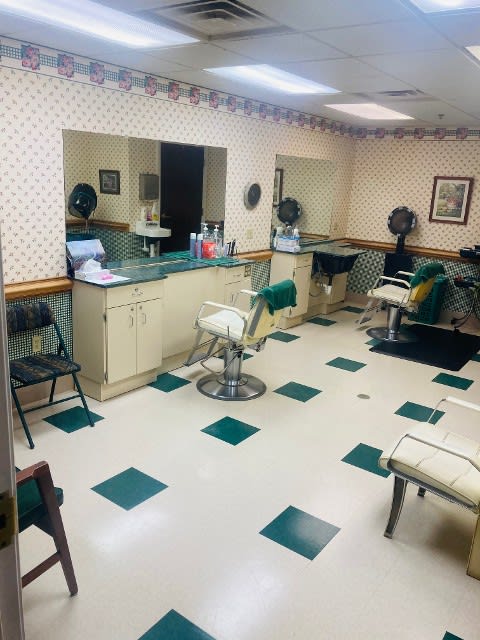
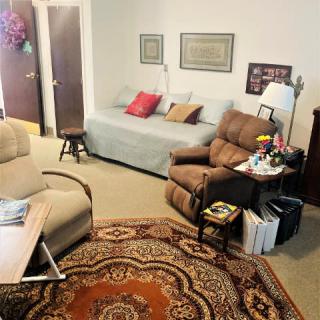
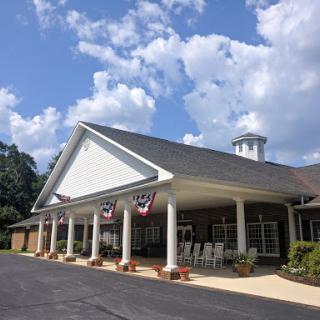
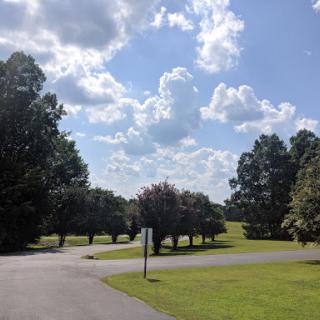
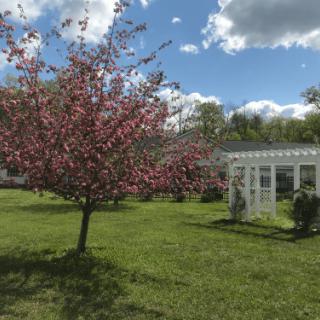
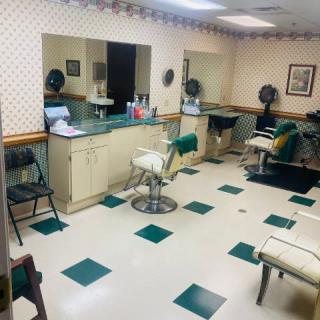
Hickory Hill Retirement Community on seniors.fyi includes 7 photos including images showing clouds, interior, decor, salon, outdoor, living room, mirrors, building, and more.
Nearby Communities
Bridgeforth Manor
Victoria, VA
Small, fully furnished assisted living with comprehensive care and medical transport.
In Motion ALF
Meherrin, VA
Personalized care with spacious, well-appointed apartments.
Jan's Residential Home II
Kenbridge, VA
3 from 4 reviews
$3,200 / month
Affordably priced private rooms with comprehensive amenities and 24-hour supervision.
Clay's Assisted Living Facility
Blackstone, VA
2 from 1 review
Comprehensive on-site amenities and care services (24-hour supervision, medication management, restaurant-style dining, transportation, fitness and wellness programs).
Heritage Hall Blackstone
Blackstone, VA
3.9 from 33 reviews
Clean, well-maintained facility with friendly staff and engaging activities, including a caring Memory Care unit.
G & W Adult Home
Blackstone, VA
Specialized diabetic care with on-site activities and comfortable indoor spaces.
Community Memorial Hospital Hundley Center
South Hill, VA
1.6 from 7 reviews
Restaurant-style dining with 24/7 supervision and comprehensive amenities.
Azzie Manor
Dewitt, VA
3.9 from 7 reviews
24-hour supervision with diabetes care, mental wellness program, and extensive on-site amenities.
Dementia affects memory and cognitive function in older adults, presenting challenges for caregivers due to behavioral changes such as confusion and mood swings. Compassionate, person-centered care that considers individual history and preferences, along with effective communication and environmental modifications, is essential for supporting both patients and their caregivers.
Dementia leads to cognitive impairment and can cause emotional and behavioral changes, including aggression that arises from frustration, confusion, or fear. Effective coping strategies for caregivers include understanding dementia's nature, recognizing triggers, using empathetic communication, and employing non-pharmacological interventions like music and art therapy.
Dementia causes cognitive decline and challenging behaviors that caregivers must manage, necessitating an understanding of the neurological basis of these issues. Effective strategies and self-care for caregivers can enhance support for those with dementia and improve their daily lives.
Get PricingAsk A QuestionSchedule A TourContact Senior Advisor
By clicking submit, you agree to our Partner's Terms of Use. You
also consent to receive calls and texts, which may be autodialed, from our Partner. Your consent is not a condition to
using our Partner's service. Please visit our Partner's Privacy Policy for information about their privacy practices.

 90 resident community capacity
 1-bedroom apartments
 Assisted Living
 Independent Living
 Memory Care
 Activities off-site
 Air-conditioning
 Bath tubs
 Beautician on-site
 Cable or satellite TV
 Computer center
 Devotional services off-site
 Dining room
 Fitness room
 Fully furnished
 Gaming room
 Garden
 Ground floor units
 Handicap accessible
 Housekeeping services
 Indoor common areas
 Kitchenette
 Move-in coordination
 Outdoor common areas
 Private bathrooms
 Respite or short term stays offered
 Restaurant-style dining
 Small library
 Telephone
 Wellness center
 Wheelchair accessible showers
 Wi-Fi/high-speed internet available
 Community operated transportation
 12-16 hour nursing
 24-hour call system
 Assistance with bathing
 Assistance with dressing
 Assistance with transfers
 Diabetes diet
 Diabetic care
 Incontinence care
 Medication management
 Mental wellness program
 Special dietary restrictions
 Art classes
 Brain fitness
 Concierge services
 Cooking classes
 Day trips and outings
 Karaoke
 Live dance or theater performances
 Live musical performances
 Small, fully furnished assisted living with comprehensive care and medical transport.



 Understanding Dementia Behaviors: Practical Insights and Strategies for Caregivers
 When Dementia Sparks Anger and Aggression: Understanding the Connection and Ways to Cope
 Dementia Behaviors: In-Depth Understanding and Effective Coping Strategies