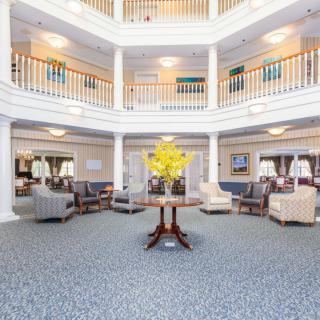
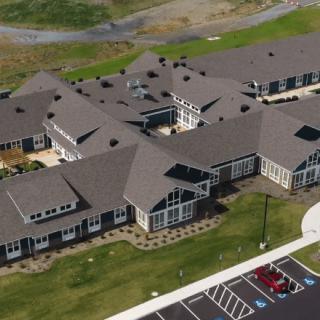
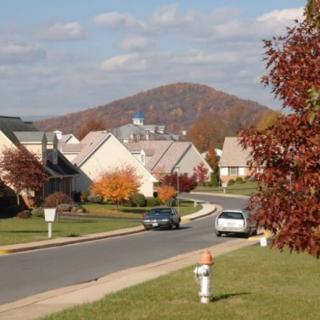
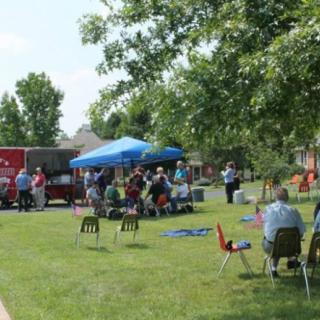
Bridgewater Home in Bridgewater, VA

Save

Bridgewater Home in Bridgewater, VA

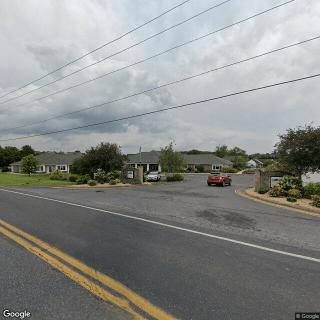
302 North Second Street, Bridgewater, VA 22812

For more information about senior living options: (844) 490-3973

4.7 from 34 reviews
5 stars
28
4 stars
3
3 stars
2
2 stars
0
1 stars
1

Assisted Living Continuing Care Retirement Community (CCRC) Memory Care Skilled Nursing Facility

Overall Review of Bridgewater Home

Pros

  • pro Bridgewater Retirement Community is described as the absolute best with awesome management.
  • pro The nursing units are among the best the reviewer has seen.
  • pro The Custer Dining Room provides an absolutely wonderful experience.
  • pro The waitstaff is outstanding, including one who is a relative of the reviewer.
  • pro The Custer Room and The Junction are recommended as quiet, enjoyable dining spots.
  • pro It is one of the best places to dine in the Town of Bridgewater, with delicious food, great people, and a wonderful community.
  • pro After years of consideration, the couple is very happy they chose Bridgewater Retirement Community as their forever home.
  • pro The staff create a mutually supportive environment, making Bridgewater a great place to live.
  • pro The care team is highly capable and willing to help, even when the reviewer is living out of state.
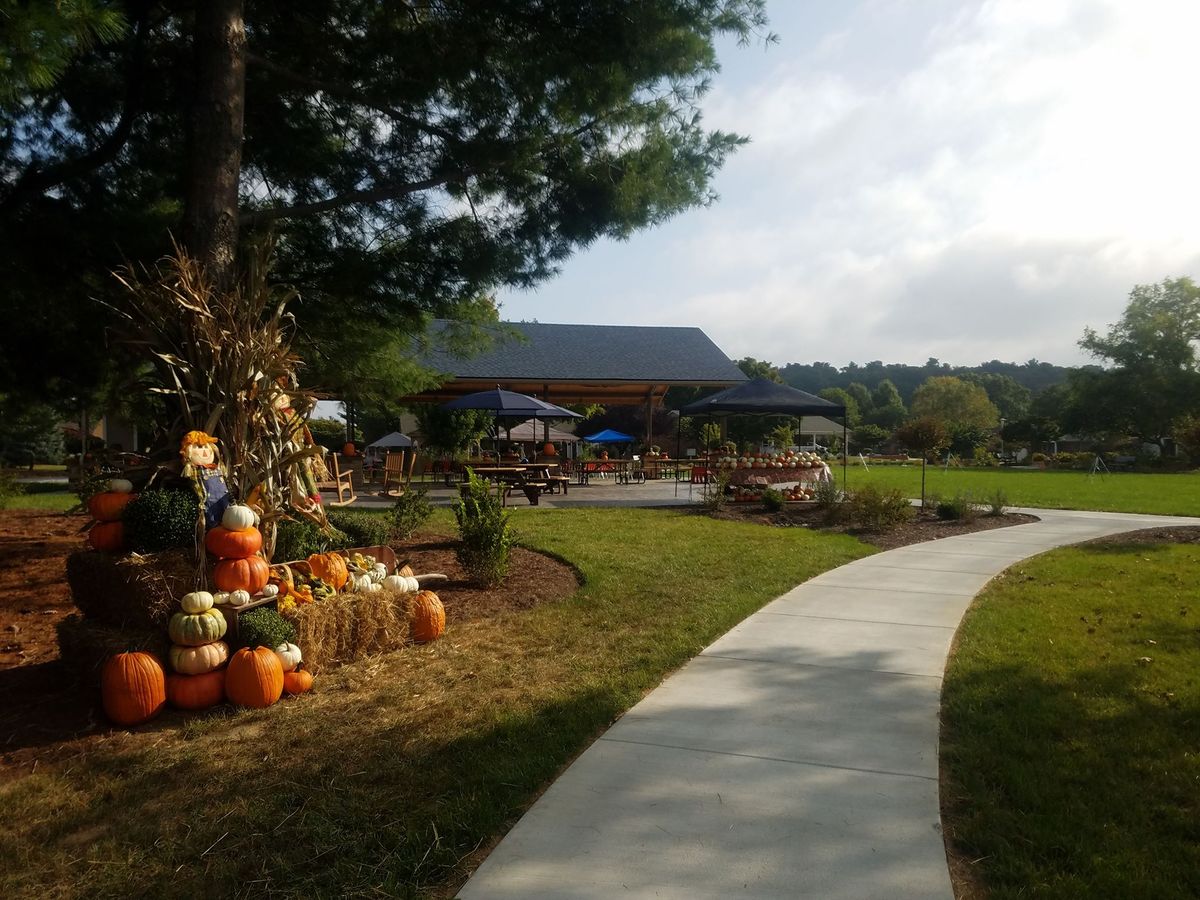
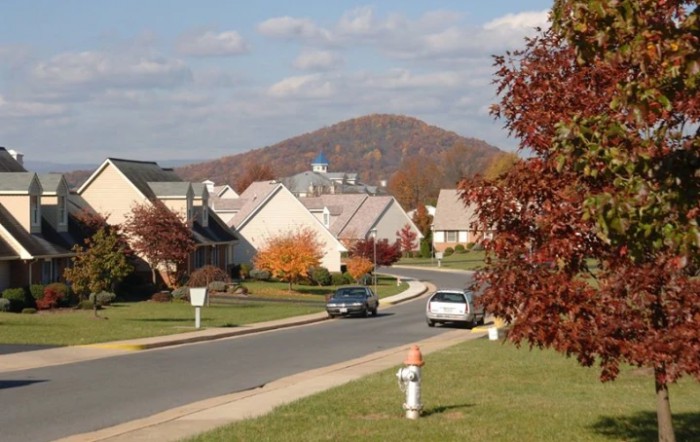
  • pro The campus is beautiful, walkable, and close to amenities, contributing to a high quality of life.

Cons

  • pro There is a lack of diversity.
  • pro Bridgewater's rooms were not as big as those in other facilities.
  • pro The pricing seems too expensive for residents on a budget.
  • pro The activities were not as nice as those offered at other facilities.
  • pro Disabled children are not allowed to live with residents.

Review

Bridgewater Retirement Community in Bridgewater, VA is best suited for seniors who want a true continuum of care on one campus: independent living that naturally leads into assisted living and skilled nursing, all within a flat, walkable town setting. The campus design and management deliver a stable, predictable environment where residents can stay connected to town life - stores, theater, parks, and the river - while knowing help is readily available if needs change. It appeals to families who prioritize a strong on-site care board, responsive staff, and a community where daily routines, meals, and activities are handled with consistency and warmth.

Those considering alternatives should note a few realities. The community's strength comes with a price tag that isn't the lowest in the area, so budget-focused families may want to compare upfront costs and ongoing fees elsewhere. Some residents also flagged that rooms can feel small compared with other retirement options, which matters for households with larger furniture or a desire for expansive private space. Additionally, a segment of reviews points to a less diverse resident mix and to activities that, while steady, don't reach the liveliness or breadth found in some competing campuses. For households seeking a highly varied cultural environment or a more expansive activity calendar, those are valid reasons to shop around.

The core advantages strongly offset the cons for many families. Management and frontline staff receive consistently high praise for warmth, responsiveness, and a genuine commitment to resident well?being. The nursing units are described as among the best the reviewer has seen, and the care team's willingness to help families stay connected (for example, via FaceTime and easy communication) reduces the sense of distance for out-of-state relatives. The dining experience in the Custer Room and the overall dining culture are repeatedly highlighted as welcoming, with good meals and a convivial atmosphere. The sense of community extends beyond the dining room into a campus that feels integrated with the town, offering safe, walkable streets, nearby theaters, a river setting, and a range of small-town amenities that support an active lifestyle.

The location and campus design are other major wins. Bridgewater is flat and walkable, eliminating many accessibility worries for residents who rely on mobility aids. Being in close proximity to downtown Bridgewater and institutions like Bridgewater College provides a feeling of neighborhood livability rather than a siloed retirement enclave. Regular van trips to nearby shopping hubs and organized excursions - Skyline Drive trips, theater visits, and other town?center activities - help keep residents socially engaged without requiring constant planning by family members. For families planning long-term security, the continuity of care is a meaningful hedge against the disruption of moving again later in life.

Despite the positives, prospective residents should reckon with a few caveats. The reported cost barrier is real, and some families may need to adjust expectations about what "value" looks like in this setting. Space?wise, smaller apartments can be limiting, especially for couples who want more living area or for those who accumulate belongings over time. The comments about diversity suggest a more homogeneous population than some might prefer, which can influence social dynamics for residents seeking a broader cultural mix. Finally, while activities are steady and well organized, they may not satisfy every taste when compared with more aggressively programmed facilities. These factors are not deal-breakers for many, but they are the right questions to ask during tours.

In sum, Bridgewater Retirement Community is a strong pick for families who value a proven care continuum, reliable management, and a congenial, walkable campus closely linked to a lively small town. It is less ideal for those operating on tighter budgets, those who want large living spaces from day one, or those seeking a more diverse resident community and a broader activity slate. For the right household, the alignment of long-term security, daily quality of life, and accessible town life makes Bridgewater a sound, practical choice. Prospective movers should visit, review pricing carefully, and confirm how care levels would transition as needs evolve, while asking about family policies, pet arrangements, and the specific activity calendar to ensure it matches personal interests and lifestyle expectations.

Features

Housing

  • 136 resident community capacity 136 resident community capacity

Types of Care

  • Assisted Living Assisted LivingAssisted living facilities provide crucial support and care for seniors who may need help with daily tasks such as medication management, bathing, and meal preparation. These communities offer a safe and comfortable environment where seniors can maintain their independence while receiving the assistance they need to thrive in their golden years.
  • Continuing Care Retirement Community (CCRC) Continuing Care Retirement Community (CCRC)Continuing Care Retirement Communities (CCRCs) are important for seniors because they provide a range of housing options and care services all in one location. This allows seniors to age in place and receive the level of care they need as their health changes, without having to move to a new facility. CCRCs provide a sense of security and peace of mind for seniors and their families, knowing that they will be taken care of no matter what the future holds.
  • Memory Care Memory CareMemory care is crucial for seniors as it provides specialized support and services for individuals with dementia or Alzheimer's disease. These programs offer a safe and secure environment where residents receive personalized care, cognitive stimulation, and help with daily activities. Memory care helps seniors maintain their independence, quality of life, and dignity while also providing peace of mind for their families.
  • Skilled Nursing Facility Skilled Nursing FacilitySkilled Nursing Facilities are crucial for seniors as they provide round-the-clock medical care, rehabilitation services, and assistance with daily activities. These facilities ensure that seniors receive the specialized care they need to maintain their health and well-being as they age.

Amenities

  • Air-conditioning Air-conditioningAir conditioning is important for seniors as they are more vulnerable to heat-related illnesses and may have underlying health conditions that make it difficult for them to regulate their body temperature. It helps to keep them comfortable, safe, and healthy in hot weather.
  • Beauty salon Beauty salonBeauty salons are important for seniors because they provide a space for them to feel pampered, socialize, and maintain their personal grooming and hygiene. Regular visits to a beauty salon can help boost seniors' self-esteem and overall well-being.
  • Cable or satellite TV Cable or satellite TVCable or satellite TV is important for seniors because it provides entertainment, news, and companionship, helping to combat loneliness and boredom. It also offers a wide range of programming options tailored to different interests and preferences.
  • Computer center Computer centerA computer center is essential for seniors as it provides access to technology, communication tools, and resources that can enhance their daily lives. It allows them to stay connected with loved ones, engage in online activities, and learn new skills, ultimately promoting socialization and mental stimulation.
  • Dining room Dining roomDining rooms are important for seniors as they provide a space for socialization, connection, and nutritious meals. They offer opportunities for residents to bond over shared meals, foster a sense of community, and promote healthy eating habits. Dining rooms also ensure that seniors have access to well-balanced meals tailored to their dietary needs and preferences.
  • Fitness room Fitness roomHaving a fitness room in a senior living community is essential for seniors to stay active, maintain their physical health, and improve their overall well-being. Regular exercise can help prevent falls, reduce the risk of chronic diseases, and promote mental sharpness. It also provides social opportunities for residents to connect with others and enjoy a sense of community.
  • Fully furnished Fully furnishedFully furnished senior living communities are important for seniors because they provide convenience, comfort, and a hassle-free moving experience. Seniors can easily settle into their new living space without the stress of having to buy and move furniture. This allows them to focus on enjoying their new home and community.
  • Gaming room Gaming roomGaming rooms are important for seniors as they provide a fun and engaging environment for socializing, cognitive stimulation, and physical activity. Games can improve memory, problem-solving skills, and overall mental well-being while fostering friendships and reducing feelings of isolation.
  • Garden GardenGardens are important for seniors as they provide a peaceful and therapeutic environment for relaxation, physical activity, and socialization. Being in nature has been shown to reduce stress, improve mood, and promote overall well-being. Gardens also offer opportunities for seniors to engage in gardening activities, which can improve mobility, flexibility, and cognitive function. Additionally, gardens create a sense of community and connection with others who share a passion for plants and outdoor spaces.
  • Housekeeping services Housekeeping servicesHousekeeping services are important for seniors because they help maintain a clean and safe living environment, promote independence, and reduce the risk of accidents or illnesses. Additionally, having assistance with household chores can alleviate physical strain and allow seniors to focus on other aspects of their well-being.
  • Kitchenette KitchenetteKitchenettes are important for seniors living in senior living communities because they provide the convenience and independence of being able to prepare simple meals and snacks in the comfort of their own living space. This can help promote a sense of autonomy and well-being for seniors, allowing them to maintain some level of control over their dietary choices and daily routines.
  • Move-in coordination Move-in coordinationMove-in coordination is important for seniors because it helps ease the transition into their new living environment. It ensures that all logistics, such as packing, organizing movers, and setting up utilities are taken care of, allowing seniors to focus on settling in and adjusting to their new home. Having a smooth move-in process can alleviate stress and anxiety, making the transition smoother and more enjoyable for seniors.
  • Outdoor space Outdoor spaceOutdoor spaces are important for seniors as they provide opportunities for physical activity, social interaction, exposure to natural light and fresh air, and a sense of connection to nature. Having access to outdoor spaces can improve overall well-being and quality of life for older adults living in senior communities.
  • Private bathrooms Private bathroomsPrivate bathrooms are important for seniors in senior living communities because they provide independence, dignity, and comfort. Having a private bathroom allows seniors to maintain their personal hygiene routines without the need for assistance, promoting a sense of autonomy and privacy. Additionally, private bathrooms help prevent the spread of infections and provide a safe and clean environment for seniors to navigate safely.
  • Restaurant-style dining Restaurant-style diningRestaurant-style dining is important for seniors because it allows them to enjoy delicious, nutritious meals in a social and upscale setting. This enhances their dining experience, promotes healthy eating habits, and fosters socialization with fellow residents, ultimately contributing to their overall well-being and quality of life.
  • Small library Small librarySmall libraries are important for seniors as they provide access to a variety of reading materials, including books, newspapers, and magazines. This can help stimulate their minds, keep them engaged, and provide a sense of community through book clubs and other social activities. Additionally, reading has been shown to improve cognitive function and overall mental well-being in older adults.
  • Telephone TelephoneTelephones are important for seniors as they provide a lifeline for communication with loved ones, emergency services, and healthcare providers. They offer a sense of security and independence, enabling seniors to stay connected and access assistance when needed.
  • Wellness center Wellness centerWellness centers are important for seniors because they offer a variety of programs and services that promote physical, mental, and emotional well-being. These centers provide opportunities for exercise, socialization, education, and relaxation, helping seniors maintain their overall health and quality of life.
  • Wi-Fi/high-speed internet available Wi-Fi/high-speed internet availableWi-Fi/high-speed internet is important for seniors to stay connected with loved ones, access online resources, and participate in virtual activities to combat feelings of loneliness and isolation. It also allows them to easily manage healthcare needs, access entertainment, and engage in lifelong learning opportunities.

Transportation

  • Shenandoah Valley Regional (9 miles away) Shenandoah Valley Regional (9 miles away)
  • Community operated transportation Community operated transportationCommunity operated transportation is crucial for seniors as it provides them with the means to access essential services, social activities, and medical appointments. It allows seniors to maintain their independence and quality of life by ensuring they can participate in activities outside of their homes. Additionally, community-operated transportation services offer a safe and reliable way for seniors to travel without having to rely on family or friends for assistance.
  • Transportation arrangement Transportation arrangementTransportation arrangements are crucial for seniors as they may face challenges with driving, mobility, or access to public transportation. Having reliable transportation services ensures that seniors can easily attend appointments, social activities, and maintain their independence and quality of life.
  • Transportation arrangement (non-medical) Transportation arrangement (non-medical)Transportation arrangements are essential for seniors as they provide access to essential services, activities, and social interactions outside the home. This service helps maintain independence, mobility, and overall well-being for seniors who may have limited transportation options.
  • Transportation to doctors appointments Transportation to doctors appointmentsTransportation to doctors appointments is crucial for seniors as it ensures they have access to necessary medical care and support, promoting their health and well-being. It allows them to receive timely treatment, monitor existing conditions, and address any new health concerns efficiently. Additionally, transportation services can help seniors maintain their independence and quality of life by enabling them to stay connected with their healthcare providers.

Care Services

  • 12-16 hour nursing 12-16 hour nursing12-16 hour nursing care is crucial for seniors in order to ensure around-the-clock monitoring, timely medication administration, and prompt response to any health concerns or emergencies. This level of care helps to promote the overall well-being and safety of seniors living in senior living communities.
  • 24-hour call system 24-hour call system24-hour call systems are important for seniors because they provide peace of mind and immediate assistance in case of emergencies. This technology ensures that help is always available, promoting safety and security for elderly individuals living alone or in assisted living facilities.
  • 24-hour supervision 24-hour supervision24-hour supervision is important for seniors to ensure their safety, well-being, and access to immediate assistance in case of emergencies or health issues. This constant support provides peace of mind for both seniors and their loved ones, allowing them to age in place with dignity and security.
  • Activities of daily living assistance Activities of daily living assistanceActivities of daily living assistance are important for seniors because they provide essential support with tasks such as eating, bathing, dressing, and mobility. This assistance helps seniors maintain their independence, dignity, and overall quality of life as they age.
  • Assistance with bathing Assistance with bathingAssistance with bathing is crucial for seniors as it helps maintain personal hygiene, prevents infections, and ensures their overall well-being and comfort. It also provides a sense of dignity and independence for seniors who may struggle with this task on their own.
  • Assistance with dressing Assistance with dressingAssistance with dressing is important for seniors because it helps maintain their independence, promotes personal hygiene, prevents accidents and injuries, and improves overall quality of life. This service ensures that seniors can continue to dress comfortably and confidently, despite any physical limitations they may have.
  • Assistance with transfers Assistance with transfersAssistance with transfers is crucial for seniors as it helps prevent falls and injuries, maintains their independence, and ensures they can safely navigate their living environment. It also provides peace of mind for both seniors and their loved ones.
  • Diabetes diet Diabetes dietA diabetes diet is crucial for seniors as it helps manage blood sugar levels, reduce risks of complications, and improve overall health and well-being. By following a balanced and nutritious diet tailored to their specific needs, seniors can better control their diabetes and enhance their quality of life.
  • Meal preparation and service Meal preparation and serviceMeal preparation and service are crucial for seniors as they may have limited mobility or energy to cook nutritious meals. Having access to healthy and convenient food options can ensure they are getting the proper nutrition needed to maintain their overall health and well-being.
  • Medication management Medication managementMedication management is crucial for seniors to ensure they are taking the right medications at the correct dosages and times. This helps prevent adverse drug interactions, reduces the risk of medication errors, and promotes overall health and well-being. Proactive management also allows for adjustments as needed based on changing health conditions or new prescriptions.
  • Mental wellness program Mental wellness programMental wellness programs are essential for seniors as they promote cognitive stimulation, emotional support, and social engagement. These programs help prevent isolation, depression, and cognitive decline, ultimately enhancing the overall quality of life for older adults.
  • Special dietary restrictions Special dietary restrictionsSpecial dietary restrictions are important for seniors because age-related changes in metabolism and health conditions can make it difficult for their bodies to process certain foods. By following a diet tailored to their specific needs, seniors can maintain their overall health and well-being, manage chronic conditions, and reduce the risk of complications such as malnutrition or food interactions with medications.

Dining

  • Diabetes diet Diabetes dietA diabetes diet is crucial for seniors as it helps manage blood sugar levels, reduce risks of complications, and improve overall health and well-being. By following a balanced and nutritious diet tailored to their specific needs, seniors can better control their diabetes and enhance their quality of life.
  • Special dietary restrictions Special dietary restrictionsSpecial dietary restrictions are important for seniors because age-related changes in metabolism and health conditions can make it difficult for their bodies to process certain foods. By following a diet tailored to their specific needs, seniors can maintain their overall health and well-being, manage chronic conditions, and reduce the risk of complications such as malnutrition or food interactions with medications.

Activities

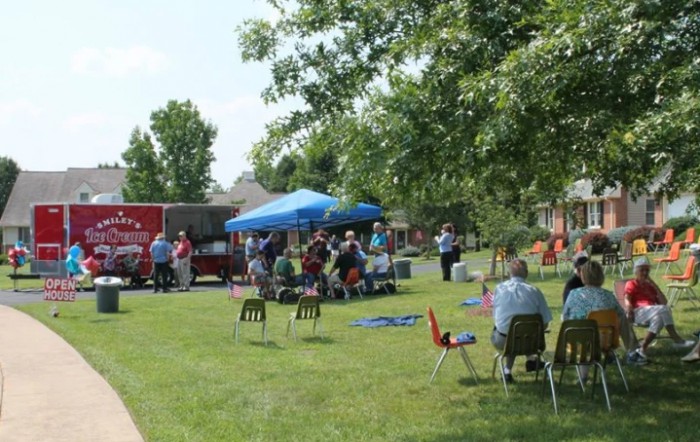
  • Community-sponsored activities Community-sponsored activitiesCommunity-sponsored activities are important for seniors as they provide opportunities for social interaction, mental stimulation, and physical activity. These activities can help improve overall well-being, combat loneliness and isolation, and promote a sense of belonging and purpose among older adults.
  • Concierge services Concierge servicesConcierge services are essential for seniors as they provide assistance with daily tasks and errands, enhance their quality of life by offering convenience and personalized care, and promote a sense of safety and security.
  • Fitness programs Fitness programsFitness programs are crucial for seniors as they help improve strength, flexibility, balance, and overall well-being. Staying active can reduce the risk of chronic diseases, improve mental health, and enhance quality of life in older adults.
  • Planned day trips Planned day tripsPlanned day trips are important for seniors because they offer opportunities for socialization, mental stimulation, and physical activity. They provide a change of scenery and help seniors stay engaged and connected to their community, promoting overall well-being and quality of life.
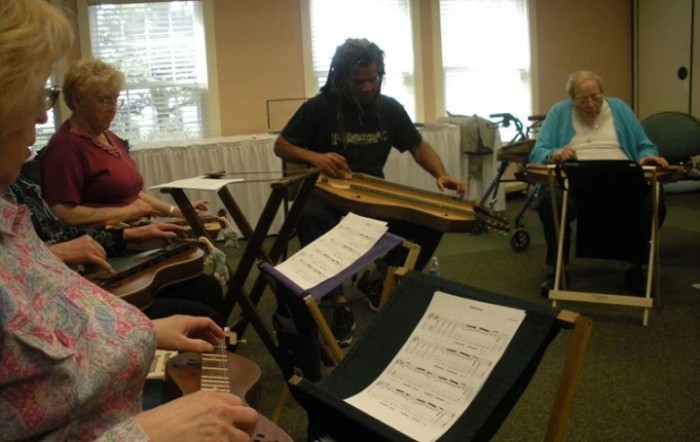
  • Resident-run activities Resident-run activitiesResident-run activities are important for seniors as they encourage social interaction, creativity, and a sense of autonomy. These activities empower seniors to stay engaged and active in their community while fostering meaningful connections with their peers.
  • Scheduled daily activities Scheduled daily activitiesScheduled daily activities are important for seniors because they provide structure, socialization, mental stimulation, and physical activity. Engaging in regular activities can improve overall well-being and quality of life for seniors living in a community setting.

Description

Bridgewater Home in Bridgewater, VA is a vibrant and comprehensive assisted living community offering a range of care services for seniors. As a Continuing Care Retirement Community (CCRC), it provides various levels of care including Memory Care and Skilled Nursing Facility options.

The community offers an array of amenities to enhance the residents' quality of life. These include a beauty salon for pampering, cable or satellite TV for entertainment, and community-operated transportation for easy access to nearby destinations. A computer center and Wi-Fi/high-speed internet are available for residents to stay connected, while a fully furnished environment ensures comfort and convenience.

The dining experience at Bridgewater Home is exceptional with restaurant-style dining offering delicious meals prepared according to specific dietary needs. Special dietary restrictions can be accommodated, ensuring that each resident's nutritional requirements are met.

Residents can engage in various activities designed to promote physical fitness and mental stimulation. Planned day trips allow exploration outside the community, while resident-run activities provide opportunities for social interaction and personal fulfillment. Concierge services are available to cater to individual preferences.

In terms of care services, Bridgewater Home takes pride in its 24-hour call system and supervision, ensuring help is always readily available when needed. Assistance with daily living tasks such as bathing, dressing, and transfers is provided by compassionate staff members. Medication management is diligently carried out, relieving residents of any worries regarding their medications. Additionally, the community offers transportation arrangement for non-medical purposes as well as scheduled trips to doctor's appointments.

Bridgewater Home boasts an excellent location with nearby amenities making it convenient for residents' needs. There are cafes, parks, pharmacies, physicians' offices, restaurants, and places of worship located within close proximity to the community.

Overall, Bridgewater Home provides a warm and welcoming environment where seniors can receive the care they need while enjoying an active lifestyle filled with enriching experiences.

Videos

Nearby Places of Interest

Restaurants

  • The Cracked Pillar Pub (0.3 miles)
  • McDonald's (0.4 miles)
  • Subway (0.5 miles)
  • Rockingham County Fair (2.3 miles)
  • Dayton Tavern (2.9 miles)
  • Grammy's Ice Cream (3.2 miles)
  • Cracker Barrel (3.7 miles)

Pharmacies

  • Dickson's Drug Store (0.3 miles)
  • Bridgewater Pharmacy (0.4 miles)
  • Williamson Drug Co. (5.4 miles)
  • Williamsons Pharmacy (5.4 miles)
  • CVS Pharmacy (5.7 miles)
  • Walmart Pharmacy (6 miles)
  • CVS Pharmacy (6 miles)

Physicians

  • Carilion Clinic Family Medicine - Bridgewater (0.4 miles)
  • Bridgewater Health Services (0.4 miles)
  • Carilion Clinic Family Medicine - Dayton (2.2 miles)
  • Meadowcrest Ent & Facial Cosmetic Center (3.5 miles)
  • Shenandoah Valley Performance Clinic (3.8 miles)
  • Hanon Pediatrics PLC (4.2 miles)
  • Rockingham Family Physicians PC (5 miles)

Parks

  • Oakdale Park (0.4 miles)
  • Hillandale Park (5.5 miles)
  • A Dream Come True Playground (6.5 miles)
  • Harrisonburg Parks & Rec Department (6.7 miles)

Places of Worship

  • Bridgewater Church of the Brethren (0.6 miles)
  • Grace Covenant Church (3.5 miles)
  • Covenant Presbyterian Church (4.4 miles)
  • Harrisonburg First Church of the Brethern (6.6 miles)

Cafes

  • Joe's Griddle & Grill (3.5 miles)
  • Starbucks (6 miles)
  • Starbucks (6.1 miles)
  • Greenberry's Coffee Co. (6.5 miles)
  • Starbucks (7 miles)

Hospitals

  • Rmh Family Birthplace (6.4 miles)
  • Rockingham Memorial Hospital (6.4 miles)
  • Rmh Outpatient Surgery (6.4 miles)
  • Rockingham Memorial Hospital (6.7 miles)
  • Healthsource (6.8 miles)
  • Rmh Women's Health Focus (6.9 miles)

Transportation

  • Miller's Taxidermy (6.6 miles)

Theaters

  • Regal Harrisonburg (7.2 miles)

Frequently Asked Questions

Where is Bridgewater Home?
Does Bridgewater Home provide care for residents with dementia or Alzheimer's disease?
What photos are available for Bridgewater Home in Bridgewater, Virginia?

Nearby Communities

  • Bridgewater Home,  Inc

    Bridgewater Home, Inc

    Bridgewater, VA

    4.7 from 32 reviews
     

    pro High-quality care with attentive staff.

  • Bridgewater Retirement Cmnty

    Bridgewater Retirement Cmnty

    Bridgewater, VA


  • White Birch Estates

    White Birch Estates

    Harrisonburg, VA

    4 from 31 reviews
     

    pro Family-owned with attentive staff and engaging activities.

  • Village at Meadow Pointe

    Village at Meadow Pointe

    Harrisonburg, VA


    pro Small, intimate community with personalized care and on-site meal prep/medication management.

  • Johnson's Home For the Elderly

    Johnson's Home For the Elderly

    Harrisonburg, VA


    pro Warm, community-focused assisted living with easy access to healthcare, dining, and transportation.

  • Bellaire At Stone Port

    Bellaire At Stone Port

    Harrisonburg, VA

    4 from 43 reviews
     

    pro Memory-care focused programming with engaging activities and spacious, well-appointed apartments.

  • Willow Estates Retirement

    Willow Estates Retirement

    Penn Laird, VA

    3.7 from 24 reviews
    $2,500 to $3,000 / month

    pro Beautiful, clean facility with friendly staff and engaging amenities.

  • The Legacy at North Augusta

    The Legacy at North Augusta

    Staunton, VA

    4.5 from 35 reviews
    $2,654 to $5,239 / month

    pro Spacious, well-designed apartments with a friendly, professional staff and pleasant dining.

  • The Retreat at Fishersville

    The Retreat at Fishersville

    Fishersville, VA

    4.2 from 61 reviews
    $4,685 to $6,700 / month

    pro Caring staff, engaging activities, and attractive, restaurant-style dining in a well-maintained memory care setting.

Related Resources

  • memory care activitiesEngaging Memory Care Activities That Enhance Quality of Life

    Memory care activities are essential for improving the quality of life of seniors with cognitive impairments, as they stimulate cognitive function, promote well-being, and encourage social interaction through tailored strategies. These activities combine structured exercises with spontaneous tasks, sensory engagement, physical workouts, creative pursuits, and intergenerational interactions to enhance emotional connection and a sense of purpose.

  • when to move from assisted living to memory careWhen to Transition from Assisted Living to Memory Care: Key Indicators, Steps, and Finding the Right Community

    Transitioning from assisted living to memory care is driven by an individual's cognitive decline and specific needs, requiring careful evaluation of indicators like increased confusion and wandering. The process involves consulting medical professionals, researching suitable communities, considering financial and legal aspects, and ensuring effective communication for personalized care plans.

  • assisted living vs memory careUnderstanding the Distinctions: Assisted Living and Memory Care Explained
    The article differentiates between assisted living and memory care, explaining that assisted living supports seniors with daily activities while promoting independence, whereas memory care provides specialized services for individuals with dementia, focusing on secure environments and cognitive support. It also addresses staff training, safety considerations, costs, family involvement, and transition strategies for families navigating these care options.