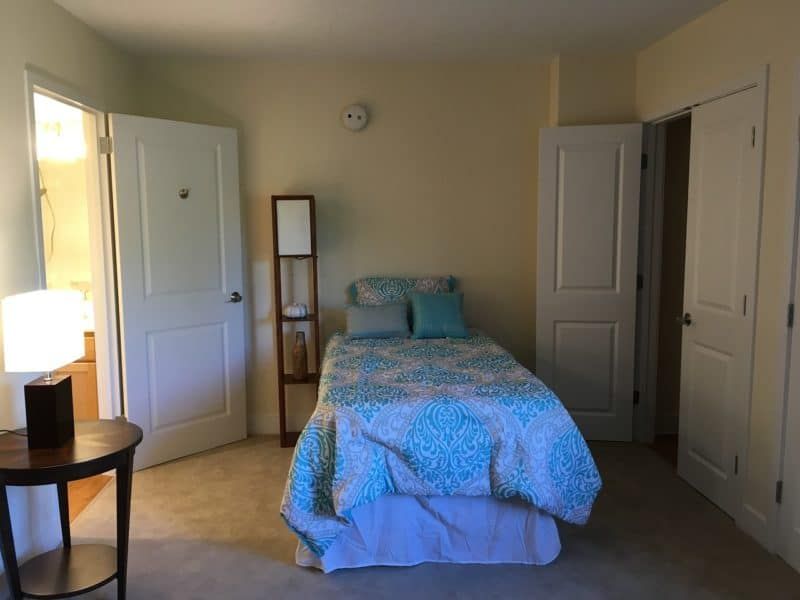
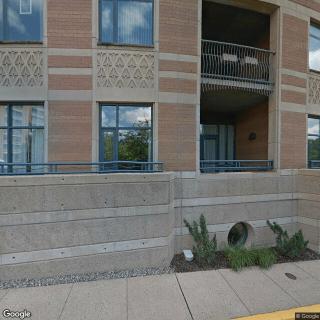
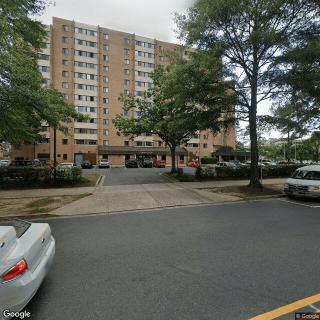
4439 North Pershing Drive, Arlington, VA 22203
For more information about senior living options: (866) 208-4318
Overall Review of Culpepper Garden III
Pros
 The facility is described as very friendly and very clean.
- The staff is unbelievable and always ready to help.
- The meals are great and the on-site cafe is appealing.
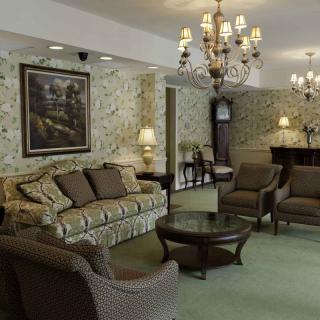
- The artwork and themed lobbies are calming and serve as welcoming gathering spaces.
- Residents enjoy a wide range of daily activities, including games, movies, and crafts.
- It is an excellent low-income property for Arlington seniors.
- The staff are outstanding and genuinely caring toward residents and their families.
- The daily care staff are attentive and consistently helpful.
- The administrator, Kim, provides outstanding service and support for settling in and accessing resources.
- Medical care is phenomenal, with professionals delivering compassionate care and improving mobility.
Cons
 There is an ongoing roach problem, and the extermination is not addressing every unit.
 - The mice infestation has worsened since remodeling and construction began.
- The bedbug problem could not be resolved for more than a month.
- The elevator was frequently broken.
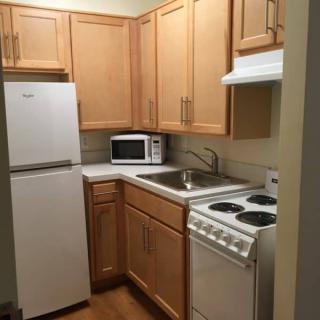
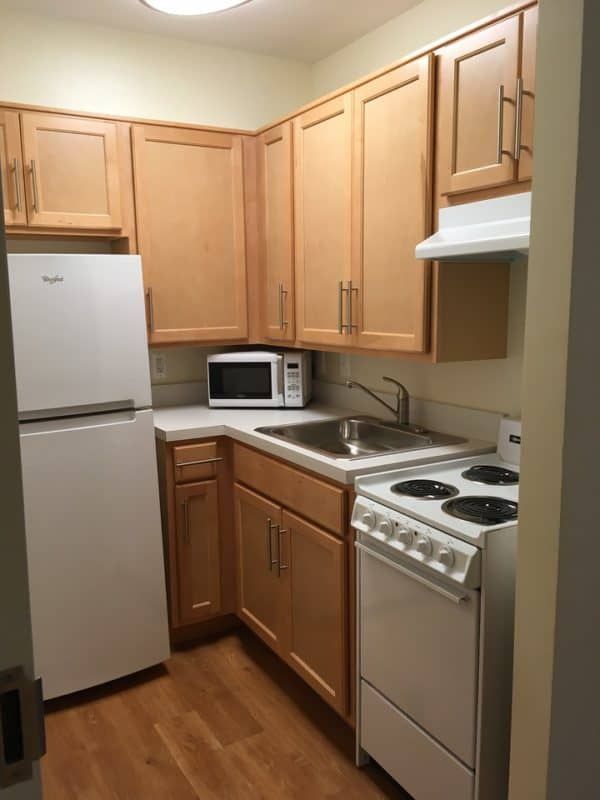
- The kitchen in the unit is so tiny that one cannot turn around without hitting elbows.
- Thanksgiving Day dinner was a bag lunch.
- The food is of very poor quality and unappetizing; very few residents eat there.
- The overall atmosphere is dismal and depressing.
Review
Culpepper Garden III is best suited for budget-conscious Arlington seniors who want a vibrant, socially rich community with reliable on-site care support, convenient dining, and meaningful daily activities. It works especially well for residents who value autonomy within a structured setting: three meals daily, optional participation in programs, and a shuttle system to shopping and services. For those who prize affordability and a built-in social realm over ultimate luxury or pristine, brand-new facilities, this community often delivers more value than competing options. However, it may not be the ideal choice for applicants who demand consistently flawless upkeep, top-tier dining quality, or a facility whose Assisted Living component remains clearly defined and permanent.
The strongest positives center on the people and the program. Families repeatedly credit the staff for genuine warmth, attentiveness, and willingness to go beyond the minimum to meet individual needs. Residents speak highly of the clean, welcoming environment and the calming design of the lobbies and common areas, which encourage casual gathering and social interaction. The meal program and on-site cafe are a central part of daily life for many, offering nourishment and a social anchor for those who dislike cooking. Activities, ranging from trivia and Jeopardy to crafts and movie nights, create a steady rhythm that keeps residents engaged and connected, while the shuttle service expands independence by enabling errands and social outings without relying solely on family transport.
Yet the community does carry material drawbacks that families must weigh against the strengths. A recurring and serious concern is pest and sanitation issues, including roaches, mice, and, in some cases, bedbugs. These problems directly affect comfort and perceived safety, and they complicate the otherwise warm, home-like atmosphere. Facility maintenance and physical infrastructure can also frustrate daily life: elevators that fail intermittently and aging spaces, such as compact kitchen areas, contribute to inefficiencies during visits or routine tasks. The food experience itself is not uniformly praised; several reviews describe meals as dull or unappealing, which can undermine the value of the dining plan for residents who rely on it as a daily staple. Remodeling activity adds further disruption and raises questions about consistency and long-term planning.
A critical dimension in evaluating Culpepper Garden III is the status of the Assisted Living offering. Several accounts note that AL services have been withdrawn or are in flux, a fact that dramatically alters the decision calculus for families seeking ongoing, predictable supportive care. This ambiguity warrants careful verification before committing, because the core appeal of the community, structured support integrated with independent living, depends on a stable, clearly defined level of assistance. On the flip side, the operation is often praised for strong medical engagement when needed: responsive nursing leadership, hands-on therapists, and staff who coordinate appointments, transportation, and even subsidy pathways. When the leadership team is aligned with resident needs, the care experience can be highly personalized and reliable.
From a community-culture standpoint, Culpepper Garden III builds a sense of belonging that many families consider a decisive factor. The presence of international staff adds a distinctive warmth and perspective, and residents frequently highlight the comfort of living among peers who understand similar life stages and health journeys. The breadth of onsite services, nails and hair appointments, a visiting vet, and accessible social programming, contributes to daily life feeling convenient and neighborly. The caveat remains that positive experiences hinge on consistent operations: pest control effectiveness, elevator reliability, and the ability of the staff to maintain a calm, well-coordinated environment even during remodeling or staffing fluctuations.
Bottom-line guidance: Culpepper Garden III can be an excellent fit for seniors who value affordability, a robust social calendar, and a hands-on, caring staff, provided the Assisted Living component is clearly defined and sustained. The community’s core strengths, dedicated caregivers, engaging activities, accessible meals, and practical conveniences, often offset considerable benefits when matched to residents who prioritize companionship and independence over pristine facilities. However, alternatives should be on the short list for anyone who cannot tolerate ongoing pest concerns, uneven dining quality, or unsettled AL status. Prospective residents should obtain current documentation on the availability and terms of assisted living, request a transparent pest-control and maintenance history, verify elevator reliability and service schedules, and review a detailed meal plan and pricing before making a final commitment.
 146 resident community capacity
 Assisted Living
 Independent Living
 Air-conditioning
 Beauty salon
 Cable or satellite TV
 Computer center
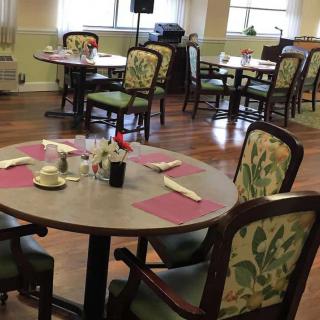
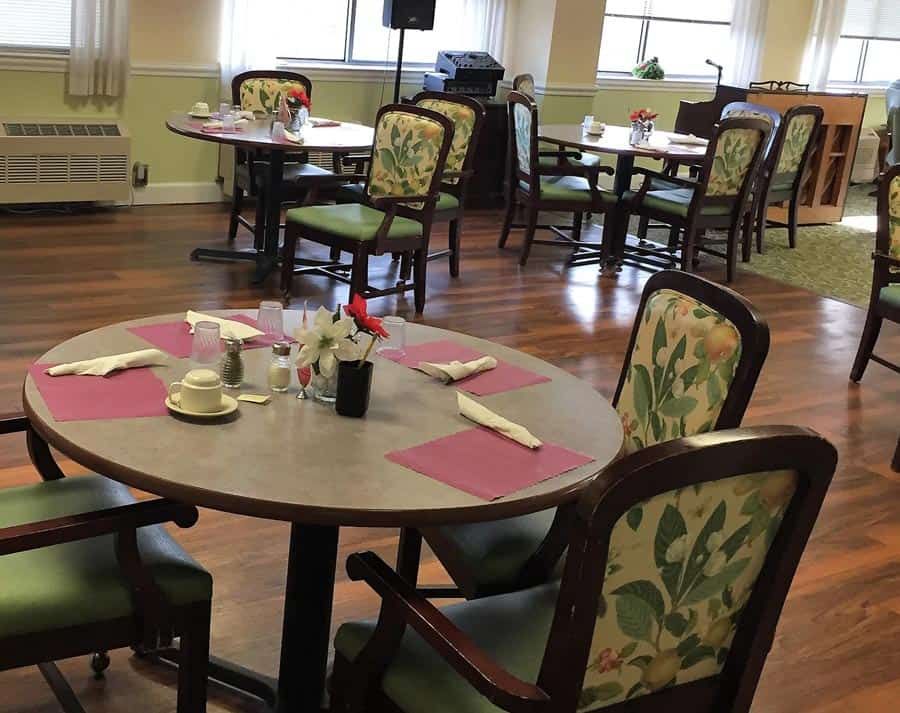
 Dining room
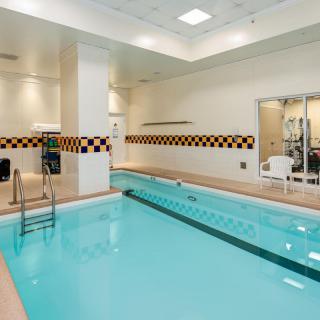
 Fitness room
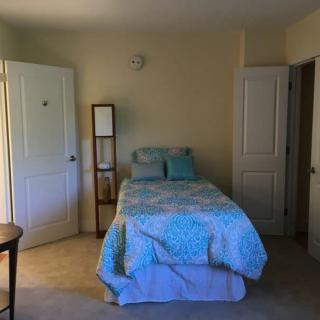
 Fully furnished
 Gaming room
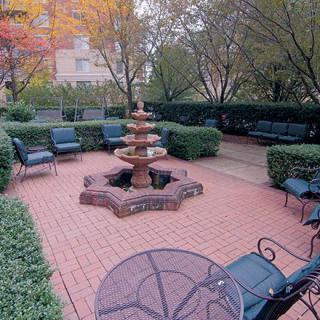
 Garden
 Housekeeping services
 Kitchenette
 Move-in coordination
 Outdoor space
 Private bathrooms
 Restaurant-style dining
 Small library
 Telephone
 Wellness center
 Wi-Fi/high-speed internet available
 Ronald Reagan Washington National (4 miles away)
 Community operated transportation
 12-16 hour nursing
 24-hour call system
 Activities of daily living assistance
 Assistance with bathing
 Assistance with dressing
 Assistance with transfers
 Diabetes diet
 Medication management
 Mental wellness program
 Special dietary restrictions
 Transportation arrangement (medical)
 Concierge services
 Planned day trips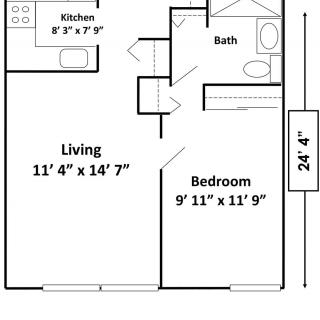
 Understanding the True Cost of Assisted Living in 2025: A Comprehensive Guide
 Understanding Medicaid Coverage for Assisted Living: A Comprehensive Guide
 How and When Medicaid May Cover Assisted Living Costs