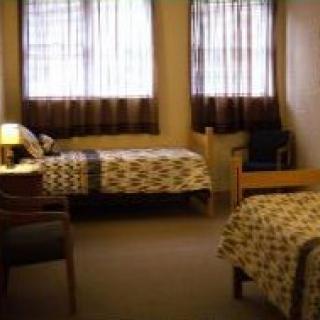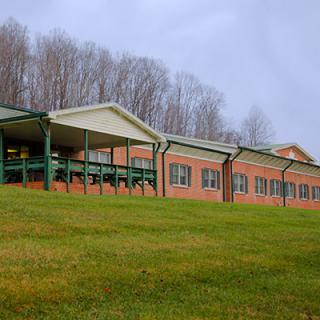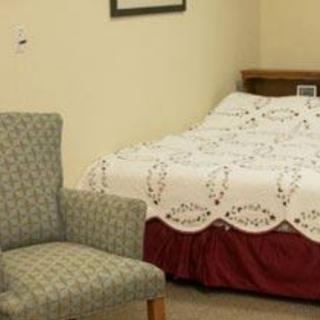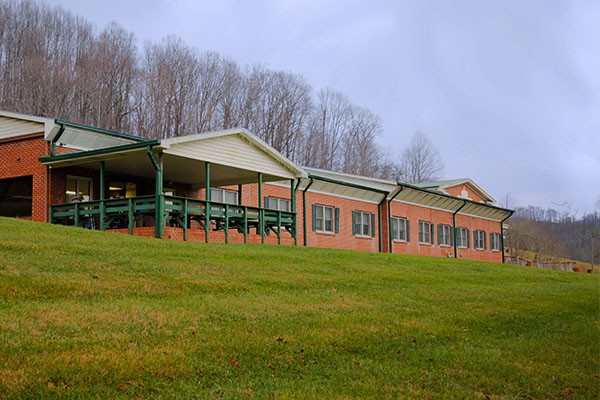
18180 Rich Valley Road, Abingdon, VA 24210
For more information about senior living options: (866) 208-4318
Overall Review of Greendale Home For The Aged
Pros
 The administrator's grandson calls it a great home.
- He says everyone in the facility is nice.
- He recommends the nursing home because residents have lifestyle options.
- He loves it there and gave it five stars.
Cons
 The facility is dirty.
- There are no activities for residents.
- The staff are rude and mean.
- Walkers are not allowed in the dining room.
- There was no staff presence to check in with visitors; residents had to locate staff themselves.
- Needy residents were not attended to; a blind man had to get his own drink.
- Bathrooms were clogged with feces.
- The facility neglects patients.
Review
Greendale Home For The Aged in Abingdon is best suited for families facing tight budgets who can tolerate an uneven care profile and a sparse activity calendar. The community operates with limited programming, and daily life leans toward routine rather than meaningful engagement. Residents who require frequent assistance or constant medical oversight will likely find the level of attention insufficient. For those who value a calm, bare-bones environment over robust social offerings and consistently attentive staff, this facility may feel workable. It is not a strong fit for seniors who expect proactive care, regular programming, or a consistently warm staff experience.
Alternatives deserve serious consideration for anyone prioritizing cleanliness, timely care, and respectful interactions. Prospective residents should expect reliable staff presence, well-maintained facilities, and a calendar of purposeful activities; those expectations are not consistently met here. The reviews repeatedly flag rude or inattentive staff, occasional neglect, and a dining-room policy that impedes mobility and interaction. If safety, rapid distress response, and steady staff engagement are non-negotiables, this community is unlikely to satisfy. For residents with complex medical needs, cognitive challenges, or heightened fall risk, compare other Abingdon-area options that demonstrate higher staffing ratios, better housekeeping standards, and clearer accountability.
Even among the mixed feedback, only a small number of positives surfaces. One perspective from a relative praises the home as a place where residents are allowed some autonomy and can shape their lifestyle in a workable way, and a couple of high-star notes suggest warmth in isolated pockets. Yet these glimpses are inconsistent and cannot counter the broader pattern described by many families: dirty conditions, scarce activities, and staff who appear disengaged. The weight of negative experiences, rudeness, slow or absent responses, and lapses in basic care, overshadows the occasional praise. The gap between favorable and negative viewpoints points to a facility that operates in fits and starts, not with steady reliability.
The main drawbacks dominate the decision. Dirty conditions and a hollow activity slate leave residents with little to do and little pride in their surroundings. A restrictive dining-room policy, specifically barring walkers, exposes a misalignment between safety procedures and resident independence. The staff behavior ranges from uncivil to neglectful, with minimal day-to-day engagement. Medical oversight appears inconsistent, and families often find themselves stepping in during emergencies to fill gaps in basic care. Understaffing and low compensation described in multiple accounts help explain slow responses and a climate of detachment. Taken together, these factors create an environment that feels unsafe and demoralizing, eroding trust and undermining quality of life.
Prospective buyers must weigh any potential positives against these persistent downsides. In practice, the few favorable elements do not meaningfully offset the risks tied to neglect, disengagement, and maintenance lapses. The facility may serve as a low-cost option only when no better alternatives exist, but the value proposition collapses once safety, dignity, and consistent care are at stake. When comparing options, seek facilities with transparent staffing schedules, clear housekeeping standards, and a robust activities program designed to keep residents engaged. Verify on-site medical coverage and responsiveness to distress calls. If this community is chosen, demand concrete commitments: documented staffing ratios, routine cleanliness checks, and timely medical assessments. Without these safeguards, better-performing alternatives will deliver far greater peace of mind.
Bottom-line guidance: this community is not a strong match for most seniors who require reliable care and active engagement. It is more suitable for those who must minimize costs and accept limited programming and uneven care. If higher-rated, safer options exist, pursue them. During visits, insist on speaking with front-line staff, nursing management, and multiple residents to gauge consistency. Request the latest inspection reports, maintenance logs, and the activity calendar, then compare with similarly priced options. Should the decision be to proceed here, set explicit expectations, require documented care plans, and arrange regular family oversight. Otherwise, direct the search toward options that deliver steadier, more attentive support.
 70 resident community capacity
 Assisted Living
 Board and Care Home
 Air-conditioning
 Beauty salon
 Cable or satellite TV
 Computer center
 Dining room
 Fitness room
 Fully furnished
 Gaming room
 Garden
 Housekeeping services
 Kitchenette
 Move-in coordination
 Outdoor space
 Private bathrooms
 Restaurant-style dining
 Small library
 Telephone
 Wellness center
 Wi-Fi/high-speed internet available
 Community operated transportation
 12-16 hour nursing
 24-hour call system
 Activities of daily living assistance
 Assistance with bathing
 Assistance with dressing
 Assistance with transfers
 Diabetes diet
 Medication management
 Mental wellness program
 Special dietary restrictions
 Concierge services
 Planned day trips




 Senior Transition Services: Understanding Their Role, Cost, and Importance
 Exploring the Path to Senior Living: A Comprehensive Look at Independent Living and Assisted Living
 Is Assisted Living Deductible on Your Taxes? Understanding the Complexities of Assisted Living Expenses and Deductions