


49 Cedar Hill Drive, Windsor, VT 05089
For more information about senior living options: (866) 208-4318
Cedar Hill Health Care Center Costs & Pricing
Cedar Hill Health Care Center offers competitive pricing for various room types compared to the broader market in Windsor County and across Vermont. A studio at Cedar Hill is priced at $2,000 per month, significantly lower than the county average of $4,899 and the state average of $5,259. For those seeking more space, a one-bedroom unit costs $2,675, which is also more affordable than both Windsor County's average of $5,353 and Vermont's average of $4,901. The two-bedroom option at Cedar Hill is available for $3,750, considerably less than the county benchmark of $7,015 while still being favorable compared to the state's average of $5,322. Lastly, the semi-private rooms are priced at $4,200 - more economical than Windsor County's average of $4,500 and Vermont's average of $5,174. Overall, Cedar Hill Health Care Center provides an appealing value proposition for seniors and their families looking for quality care within a supportive community setting.
| Floor plans | Cedar Hill Health Care Center | Windsor County | Vermont |
|---|---|---|---|
| Studio | $2,000 | $4,899 | $5,259 |
| 1 Bedroom | $2,675 | $5,353 | $4,901 |
| 2 Bedrooms | $3,750 | $7,015 | $5,322 |
| Semi-Private | $4,200 | $4,500 | $5,174 |
Assisted Living communities with a similar price nearby
-
from -$225 / mo

Westboro House
$1,775 to $4,300 / month15.1 miles away -
from +$375 / mo
Horseshoe Pines
$2,375 / month15.5 miles away -
from -$200 / mo
Woodcrest Retirement
$1,800 to $6,000 / month20.5 miles away -
About the same
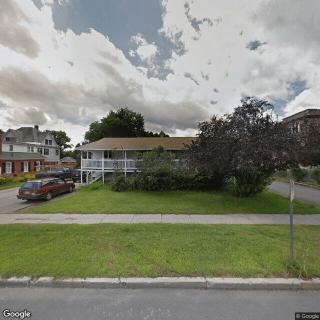
Willows of Windsor
$2,040 / month3.2 miles away -
from -$200 / mo
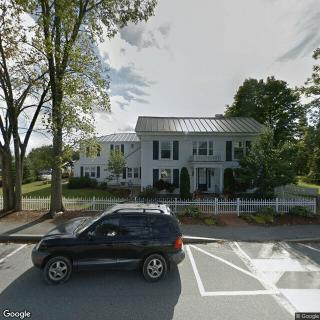
Woodcrest Village
$1,800 to $6,000 / month20.8 miles away
Overall Review of Cedar Hill Health Care Center
Pros
 The Cedar Hill Continuing Care Community is very nice, very clean, and well updated.
- The staff are very friendly and very helpful when questions arise.
- The rooms are very nice, and there are always alternative meals for residents who don’t like what’s served.
- The building is beautiful and well-kept, the food is incredible, and the staff are responsive and caring.
- The mother was allowed to bring her small dog and cat, and she loved it right away.
- The transition to Memory Care was smooth, and she is well-cared for and happy.
Cons
 She was apprehensive about moving.
- Her dementia has progressed.
Review
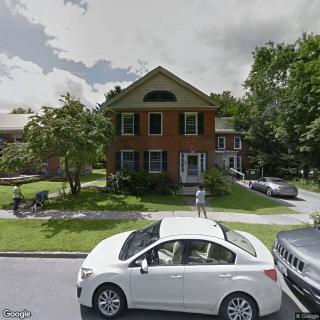
Cedar Hill Health Care Center in Windsor is best suited for families seeking a true continuum of care on a single campus, assisted living, memory care as needs evolve, and rehabilitation options, within a bright, well-maintained environment. The community shines for seniors who benefit from a cohesive setting where transitions between levels of care are familiar and handled with care. Pet-friendly policies, generous dining options with alternatives, and a focus on social engagement make it especially appealing for residents who value comfort, quality surroundings, and meaningful activities as a core part of daily life.
Those weighing alternatives should consider cost and setting, as well as how soon memory care might be required. While Cedar Hill features a robust mix of services, families prioritizing a lower-cost option or a smaller, more intimate atmosphere could find other communities more aligned with budget or personal preference. For residents who prefer entirely pet-free environments, or who want a highly specialized niche (for example, a strictly memory-care-only campus with a different ambiance), exploring options outside the Cedar Hill ecosystem is prudent. The Windsor location matters for families needing straightforward access, but alternatives in other towns may offer different pacing or community dynamics.
The strongest positives here clearly offset potential concerns. The campus is consistently described as very nice, clean, and well updated, with rooms that meet contemporary expectations. Staff comes across as friendly, responsive, and genuinely helpful when questions arise, which translates into smoother daily living and fewer friction points for anxious family members. Meals receive particular praise, including the ability to offer alternatives if residents don’t like what’s on the menu, and the food is repeatedly highlighted as exceptional. The combination of a beautiful, well-kept building, a caring, capable staff, and high-quality dining creates a foundation where residents not only feel secure but also begin to thrive socially.
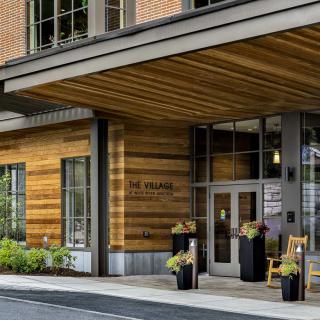
A central pro that further strengthens the value proposition is how the community handles dementia progression. In at least one case, a resident’s transition from Assisted Living into Memory Care was described as smooth, with continued attention to individual preferences like crafts and live music. The staff’s responsiveness extends beyond routine care to facilitating engagement, activities that help residents form friendships, stay connected, and maintain a sense of purpose. The existence of a dedicated “Village” approach within the campus, coupled with rehab in the nursing unit, means there are concrete pathways for staying active and progressing toward personal goals without relocating far away. These elements collectively reduce the disruption that often accompanies escalating care needs.
No substantial drawbacks emerge from the reviews, but potential families should map their expectations accordingly. The absence of explicit negatives suggests Cedar Hill delivers on the essentials: cleanliness, updated amenities, strong staff relationships, and a vibrant social calendar. The tradeoffs implied by any continuum-of-care model, cost considerations and the possibility of eventually moving to more intensive services, are addressed in practice by the campus’s ability to manage transitions with dignity and continuity. For families, this means a fewer need-to-move scenarios and a built-in safety net if dementia or rehab needs intensify, rather than a forced relocation to an unfamiliar setting.
In practical terms, Cedar Hill stands out for families prioritizing an elevated living environment without sacrificing care quality. It’s an optimal fit for seniors who want rich social programming, dependable medical attention, and the comfort of staying connected to familiar staff as needs evolve. For those who place a premium on standout dining, beautiful common areas, and a broad care continuum, including memory care and rehab, the positives clearly outweigh the potential compromises. The recommended next steps are straightforward: arrange a tour, speak with care coordinators about memory-care transition experiences, and confirm current availability in the Village assisted living, memory care, and rehabilitation pathways to ensure the match extends beyond initial impressions.
 39 resident community capacity
 1-bedroom apartments
 Assisted Living
 Continuing Care Retirement Community (CCRC)
 Independent Living
 Memory Care
 Skilled Nursing Facility
 Cats allowed
 Dogs allowed
 Activities off-site
 Beautician on-site
 Cable or satellite TV
 Devotional services on-site
 Dining room
 Fully furnished
 Garden
 Housekeeping services
 Indoor common areas
 Kitchenette
 Laundry
 Move-in coordination
 Outdoor common areas
 Party space
 Respite or short term stays offered
 Restaurant-style dining
 Small library
 Swimming pool
 Telephone
 Wheelchair accessible showers
 Wi-Fi/high-speed internet available
 Transportation & parking
 24-hour call system
 Ambulatory care
 Assistance with bathing
 Assistance with dressing
 Assistance with transfers
 Diabetes diet
 Diabetic care
 High acuity care
 Hospice care
 Incontinence care
 Medication management
 Mental wellness program
 Physical therapy
 Special dietary restrictions
 Fitness programs
 English


 Understanding Dementia Through Its Seven Stages: A Comprehensive Look at Progression and Expectations
 A Holistic Dementia Care Guide: Effective Strategies for Memory Support
 Comprehensive Insights into Activities of Daily Living (ADLs) and Their Assessment