
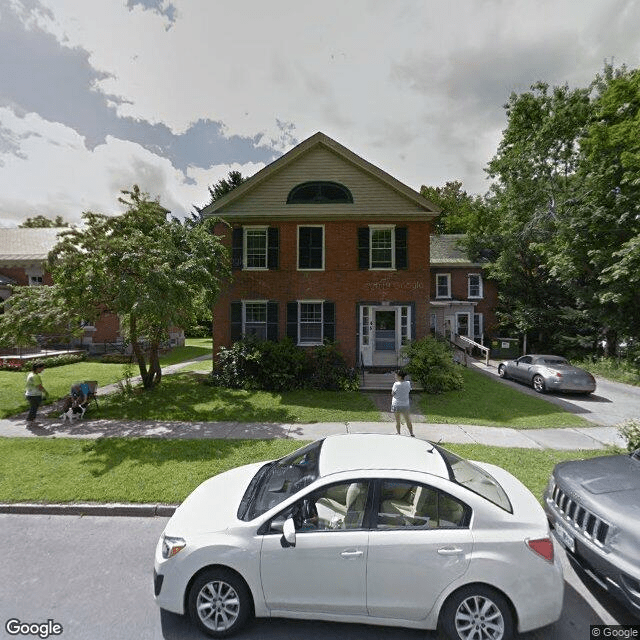
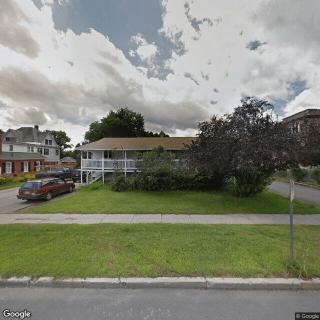
45 State Street, Windsor, VT 05089
For more information about senior living options: (866) 208-4318
Davis Home Costs & Pricing
At Davis Home, the monthly rate for a private room is set at $3,800. This figure positions Davis Home above the average cost in Windsor County, where private rooms are priced at approximately $3,160. However, it remains more economical than the statewide average for Vermont, which stands at $4,251. This pricing structure suggests that while residents may find Davis Home to be on the higher side compared to local options, it still offers a competitive choice when viewed within the broader context of state averages. Such dynamics reflect the quality and services that might be provided by Davis Home, making it a noteworthy consideration for those seeking care in this region.
| Floor plans | Davis Home | Windsor County | Vermont |
|---|---|---|---|
| Private | $3,800 | $3,160 | $4,251 |
Memory care communities with a similar price nearby
-
About the same
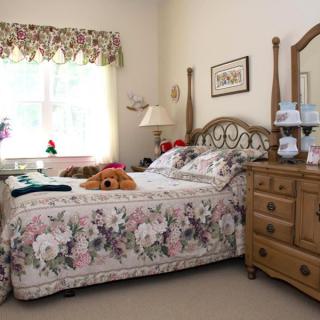
Village At Cedar Hill
$3,800 to $5,700 / month3.1 miles away
Overall Review of Davis Home
Pros
 They seemed to take care of the residents.
- The rooms were nice.
- They have three different stairwells, which were nice.
- The place was clean and well maintained.
- The staff was very friendly.
- They are like a family and they all eat dinner together.
- They have games as well as arts and crafts.
- They offered entertainment for residents such as a game room, which gave people opportunities to meet other people and make new friends.
- People feel very comfortable putting their loved ones here.
Cons
 The chairlift scared her, and she did not want to deal with it.
- Some rooms must be shared with other residents.
- Residents had to wait a long time to get into the single rooms.
- The dining area was nothing special.
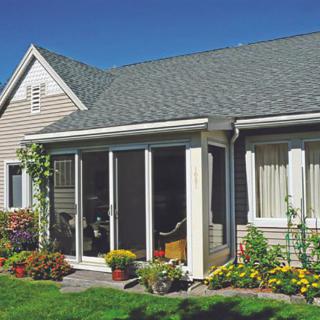
- The closed-in porch could not be used in cold weather.
- The staff were aloof.
- Residents with Alzheimer's were kept locked in their rooms at night.
- The reviewer felt that the grandmother was being kept prisoner.
Review
Davis Home in Windsor is best suited for seniors who want a small, family-oriented atmosphere where care feels personal and residents are treated like part of a close-knit group. This community works well for those who can tolerate a homey, older-house setting and value ongoing social engagement, regular in-house activities, and hands-on attention from staff. It is particularly appealing for families seeking a place where laundry and medications are handled on site and where meals are shared in a communal, neighborly environment. It suits residents who are comfortable with the potential need to share a room initially and who do not require immediate access to highly specialized medical care or a modern, resort-style ambiance. For couples or individuals who prize a calm, home-like routine over state-of-the-art amenities, Davis Home presents a compelling fit.
The strongest positives center on the intimate, community-driven culture. The staff are described as friendly, accommodating, and genuinely caring, contributing to a vibe that feels like a family unit rather than a sterile institution. Residents benefit from having their laundry and medications managed by the facility, which reduces family stress and ensures consistency of routines. Meals are not formal restaurant experiences, but the social element is meaningful, staff and residents dining together reinforces a sense of belonging. Activities such as games, arts and crafts, and library visits provide regular opportunities for meaningful engagement, which can be especially important for memory care or mild cognitive decline. Cleanliness and maintenance round out the positives, with the home-like charm of an older house contributing to a comfortable, lived-in atmosphere.
Yet, several notable drawbacks deserve careful consideration. Shared rooms can be a constraint for those who value privacy or for couples seeking to stay together without negotiating space. Waiting lists for single rooms mean some residents may have to endure a period of less-than-ideal accommodation before an upgrade becomes available. The layout, with three stairwells and a chairlift, can pose real concerns for mobility, safety, and peace of mind, particularly for residents with limited stamina or fear of equipment. The dining area is described as unexceptional, and the seasonal nature of the enclosed porch limits outdoor enjoyment during colder months. Additionally, a prior review mentions a perception of aloofness from staff during a previous ownership period, and a historical note about dementia care practices where some individuals with Alzheimer's were kept in rooms at night, which raises legitimate questions about current wandering security and staffing culture under new ownership.
These strengths and weaknesses do not exist in isolation; they interact in meaningful ways. The tight-knit, hands-on approach to care and the staff’s willingness to integrate into residents’ daily lives can offset some inconveniences of a smaller, older facility. For families prioritizing daily involvement, predictable routines, and visible affection from caregivers, Davis Home delivers trust and warmth that are hard to find in larger, more impersonal buildings. The operational advantages of in-house laundry and medication management further reduce caregiver burden, making the community a practical choice for those who want peace of mind about day-to-day tasks. The social calendar, library time, and creative activities support continued engagement and dignity, helping residents maintain a sense of purpose and community belonging despite limited private space.
Alternatives should be strongly considered for families with higher needs or different priorities. Those seeking immediate access to private accommodations without a waiting period should look elsewhere, as single rooms may require patience. Families prioritizing a modern, updated interior, more expansive dining facilities, or higher levels of security for advanced dementia may prefer facilities with newer layouts, more formal dining programs, and clearly defined wandering protections. Residents who have significant mobility limitations or who are uncomfortable with stairs and equipment like chairlifts should assess whether the current infrastructure will remain feasible as needs evolve. In short, Davis Home shines for social connectedness, personalized attention, and a home-like rhythm; it becomes less ideal for those chasing private-room immediacy, high-end amenities, or robust dementia-specific security features.
For a practical next step, families should schedule a firsthand visit to observe daily interactions, ask about current ownership and staffing stability, and confirm what room options are available now and in the near term. Inquire specifically about private-room wait times, the safety and security measures for residents with memory impairment, and how the staff currently balances compassionate care with resident independence. Request a candid discussion about dining and activity programming, seasonal accessibility of the enclosed porch, and how the three stairwells are managed during day-to-day living. With clear expectations about room options, safety protocols, and the level of social connectedness, Davis Home can be a strong match for the right resident, and a poor fit for those seeking a more contemporary, low-friction environment.
 18 resident community capacity
 Studio apartments
 Assisted Living
 Board and Care Home
 Memory Care
 Activities off-site
 Cable or satellite TV
 Devotional services off-site
 Dining room
 Fully furnished
 Garden
 Housekeeping services
 Indoor common areas
 Move-in coordination
 Outdoor common areas
 Private
 Respite or short term stays offered
 Telephone
 Wheelchair accessible showers
 Wi-Fi/high-speed internet available
 24-hour supervision
 Ambulatory care
 Assistance with bathing
 Assistance with dressing
 Assistance with transfers
 Diabetes diet
 Diabetic care
 Incontinence care
 Meal preparation and service
 Medication management
 Special dietary restrictions
 Transportation arrangement (medical)
 Transportation to doctors appointments


 How and When Medicaid May Cover Assisted Living Costs
 A Detailed Exploration of Assisted Living Medicaid Waivers Across the United States
 Exploring the Contrasts Between Assisted Living and Skilled Nursing