
40 Maxwell Perkins Lane, Windsor, VT 05089
For more information about senior living options: (866) 208-4318
Overall Review of Historic Homes of Runnemede
Pros
 The staff is friendly and dedicated.
- The grounds are nice and the setting feels comfortable.
- The town has historic charm, with former capital status and long-standing historic buildings and cemeteries.
- The location provides easy access to nearby amenities such as a diner, barber, and hair salon.
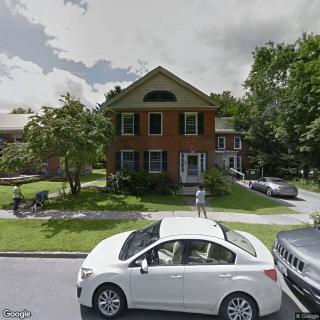
- Stoughton House offers private rooms and private baths, with a caring staff and plenty of activities, creating a homey atmosphere.
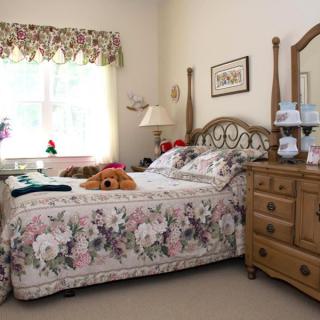
- The rooms are clean and bright.
- Homes of Runnemede is a well-run facility with dedicated long-term employees and well-cared-for properties, and residents are generally happy.
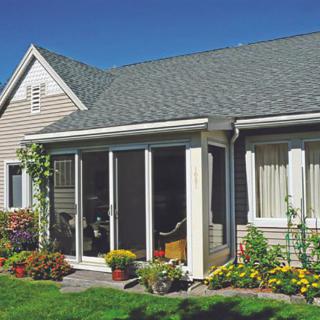
- The facility has expanded to multiple buildings, including a large lawn and a gazebo for residents to enjoy.
- The newest building is pleasant, with good meals and a friendly group of residents, and nearby amenities like a bank and CVS add to convenience.
- There is ample off-street parking and it’s easy to take residents out for the day.
Cons
 The grounds aren’t really a plus at Stoughton House.
- She has to negotiate stairs and narrow hallways.
- The assisted living has no RN on duty, only LNAs.
- The staff were not very interested in the patients, and care slips through the cracks.
- The mother fell numerous times, suffered a compression fracture, and developed dehydration, a bladder infection, and pneumonia due to inadequate monitoring.
- The kitchen suffers from understaffing due to lack of funding.
Review
Historic Homes of Runnemede in Windsor, VT, is best suited for seniors who want a warm, homey, town-centered living experience with options to scale care across multiple buildings. The property emphasizes a neighborhood vibe, with dedicated long-term staff and grounds that invite casual strolls, plus the ambiance of a historic New England town. Families should especially note the presence of private rooms and baths in at least some buildings, and a calendar of activities that keeps residents engaged. The campus expansion over the years, including a large lawn and gazebo, signals stability and investment, while proximity to the town center means simple trips for groceries, banking, or a haircut without long drives. This is not a sterile campus; it feels like a small community.
For those who may want to consider alternatives, this community may not be the best fit for residents requiring intensive medical oversight or 24/7 RN coverage. One review describes an assisted-living environment with only licensed practical nurses on site, noting care gaps and multiple falls with serious consequences that were not promptly addressed. The concern about medical monitoring is echoed by another observer who saw oversight as uneven and yearly evaluations failing to translate into timely escalation of care. The campus’s four-building layout, while offering different care levels, can also create coordination challenges and potential confusion about who is supervising which resident. Families should weigh whether this level of medical oversight aligns with their loved one’s needs.
On the upside, the strongest asset is the staff’s dedication and the long-tenured workforce. Multiple reviews praise caring, friendly, and attentive personnel who have kept residents engaged and well cared-for over the years, even as funding pressures mounted. The private rooms and baths, along with homey atmospheres and limited administrative noise, make the daily routine feel like living in a small, cared-for household rather than a hospital ward. The grounds, a sizable lawn, a gazebo, and easy access to the town’s services, add to the sense of independence for residents who still want to participate in everyday errands. Moreover, the campus expansion has allowed a broader range of care options, from independent-adjacent living to more structured assistance, without sacrificing the familiar feel.
Another clear pro is the practical convenience of the location. Being within walking distance of a diner, barber, and the local grocery or bank reduces the sense of isolation common in aging facilities. The four-building model, while potentially daunting, also provides scale: more private rooms, varied menu options, and diversified activities that can tailor to individual preferences. For families, the ability to choose a newer, nicer building with better access and the belief that the kitchen and staff are concentrated under one campus umbrella can translate to smoother coordination of visits and care plans. Yet the tradeoff is the physical layout; stairs and narrower hallways in some buildings may challenge residents with mobility or wheelchair use, and the consistency of cleanliness or appeal can vary by building.
Quality consistency remains a live concern. The most troubling account points to insufficient medical oversight and neglectful patterns, while another critic notes never witnessing abuse across many visits, the recurring theme is that care quality can slip when budgets shrink and staffing stretches. A poorly funded kitchen underscores the risk, with understaffing affecting day-to-day meals and nutrition. That said, the facility has demonstrated resilience, leveraging long-term employees to compensate for resource gaps and maintaining a generally pleasant resident community. The question for families is whether a relative who requires careful monitoring and prompt escalation, especially during illness or falls, will receive timely intervention in this setting. The answer hinges on the specific resident’s risk profile and the family’s tolerance for variability in care.
In practical terms, Historic Homes of Runnemede is a solid choice for families seeking a warm, active, home-like environment with tangible ties to Windsor’s historic character. It suits seniors who prize private living space, engaging activities, and easy access to local services, and who can accept the potential tradeoffs of a multi-building campus and variable medical oversight. Families weighing alternatives should compare facilities with stronger on-site nursing coverage, clearer care escalation policies, and more uniform facility-wide operations. A candid tour focused on the specific unit and care level desired will reveal whether this campus’s strengths, dedicated staff, independence-friendly grounds, and intimate atmosphere, match the resident’s needs and the family’s expectations for safety and consistency.
 47 resident community capacity
 1-bedroom apartments
 Assisted Living
 Independent Living
 Skilled Nursing Facility
 Activities on-site
 Beauty salon
 Cable or satellite TV
 Devotional services off-site
 Dining room
 Financing advice
 Fully furnished
 Garden
 Housekeeping services
 Indoor common areas
 Kitchenette
 Laundry
 Move-in coordination
 Outdoor space
 Resident parking
 Respite or short term stays offered
 Telephone
 Wi-Fi/high-speed internet available
 Transportation & parking
 24-hour call system
 Ambulatory care
 Assistance with bathing
 Assistance with dressing
 Assistance with transfers
 Diabetes diet
 Diabetic care
 Hospice care
 Meal preparation and service
 Medication management
 Mental wellness program
 Special dietary restrictions
 Transportation arrangement (medical)
 English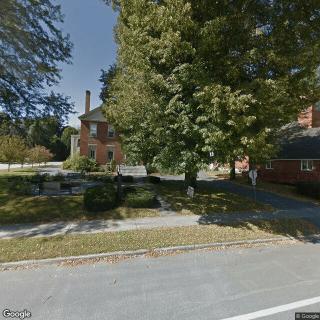

 Social Security Benefits and Assisted Living: Navigating Options Across the U.S.
 An Extensive Exploration of the VA Aid and Attendance Benefit
 Senior Transition Services: Understanding Their Role, Cost, and Importance