
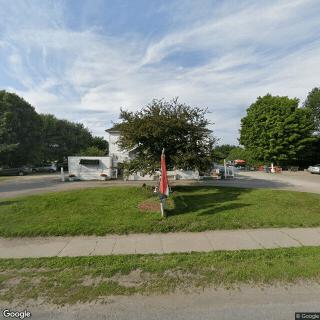
1071 Vt Route 15, Westford, VT 05494
For more information about senior living options: (866) 208-4318
Overall Review of Second Spring North
Cons
 They caution others not to bother with Second Spring.
- They report that after two days of repeated calls to administrators and the head nurse, there was not a single return call.
- They note the facility never returns calls from someone wanting to do business.
- They indicate they chose to look elsewhere.
- They question how the facility would handle money if they canā€™t even return calls from prospective clients.
- They state the staff were never available and voicemails were not returned.
Review
Second Spring North in Westford, VT is best suited for families that are willing to do their due diligence up front and verify what is promised through direct, hands-on engagement. It appeals to those who value mixed feedback, strong ratings alongside a clear warning about administrative responsiveness, and who can take an active role in vetting care quality. In practice, the community rewards families who push for concrete answers, request tours, and insist on seeing positive references in action. This is not a hands-off option; it favors those who will show up, ask tough questions, and assess continuity of care through in-person observations and conversations with staff and residents.
That said, potential residents who need a quick, trouble-free admissions experience should consider alternatives. The most persistent caution from reviewers concerns accessibility and timely communication. When questions arise or arrangements are in flux, a delay in returning calls or coordinating visits can create a meaningful obstacle, especially for families managing health concerns, tight relocation timelines, or urgent caregiving decisions. In such cases, a facility that can demonstrate reliable, proactive outreach at the outset is a safer bet than one that requires persistent follow-up to obtain basic information and access.
The core con here is clearly the responsiveness gap. A single, well-documented instance shows administrators and the head nurse not returning repeated call attempts over multiple days, despite a family member hoping to visit and discuss care in person. That pattern is not merely inconvenient; it tests trust during the critical pre-admission phase when families are negotiating care plans, staffing expectations, and financial commitments. The risk is broader than a missed appointment: if outreach to prospective residents is unreliable, ongoing communication with families after move-in could deteriorate just as quickly, undermining confidence in the overall care partnership.
The flipside is that the community does carry credible positives, as reflected in the rating mix: multiple high marks suggest that, once engaged, residents and families may experience meaningful benefits in care quality, programming, and daily life. Positive reviews, though not detailed in the available material, imply strengths in staff interactions, safety, or environment that some families highly value. When weighed against the notable communication shortfall, the decision hinges on whether those strengths can be accessed consistently through a more reliable intake process and ongoing liaison. If the administration can match on-site care quality with predictable, proactive communication, the overall package becomes compelling.
For families seriously considering this option, a disciplined due-diligence plan is essential. Schedule a tour with a guaranteed follow-up protocol, and request the name and direct contact of a dedicated admissions liaison. Ask for concrete examples of how care coordination is handled for new residents, and obtain recent references from families who can speak to the admissions experience as well as to ongoing responsiveness after move-in. Seek a written outline of expected response times for routine questions, and confirm regular channels of communication, whether by phone, email, or a family portal. Bring a trusted advocate to the visit, and insist on seeing a sample care plan and a transparent rate sheet with any ancillary costs.
In the end, Second Spring North is a viable choice for families willing to invest effort into verifying promises and who can tolerate a potential slog in the admissions phase in exchange for what appears to be solid care quality in practice. For those who prioritize reliable, immediate administrative responsiveness as a non-negotiable criterion, stronger alternatives may be preferable. The decision rests on whether the anticipated care advantages can be accessed through a disciplined, proactive intake process and sustained, dependable communication once the journey begins.
 8 resident community capacity
 Assisted Living
 Cable or satellite TV
 Dining room
 Fully furnished
 Garden
 Housekeeping services
 Move-in coordination
 Outdoor space
 Telephone
 Wi-Fi/high-speed internet available
 Burlington International (15 miles away)
 24-hour supervision
 Activities of daily living assistance
 Assistance with bathing
 Assistance with dressing
 Assistance with transfers
 Diabetes diet
 Meal preparation and service
 Medication management
 Special dietary restrictions
 Transportation arrangement (medical)
 Transportation to doctors appointments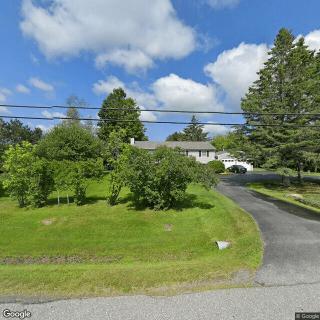
 Home-like setting with a focus on socialization and convenient access to nearby amenities.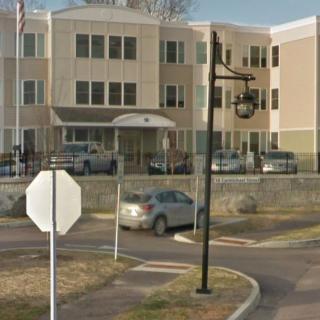


 How and When Medicaid May Cover Assisted Living Costs
 A Detailed Exploration of Assisted Living Medicaid Waivers Across the United States
 Comprehensive Residential Support and Assisted Living Solutions for Individuals with Disabilities