St. Johnsbury Health and Rehabilitation Center

Save

  • Interior

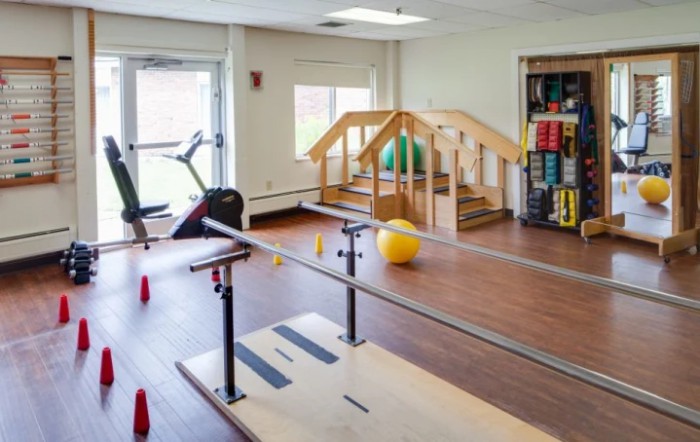
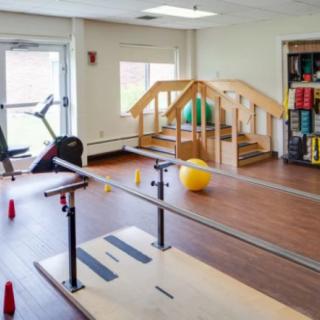
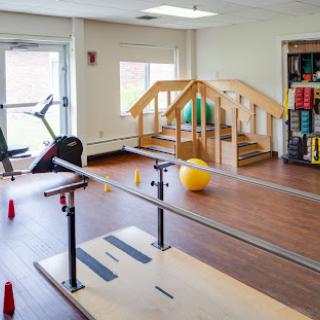
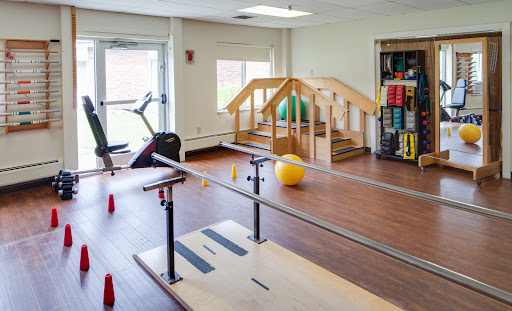
    A physical therapy room equipped with parallel bars, a stationary bike, and an exercise ball for rehabilitation exercises.
  • Decor

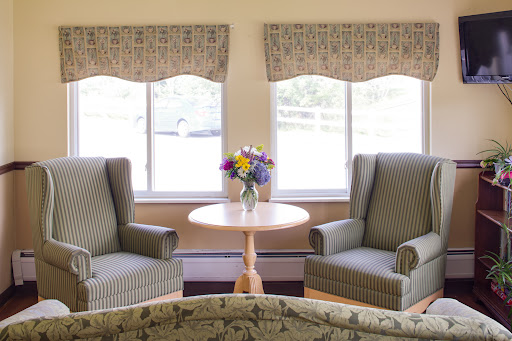
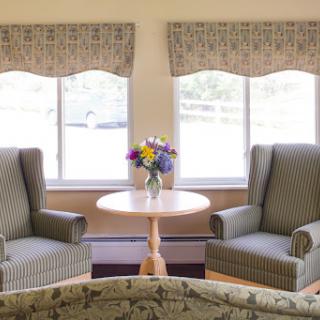
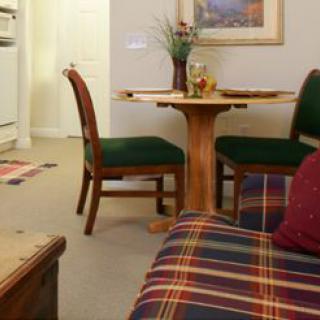
    A cozy living room setup featuring two chairs, a small table with flowers, and natural light coming through the windows.
  • Living Room

    A cozy living room setup with two armchairs and a small round table adorned with a vase of colorful flowers in front of large windows.
  • Building

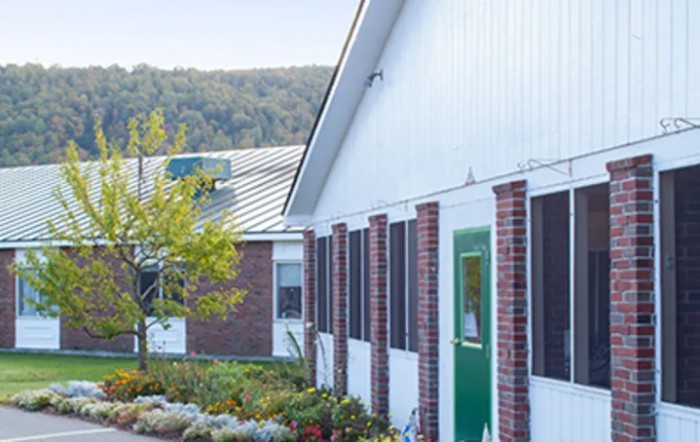
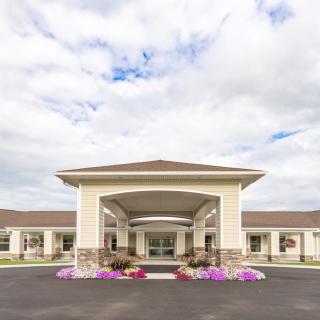
    A building with brick walls and a green door surrounded by natural landscaping.
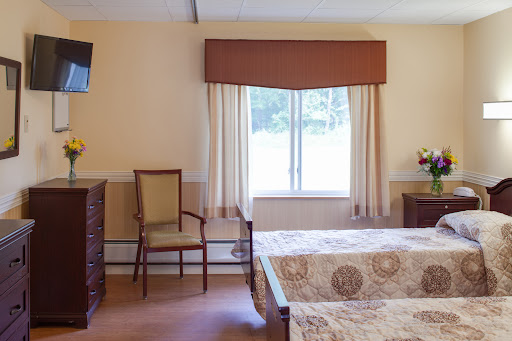
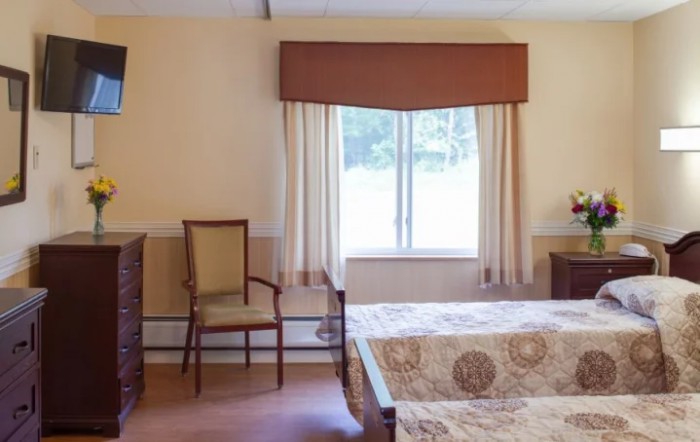
  • Bedroom

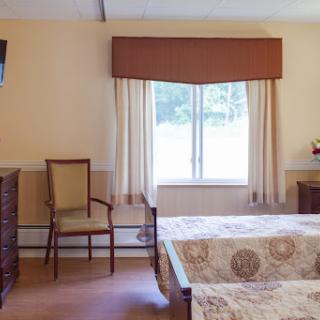
    A cozy hotel room featuring a bed, a chair, a TV, and a view through the window.
  • Windows

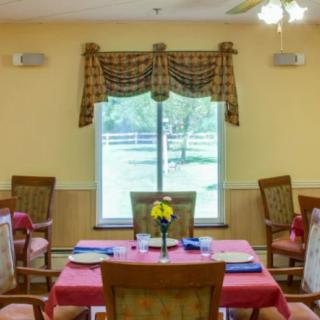
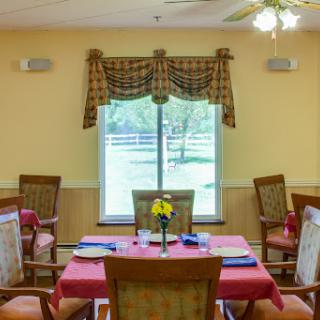
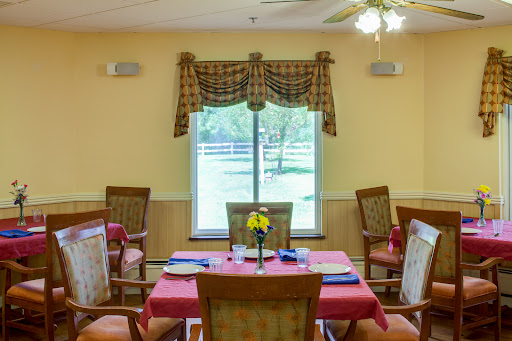
    A cozy dining room with tables and chairs neatly arranged by a window with decorative curtains.
  • Dining

    A cozy dining area with a beautifully set table, inviting natural light from the window.
  • Landscaping

    A charming wooden gazebo surrounded by vibrant flowers and lush greenery.
  • Garden

    A wooden gazebo surrounded by lush garden greenery and flowers.
  • Exercise Equipment

    A well-equipped rehabilitation space featuring exercise bars, a balance ball, and various fitness tools.

St. Johnsbury Health and Rehabilitation Center

1248 Hospital Drive, St. Johnsbury, VT 05819

For more information about senior living options: (844) 490-3973

3.5 from 25 reviews
5 stars
13
4 stars
3
3 stars
0
2 stars
1
1 stars
8

Assisted Living Skilled Nursing Facility

Overall Review of St. Johnsbury Health and Rehabilitation Center

Pros

  • pro Kim H. is praised as the best DON the reviewer has ever met.
  • pro Kim H. actually got the reviewer's insulin pump back on them.
  • pro There are many good staff members.
  • pro All staff were very helpful and pleasant to deal with.
  • pro The staff were exceptionally nice and so helpful and friendly.
  • pro The family member looked very happy and well cared for.
  • pro The workers were all very friendly and helpful; the whole facility is very clean.
  • pro The reviewer would strongly suggest this facility.

Cons

  • pro The reviewer perceived a lack of communication and described staff as unprofessional and disengaged.
  • pro The reviewer felt the care did not meet the facility's stated values and standards.
  • pro The food was described as horrible and unfit for anyone.
  • pro There was absolute negligence with no communication from staff and a huge risk of patient falls due to inattention.
  • pro There was no timely follow-up about hospital transfers, and essential paperwork could not be located.
  • pro The reviewer believes their father died alone due to poor communication.
  • pro A staff member spoke to the reviewer's mother in an insulting tone.
  • pro The facility was described as a dump with neglect, bedsores, and failure to provide basic needs like showers and meals.
  • pro Items were reported missing from residents with no accountability.

Review

The collection of reviews paints a portrait of a facility with a striking split in experiences. On one hand, there is unanimous praise for certain individuals who seem to go above and beyond. Kim H., identified as the Director of Nursing, is repeatedly singled out as the best D.O.N. the reviewers have encountered in many years of dealing with major health issues. Several other staff members - listed by name in a long roster - are described as incredibly helpful, supportive, friendly, and dedicated. There are recollections of staff going the extra mile, such as getting an insulin pump reconnected for a resident or waking a sleeping family member's relative with care and courtesy. The sentiment is that there are many good, capable, and caring people on the team who clearly care deeply about the residents, and some reviewers even note that the facility is clean and that the staff overall strive to be pleasant and accommodating.

Yet, alongside those positive experiences, a substantial number of reviews express disappointment rooted in communication failures, disengagement, and professional lapses. Several reviewers feel that communication with families and coordination with the broader medical team are lacking, even when the facility's own website promotes a standard of care that suggests better integration and transparency. Families report being kept out of the loop, or receiving inconsistent or delayed updates about a loved one's condition, hospital transfers, or changes in treatment plans. The recurring complaint is that the promised level of coordination is not consistently delivered, and that this gap in communication elevates anxiety during already stressful health situations.

Dietary and nutritional concerns appear in multiple accounts as well. The feedback ranges from sharp dissatisfaction with the quality and appeal of meals to explicit calls for healthier, fresher options tailored to aging residents. One reviewer even described the food as so poor that it wouldn't be fed to a dog, attributing serious consequences to long-standing issues with nourishment. While some reviewers acknowledge the facility's general cleanliness and the amiability of many staff, the impression of subpar food service remains a common thread in the negative feedback, underscoring how important meals are to overall well-being in a setting like this.

Safety, care quality, and staffing levels emerge as another critical area of concern. Several accounts claim a lack of attentiveness to basic nursing tasks, with mentions of potential falls and insufficient hands-on care due to short staffing. Specific anecdotes describe residents not being bathed or turned as recommended, with some situations described as creating a sense of neglect or disregard for basic dignity. Issues surrounding urgent medical decisions and follow-ups are highlighted, including complaints about how changes in a patient's health status are communicated and acted upon, as well as difficulties in obtaining timely responses after hospital visits or transfers. The fear expressed by families is that essential safeguards are not consistently applied, leaving residents vulnerable.

There are particularly intense, emotional narratives that touch on end-of-life care and communication around DNR orders and transfers to hospitals. One reviewer recounts a deeply painful experience in which family members felt left out of critical conversations and perceived miscommunication about a relative's decline, culminating in a phone call that left them feeling blamed and disrespected. Accusations surface about not honoring a DNR, misplacing paperwork, and a lack of clarity about whether a transfer to the hospital was the right move given the severity of the situation. The language is stark and suggestive of a breakdown in trust, with the reviewer asserting that the facility and a connected hospital were not meeting expectations for compassionate, clear, and timely communication during a crisis, and even calling for regulatory attention.

Despite the negative stories, some entries reflect a markedly different experience, where visitors describe positive interactions and supportive care. Stories of staff being incredibly kind, patient, and helpful during visits - such as a caregiver helping a family member wake a sleeping relative or staff going out of their way to ensure visitors felt welcome - offer a counterpoint to the harsher critiques. A few reviewers specifically praise the facility's cleanliness and the overall kindness and approachability of the caregiving team, suggesting that the environment can be comforting and well-run in certain circumstances. There are even assurances from some reviewers that the facility can be a good choice in difficult times, depending on the day and the particular staff on duty.

The overall picture, therefore, is not a simple slam or a single verdict. The reviews collectively demonstrate that this facility can deliver exceptional, person-centered care through dedicated professionals who form strong bonds with residents and families. Simultaneously, they reveal a pattern of serious concerns about consistency, communication, and responsive caregiving that can undermine confidence and trust. For prospective families evaluating this center, the takeaway is to recognize the potential for excellent care and genuine empathy from some staff while remaining vigilant about the facility's systems: request direct conversations with leadership, ask about staffing ratios and turnover, clarify how updates are communicated, and verify how end-of-life decisions and transfers are managed. Visits, questions to the DON, and a clear understanding of what to expect in terms of meals, daily routines, and bedside care can help balance the strong positives against the more troubling reports. The reviews together emphasize that, in this setting, the human touch of extraordinary staff members can coexist with structural challenges that require careful scrutiny and proactive oversight.

Features

Housing

  • 21 resident community capacity 21 resident community capacity

Types of Care

  • Assisted Living Assisted LivingAssisted living facilities provide crucial support and care for seniors who may need help with daily tasks such as medication management, bathing, and meal preparation. These communities offer a safe and comfortable environment where seniors can maintain their independence while receiving the assistance they need to thrive in their golden years.
  • Skilled Nursing Facility Skilled Nursing FacilitySkilled Nursing Facilities are crucial for seniors as they provide round-the-clock medical care, rehabilitation services, and assistance with daily activities. These facilities ensure that seniors receive the specialized care they need to maintain their health and well-being as they age.

Amenities

  • Beauty salon Beauty salonBeauty salons are important for seniors because they provide a space for them to feel pampered, socialize, and maintain their personal grooming and hygiene. Regular visits to a beauty salon can help boost seniors' self-esteem and overall well-being.
  • Cable or satellite TV Cable or satellite TVCable or satellite TV is important for seniors because it provides entertainment, news, and companionship, helping to combat loneliness and boredom. It also offers a wide range of programming options tailored to different interests and preferences.
  • Dining room Dining roomDining rooms are important for seniors as they provide a space for socialization, connection, and nutritious meals. They offer opportunities for residents to bond over shared meals, foster a sense of community, and promote healthy eating habits. Dining rooms also ensure that seniors have access to well-balanced meals tailored to their dietary needs and preferences.
  • Fully furnished Fully furnishedFully furnished senior living communities are important for seniors because they provide convenience, comfort, and a hassle-free moving experience. Seniors can easily settle into their new living space without the stress of having to buy and move furniture. This allows them to focus on enjoying their new home and community.
  • Garden GardenGardens are important for seniors as they provide a peaceful and therapeutic environment for relaxation, physical activity, and socialization. Being in nature has been shown to reduce stress, improve mood, and promote overall well-being. Gardens also offer opportunities for seniors to engage in gardening activities, which can improve mobility, flexibility, and cognitive function. Additionally, gardens create a sense of community and connection with others who share a passion for plants and outdoor spaces.
  • Housekeeping services Housekeeping servicesHousekeeping services are important for seniors because they help maintain a clean and safe living environment, promote independence, and reduce the risk of accidents or illnesses. Additionally, having assistance with household chores can alleviate physical strain and allow seniors to focus on other aspects of their well-being.
  • Kitchenette KitchenetteKitchenettes are important for seniors living in senior living communities because they provide the convenience and independence of being able to prepare simple meals and snacks in the comfort of their own living space. This can help promote a sense of autonomy and well-being for seniors, allowing them to maintain some level of control over their dietary choices and daily routines.
  • Move-in coordination Move-in coordinationMove-in coordination is important for seniors because it helps ease the transition into their new living environment. It ensures that all logistics, such as packing, organizing movers, and setting up utilities are taken care of, allowing seniors to focus on settling in and adjusting to their new home. Having a smooth move-in process can alleviate stress and anxiety, making the transition smoother and more enjoyable for seniors.
  • Outdoor space Outdoor spaceOutdoor spaces are important for seniors as they provide opportunities for physical activity, social interaction, exposure to natural light and fresh air, and a sense of connection to nature. Having access to outdoor spaces can improve overall well-being and quality of life for older adults living in senior communities.
  • Telephone TelephoneTelephones are important for seniors as they provide a lifeline for communication with loved ones, emergency services, and healthcare providers. They offer a sense of security and independence, enabling seniors to stay connected and access assistance when needed.
  • Wi-Fi/high-speed internet available Wi-Fi/high-speed internet availableWi-Fi/high-speed internet is important for seniors to stay connected with loved ones, access online resources, and participate in virtual activities to combat feelings of loneliness and isolation. It also allows them to easily manage healthcare needs, access entertainment, and engage in lifelong learning opportunities.

Care Services

  • 24-hour call system 24-hour call system24-hour call systems are important for seniors because they provide peace of mind and immediate assistance in case of emergencies. This technology ensures that help is always available, promoting safety and security for elderly individuals living alone or in assisted living facilities.
  • 24-hour supervision 24-hour supervision24-hour supervision is important for seniors to ensure their safety, well-being, and access to immediate assistance in case of emergencies or health issues. This constant support provides peace of mind for both seniors and their loved ones, allowing them to age in place with dignity and security.
  • Activities of daily living assistance Activities of daily living assistanceActivities of daily living assistance are important for seniors because they provide essential support with tasks such as eating, bathing, dressing, and mobility. This assistance helps seniors maintain their independence, dignity, and overall quality of life as they age.
  • Assistance with bathing Assistance with bathingAssistance with bathing is crucial for seniors as it helps maintain personal hygiene, prevents infections, and ensures their overall well-being and comfort. It also provides a sense of dignity and independence for seniors who may struggle with this task on their own.
  • Assistance with dressing Assistance with dressingAssistance with dressing is important for seniors because it helps maintain their independence, promotes personal hygiene, prevents accidents and injuries, and improves overall quality of life. This service ensures that seniors can continue to dress comfortably and confidently, despite any physical limitations they may have.
  • Assistance with transfers Assistance with transfersAssistance with transfers is crucial for seniors as it helps prevent falls and injuries, maintains their independence, and ensures they can safely navigate their living environment. It also provides peace of mind for both seniors and their loved ones.
  • Coordination with health care providers Coordination with health care providersCoordination with health care providers is crucial for seniors to ensure proper medical care, medication management, and overall well-being. This collaboration helps prevent overlapping treatments, track progress more effectively, and provide comprehensive support tailored to individual needs.
  • Diabetes diet Diabetes dietA diabetes diet is crucial for seniors as it helps manage blood sugar levels, reduce risks of complications, and improve overall health and well-being. By following a balanced and nutritious diet tailored to their specific needs, seniors can better control their diabetes and enhance their quality of life.
  • Meal preparation and service Meal preparation and serviceMeal preparation and service are crucial for seniors as they may have limited mobility or energy to cook nutritious meals. Having access to healthy and convenient food options can ensure they are getting the proper nutrition needed to maintain their overall health and well-being.
  • Medication management Medication managementMedication management is crucial for seniors to ensure they are taking the right medications at the correct dosages and times. This helps prevent adverse drug interactions, reduces the risk of medication errors, and promotes overall health and well-being. Proactive management also allows for adjustments as needed based on changing health conditions or new prescriptions.
  • Mental wellness program Mental wellness programMental wellness programs are essential for seniors as they promote cognitive stimulation, emotional support, and social engagement. These programs help prevent isolation, depression, and cognitive decline, ultimately enhancing the overall quality of life for older adults.
  • Special dietary restrictions Special dietary restrictionsSpecial dietary restrictions are important for seniors because age-related changes in metabolism and health conditions can make it difficult for their bodies to process certain foods. By following a diet tailored to their specific needs, seniors can maintain their overall health and well-being, manage chronic conditions, and reduce the risk of complications such as malnutrition or food interactions with medications.
  • Transportation arrangement (medical) Transportation arrangement (medical)Transportation arrangements for medical purposes are essential for seniors as they may have difficulty driving themselves to appointments or accessing public transportation. Having reliable and safe transportation options ensures that seniors can receive timely medical care and maintain their health and well-being.
  • Transportation to doctors appointments Transportation to doctors appointmentsTransportation to doctors' appointments is crucial for seniors as it ensures they have access to necessary medical care and support for their health needs. Without reliable transportation, seniors may struggle to attend important appointments, leading to potential delays in treatment and health complications. Providing transportation services helps seniors maintain their overall well-being and quality of life.

Dining

  • Diabetes diet Diabetes dietA diabetes diet is crucial for seniors as it helps manage blood sugar levels, reduce risks of complications, and improve overall health and well-being. By following a balanced and nutritious diet tailored to their specific needs, seniors can better control their diabetes and enhance their quality of life.
  • Special dietary restrictions Special dietary restrictionsSpecial dietary restrictions are important for seniors because age-related changes in metabolism and health conditions can make it difficult for their bodies to process certain foods. By following a diet tailored to their specific needs, seniors can maintain their overall health and well-being, manage chronic conditions, and reduce the risk of complications such as malnutrition or food interactions with medications.

Activities

  • Community-sponsored activities Community-sponsored activitiesCommunity-sponsored activities are important for seniors as they provide opportunities for social interaction, mental stimulation, and physical activity. These activities can help improve overall well-being, combat loneliness and isolation, and promote a sense of belonging and purpose among older adults.
  • Scheduled daily activities Scheduled daily activitiesScheduled daily activities are important for seniors because they provide structure, socialization, mental stimulation, and physical activity. Engaging in regular activities can improve overall well-being and quality of life for seniors living in a community setting.

Description

The St. Johnsbury Health and Rehabilitation Center in St. Johnsbury, VT is a skilled nursing facility that provides excellent care for seniors in need of assistance with daily activities and health management. Our fully furnished facility offers a comfortable and homely environment for our residents.

To ensure our residents' comfort and entertainment, we provide amenities such as cable or satellite TV, Wi-Fi/high-speed internet, a dining room, and outdoor space where they can relax and enjoy nature. Housekeeping services are provided to maintain cleanliness and hygiene throughout the facility.

Our dedicated staff members provide 24-hour supervision and assistance with activities of daily living, including bathing, dressing, and transfers. We also coordinate with healthcare providers to ensure that our residents receive the necessary medical attention. Medication management is handled by trained professionals to ensure proper dosage and timing.

At St. Johnsbury Health and Rehabilitation Center, we understand the importance of nutrition in maintaining good health. That's why we offer special dietary restrictions to cater to various needs. Our experienced chefs prepare delicious meals while following diabetes diets when required. Meal preparation and service are taken care of so that residents can focus on enjoying their meals.

We believe in promoting the mental wellness of our residents through our mental wellness program. Scheduled daily activities keep our residents engaged and entertained, enhancing their overall well-being.

Convenience is key at our assisted living community, with numerous cafes, parks, pharmacies, restaurants, transportation options, places of worship, theaters, hospitals nearby for easy access to various services.

Join us at the St. Johnsbury Health and Rehabilitation Center where compassionate care meets quality living.

Nearby Places of Interest

Located in St. Johnsbury, Vermont, this area offers a variety of healthcare options with physicians, hospitals, and pharmacies all within close proximity. The restaurants in the area provide a selection of dining options including Taco Bell, Salt Bistro, and Riley's Fish Shack. For coffee lovers, there are cafes like Locally Social Coffee and Auntie Dee Dees Homemade Vermont Baked Goods nearby. Transportation is convenient with multiple U-Haul locations for any moving needs. Those seeking entertainment can visit the Star Theatre or relax in one of the local parks such as Dog Mountain or Powers Park. Additionally, there are several places of worship available for spiritual fulfillment, making this area a well-rounded choice for senior living in St. Johnsbury.

Physicians

  • Eye Associates of Northern New England (0.1 miles)
  • Fmc North America (0.1 miles)
  • St Johnsbury Pediatrics (0.1 miles)
  • Anna K. Fariss, MD (0.1 miles)
  • St Johnsbury Family Health Center (0.2 miles)
  • Kingdom Internal Medicine (0.3 miles)
  • Shippee Family Eye Care (0.6 miles)

Hospitals

  • Nvrh Occupational Medicine (0.1 miles)
  • Northeastern Vermont Regional Hospital (0.1 miles)
  • Littleton Regional Hospital (12.7 miles)

Pharmacies

  • Kinney Drugs (0.2 miles)
  • Walgreens (1.7 miles)
  • Gauthier's Pharmacy (1.8 miles)
  • North Eastern Vermont Regional - Thomas Broderick DO (4.3 miles)
  • Kinney Drugs (5.6 miles)
  • Walgreens (5.6 miles)
  • Walgreens (14.1 miles)

Restaurants

  • Taco Bell (0.2 miles)
  • Mike House Ice Cream (1.7 miles)
  • Salt Bistro (1.8 miles)
  • Wine Gate (1.9 miles)
  • Riley's Fish Shack (2 miles)
  • Amatos (2 miles)
  • Market Cafe And Catering (3.5 miles)

Cafes

  • Locally Social Coffee (0.9 miles)
  • The Lyndon Freighthouse (6.2 miles)
  • Auntie Dee Dees Homemade Vermont Baked Goods (10.7 miles)
  • Peacham Cafe (11.2 miles)
  • People of the Beans (15 miles)
  • Cabot Cafe (15.1 miles)
  • Crumb Bum Bakery (15.1 miles)

Transportation

  • U-Haul Neighborhood Dealer (0.9 miles)
  • U-Haul Neighborhood Dealer (6.1 miles)
  • U-Haul Neighborhood Dealer (8.6 miles)
  • Caledonia County Airport (LLX) (8.8 miles)

Theaters

  • Star Theatre (1.3 miles)
  • Star Theatre (1.9 miles)

Parks

  • Dog Mountain (1.6 miles)
  • The Dog Chapel (1.6 miles)
  • Band Stand Park (6.3 miles)
  • Powers Park (6.4 miles)
  • Powers Park (6.6 miles)
  • Remich Park (15.2 miles)

Places of Worship

  • Saint John the Evangelist Church (1.7 miles)
  • St Andrew's Episcopal Church (1.8 miles)
  • Grace United Methodist Church (1.8 miles)
  • St Elizabeth Catholic Church (6.1 miles)
  • Lyndonville United Methodist Church (6.3 miles)
  • Calvary Chapel Ne Kingdom (6.3 miles)
  • Danville United Methodist Church (6.7 miles)

Frequently Asked Questions

Where is St. Johnsbury Health and Rehabilitation Center?
What photos are available for St. Johnsbury Health and Rehabilitation Center in St. Johnsbury, Vermont?

Nearby Communities

Assisted Living in Nearby Cities

Related Resources

  • assisted living vs nursing homeChoosing the Right Senior Care: A Detailed Exploration of Assisted Living and Nursing Homes

    Choosing between assisted living and nursing homes involves evaluating emotional and financial factors, with assisted living offering independence and support for daily activities at a lower cost, while nursing homes provide intensive medical care for individuals with significant health needs. The decision is influenced by personal preferences, health status, cognitive function, and varying Medicaid coverage across states.

  • assisted living costUnderstanding the True Cost of Assisted Living in 2025: A Comprehensive Guide

    Assisted living in 2025 offers a crucial balance of independence and support for seniors, with costs varying from $2,500 to over $7,000 per month based on factors such as location and care level. Understanding pricing complexities, including regional differences and potential hidden fees, is essential for families to plan financially while ensuring quality care for their loved ones.

  • does medicaid pay for assisted livingUnderstanding Medicaid Coverage for Assisted Living: A Comprehensive Guide
    The guide outlines the complexities of Medicaid coverage for assisted living, highlighting significant state-to-state variations, limited coverage often restricted to personal care services, and the existence of specialized waivers for certain needs like memory care. It advises families to consult local Medicaid offices for options while emphasizing the importance of understanding state-specific regulations and facility policies.