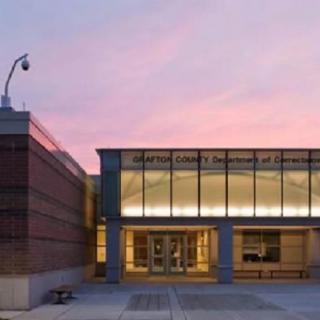
Grafton County Nursing Home in North Haverhill, NH
Save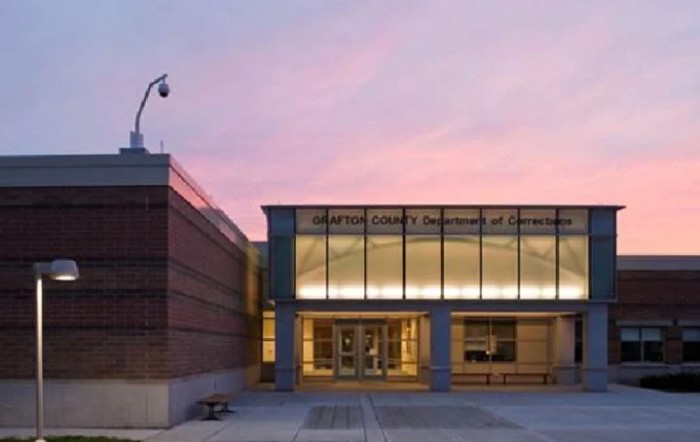
Grafton County Nursing Home is a nursing home community in North Haverhill, NH.
Information last verified:
3855 Dartmouth College Highway, North Haverhill, NH 03774
For more information about senior living options: (866) 208-4318
 The facility is great. It is very clean and well organized. Residents are very well taken care of. The security is great. The staff are amazing—hands-on, attentive, sweet, and caring. The facility offers activities like bingo and exercise. The rooms are nice with inviting living and dining areas. There are round-the-clock nurses and doctors, and the staff are professional and well trained. The campus includes a nice garden and a community-centered atmosphere. The dining experience feels like dining out, with a restaurant-style cafeteria.
 The reviewer found the location too far from her house. The facility is also way out in the country. It is almost an hour away from where the reviewer lives. The reviewer lost cell phone signal through most of the journey there. Two people per room can be difficult and offer little privacy.
Grafton County Nursing Home is best suited for seniors who require around-the-clock nursing care and for families who value a structured, safety-forward environment with strong caregiving relationships. The setting and staffing align particularly well with residents who have memory challenges or later-stage needs, where predictable routines, steady supervision, and meaningful social opportunities matter most. Cleanliness and organization underpin confidence in daily life there, and hands-on, attentive staff are repeatedly described as kind, capable, and genuinely caring. The campus feel, with multiple wings, centralized activity spaces, and a sense of community, supports ongoing engagement and a dignified daily rhythm.
Those weighing alternatives should consider proximity, privacy, and personal preferences for pace. The rural North Haverhill location can be almost an hour from some family homes, and cell signal may be weak along the journey, complicating visits and remote coordination. For families prioritizing a shorter drive, easier connectivity, or private living arrangements, other communities closer to home or offering private rooms may fit better. Distance can also curtail spontaneous involvement in day-to-day activities and special events, which can be a meaningful part of the resident experience.
The strongest positives are substantial and well aligned with what many families seek. The facility’s upkeep is evident, and a secure environment provides peace of mind for families managing medical needs. Around-the-clock nursing and doctor coverage are standard, offering timely intervention and professional oversight. Staff consistently earn praise for their hands-on, compassionate approach, translating into comfortable, well-supported days for residents. The calendar is filled with accessible activities, bingo, light exercise, and seasonal celebrations, that promote social interaction and cognitive engagement, reducing isolation and fostering a sense of belonging.
A particularly important strength is the dementia-friendly design. Circular walking routes and central gathering rooms give residents safe space to wander under supervision, while separate wings allow for tailored care levels. Outdoor spaces, like a garden, contribute to a welcoming, community-centered atmosphere where residents can mingle and participate in shared events. Dining is notably restaurant-style, which enhances dignity and normalcy, and festive meals during holidays reinforce a warm, inclusive culture. Taken together, these elements support mood, routine, and social connection, making everyday life meaningful even within a larger facility.
Yet the most concrete drawbacks are practical and substantive. A number of rooms are shared, which means privacy can be limited for residents who value autonomy and quiet or who require personal routines. The size of the campus and its floor-based separation by care needs can create a sense of distance, between residents and families, and even between care teams, reducing the immediacy of familiar faces during busy shifts. The rural location intensifies these dynamics for visiting families and can complicate logistics. Despite these challenges, the dependable caregiving, robust programming, and steady medical oversight often offset privacy pressures for many families, particularly when dementia care and social engagement are the top priorities.
In sum, Grafton County Nursing Home delivers a practical, solid option for families prioritizing comprehensive care, structure, and social engagement in a dementia-conscious environment. It is less ideal for those who demand private rooms, intimate daily proximity to loved ones, or a short, easily managed commute. Prospective residents should verify private-room availability and assess what distance means for regular visits and emergencies. Relevant questions include exact room configurations, current staff-to-resident ratios on key shifts, and how the facility actively supports ongoing family involvement in daily routines and celebrations. With clear expectations, the community provides dependable care, purposeful activity, and a dignified daily experience that many families will value highly.
 135 resident community capacity
 Skilled Nursing Facility
 Air-conditioning
 Beauty salon
 Cable or satellite TV
 Computer center
 Dining room
 Fitness room
 Fully furnished
 Gaming room
 Garden
 Housekeeping services
 Kitchenette
 Move-in coordination
 Outdoor space
 Private bathrooms
 Restaurant-style dining
 Small library
 Telephone
 Wellness center
 Wi-Fi/high-speed internet available
 Community operated transportation Transportation arrangement Transportation arrangement (non-medical) Transportation to doctors appointments
 12-16 hour nursing
 24-hour call system 24-hour supervision
 Activities of daily living assistance
 Assistance with bathing
 Assistance with dressing
 Assistance with transfers
 Diabetes diet Meal preparation and service
 Medication management
 Mental wellness program
 Special dietary restrictions Diabetes diet Special dietary restrictions Community-sponsored activities
 Concierge services Fitness programs
 Planned day trips Resident-run activities Scheduled daily activities
Grafton County Nursing Home in North Haverhill, NH is a well-equipped assisted living community that offers a range of amenities and care services to ensure the comfort and well-being of its residents. The community provides a homely environment with fully furnished living spaces and private bathrooms, allowing individuals to maintain their privacy while enjoying the convenience of having assistance readily available.
Residents can indulge in various amenities such as a beauty salon, gaming room, small library, fitness room, and outdoor space. For those who require transportation for non-medical purposes or doctors' appointments, the community offers transportation arrangements. Additionally, there is a computer center and Wi-Fi/high-speed internet available for residents to stay connected with loved ones or engage in online activities.
Care services provided at Grafton County Nursing Home include 24-hour call system and supervision to ensure round-the-clock support for residents. Assistance with activities of daily living like bathing, dressing, and transfers are readily available. Medication management is also offered to help individuals adhere to their medication routines accurately. In addition to specialized diets like diabetes diet or special dietary restrictions, meal preparation and service are provided to cater to individual nutritional needs.
The community boasts an array of dining options with restaurant-style dining and special dietary restrictions available upon request. These dining experiences contribute to the overall well-being of residents by providing them with delicious and nutritious meals tailored according to their preferences.
To promote mental wellness, Grafton County Nursing Home offers a mental wellness program focusing on activities designed to enhance cognitive function and emotional health. Daily scheduled activities keep residents engaged while planned day trips provide opportunities for exploration and entertainment. Resident-run activities empower individuals to actively participate in planning events that interest them.
Convenience is another highlight of this community as it is in close proximity to cafes, parks, pharmacies, restaurants, places of worship, physicians' offices, hospitals, and transportation options. This ensures that residents have easy accessibility to various facilities and services outside the community, adding to their quality of life.
Overall, Grafton County Nursing Home provides a comprehensive and compassionate assisted living experience with its wide range of amenities, care services, dining options, and engaging activities.
Grafton County Nursing Home is located at 3855 Dartmouth College Highway, North Haverhill, NH 03774 in Grafton County, New Hampshire
(Frances) Atkinson Residence For The Retired
Newbury, VT
Comprehensive assisted living with meals, housekeeping, transport, and social activities.
Atkinson Residence For Retired
Newbury, VT
Compassionate staff in a warm, homelike setting.

Wendy Thornton
Woodsville, NH
Small, intimate community with 24/7 supervision and personalized care.
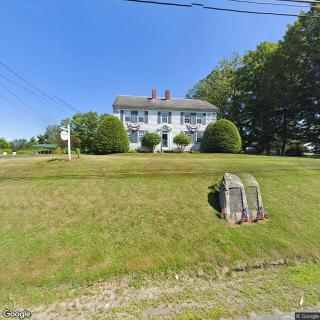
On The Green Residential Care Facility
Haverhill, NH
Small, intimate facility with 24/7 supervision, medication management, and ADL assistance.

In the Pines Shared Home
Haverhill, NH
Convenient location with nearby healthcare, dining, transport, and worship; supportive staff.
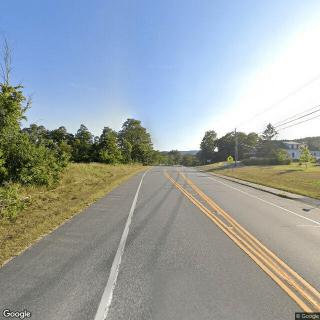
Blue Spruce Home-The Retired
Bradford, VT
Family-run home with caring staff and attentive medical management.
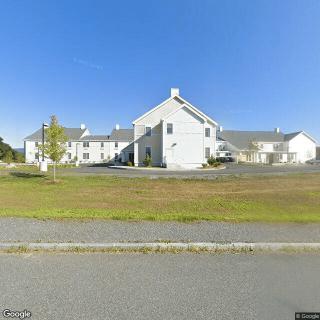
Margaret Pratt Community
Bradford, VT
Memory-care focused with 24/7 supervision and personalized support.
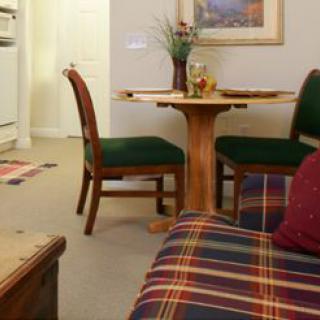
Riverglen House Of Littleton
Littleton, NH
Warm, welcoming community with flexible scheduling, good dining and engaging activities.
Barre Gardens Nursing And Rehab
Barre, VT
Strong rehabilitation program and clean facility in some reviews.
 A Comprehensive Exploration of Common Misunderstandings about Powers of Attorney
The article clarifies common misconceptions about Powers of Attorney (POA), highlighting the necessity of the principal's consent, the limitations on an agent's authority, and the importance of mental capacity when signing. It also distinguishes between various types of POAs, addresses concerns about potential abuse, and emphasizes the need for legal consultation to ensure valid and up-to-date documents.
 Senior Move Management: Understanding the Role, Value, and Associated Costs
Senior move management provides specialized support for older adults relocating by assisting with logistics, emotional challenges, and downsizing decisions to ensure a smooth transition to new living environments. These services address the unique needs of seniors and have become increasingly important as baby boomers retire and seek to downsize.
 Weight Training for Seniors: Building Strength and Vitality
Weight training is vital for seniors to maintain muscle mass, bone density, and overall health, combating age-related declines through customized resistance exercises that enhance balance and well-being. Safe routines should start with realistic goals and proper form, while emphasizing gradual progress and consultations with healthcare providers to ensure safety and effectiveness.
Building