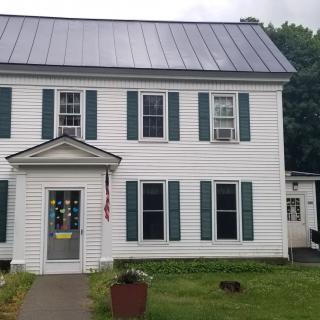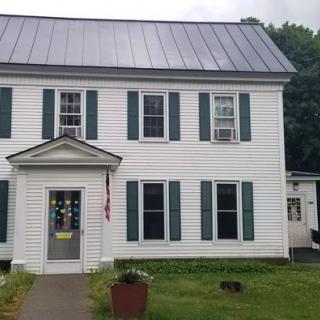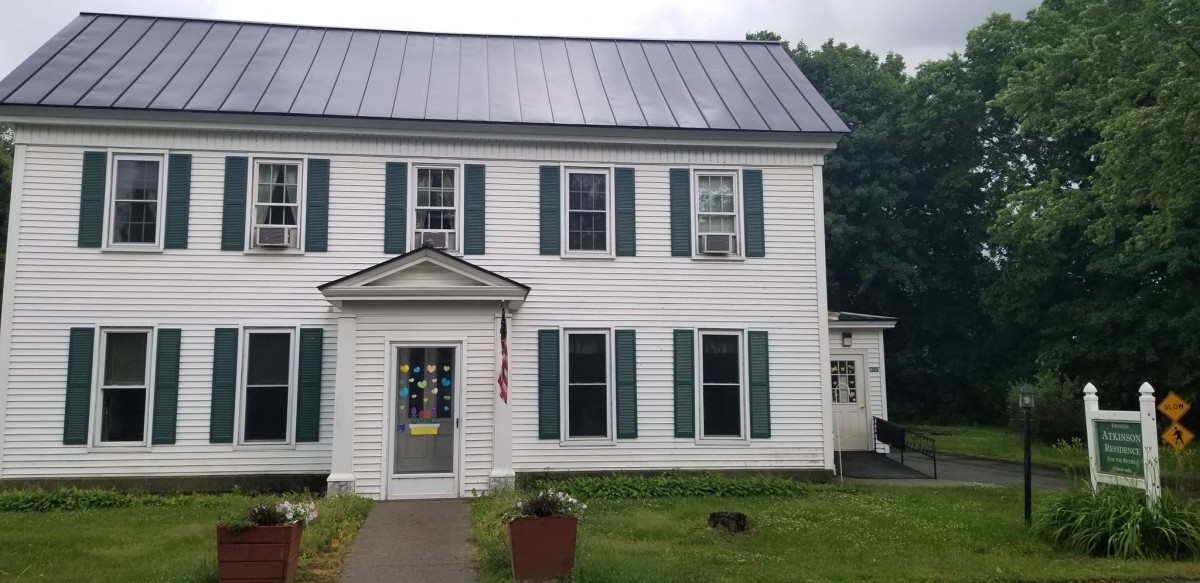
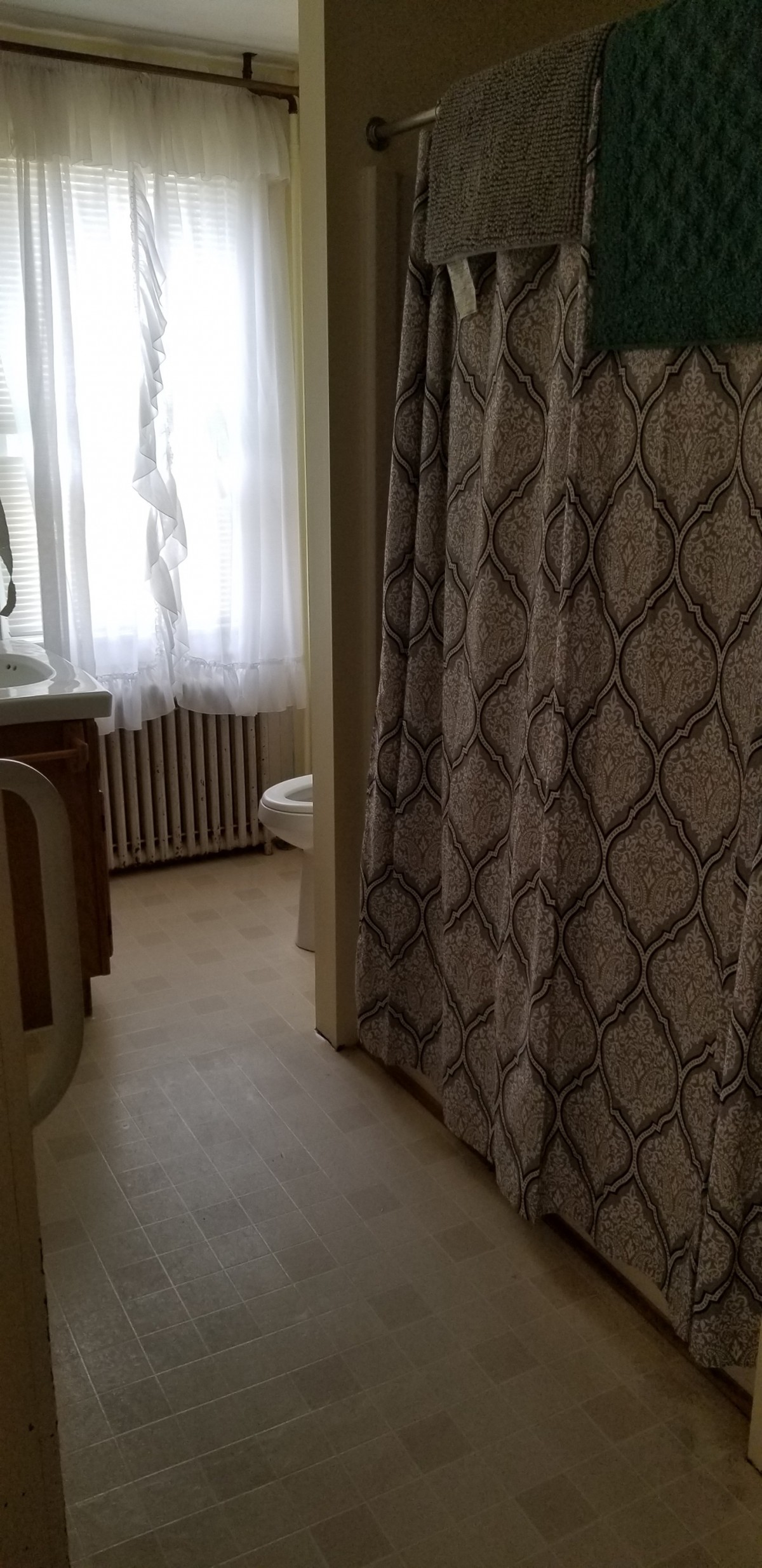
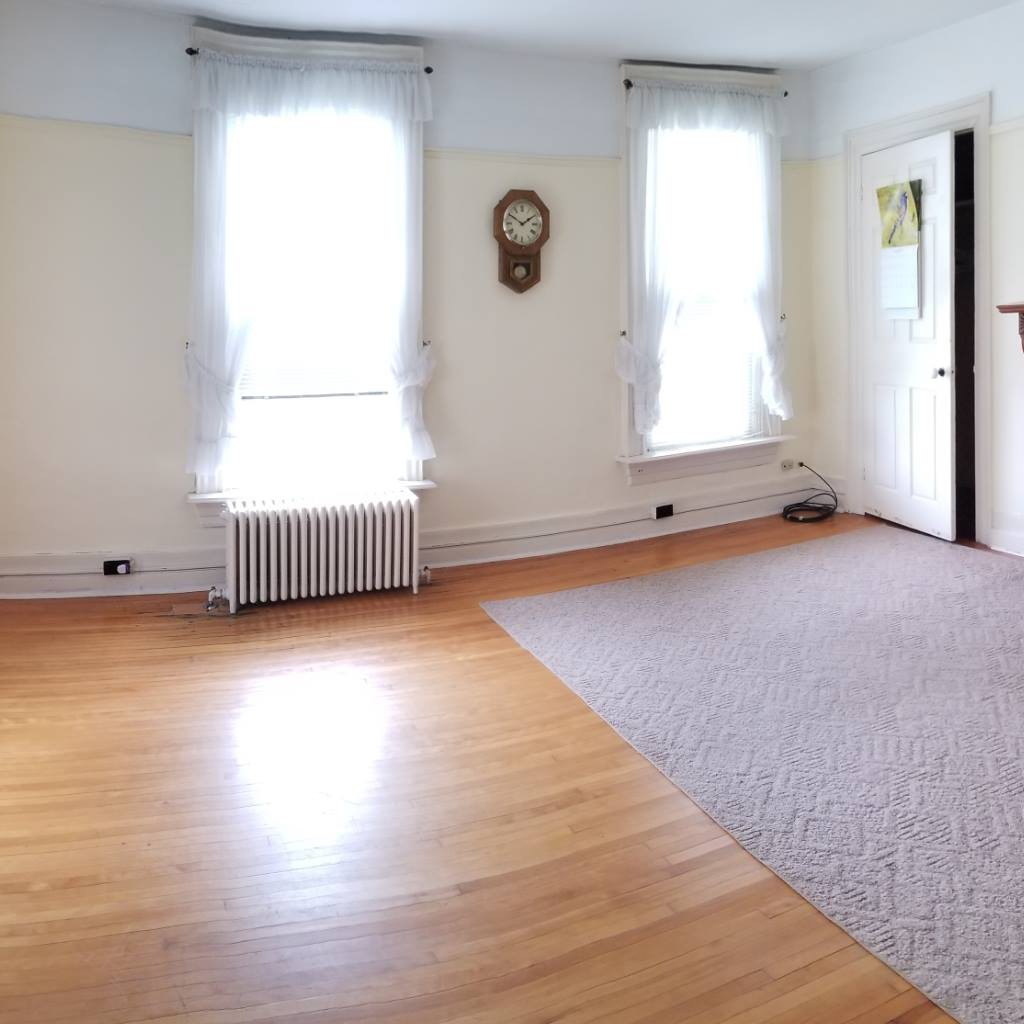
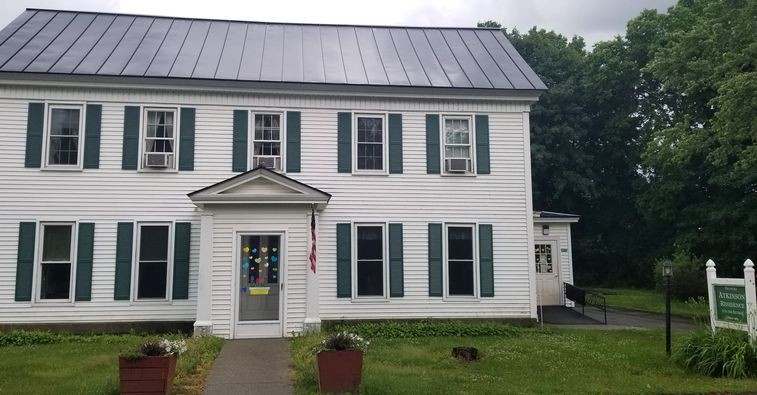
4717 Main Street, Newbury, VT 05051
For more information about senior living options: (866) 208-4318
Overall Review of (Frances) Atkinson Residence For The Retired
Pros
 The mother was well taken care of here.
- The staff were very competent and caring.
- The reviewer highly recommends this facility.
Review
Frances Atkinson Residence For The Retired in Newbury, VT is best suited for families seeking a small, hands-on care environment where staff deliver consistent, personal attention to seniors who need daily assistance but do not require intensive medical management. The strongest signal from the available feedback is that a loved one can be well cared for when the staff are competent and genuinely caring, producing a sense of steady reliability. In practice, this means residents who value a steady routine, close daily contact with caregivers, and clear, trustworthy oversight from a team that present as attentive and responsive will likely feel supported here.
Yet there is a meaningful caveat. The community rests on a very limited evidence base, two reviews total, with one 5-star endorsement and a single 3-star remark that offers little descriptive guidance. That sparse feedback elevates uncertainty about how the home handles variability in resident needs, how medical or rehabilitative services are delivered, and what daily life looks like beyond the essential care tasks. Families considering alternatives should not rely on a narrow data point set when evaluating options for long-term care, especially if memory support, high-level medical management, or expansive activity programming are priorities.
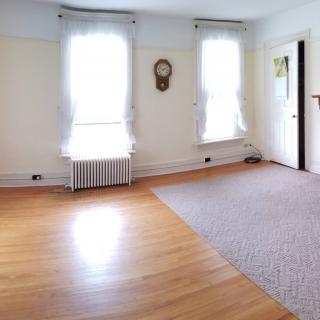
What stands out as a real strength is the apparent consistency of competent, caring staff. The caregiver team is described as capable and attentive, and the explicit praise of the care provided to the reviewer’s mother suggests dependable supervision, timely assistance with activities of daily living, and a friendly, respectful atmosphere. This translates into tangible value for residents who require help with routines, medication reminders, meals, and safety monitoring, without the facility feeling crowded or impersonal. The favorable impression implied by the review can translate into peace of mind for families who want to know their loved one will not be overlooked in the daily shuffle.
The primary drawback is the lack of depth in the available information. With only two reviews, there is no clear picture of staffing ratios, medical oversight, or how the house handles emergencies, falls, or memory-care challenges. Details about meal variety, transportation options, activity calendars, or enrichment programs are not provided. For families needing robust programming, off-site excursions, or specialized care plans, this opacity makes it harder to gauge long-term fit. Additionally, the small sample size leaves unanswered questions about consistency across shifts, weekend coverage, and the facility’s capacity to scale up services if a loved one’s needs evolve.
These pros and cons interact in a practical, sometimes decisive way. For families prioritizing consistent human contact, visible staff engagement, and a home-like atmosphere, the strong care signal can offset some of the uncertainties that come with limited published data. The positive review demonstrates that, at least in one established case, the environment can be nurturing and reliable. However, the absence of detailed operational information means the choice hinges on a direct impression gathered during a tour, conversations with caregivers, and a frank discussion about how care plans are developed and adjusted over time. In short, the value rests on the trust built in person, not on the marketing or the absence of red flags in a couple of reviews.
The informed decision path is clear. Families should arrange an in-person visit to observe staff interactions, meet the administrator, and ask concrete questions about daily routines, care levels, and what happens when a resident’s needs intensify. Request the resident-to-staff ratio by shift, review the menu options and dining flexibility, and inquire about transportation schedules and activity offerings. It is also prudent to ask for candid examples of how the residence has handled medical or behavioral changes, how memory-care needs would be accommodated, and what the continuity plan looks like if staffing changes occur. If those conversations yield confident answers and a resident feels seen and supported during a trial stay or visit, Frances Atkinson Residence can be a solid match for families prioritizing dependable, compassionate daily care. If those assurances cannot be secured, or if higher-acuity medical support and deeper programming are non-negotiable, alternatives with more transparent, comprehensive service offerings should be pursued.
 13 resident community capacity
 Assisted Living
 Cable or satellite TV
 Dining room
 Fully furnished
 Garden
 Housekeeping services
 Move-in coordination
 Outdoor space
 Telephone
 Wi-Fi/high-speed internet available
 24-hour supervision
 Activities of daily living assistance
 Assistance with bathing
 Assistance with dressing
 Assistance with transfers
 Diabetes diet
 Meal preparation and service
 Medication management
 Special dietary restrictions
 Transportation arrangement (medical)
 Transportation to doctors appointments








 Assisted Living Support for Veterans: A Complete and Detailed Overview
 Exploring the Contrasts Between Assisted Living and Skilled Nursing
 8 Key Indicators That Suggest It May Be Time to Transition from Assisted Living to Skilled Nursing Care