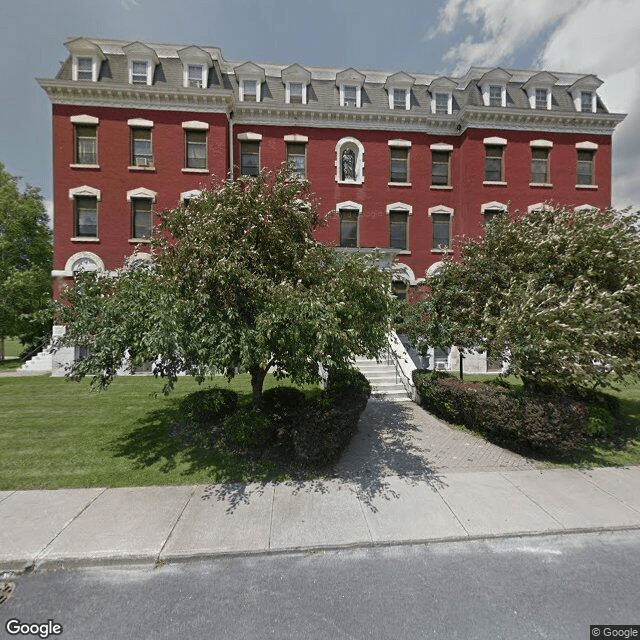
131 Convent Ave, Rutland, VT 05701
To contact a resident: (802) 775-5133
For more information about senior living options: (866) 208-4318
Overall Review of St Joseph Assisted Living
Pros
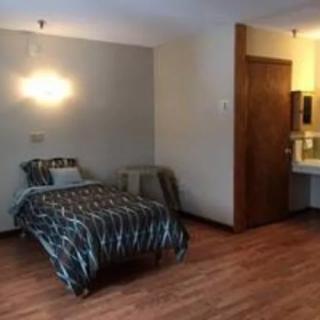
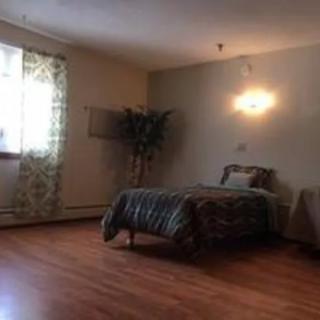
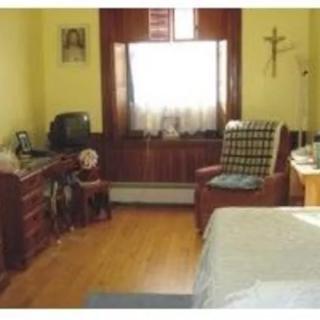
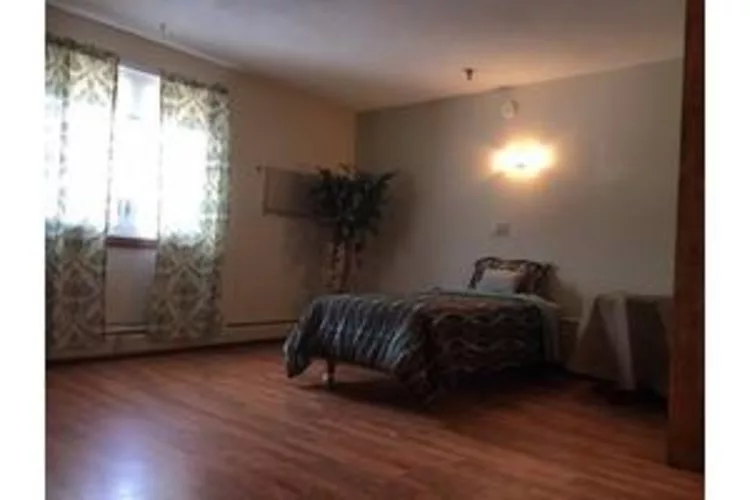
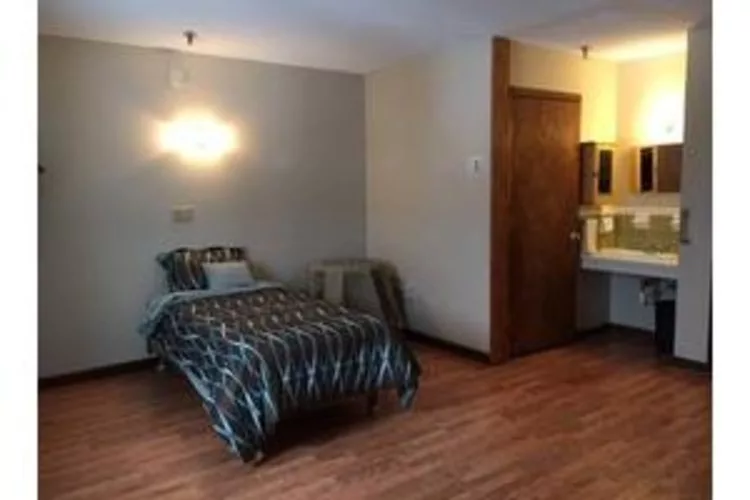
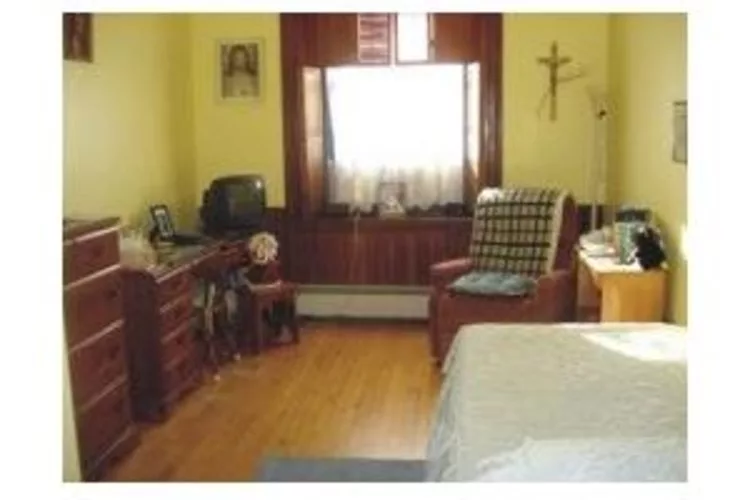
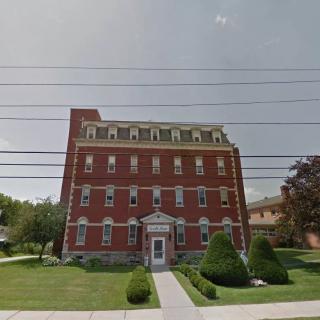
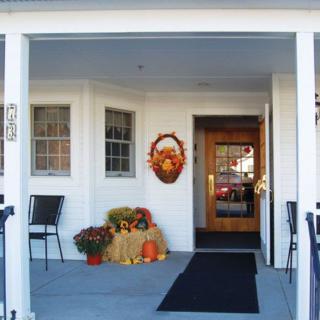
 The residence is clean and homelike, with friendly and caring staff.
- The staff are genuinely caring in everything they do for residents.
- The facility gives families peace of mind that their loved ones are in a place that supports quality of life.
- The mother has gained needed weight, enjoys activities, and has formed friendships after years of being alone.
- The environment fosters social engagement and meaningful relationships among residents.
Review
St Joseph Assisted Living in Rutland, VT is best suited for seniors who want a clean, homelike setting where staff know residents by name, respond with warmth, and facilitate steady daily routines. It appeals to families seeking reassurance that their loved ones will be engaged, well fed, and socially connected in a compassionate environment. The combination of a welcoming atmosphere and attentive caregivers makes it a practical option for residents who no longer live independently but do not require 24/7 skilled medical supervision. In short, the community works well when the goal is dignified living with meaningful daily activities and predictable support.
Those whose needs trend toward intensive medical management, frequent nursing interventions, or specialized dementia care should consider alternatives. If memory care or highly medicalized oversight is essential, a dedicated memory-care village or a skilled-nursing facility may be more appropriate. Families seeking expansive amenities, on-site therapy suites, or wide-ranging transportation options might also find other communities with more robust programming. Because the available information emphasizes warmth, meals, and social life rather than clinical intensity, families should assess whether the needed care can be consistently delivered within this level of care.
Pros are concrete and impactful: a clean, homelike environment reduces anxiety and supports comfort; a staff described as genuinely caring demonstrates reliability that is hard to quantify but deeply valued by families. Regular activities foster engagement, while the nutrition and opportunities to regain or maintain weight signal attention to health and quality of life. These strengths offset the potential limitation of not having 24/7 medical staffing, because residents typically receive necessary assistance while avoiding the institutional atmosphere that often accompanies higher-acuity settings.
Family members note real, observable outcomes: residents form friendships, participate in activities, and the mother in the anecdote gains weight and enjoys social events. Such socialization counters isolation and helps preserve dignity in later years. The consistent warmth from staff translates into predictable days, where meals are satisfying and activities feel purposeful. The sense of community described by relatives matters as much as any clinical indicator, producing peace of mind that the right environment is supporting quality of life.
Still, several questions linger that could influence the decision: the price structure, scope of medical support on site, availability of memory-care options, and transportation or guest services. The absence of explicit mention of dementia care or extensive on-site therapy means this setting may require transitions if conditions change. The solid pros, careful staff, a warm environment, continued social life, are strong factors, but for families prioritizing intensive medical monitoring or dementia-specific programming, alternatives may yield better alignment with needs. The decision should hinge on whether the expected daily living support matches current and near-term demands.
Taken together, St Joseph Assisted Living presents a compelling option for seniors who value warmth, companionship, and predictable daily structure, with clear relief for families seeking peace of mind. It is less suitable for those who require heavy clinical oversight or memory-care-focused services. Pros strongly support quality of life and social engagement; cons are mainly around the absence of explicit medical depth or dementia programming, which may not be a fit for every resident's trajectory. Prospective families should visit, meet staff and residents, review a sample day, and ask pointed questions about care levels, pricing, and transition plans to ensure a seamless fit for long-term living.
 Assisted Living
 Activities on-site
 Devotional services off-site
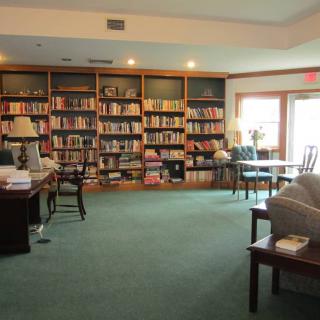
 Indoor common areas
 Ambulatory care
 Diabetic care
 Meals provided

 Understanding the Distinctions: Assisted Living and Memory Care Explained
 Guiding Elderly Parents Who Refuse Assisted Living: 6 Practical Steps
 Your Comprehensive Guide to Luxury Assisted Living: Elevated Facilities, Amenities, and Costs