The Residence at Otter Creek offers competitive pricing for its various room types compared to both Addison County and the broader state of Vermont. For a studio, residents can expect to pay $4,200 per month, which is significantly lower than the county rate of $5,475 and the state average of $5,259. The one-bedroom units are priced at $4,425, again showing an advantage over Addison County's cost of $4,763 and Vermont's average of $4,901. Interestingly, for two-bedroom accommodations priced at $5,975, the costs align with those in Addison County but still remain higher than the state average of $5,322. Overall, The Residence at Otter Creek provides an attractive option for potential residents seeking quality living arrangements while benefiting from lower monthly rates in comparison to local and state averages for similar facilities.
Floor plans
The Residence at Otter Creek
Addison County
Vermont
Studio
$4,200
$5,475
$5,259
1 Bedroom
$4,425
$4,763
$4,901
2 Bedrooms
$5,975
$5,975
$5,322
Memory care communities with a similar price nearby
Meals are repeatedly described as high quality and enjoyable.
Many reviewers say the food is excellent, with variety that makes meal time a highlight. Several describe a chef-prepared approach and regular opportunities to join meals with family. Even the more critical reviews still note the meals themselves are really good, while the issues are more about dietary handling.
common12 reviews mention this
Activities keep residents engaged
Residents and families describe active, structured days.
Reviews frequently mention scheduled activities across weekdays and special programs in the evenings, with people finding things they enjoy. A few also call out practical supports tied to routine, like transportation for appointments and trips tied to worship. Pool time and exercise options show up in reviews as well, reinforcing that the community backs more than just indoor programming.
common22 reviews mention this
Staff support is a major theme
Most reviewers describe staff as supportive, friendly, and responsive.
A consistent thread is how residents and families feel about the people working there, with multiple reviews calling staff knowledgeable, caring, and top-notch. Several families describe regular communication with the community and feeling the staff adapts to individual needs. That said, a minority of reviews include serious negative experiences involving staff behavior and professional conduct, so opinions are not uniform.
caveat2 reviews mention this
Pricing feels high for some families
Pricing is described as prohibitive or difficult to manage long term.
Some families say the cost would be prohibitive, while another points to the community being high priced and more work for medical coordination after changes. Pricing is the main limitation mentioned in the negative reviews, rather than a complaint about the setting or basic operations. For these reviewers, affordability directly affects whether they felt the move was workable.
caveat3 reviews mention this
Communication and coordination need work
Some families report delays and difficulty getting updates handled smoothly.
Several reviews describe breakdowns in communication when it comes to paperwork, billing, or keeping the family informed. One review cites medication delays after a pharmacy change, and another describes the effort required when medicines need updates. A different review calls out administrative processes and sending items to insurance, suggesting that coordination can be inconsistent for some families.
How we summarize
Counts show how many written reviews mention each theme; a review can touch several themes, and only frequently mentioned themes are displayed.
Features
Housing
44 resident community capacity
1-bedroom apartments
2-bedroom apartments
Studio apartments
Types of Care
Assisted Living
Independent Living
Memory Care
Pets
Cats allowed
Dogs allowed
Amenities
Activities off-site
Activities on-site
Air-conditioning
Beautician on-site
Beauty salon
Cable or satellite TV
Devotional services off-site
Devotional services on-site
Dining room
Full kitchen
Fully furnished
Garden
Ground floor units
Handicap accessible
Housekeeping services
Indoor common areas
Kitchenette
Move-in coordination
Outdoor common areas
Outdoor space
Respite or short term stays offered
Swimming pool / hot tub
Telephone
Wheelchair accessible showers
Wi-Fi/high-speed internet available
Care Services
24-hour call system
24-hour supervision
Activities of daily living assistance
Ambulatory care
Assistance with bathing
Assistance with dressing
Assistance with transfers
Coordination with health care providers
Dementia waiver
Diabetes diet
Diabetic care
Hospice waiver
Incontinence care
Meal preparation and service
Medication management
Mental wellness program
Mild cognitive impairment
Special dietary restrictions
Specialized memory care programming
Transportation arrangement (medical)
Transportation to doctors appointments
Dining
Anytime dining
Diabetes diet
Gluten-free
Guest meals
International cuisine
Low / no sodium
Meals provided
No Sugar
Organic
Professional chef
Restaurant style dining
Room service
Special dietary restrictions
Special dining programs
Vegan
Vegetarian
Activities
Art classes
Catholic services
Community-sponsored activities
Day trips and outings
Devotional activities offsite
Devotional activities on-site
Educational speakers / life long learning
Jewish services
Live well programs
Protestant services
Resident-run activities
Scheduled daily activities
Visiting chaplain or priest
Wine tasting
Videos
Nearby Places of Interest
This area of Middlebury, Vermont offers a variety of amenities and services that would be beneficial for seniors looking to settle down in a peaceful and convenient location. With several restaurants, cafes, pharmacies, and physicians located within a short distance, residents have easy access to dining options and healthcare facilities. Additionally, the proximity to Porter Hospital provides reassurance of quality medical care nearby. The presence of parks allows for outdoor recreational activities and opportunities to enjoy nature. Places of worship are also available for spiritual enrichment. Transportation options such as U-Haul, Budget Truck Rental, and Enterprise Rent-A-Car offer convenience for travel needs. Overall, this part of Middlebury provides a well-rounded community with essential resources for senior living.
Restaurants
Rosie's Restaurant (0.6 miles)
Mister Ups Restaurant (1.4 miles)
Two Brothers Tavern (1.5 miles)
Sabai Sabai Thai Cuisine (1.6 miles)
The Rough Cut Restaurant (1.6 miles)
Fire & Ice Restaurant (1.8 miles)
Jessica's at Swift House Inn (1.8 miles)
Pharmacies
Hannaford Pharmacy (0.6 miles)
Walgreens (0.8 miles)
Walgreens (10.5 miles)
Marble Works Pharmacy (10.6 miles)
Rutland County Organics (12.2 miles)
Chemis DrugStore (13 miles)
Marble Works Pharmacy (13 miles)
Physicians
Eichner Wm J Phys (0.8 miles)
Porter Internal Medicine (0.8 miles)
Addison Associates In Ob-Gyn (0.8 miles)
Ear, Nose and Throat, UVM Health Network - Porter Medical Center (0.8 miles)
Jon P. Ford, PA-C, Hospitalist Physician Assistant (0.8 miles)
Rainbow Pediatrics (0.8 miles)
Middlebury Family Health (0.8 miles)
Hospitals
Porter Hospital (0.8 miles)
Porter Hospital ICU (0.8 miles)
Porter Hospital (12.6 miles)
Parks
Forest Parks & Recreation Department (1 miles)
Dar State Park (13.4 miles)
Kingsland Bay State Park (15.2 miles)
Granville State Reservation (16.2 miles)
Cafes
Middlebury Crossroads (1.5 miles)
Otter Creek Bakery (1.5 miles)
The Storm Cafe (1.7 miles)
Royal Oak Coffee (1.8 miles)
Ferrisburgh Bake Shop & Deli (15 miles)
Places of Worship
St Mary's Church (1.6 miles)
Mead Memorial Chapel (1.6 miles)
East Middlebury United Methodist Church (2.8 miles)
The Residence at Otter Creek offers competitive pricing for its various room types compared to both Addison County and the broader state of Vermont. For a studio, residents can expect to pay $4,200 per month, which is significantly lower than the county rate of $5,475 and the state average of $5,259. The one-bedroom units are priced at $4,425, again showing an advantage over Addison County's cost of $4,763 and Vermont's average of $4,901. Interestingly, for two-bedroom accommodations priced at $5,975, the costs align with those in Addison County but still remain higher than the state average of $5,322. Overall, The Residence at Otter Creek provides an attractive option for potential residents seeking quality living arrangements while benefiting from lower monthly rates in comparison to local and state averages for similar facilities.
The Residence at Otter Creek offers a comprehensive range of features designed to support residents with dementia or Alzheimer's disease, ensuring their safety and enhancing their quality of life. The 24-hour supervision provides constant oversight, helping to prevent wandering and promote security for individuals who may become disoriented. Assistance with activities of daily living, such as bathing, dressing, and transfers, empowers residents to maintain dignity while receiving the help they need. Coordination with healthcare providers ensures that medical needs are met effectively, while medication management addresses the complexities often associated with memory care. The tailored meal preparation and service cater to specific dietary requirements, enhancing nutrition. Incontinence care is handled sensitively, alleviating discomfort and embarrassment. Additionally, specialized memory care programming and mental wellness initiatives foster cognitive engagement and emotional support, promoting an active lifestyle within a safe environment. Lastly, transportation arrangements for medical appointments ensure that residents remain connected with their healthcare resources without added stress.
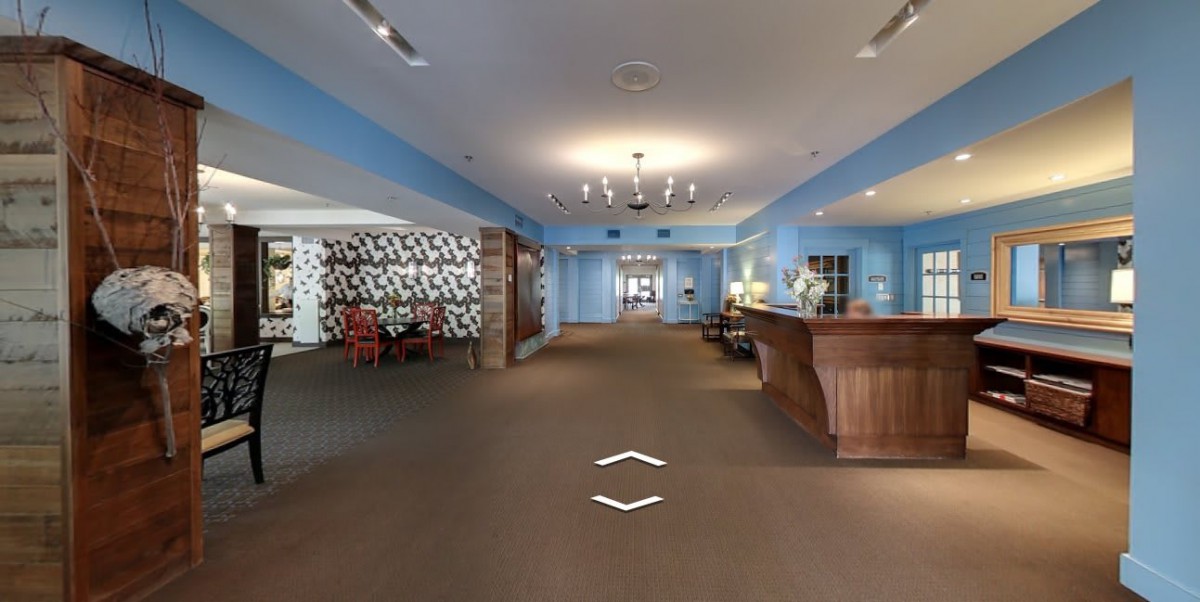
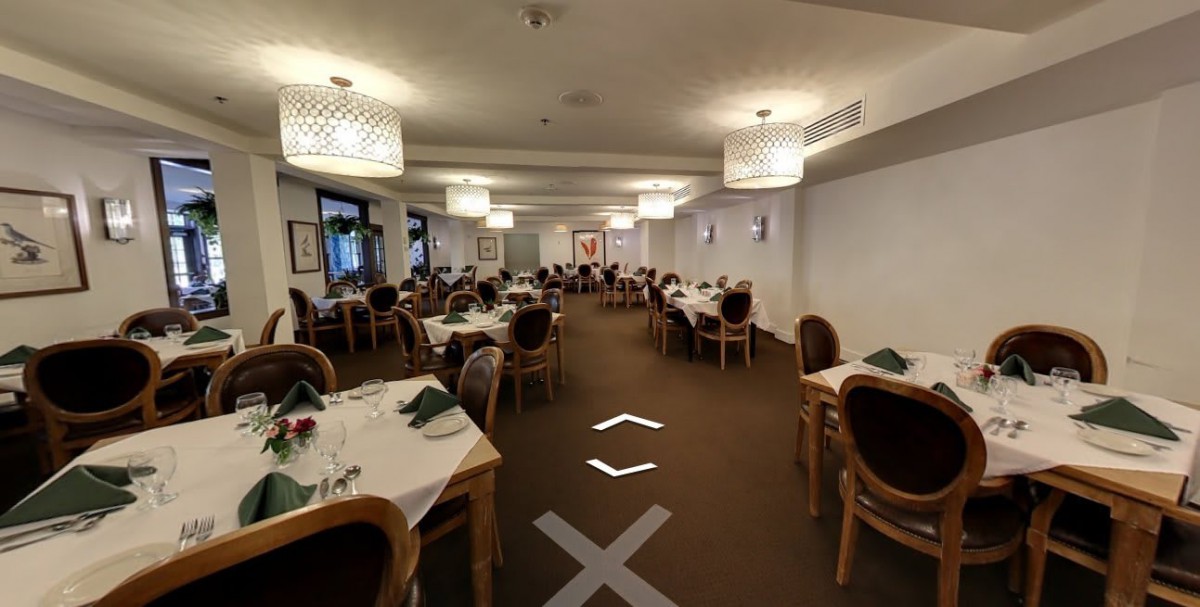
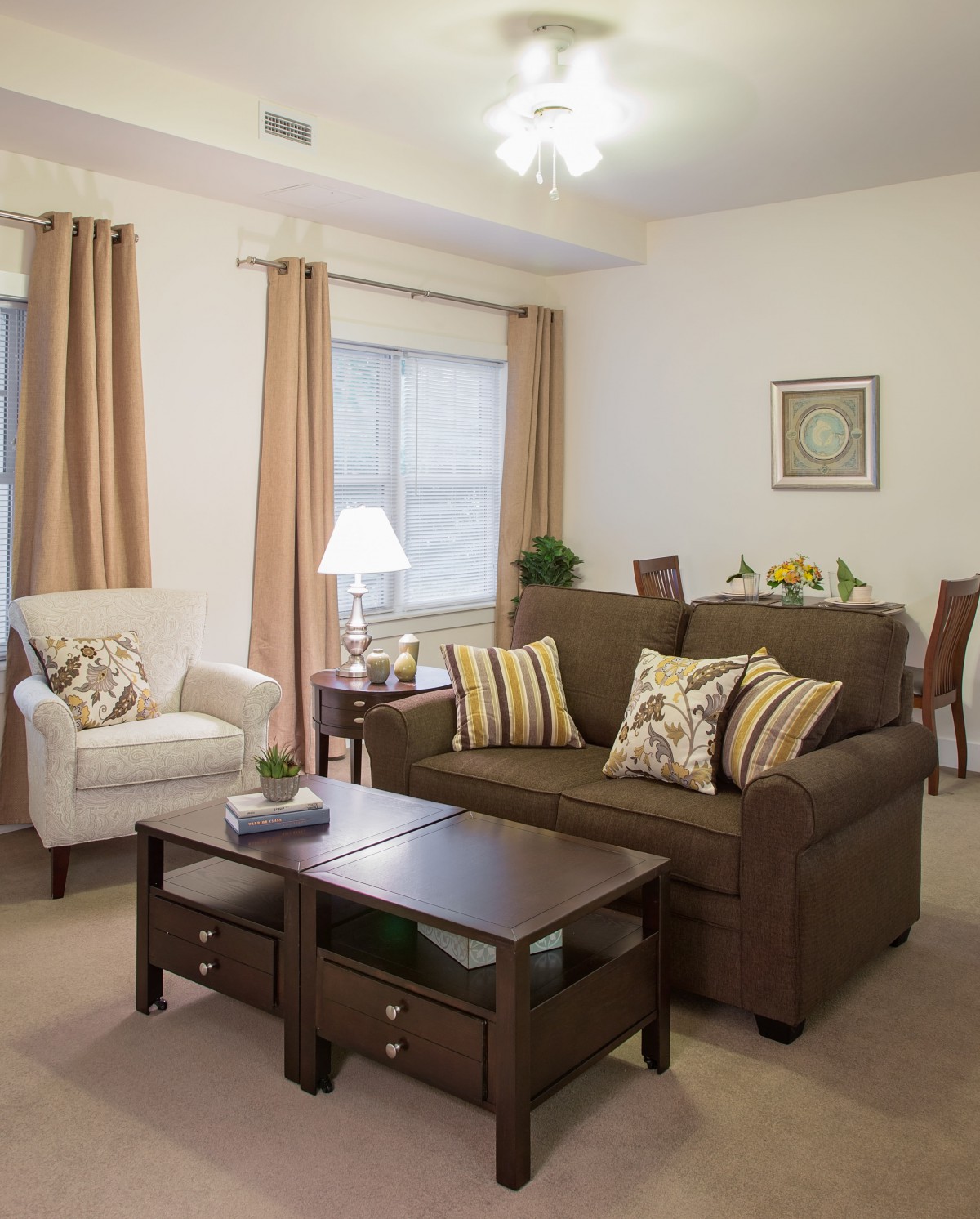
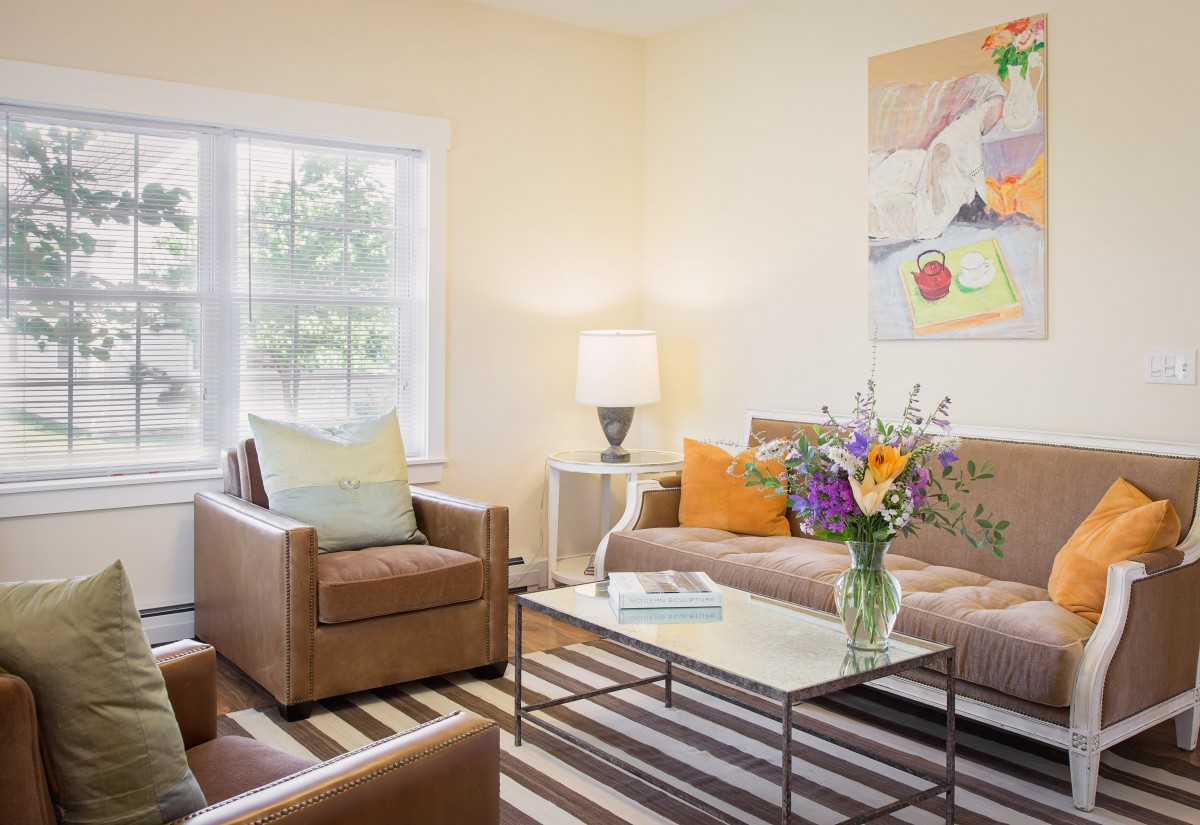
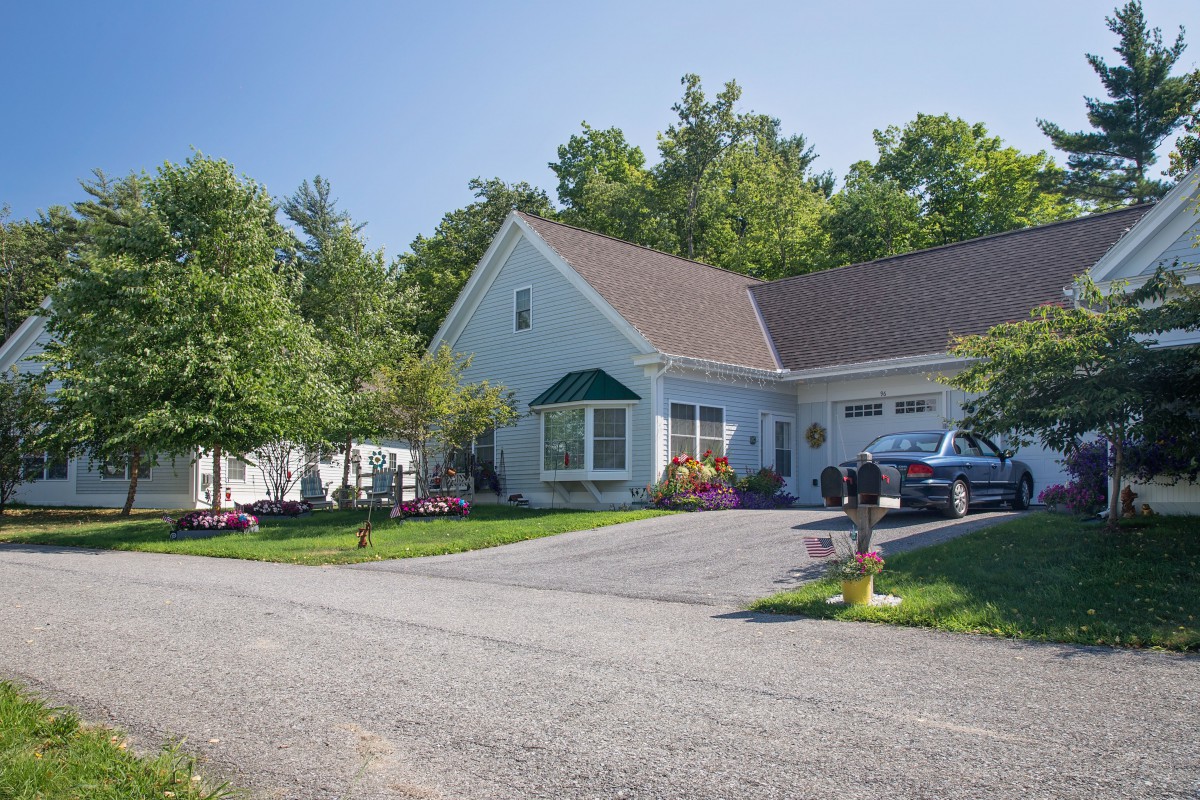
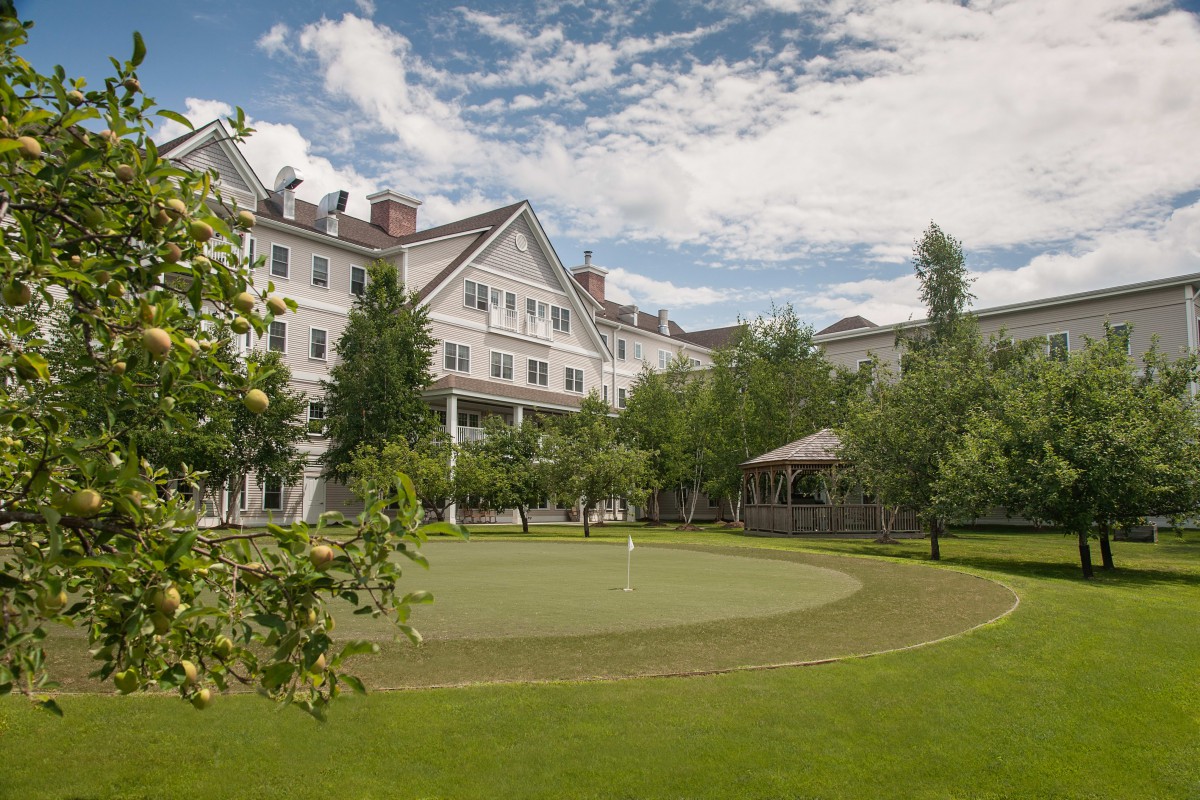
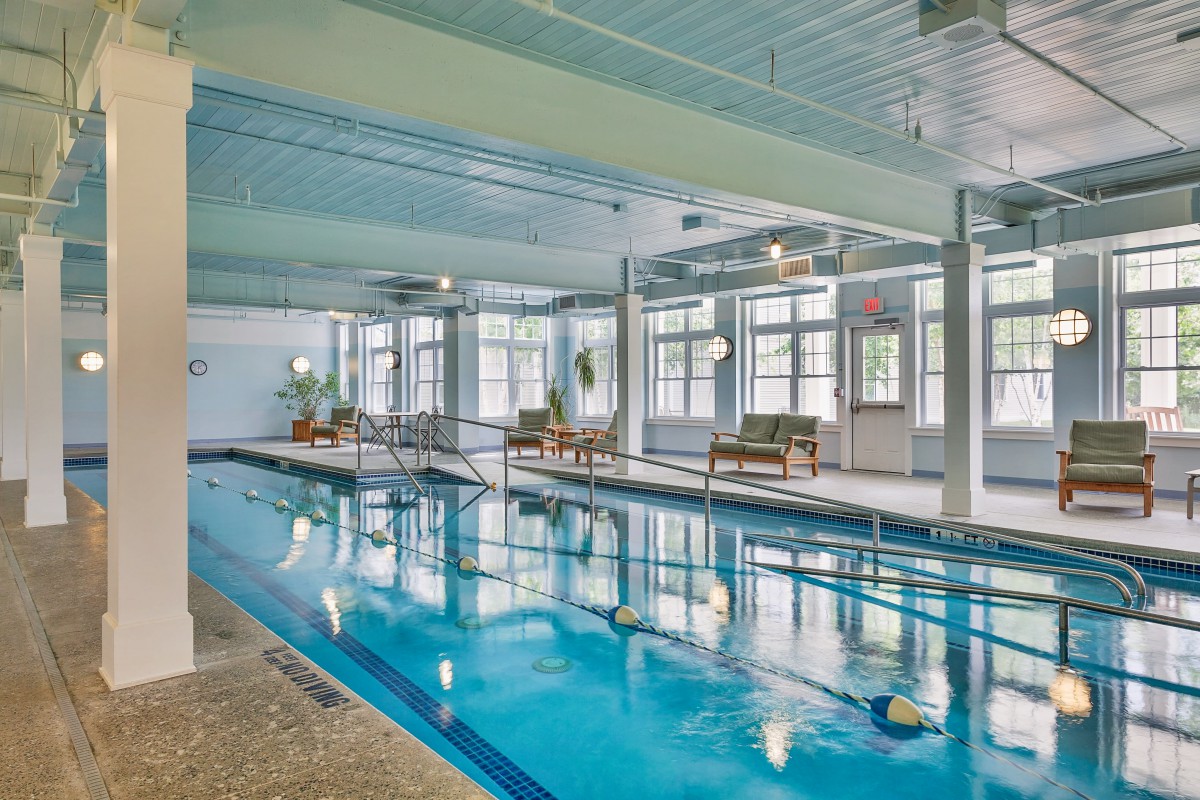
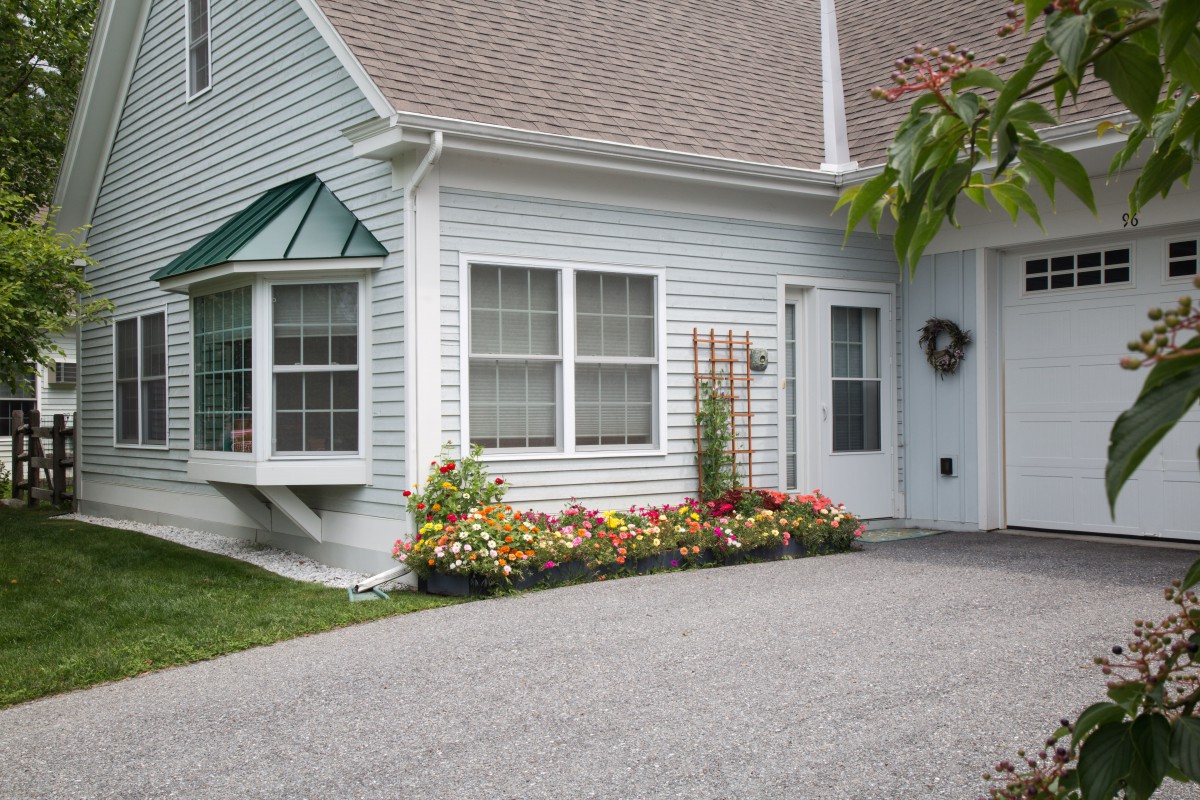
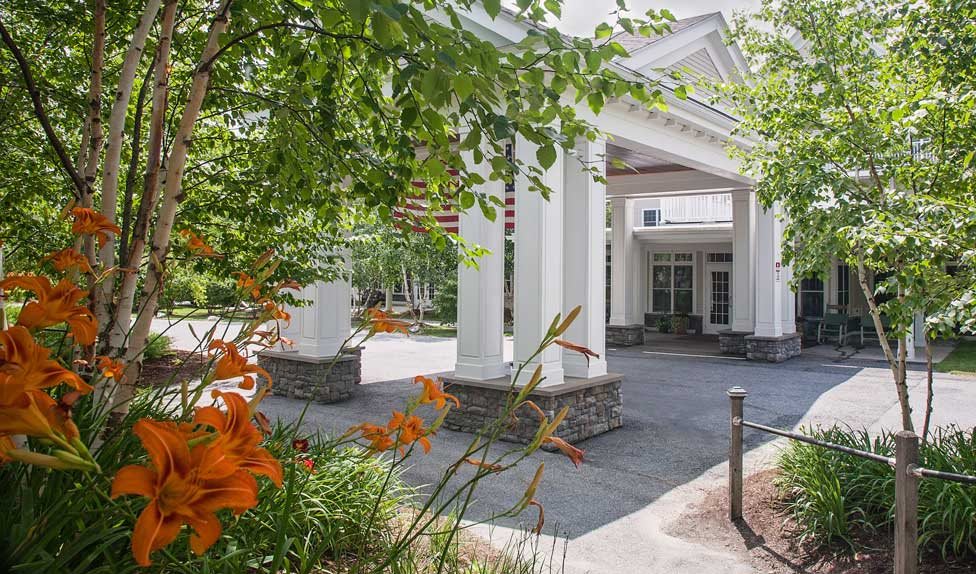
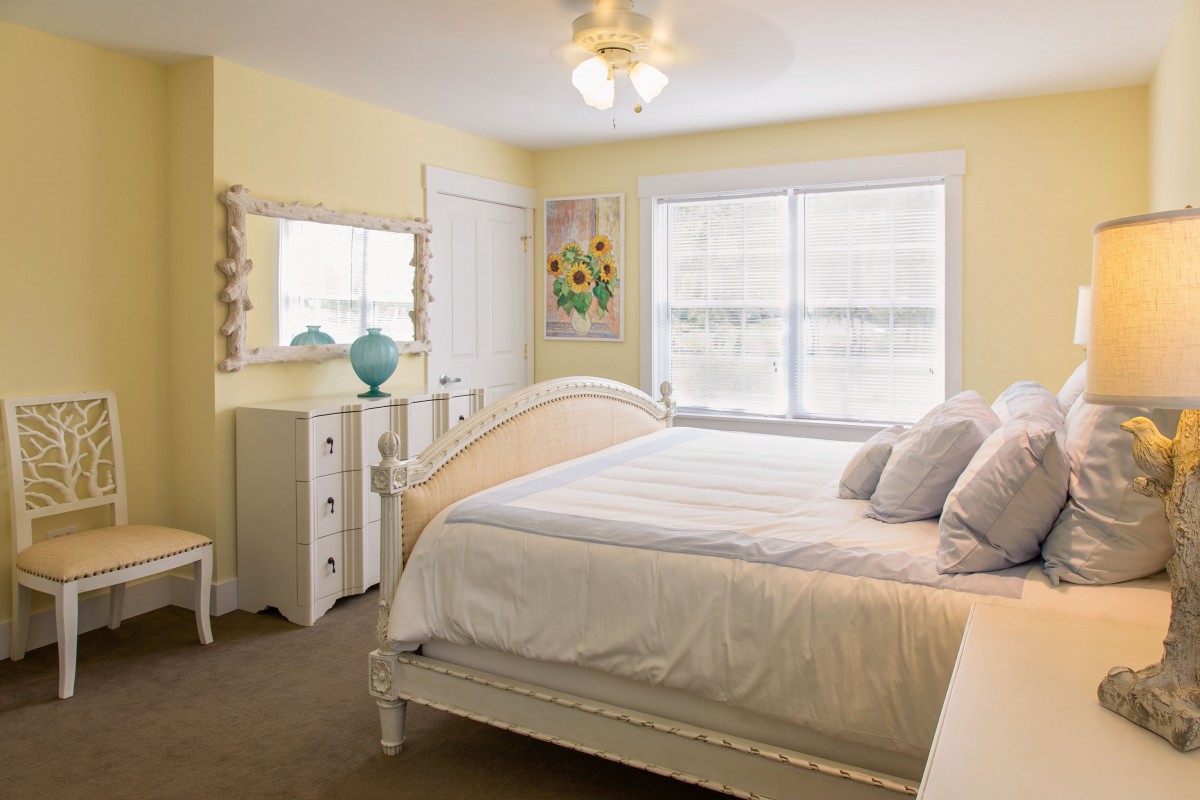
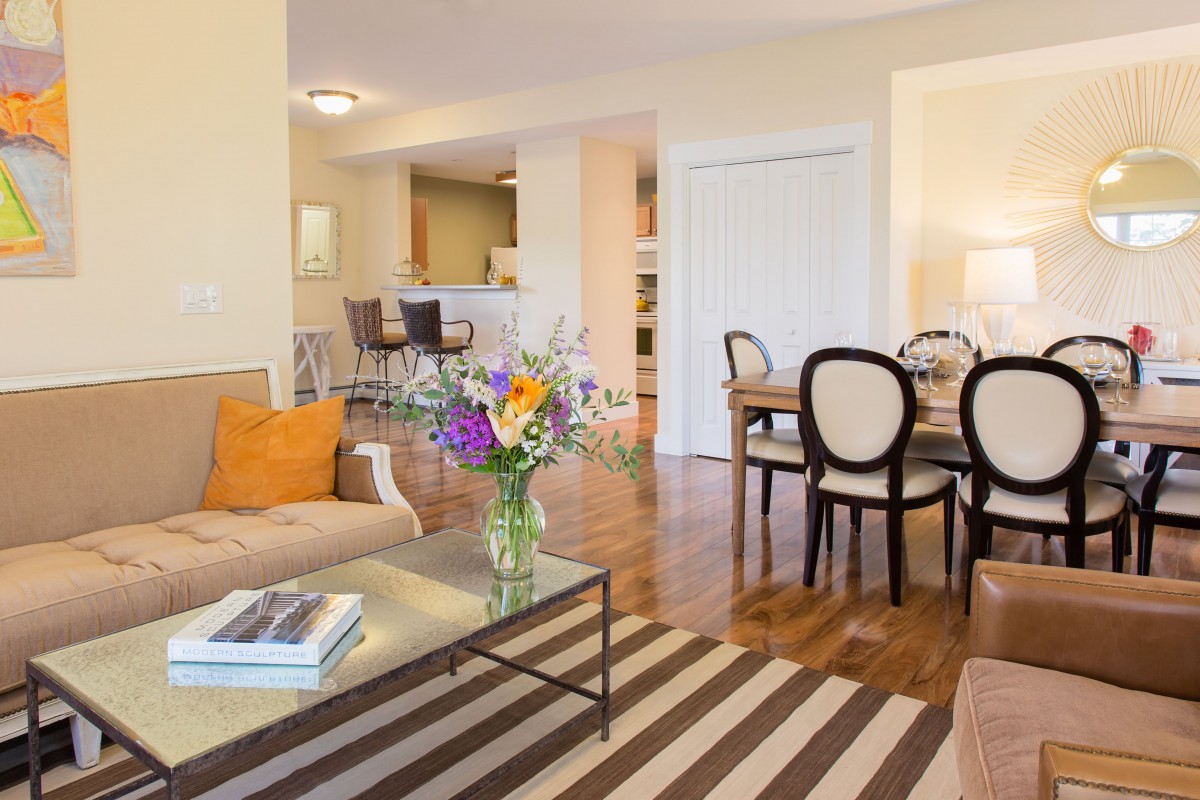
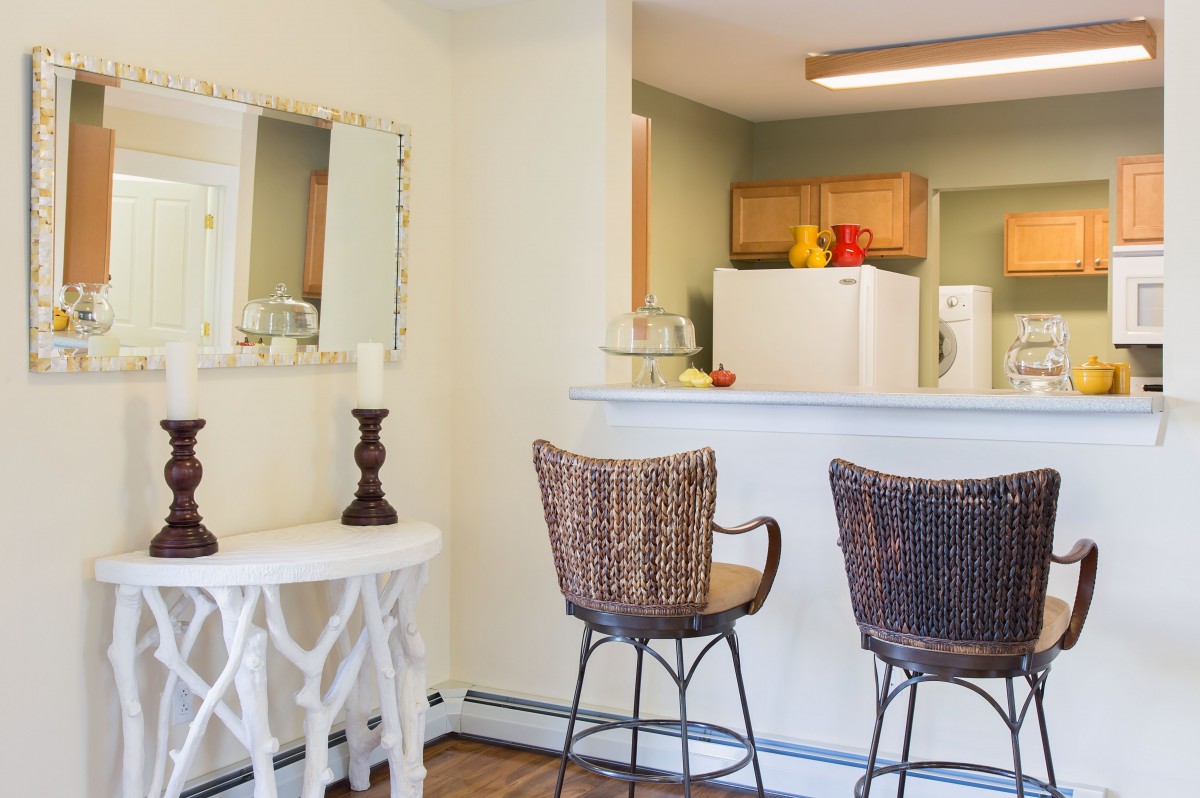
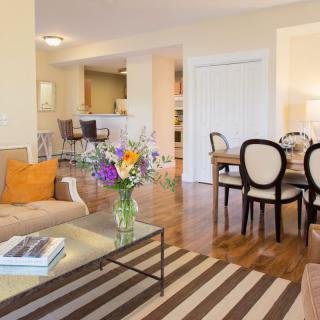
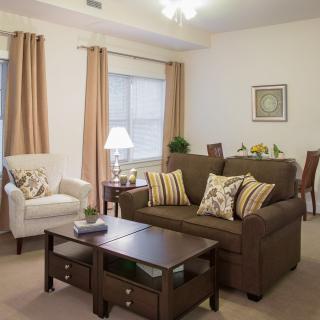
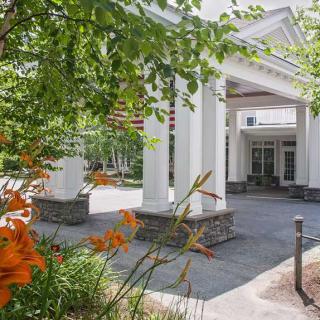
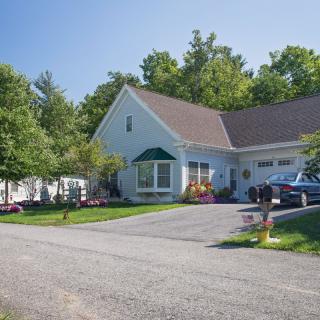
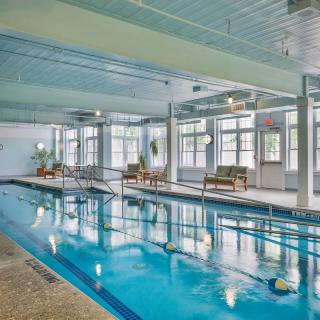
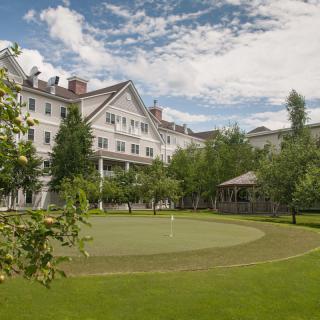
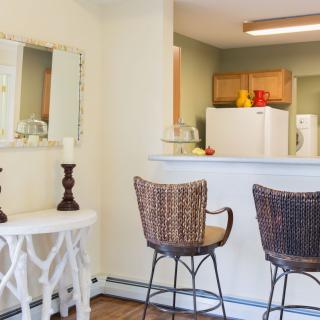
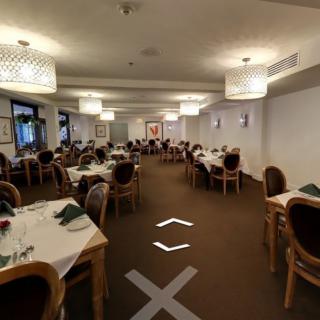
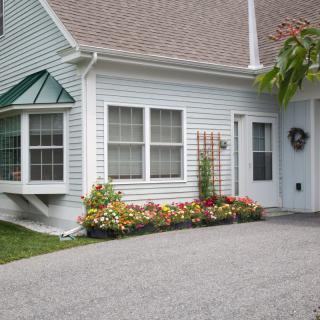
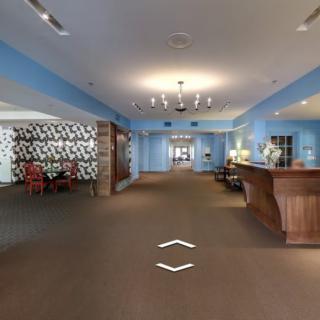
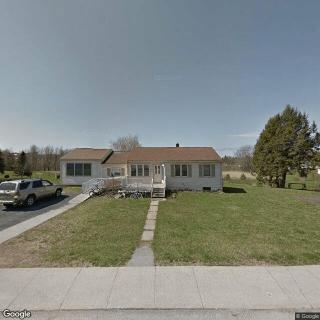
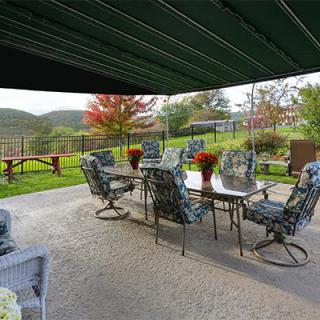
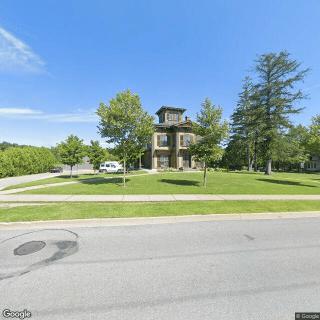
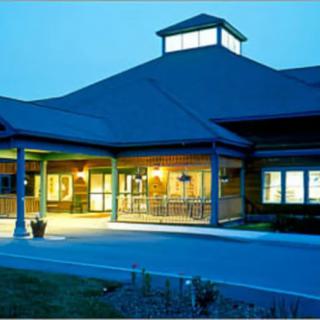
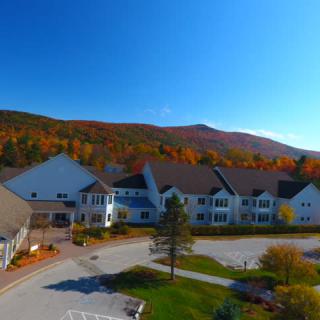
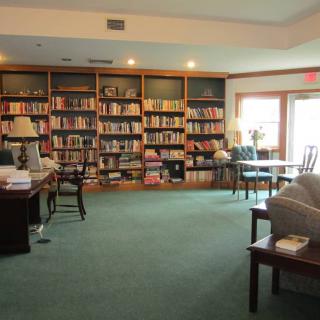
The Residence at Otter Creek on seniors.fyi includes 16 photos including images showing interior, dining, decor, landscaping, lighting, windows, living room, trees, and more.
Nearby Communities
EastView at Middlebury a CCRC
Middlebury, VT
3.8 from 22 reviews
$6,750 / month
Personalized, attentive staff in a warm, family-like community with attractive outdoor spaces.
Helen Porter Nursing Home
Middlebury, VT
4.1 from 27 reviews
Tranquil Middlebury location with easy access to parks, shops, healthcare, dining, transportation, worship, and hospitals.
Helen Porter Healthcare & Rehab
Middlebury, VT
4.2 from 25 reviews
Extensive amenities and 24/7 supervision with engaging activities.
Addison County Home Health Care Agency
Middlebury, VT
4.8 from 5 reviews
Convenient location with broad access to services (cafes, pharmacies, physicians, restaurants, transit, worship and hospitals).
Middlebury Volunteer Ambulance
Middlebury, VT
4.5 from 4 reviews
Excellent nearby healthcare and community amenities.
Shard Villa
Salisbury, VT
5 from 2 reviews
Personalized care in a warm board-and-care setting with meals, activities, and medication management.
Wake Robin
Shelburne, VT
4.3 from 36 reviews
Vibrant community with extensive activities and 24/7 attentive care.
The Gables at East Mountain
Rutland, VT
4.6 from 10 reviews
$2,240 / month
Excellent staff support, engaging activities, and bright, comfortable apartments with good meals.
Meadows At East Mountain
Rutland, VT
4.3 from 23 reviews
Caring staff with spacious rooms and engaging activities.
The article compares assisted living and skilled nursing facilities, detailing their differing levels of assistance, medical support, cost structures, and day-to-day experiences. It emphasizes that assisted living is for those needing help with daily activities while maintaining independence, whereas skilled nursing facilities provide intensive medical care with 24-hour staff supervision.
Vibrant Senior Living emphasizes active senior living communities that promote independence and engagement through diverse amenities and activities, fostering wellness and social interaction among older adults. These communities range from independent to assisted living, with a focus on personal growth, family involvement, financial planning, and leveraging technology to enhance residents' experiences.
Assisted living provides moderate support for seniors seeking independence, while memory care offers specialized support for individuals with dementia or cognitive impairments through structured routines and trained staff. Key differences include care approaches, environment security measures, staff training levels, activity types, and cost considerations.
Get PricingAsk A QuestionSchedule A TourContact Senior Advisor
By clicking submit, you agree to our Partner's Terms of Use. You
also consent to receive calls and texts, which may be autodialed, from our Partner. Your consent is not a condition to
using our Partner's service. Please visit our Partner's Privacy Policy for information about their privacy practices.








 44 resident community capacity
 1-bedroom apartments
 Assisted Living
 Independent Living
 Memory Care
 Cats allowed
 Dogs allowed
 Activities off-site
 Air-conditioning
 Beautician on-site
 Cable or satellite TV
 Devotional services off-site
 Dining room
 Full kitchen
 Fully furnished
 Garden
 Ground floor units
 Handicap accessible
 Housekeeping services
 Indoor common areas
 Move-in coordination
 Outdoor common areas
 Respite or short term stays offered
 Swimming pool / hot tub
 Telephone
 Wheelchair accessible showers
 Wi-Fi/high-speed internet available
 24-hour call system
 Ambulatory care
 Assistance with bathing
 Assistance with dressing
 Assistance with transfers
 Diabetes diet
 Diabetic care
 Hospice waiver
 Incontinence care
 Meal preparation and service
 Medication management
 Mental wellness program
 Special dietary restrictions
 Transportation arrangement (medical)
 Transportation to doctors appointments
 Art classes
 Catholic services
 Day trips and outings
 Educational speakers / life long learning
 Jewish services
 Live well programs
 Wine tasting
 Personalized, attentive staff in a warm, family-like community with attractive outdoor spaces.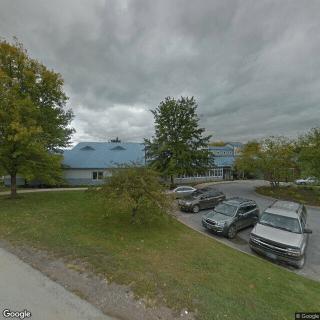

 Exploring the Contrasts Between Assisted Living and Skilled Nursing
 Vibrant Senior Living: A Comprehensive Guide for Active Older Adults
 Assisted Living and Memory Care: Understanding Their Core Differences