St. Joseph's Residential Care Home

243 North Prospect Street, Burlington, VT 05401

For more information about senior living options: (844) 490-3973

3 from 2 reviews
Assisted Living

Overall Review of St. Joseph's Residential Care Home

Pros

  • pro The reviewer emphasizes that residents should be treated like family with compassion, dignity, and respect.
  • pro The reviewer endorses compassionate and dignified treatment of residents.
  • pro The reviewer advocates for a caring, respectful environment for residents.
  • pro The reviewer notes it is nice to know that residents deserve compassionate care.

Cons

  • pro The Director of Nursing is described as threatening people outside her job.
  • pro The Director threatens to put people in jail over a Google review.
  • pro The Director allegedly threatens to take the reviewer's child and put the child in harm's way.
  • pro The reviewer intends to file complaints with the Better Business Bureau and the state nursing department.

Review

A concerned reviewer describes a troubling dynamic surrounding the leadership at a care facility, focusing especially on the Director of Nursing. The account paints a picture of intimidation and pressure that the reviewer believes extends beyond professional boundaries, suggesting a pattern of conduct that feels hostile and coercive. The reviewer emphasizes that the behavior is not merely a matter of workplace friction but a series of threats that affect people in real and personal ways, creating an atmosphere of fear rather than safety.

The core of the review centers on the claim that the Director of Nursing uses threats as a means of control or retaliation. The reviewer states that the individual in question "likes to threaten people outside her job," a phrase intended to convey the sense that these intimidation tactics spill over into the community and personal lives of residents, families, and staff. This portrayal casts the director's actions as inappropriate and beyond the acceptable scope of nursing leadership, undermining trust in the facility's leadership and its commitment to residents' well-being.

A particularly striking and alarming component of the account is an assertion that the director has threatened consequences "over a Google review." According to the reviewer, a review posted online became the excuse or pretext for punitive threats, which the reviewer describes as an attempt to coerce or silence feedback rather than address concerns in a constructive manner. This element of the narrative underscores a perceived misuse of authority, where online commentary - intended to share experiences and seek accountability - apparently triggers punitive responses rather than open dialogue.

Even more troubling, the reviewer alleges an extreme and personal threat: "to take my child and put my child in harms way." This line is presented as a direct threat that crosses professional boundaries and enters the realm of family safety concerns. The seriousness of such an accusation highlights the reviewer's belief that the threats were not abstract or rhetorical, but aimed at causing fear for a family's safety. The implication is that the director's conduct could have broad and very real consequences for residents and their loved ones.

In response to these concerns, the reviewer says they intend to escalate the situation by contacting multiple oversight bodies and agencies. Specifically, they mention planning to reach out to the Better Business Bureau and to the state nursing department, signaling a commitment to formal complaints and independent review. The intent to pursue these channels suggests a belief that external oversight is necessary to evaluate the director's behavior and ensure accountability, transparency, and corrective measures within the facility.

Throughout the narrative, there is a strong call for the fundamental values that should guide care: treating residents as family and upholding compassion, dignity, and respect. The reviewer closes with a clear affirmation of these ideals, framing them as the standard by which any nursing leadership should be measured. The emphasis on humane, respectful treatment reflects a longing for a care environment where residents' safety, emotional well-being, and personal autonomy are protected, and where leadership acts in ways that support rather than intimidate those it serves.

Overall, the account presents a grave concern about the conduct of a nursing director, portraying threats that extend beyond professional duties into personal and family realms. It underscores a perceived mismatch between the stated goal of compassionate care and actual behavior experienced by residents and their families. By signaling intentions to involve oversight bodies and to pursue formal complaints, the reviewer conveys a belief that accountability and corrective action are necessary to restore trust and ensure that residents are treated with the compassion, dignity, and respect they deserve.

Features

Housing

  • 41 resident community capacity 41 resident community capacity

Types of Care

  • Assisted Living Assisted LivingAssisted living facilities provide crucial support and care for seniors who may need help with daily tasks such as medication management, bathing, and meal preparation. These communities offer a safe and comfortable environment where seniors can maintain their independence while receiving the assistance they need to thrive in their golden years.

Amenities

  • Beauty salon Beauty salonBeauty salons are important for seniors because they provide a space for them to feel pampered, socialize, and maintain their personal grooming and hygiene. Regular visits to a beauty salon can help boost seniors' self-esteem and overall well-being.
  • Cable or satellite TV Cable or satellite TVCable or satellite TV is important for seniors because it provides entertainment, news, and companionship, helping to combat loneliness and boredom. It also offers a wide range of programming options tailored to different interests and preferences.
  • Dining room Dining roomDining rooms are important for seniors as they provide a space for socialization, connection, and nutritious meals. They offer opportunities for residents to bond over shared meals, foster a sense of community, and promote healthy eating habits. Dining rooms also ensure that seniors have access to well-balanced meals tailored to their dietary needs and preferences.
  • Fully furnished Fully furnishedFully furnished senior living communities are important for seniors because they provide convenience, comfort, and a hassle-free moving experience. Seniors can easily settle into their new living space without the stress of having to buy and move furniture. This allows them to focus on enjoying their new home and community.
  • Garden GardenGardens are important for seniors as they provide a peaceful and therapeutic environment for relaxation, physical activity, and socialization. Being in nature has been shown to reduce stress, improve mood, and promote overall well-being. Gardens also offer opportunities for seniors to engage in gardening activities, which can improve mobility, flexibility, and cognitive function. Additionally, gardens create a sense of community and connection with others who share a passion for plants and outdoor spaces.
  • Housekeeping services Housekeeping servicesHousekeeping services are important for seniors because they help maintain a clean and safe living environment, promote independence, and reduce the risk of accidents or illnesses. Additionally, having assistance with household chores can alleviate physical strain and allow seniors to focus on other aspects of their well-being.
  • Kitchenette KitchenetteKitchenettes are important for seniors living in senior living communities because they provide the convenience and independence of being able to prepare simple meals and snacks in the comfort of their own living space. This can help promote a sense of autonomy and well-being for seniors, allowing them to maintain some level of control over their dietary choices and daily routines.
  • Move-in coordination Move-in coordinationMove-in coordination is important for seniors because it helps ease the transition into their new living environment. It ensures that all logistics, such as packing, organizing movers, and setting up utilities are taken care of, allowing seniors to focus on settling in and adjusting to their new home. Having a smooth move-in process can alleviate stress and anxiety, making the transition smoother and more enjoyable for seniors.
  • Outdoor space Outdoor spaceOutdoor spaces are important for seniors as they provide opportunities for physical activity, social interaction, exposure to natural light and fresh air, and a sense of connection to nature. Having access to outdoor spaces can improve overall well-being and quality of life for older adults living in senior communities.
  • Telephone TelephoneTelephones are important for seniors as they provide a lifeline for communication with loved ones, emergency services, and healthcare providers. They offer a sense of security and independence, enabling seniors to stay connected and access assistance when needed.
  • Wi-Fi/high-speed internet available Wi-Fi/high-speed internet availableWi-Fi/high-speed internet is important for seniors to stay connected with loved ones, access online resources, and participate in virtual activities to combat feelings of loneliness and isolation. It also allows them to easily manage healthcare needs, access entertainment, and engage in lifelong learning opportunities.

Transportation

  • Burlington International (3 miles away) Burlington International (3 miles away)

Care Services

  • 24-hour call system 24-hour call system24-hour call systems are important for seniors because they provide peace of mind and immediate assistance in case of emergencies. This technology ensures that help is always available, promoting safety and security for elderly individuals living alone or in assisted living facilities.
  • 24-hour supervision 24-hour supervision24-hour supervision is important for seniors to ensure their safety, well-being, and access to immediate assistance in case of emergencies or health issues. This constant support provides peace of mind for both seniors and their loved ones, allowing them to age in place with dignity and security.
  • Activities of daily living assistance Activities of daily living assistanceActivities of daily living assistance are important for seniors because they provide essential support with tasks such as eating, bathing, dressing, and mobility. This assistance helps seniors maintain their independence, dignity, and overall quality of life as they age.
  • Assistance with bathing Assistance with bathingAssistance with bathing is crucial for seniors as it helps maintain personal hygiene, prevents infections, and ensures their overall well-being and comfort. It also provides a sense of dignity and independence for seniors who may struggle with this task on their own.
  • Assistance with dressing Assistance with dressingAssistance with dressing is important for seniors because it helps maintain their independence, promotes personal hygiene, prevents accidents and injuries, and improves overall quality of life. This service ensures that seniors can continue to dress comfortably and confidently, despite any physical limitations they may have.
  • Assistance with transfers Assistance with transfersAssistance with transfers is crucial for seniors as it helps prevent falls and injuries, maintains their independence, and ensures they can safely navigate their living environment. It also provides peace of mind for both seniors and their loved ones.
  • Coordination with health care providers Coordination with health care providersCoordination with health care providers is crucial for seniors to ensure proper medical care, medication management, and overall well-being. This collaboration helps prevent overlapping treatments, track progress more effectively, and provide comprehensive support tailored to individual needs.
  • Diabetes diet Diabetes dietA diabetes diet is crucial for seniors as it helps manage blood sugar levels, reduce risks of complications, and improve overall health and well-being. By following a balanced and nutritious diet tailored to their specific needs, seniors can better control their diabetes and enhance their quality of life.
  • Meal preparation and service Meal preparation and serviceMeal preparation and service are crucial for seniors as they may have limited mobility or energy to cook nutritious meals. Having access to healthy and convenient food options can ensure they are getting the proper nutrition needed to maintain their overall health and well-being.
  • Medication management Medication managementMedication management is crucial for seniors to ensure they are taking the right medications at the correct dosages and times. This helps prevent adverse drug interactions, reduces the risk of medication errors, and promotes overall health and well-being. Proactive management also allows for adjustments as needed based on changing health conditions or new prescriptions.
  • Mental wellness program Mental wellness programMental wellness programs are essential for seniors as they promote cognitive stimulation, emotional support, and social engagement. These programs help prevent isolation, depression, and cognitive decline, ultimately enhancing the overall quality of life for older adults.
  • Special dietary restrictions Special dietary restrictionsSpecial dietary restrictions are important for seniors because age-related changes in metabolism and health conditions can make it difficult for their bodies to process certain foods. By following a diet tailored to their specific needs, seniors can maintain their overall health and well-being, manage chronic conditions, and reduce the risk of complications such as malnutrition or food interactions with medications.
  • Transportation arrangement (medical) Transportation arrangement (medical)Transportation arrangements for medical purposes are essential for seniors as they may have difficulty driving themselves to appointments or accessing public transportation. Having reliable and safe transportation options ensures that seniors can receive timely medical care and maintain their health and well-being.
  • Transportation to doctors appointments Transportation to doctors appointmentsTransportation to doctors' appointments is crucial for seniors as it ensures they have access to necessary medical care and support for their health needs. Without reliable transportation, seniors may struggle to attend important appointments, leading to potential delays in treatment and health complications. Providing transportation services helps seniors maintain their overall well-being and quality of life.

Dining

  • Diabetes diet Diabetes dietA diabetes diet is crucial for seniors as it helps manage blood sugar levels, reduce risks of complications, and improve overall health and well-being. By following a balanced and nutritious diet tailored to their specific needs, seniors can better control their diabetes and enhance their quality of life.
  • Special dietary restrictions Special dietary restrictionsSpecial dietary restrictions are important for seniors because age-related changes in metabolism and health conditions can make it difficult for their bodies to process certain foods. By following a diet tailored to their specific needs, seniors can maintain their overall health and well-being, manage chronic conditions, and reduce the risk of complications such as malnutrition or food interactions with medications.

Activities

  • Community-sponsored activities Community-sponsored activitiesCommunity-sponsored activities are important for seniors as they provide opportunities for social interaction, mental stimulation, and physical activity. These activities can help improve overall well-being, combat loneliness and isolation, and promote a sense of belonging and purpose among older adults.
  • Resident-run activities Resident-run activitiesResident-run activities are important for seniors as they encourage social interaction, creativity, and a sense of autonomy. These activities empower seniors to stay engaged and active in their community while fostering meaningful connections with their peers.
  • Scheduled daily activities Scheduled daily activitiesScheduled daily activities are important for seniors because they provide structure, socialization, mental stimulation, and physical activity. Engaging in regular activities can improve overall well-being and quality of life for seniors living in a community setting.

Description

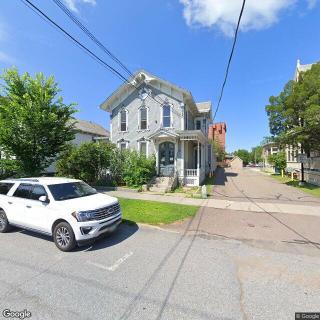
Welcome to St. Joseph's Residential Care Home, a compassionate and supportive assisted living community located in charming Burlington, VT. Our home is designed to provide a comfortable and enriching environment for residents seeking assistance with daily activities while enjoying the independence they desire.

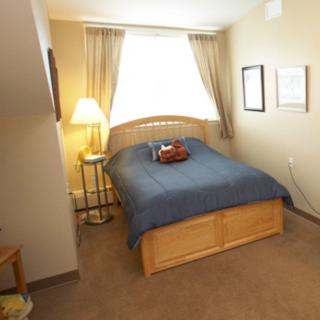
At St. Joseph’s, we prioritize your comfort and well-being. Our amenities include fully furnished rooms equipped with cable or satellite TV, Wi-Fi/high-speed internet access, and kitchenettes for added convenience. Residents can enjoy delicious meals in our inviting dining room and take advantage of housekeeping services that keep their living spaces clean and welcoming. Outside, our beautiful garden and outdoor spaces offer tranquility and opportunities for relaxation.

Our dedicated staff provides 24-hour supervision, ensuring that help is always available when needed. We specialize in assisting residents with various activities of daily living—including bathing, dressing, transfers, and medication management—allowing individuals to maintain their dignity while receiving necessary support. Additionally, we coordinate care with healthcare providers and cater to special dietary needs to promote a healthy lifestyle.

St. Joseph’s also offers a vibrant array of activities to encourage social engagement and mental wellness. With resident-run initiatives alongside scheduled daily activities, there are many opportunities for meaningful interaction and fun.

Strategically located near several conveniences, our community boasts proximity to numerous cafes, parks, pharmacies, physicians' offices, restaurants, hospitals, and places of worship—making it easy for residents to access essential services and engage with the local community.

Experience the warmth of St. Joseph's Residential Care Home—a place where comfort meets care in a friendly atmosphere tailored just for you.

Nearby Places of Interest

This part of Burlington, Vermont offers convenient access to a variety of essential services and amenities for seniors. With multiple physicians' offices, including specialists in neurology and transplant surgery, as well as hospitals and pharmacies within close proximity, residents can easily access quality healthcare. Additionally, the area is home to a diverse selection of restaurants and cafes, providing plenty of dining options for those looking to explore different cuisines or enjoy a cup of coffee with friends. Nearby parks like City Hall Park and Waterfront Park offer opportunities for leisurely strolls or picnics in beautiful outdoor settings. Overall, this neighborhood provides seniors with a vibrant and accessible community to call home.

Physicians

  • Riverside Health Center (0.2 miles)
  • Susan P. Dunning, MD (0.5 miles)
  • UVM Medical Center Psychiatry (0.5 miles)
  • UVM Medical Center Transplant Surgery (0.5 miles)
  • Kylie A. Abe, MD, Neurologist (0.5 miles)
  • Elizabeth K Pierson (0.7 miles)
  • UVM Medical Center Garden Atrium (0.7 miles)

Restaurants

  • Pho Hong (0.2 miles)
  • Taco Gordo (0.4 miles)
  • Other Place (0.6 miles)
  • The Farmhouse Tap (0.8 miles)
  • Henry's Diner (0.9 miles)
  • Waterworks Food + Drink (0.9 miles)
  • Bangkok Bistro in the Alley (0.9 miles)

Hospitals

  • UVM Medical Center Registration (0.5 miles)
  • Vermont Regional Genetics Center (0.6 miles)
  • UVM Medical Center McClure (0.6 miles)
  • UVM Medical Center Neonatal Intensive Care Unit (0.7 miles)
  • The University of Vermont Medical Center (0.7 miles)

Pharmacies

  • UVM Medical Center Pharmacy (0.5 miles)
  • Lakeside Pharmacy (0.6 miles)
  • Walgreens (0.7 miles)
  • UVM Medical Center Pharmacy - Main Campus (0.7 miles)
  • CVS Pharmacy (0.8 miles)
  • CSL Software Solutions (1.2 miles)
  • Lunaroma Aromatic Apothecary (1.5 miles)

Places of Worship

  • St Joseph Church (0.7 miles)

Cafes

  • Kru Coffee Collective (0.7 miles)
  • Vivid Coffee Roasters (0.7 miles)
  • Scout & Co. (0.9 miles)
  • Muddy Waters (0.9 miles)
  • Scout & Co. (1.1 miles)
  • Kestrel Coffee Roasters (1.2 miles)
  • Starbucks (1.8 miles)

Parks

  • City Hall Park (0.9 miles)
  • Waterfront Park (1.1 miles)
  • Ethan Allen Park (2.2 miles)
  • Oakledge Park and Beach (2.7 miles)
  • Oakledge Park (2.7 miles)

Transportation

  • Burlington International Airport (BTV) (2.7 miles)

Frequently Asked Questions

Where is St. Joseph's Residential Care Home?

Nearby Communities

Related Resources

  • is assisted living tax deductibleIs Assisted Living Deductible on Your Taxes? Understanding the Complexities of Assisted Living Expenses and Deductions

    The deductibility of assisted living expenses on taxes hinges on factors like the individual's medical condition and service nature, typically requiring the resident to be "chronically ill" per IRS definitions. Taxpayers may deduct eligible medical expenses related to personal care services but generally not rent unless primarily for medical care, and they should maintain thorough documentation to support claims while considering itemizing versus standard deductions.

  • va benefits for assisted livingAssisted Living Support for Veterans: A Complete and Detailed Overview

    The guide highlights the importance of assisted living facilities for aging veterans needing daily support, discusses unique challenges they face, and outlines available financial assistance from the VA, including the Aid and Attendance program. It emphasizes understanding eligibility criteria and navigating the VA system to access necessary benefits effectively.

  • assisted living vs skilled nursingExploring the Contrasts Between Assisted Living and Skilled Nursing

    The article compares assisted living and skilled nursing facilities, detailing their differing levels of assistance, medical support, cost structures, and day-to-day experiences. It emphasizes that assisted living is for those needing help with daily activities while maintaining independence, whereas skilled nursing facilities provide intensive medical care with 24-hour staff supervision.