For more information about senior living options: (866) 208-4318
3.7 from 47 reviews
5 stars
26
4 stars
4
3 stars
3
2 stars
3
1 stars
11
Overall Review of Burlington Health & Rehab
common
Staff care varies widely
Residents describe both attentive caregivers and lapses in follow-through.
Many reviews mention kind, friendly, or compassionate staff members, including specific nurses who respond to call bells and help families through recovery. Others describe delays getting help, inconsistent care, and cases where residents or tasks were overlooked until a family member intervened. Several reviews also balance this by saying the facility worked well on the days families were present, while care felt less reliable when they were not.
differentiator
Rehab therapy is a bright spot
PT and OT are a standout part of stays for many residents.
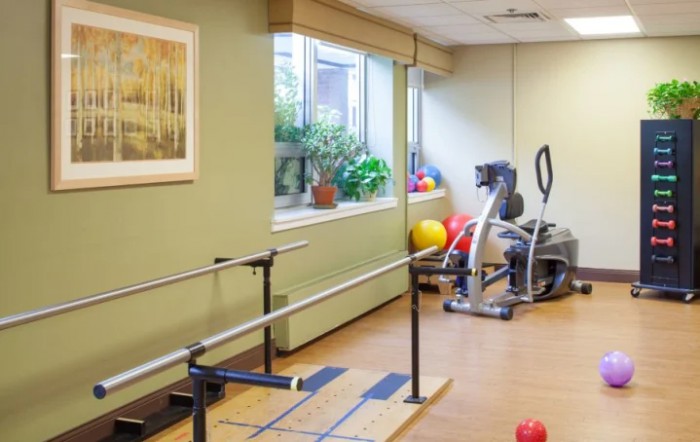
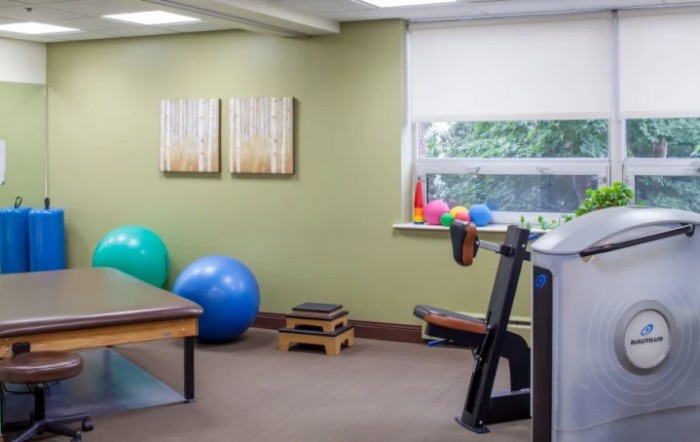
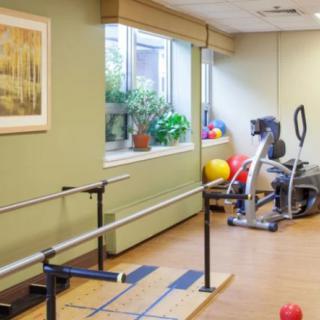
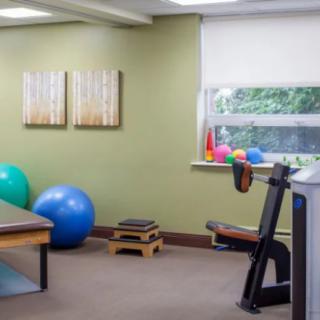
Reviews frequently credit physical therapy and occupational therapy with meaningful progress, including moving from needing mobility help to walking and getting back stronger after orthopedic or post-hospital stays. Some residents also describe therapists as knowledgeable and tailoring treatment to comfort and ability. While other reviews criticize overall care coordination, therapy-focused experiences are often described positively even when other parts of the stay were frustrating.
caveat
Food quality is inconsistent
Food quality swings between praised meals and reports of cold, bland service.
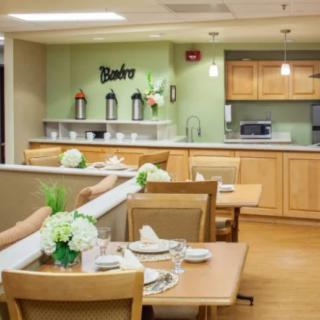
Some residents and families describe the food as good, plentiful, or even restaurant-like, and note that menus can be varied and balanced. Other reviews report food arriving cold, meals being bland or unappetizing, and portions or nutrition not matching rehab needs. A few comments also connect dining to timing or consistency issues, such as not getting dinner when expected.
caveat
Delays and communication gaps
Several residents describe slow responses and limited communication.
A recurring concern is that help can take too long after call buttons are pressed, with some reviews describing waiting for bathroom assistance or medication. Families also describe communication breaking down between residents, doctors, nurses, and support roles, including delays in getting injury or update information. Alongside that, there are specific complaints about missed follow-through on details like compression socks and fall reporting.
common
Facility looks cleaner after renovations
Residents repeatedly mention cleanliness and a more updated interior feel.
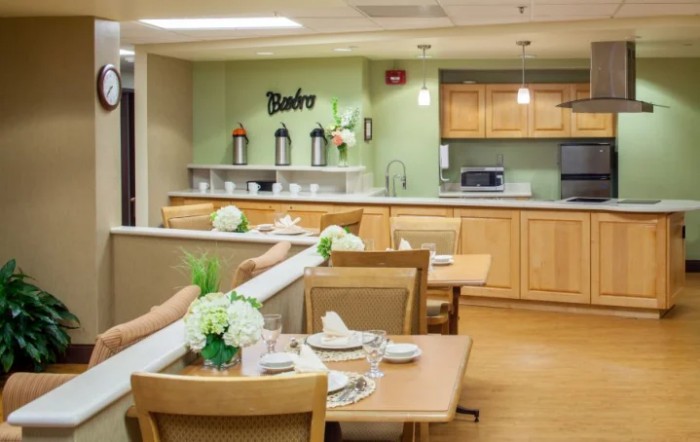
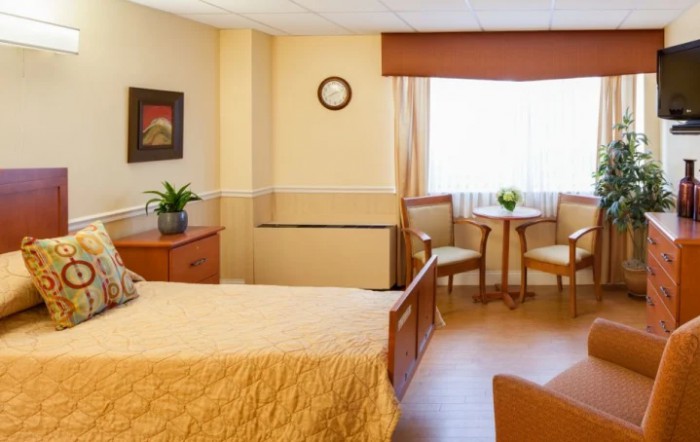
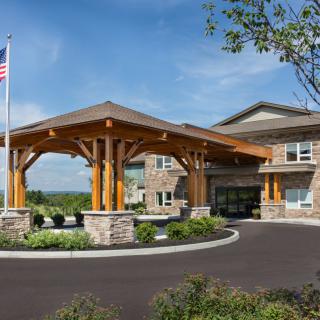
Several reviews highlight the lobby and renovated areas as attractive and mention the building feeling clean and fresher than expected. Families also describe rooms and hallways as routinely cleaned and note that the community does not look and feel like a traditional nursing home to them. Even reviews that were otherwise critical often acknowledge that some staff or parts of the environment were better than the worst reported experiences.
common
Near UVM for medical access
Being near major medical services comes up in transfer stories.
Some reviews mention coming from or being connected to UVM Medical Center during hospital-to-rehab transitions, which points to convenient access to medical care. Nearby destinations in the area also include pharmacies and medical offices, aligning with how families describe planning around follow-up needs. While that proximity helps with coordination, reviews still vary on how smoothly everyday care is handled once residents are at the facility.
How we summarize
We summarize when many written reviews mention each theme; a review can touch several themes, and only frequently mentioned themes are displayed.
Features
Housing
21 resident community capacity
Types of Care
Assisted Living
Skilled Nursing Facility
Amenities
Beauty salon
Cable or satellite TV
Dining room
Fully furnished
Garden
Housekeeping services
Kitchenette
Move-in coordination
Outdoor space
Telephone
Wi-Fi/high-speed internet available
Transportation
Burlington International (3 miles away)
Care Services
24-hour call system
24-hour supervision
Activities of daily living assistance
Assistance with bathing
Assistance with dressing
Assistance with transfers
Coordination with health care providers
Diabetes diet
Meal preparation and service
Medication management
Mental wellness program
Special dietary restrictions
Transportation arrangement (medical)
Transportation to doctors appointments
Dining
Diabetes diet
Special dietary restrictions
Activities
Community-sponsored activities
Scheduled daily activities
Nearby Places of Interest
This part of Burlington, Vermont offers a convenient and bustling urban environment with easy access to essential services such as pharmacies and healthcare facilities. The area is dotted with various dining options ranging from casual eateries to upscale restaurants, providing a diverse culinary scene. There are also several cafes where you can relax and enjoy a cup of coffee. In addition, there are places of worship nearby for spiritual fulfillment and parks like City Hall Park and Waterfront Park for leisurely strolls and outdoor activities. Overall, this area provides a vibrant community atmosphere with plenty of amenities to support a comfortable senior living experience.
Pharmacies
Lakeside Pharmacy (0.1 miles)
UVM Medical Center Pharmacy (0.3 miles)
Walgreens (0.3 miles)
CVS Pharmacy (0.3 miles)
UVM Medical Center Pharmacy - Main Campus (0.7 miles)
CSL Software Solutions (0.7 miles)
Lunaroma Aromatic Apothecary (1 miles)
Restaurants
Other Place (0.2 miles)
Taco Gordo (0.4 miles)
The Farmhouse Tap (0.4 miles)
Henry's Diner (0.4 miles)
Bangkok Bistro in the Alley (0.4 miles)
Sweetwaters American Bistro (0.4 miles)
Vermont Pub & Brewery (0.5 miles)
Physicians
Susan P. Dunning, MD (0.3 miles)
UVM Medical Center Psychiatry (0.3 miles)
UVM Medical Center Transplant Surgery (0.3 miles)
Kylie A. Abe, MD, Neurologist (0.3 miles)
Eleanor Luse Center Uvm (0.5 miles)
Elizabeth K Pierson (0.6 miles)
Riverside Health Center (0.6 miles)
Hospitals
UVM Medical Center Registration (0.3 miles)
Vermont Regional Genetics Center (0.5 miles)
UVM Medical Center McClure (0.6 miles)
The University of Vermont Medical Center (0.6 miles)
UVM Medical Center Neonatal Intensive Care Unit (0.6 miles)
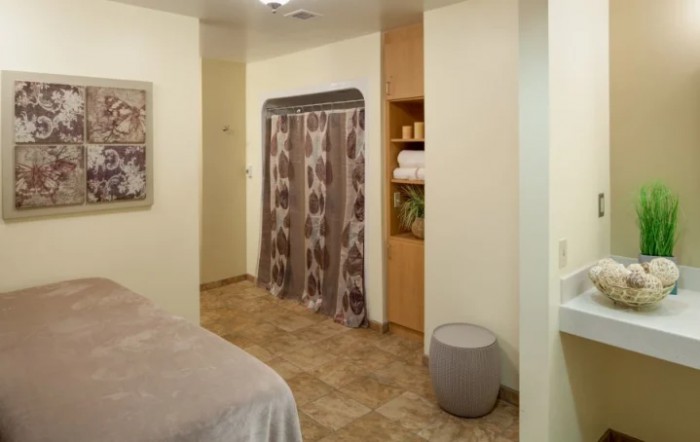
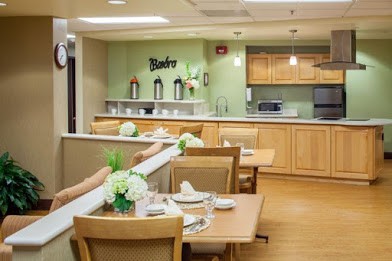
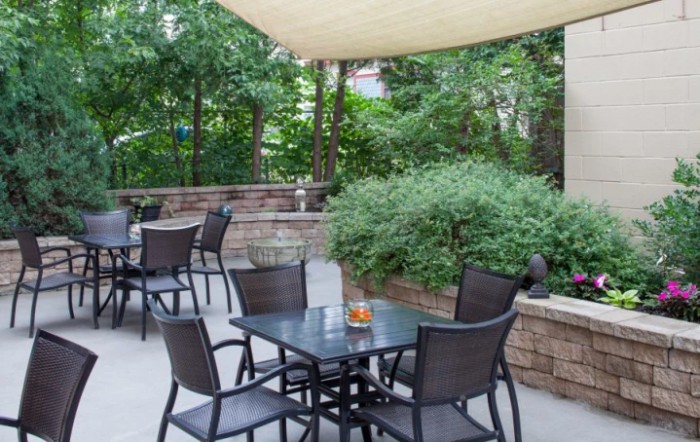
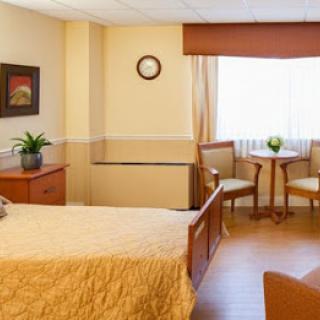
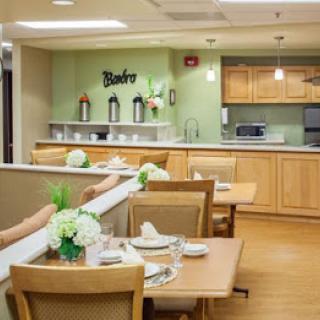
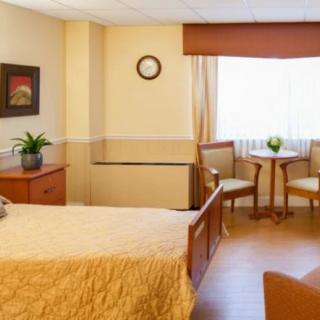
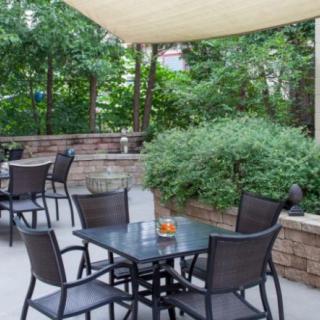
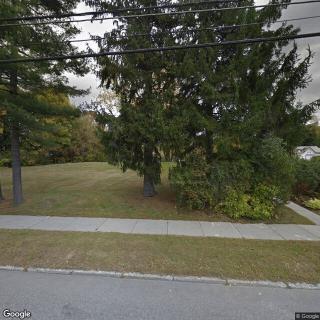
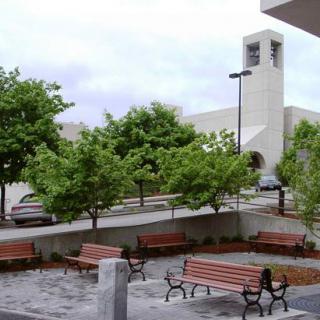
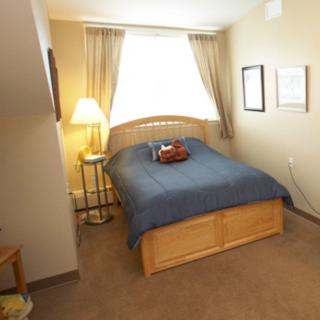
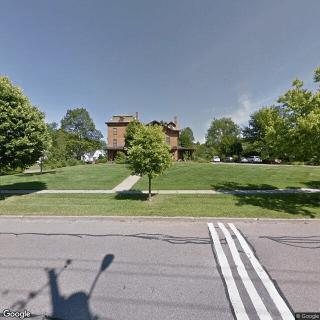
Burlington Health & Rehab on seniors.fyi includes 8 photos including images showing interior, decor, dining, bedroom, windows, kitchen, exercise equipment, fitness room, and more.
Nearby Communities
Mc Kenzie House
Burlington, VT
4.5 from 2 reviews
Well-connected location with easy access to cafes, parks, restaurants, and healthcare.
St. Joseph's Residential Care Home
Burlington, VT
3.7 from 3 reviews
24/7 supervision with ADL assistance and comfortable, furnished rooms with meals and garden spaces.
Fern Hill
Burlington, VT
4.3 from 3 reviews
Personalized diabetic care with engaging activities in a warm setting.
Cathedral Square Senior Living
Burlington, VT
Fully furnished apartments with 24-hour supervision and coordinated medical care.
The Converse Home
Burlington, VT
4.5 from 17 reviews
Warm, welcoming atmosphere with attentive, knowledgeable staff and strong dementia care.
Ruggles House
Burlington, VT
4 from 4 reviews
Convenient location with extensive nearby amenities (healthcare, dining, parks).
Choosing between assisted living and nursing homes involves evaluating emotional and financial factors, with assisted living offering independence and support for daily activities at a lower cost, while nursing homes provide intensive medical care for individuals with significant health needs. The decision is influenced by personal preferences, health status, cognitive function, and varying Medicaid coverage across states.
Assisted living in 2025 offers a crucial balance of independence and support for seniors, with costs varying from $2,500 to over $7,000 per month based on factors such as location and care level. Understanding pricing complexities, including regional differences and potential hidden fees, is essential for families to plan financially while ensuring quality care for their loved ones.
The guide outlines the complexities of Medicaid coverage for assisted living, highlighting significant state-to-state variations, limited coverage often restricted to personal care services, and the existence of specialized waivers for certain needs like memory care. It advises families to consult local Medicaid offices for options while emphasizing the importance of understanding state-specific regulations and facility policies.
Get PricingAsk A QuestionSchedule A TourContact Senior Advisor
By clicking submit, you agree to our Partner's Terms of Use. You
also consent to receive calls and texts, which may be autodialed, from our Partner. Your consent is not a condition to
using our Partner's service. Please visit our Partner's Privacy Policy for information about their privacy practices.

 21 resident community capacity
 Assisted Living
 Skilled Nursing Facility
 Beauty salon
 Cable or satellite TV
 Dining room
 Fully furnished
 Garden
 Housekeeping services
 Kitchenette
 Move-in coordination
 Outdoor space
 Telephone
 Wi-Fi/high-speed internet available
 Burlington International (3 miles away)
 24-hour call system
 Activities of daily living assistance
 Assistance with bathing
 Assistance with dressing
 Assistance with transfers
 Diabetes diet
 Meal preparation and service
 Medication management
 Mental wellness program
 Special dietary restrictions
 Transportation arrangement (medical)
 Transportation to doctors appointments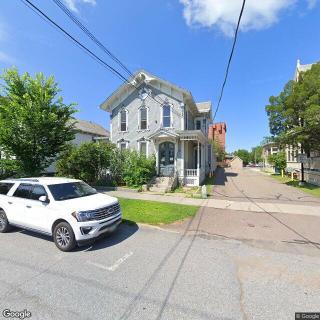
 Well-connected location with easy access to cafes, parks, restaurants, and healthcare.
 Choosing the Right Senior Care: A Detailed Exploration of Assisted Living and Nursing Homes
 Understanding the True Cost of Assisted Living in 2025: A Comprehensive Guide
 Understanding Medicaid Coverage for Assisted Living: A Comprehensive Guide