
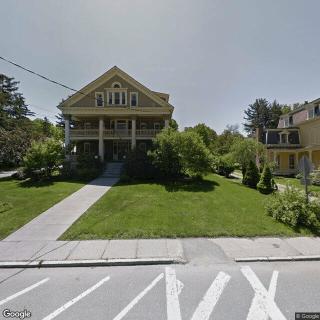
80 Maple Street, Brattleboro, VT 05301
For more information about senior living options: (866) 208-4318
Overall Review of Thompson Residential Home
Pros
 The facility is a great place.
- The mother has been there for two years and likes it there.
- The staff are great.
- The care is provided with respect and love when a person can no longer live at home.
Cons
 She hated leaving her home.
Review
Thompson Residential Home in Brattleboro, VT is best suited for seniors who want a warm, intimate, home-like setting where caregivers know residents by name and care is delivered with evident respect and affection. It suits families navigating the emotional shift from independent living to assisted support, especially when a loved one does not require hospital-level medical services but does benefit from daily help, companionship, and a stable routine. The setting is particularly appropriate for someone who prizes personal attention, continuity of care, and a small-scale environment that feels less institutional than larger facilities.
Those weighing alternatives should note when this community might not be the right fit. If a loved one needs frequent skilled nursing, complex medical management, or specialized memory care with structured programming, a larger facility or dedicated memory care unit could be more suitable. If the priority is abundant on-site activities, club-style social life, robust transportation options, or location-specific amenities, a bigger community may deliver more of what is hoped for. Additionally, if cost considerations or proximity for family visits drive decisions, it’s prudent to compare comparable options nearby to ensure value and access align with expectations.
The strongest pros center on staff quality and the care atmosphere. Residents’ families repeatedly point to staff who are “great” and perform care with respect and love. A parent who lived there for two years grew to genuinely like the place, a meaningful sign that personal relationships and attentiveness matter deeply in daily life. In a small, home-like setting, this translates into reliable routines, familiar faces, and a sense of safety that is hard to replicate in larger, more impersonal communities. Those elements often translate into better mood, less agitation, and smoother transitions for residents.
The existence of a single one-star review also matters. It signals that, despite strong overall sentiment, not every experience is flawless. The absence of universal unanimity suggests potential gaps, perhaps in responsiveness, consistency, or expectations not fully aligned with day-to-day realities. Prospective families should probe how the home handles concerns when they arise: what the typical response time is, how transparently information is shared, and whether care plans are adjusted promptly in response to changing needs. In a small operation, stability hinges on staffing patterns and open lines of communication.
Taken together, the positives largely offset the possible downsides because the environment prioritizes human connection over a busy, hospital-row calendar. For families prioritizing emotional comfort, daily companionship, and a sense of belonging, this setting excels without demanding the compromises that sometimes accompany larger operations. Still, families should verify how medical needs are monitored on-site, what level of nursing support exists, and how emergencies after hours are managed. A careful tour focused on daily life, meal routines, visiting hours, and how activities are woven into the week, will reveal whether expectations align with reality.
In sum, Thompson Residential Home is a pragmatic, solid choice for those seeking an affectionate, home-like atmosphere with staff who know residents well and deliver care with genuine warmth. It stands out for seniors who do not require intensive medical services but do need dependable help and meaningful interpersonal connections. Alternatives should be on the table for residents needing more robust clinical oversight, specialized memory care, or expansive programming. The combination of strong staff, a comforting environment, and one notable caution point from a lone unhappy review points to a facility that is capable and caring, yet deserves targeted questions during visits and a clear plan for ongoing resident satisfaction before making a final commitment.
 17 resident community capacity
 Assisted Living
 Board and Care Home
 Skilled Nursing Facility
 Cable or satellite TV
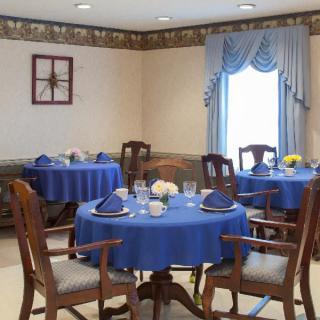
 Dining room
 Fully furnished
 Garden
 Housekeeping services
 Move-in coordination
 Outdoor space
 Telephone
 Wi-Fi/high-speed internet available
 24-hour supervision
 Activities of daily living assistance
 Assistance with bathing
 Assistance with dressing
 Assistance with transfers
 Diabetes diet
 Meal preparation and service
 Medication management
 Special dietary restrictions
 Transportation arrangement (medical)
 Transportation to doctors appointments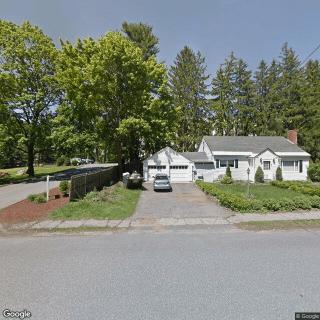


 8 Key Indicators That Suggest It May Be Time to Transition from Assisted Living to Skilled Nursing Care
 Vibrant Senior Living: A Comprehensive Guide for Active Older Adults
 When to Transition from Assisted Living to Memory Care: Key Indicators, Steps, and Finding the Right Community