
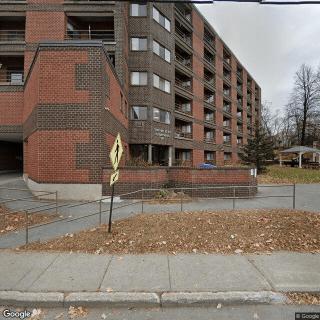
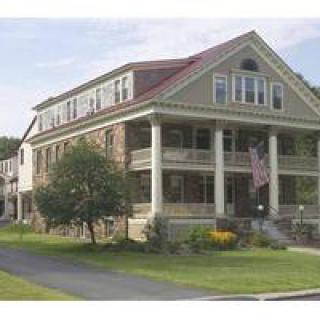
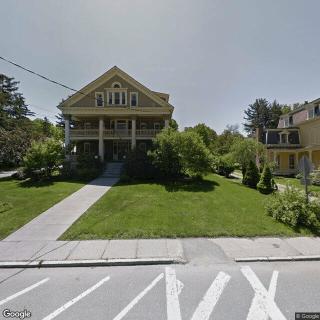
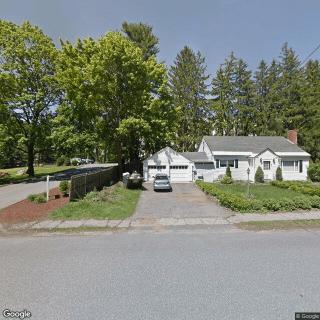
65 Harris Avenue, Brattleboro, VT 05301
For more information about senior living options: (866) 208-4318
Overall Review of The Bradley House (F.K.A. Hilltop House)
Pros
 The homes provide caring assistance and healthy activities for elder residents.
- The love and care shown to residents is exceptional.
- The facilities are kept with pride and are immaculate.
- The gardens are exquisite.
- There are plentiful opportunities for residents to take field trips and enjoy activities without pressure.
- The staff are friendly and helpful, creating a welcoming environment.
- Holton Home is described as a very special place.
Cons
 The staff were horrible.
- Samantha, Emer, and Cindy are racist.
- The reviewer was harassed and nitpicked the entire time they were there.
- Samantha, the LPN, lied about the reviewer because of jealousy over higher earnings.
- The facility is not friendly toward Black people.
- The staff neglected residents, endangering those around them.
Review
The Bradley House (formerly Hilltop House) in Brattleboro is best suited for seniors who want a small, home-like setting with intimate community life, personalized attention, and easy access to town activities. It works well for residents who prize warmth, regular social engagement, and the chance to participate in garden time and casual outings without navigating a large campus. It is not the right fit for someone who needs constant, high-intensity medical oversight, large-scale programming, or a rigid, centralized care model with extensive clinical staffing on every shift.
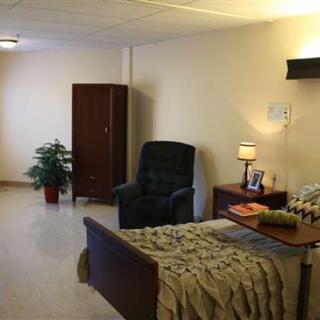
On the upside, the care environment is repeatedly described as beautiful, clean, and inviting. The homes themselves offer a charming, almost cottage-like ambiance with well-kept grounds and gardens that encourage outdoor time and peaceful surroundings. Families repeatedly note meaningful daily activities, flexible visiting, and opportunities for residents to join in field trips and social events without pressure. When the care team is aligned and attentive, residents feel seen, well attended, and part of a loving network that extends to family members who drop by at all hours for visits and meals. These elements can translate into a high quality of life for those who thrive in a personable, neighborhood-style setting.
Yet the strongest caveat runs through several accounts: the caregiving experience can vary by staff member and by shift, with serious concerns raised about staff conduct, atmosphere, and even safety. A traveling nurse’s report of racial hostility and harassment is stark, and other notes about neglect or strained relations with the surrounding community cannot be ignored. This contrast, loving, attentive care in some reviews versus reports of mistreatment or neglect in others, highlights a real risk: the home’s success hinges on consistent, respectful staffing and strong leadership. For prospective residents, due diligence on current staffing stability, management responsiveness, and the presence of clear, enforceable care plans is essential.
Given those dynamics, alternatives become worth serious consideration for families prioritizing consistent culture, predictable oversight, and strong safeguards against discriminatory behavior. A larger facility with formalized memory care pathways, steadier staffing, and transparent training may offer more reliable daily experiences. For those who require more aggressive medical management or 24/7 clinical coverage, broader networks or communities with dedicated medical teams could prove more suitable. The right match, however, depends on finding a setting that preserves the home-like intimacy while delivering consistently respectful, person-centered care across all shifts.
For a thorough evaluation, the recommended approach is practical and focused. Request current staffing data, including turnover rates and the qualifications of each shift’s caregivers. Obtain a clear, written care plan for the potential resident, detailing medications, routines, safety measures, and escalation procedures. Schedule multiple tours at different times, speak candidly with both staff and residents, and review the activity calendar and transportation options for errands and outings. Probe dietary accommodations, meal quality, and how complaints are handled and resolved. The aim is to confirm that the positive atmosphere and personal connection are supported by stable operations and a culture of dignity and respect, not by isolated good days.
 28 resident community capacity
 1-bedroom apartments
 Assisted Living
 Skilled Nursing Facility
 Beautician on-site
 Cable or satellite TV
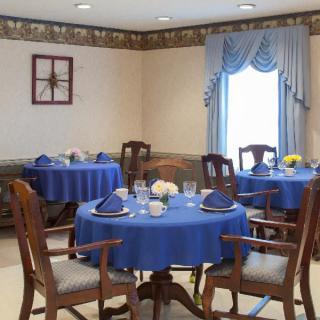
 Dining room
 Financial aid
 Fully furnished
 Garden
 Guest parking
 Housekeeping services
 Kitchenette
 Laundry
 Move-in coordination
 Outdoor space
 Party space
 Respite or short term stays offered
 Telephone
 Wi-Fi/high-speed internet available
 Transportation & parking
 24-hour call system
 Activities of daily living assistance
 Assistance with bathing
 Assistance with dressing
 Assistance with transfers
 Companion care
 Diabetes diet
 Hospice care
 Meal preparation and service
 Medication management
 Mental wellness program
 Special dietary restrictions
 Transportation arrangement (medical)
 Arts and crafts
 Book club
 Cooking club
 Educational speakers / life long learning
 Games
Games Live musical performances
 Religious services
 Tai Chi
 When to Transition from Assisted Living to Memory Care: Key Indicators, Steps, and Finding the Right Community
 Assisted Living and Memory Care: Understanding Their Core Differences
 Beyond the Bingo Hall: 50+ Enriching Activities for Seniors in Assisted Living