East Side Center

642 South University Street, Salt Lake City, UT 84102

For more information about senior living options: (844) 490-3973

1 from 3 reviews
5 stars
0
4 stars
0
3 stars
0
2 stars
0
1 stars
3

Assisted Living

East Side Center Costs & Pricing

At East Side Center, the monthly cost for a private room is set at $4,224, which positions it slightly above the average costs within Salt Lake County, where similar accommodations average around $4,082. When compared to state-wide figures, this cost is also higher than Utah's average of $3,782 for private rooms. While East Side Center may command a premium over both local and state averages, this pricing reflects its commitment to providing high-quality care and services tailored to the needs of its residents. It's important for potential clients and their families to consider not only the financial aspects but also the value derived from exceptional levels of support and amenities offered at the center.

Floor plansEast Side CenterSalt Lake CountyUtah
Private$4,224$4,082$3,782

What level of care are you interested in?

Assisted Living

Memory Care

Independent Living

Skilled Nursing Facility

Continuing Care Retirement Community (CCRC)CCRC

Other


Request a tour at East Side Center

    Overall Review of East Side Center

    Pros

    • pro The facility was nice.
    • pro The food was good.
    • pro The CNAs and other staff were very helpful.

    Cons

    • pro The care of disadvantaged people was the most degrading care observed.
    • pro There were two suicides.
    • pro The facility's closure was sad.
    • pro The building was old.

    Review

    The Bungalow care center is remembered in a way that mixes appreciation with a heavy sense of loss. The reviewer paints a picture of a facility that felt like a solid option in its own right: a place where the environment was pleasant enough and where the substance of daily life was carried by people who seemed genuinely to care. The food, in particular, stands out as a positive note, described as good and satisfying. The caregiver elements - the certified nursing assistants (CNAs) and the rest of the staff - are praised for their helpfulness, their willingness to assist, and their overall approachable, patient demeanor. In this recollection, the human side of the center - the hands-on care and the friendly, responsive staff - appears to have been one of its strongest, most memorable features.

    Alongside these affirmations about people and meals, the reviewer notes a practical, less glamorous truth: the building itself was old. This element - age and perhaps the wear and tear associated with an older structure - adds a certain character to the place while also hinting at potential limitations or shortcomings that come with antiquated facilities. The sentiment is not one of condemnation but of a lived-in reality: warmth and service existed within walls that carried the marks of time. The overall tone suggests that the facility managed to function well for its residents despite, or perhaps because of, its older fabric and infrastructure.

    There is also a clear sense of sadness tied to the institution's closure. The reviewer does not frame the closing of the center as just a logistical event; it's depicted as a loss, a withdrawal of a place that had become meaningful to residents, families, and staff alike. The emotion conveyed is one of disappointment and mourning for what the center represented during its years of operation - the daily routines, the chance to receive care close to home, and the relationships that had formed between residents and the people who cared for them. The closing is remembered not merely as a future project or a shift in services, but as the end of a community hub that had mattered to many.

    Behind the more favorable memory of care and companionship, the reviewer also offers a stark critique about the treatment of disadvantaged people within the care setting. The phrase "the most degrading care of disadvantaged people I've seen" signals a deeply troubling perception: that some residents who were more vulnerable - perhaps due to disability, age, or socioeconomic status - were not treated with the dignity and respect they deserved. This assertion casts a shadow over the center's overall reputation, suggesting that, in some respects, the care delivered to those who are most at risk fell short of what is ethically and professionally expected. The language used conveys a weighty concern about how people in vulnerable positions were managed day to day, and it invites reflection on the social and operational dynamics that could lead to such a judgment.

    Adding to the gravity of the situation, the reviewer mentions two suicides that they know of, underscoring a perceived crisis in safety and mental health support within the care setting. The mention of suicides is jarring and significant: it implies that residents faced severe emotional distress or hopelessness and that the care environment may have failed to provide adequate protection, oversight, or intervention. This detail amplifies the sense that there were serious, potentially systemic problems behind the scenes, even as moments of kindness and competence were also present on the surface. The combination of compassionate care and critical safety concerns creates a complex, uneasy portrait of the center.

    Taken together, the memories of the Bungalow care center reveal a facility that offered genuine positives at the bedside - good food, attentive CNAs and staff, and a generally warm, human-centered approach to daily life - while also bearing heavy, unresolved questions about how the most vulnerable residents were treated and safeguarded. The closure adds a final layer of sadness to an already multifaceted picture, leaving behind a sense of what was lost and what might have been improved. For anyone reflecting on the center, the enduring impression is not simply a tale of a place that functioned well in some respects, but a reminder that care environments must balance warmth and efficiency with unwavering commitment to dignity, safety, and the well-being of every resident, especially those most in need.

    Features

    Housing

    • 16 resident community capacity 16 resident community capacity

    Types of Care

    • Assisted Living Assisted LivingAssisted living facilities provide crucial support and care for seniors who may need help with daily tasks such as medication management, bathing, and meal preparation. These communities offer a safe and comfortable environment where seniors can maintain their independence while receiving the assistance they need to thrive in their golden years.

    Amenities

    • Cable or satellite TV Cable or satellite TVCable or satellite TV is important for seniors because it provides entertainment, news, and companionship, helping to combat loneliness and boredom. It also offers a wide range of programming options tailored to different interests and preferences.
    • Dining room Dining roomDining rooms are important for seniors as they provide a space for socialization, connection, and nutritious meals. They offer opportunities for residents to bond over shared meals, foster a sense of community, and promote healthy eating habits. Dining rooms also ensure that seniors have access to well-balanced meals tailored to their dietary needs and preferences.
    • Fully furnished Fully furnishedFully furnished senior living communities are important for seniors because they provide convenience, comfort, and a hassle-free moving experience. Seniors can easily settle into their new living space without the stress of having to buy and move furniture. This allows them to focus on enjoying their new home and community.
    • Garden GardenGardens are important for seniors as they provide a peaceful and therapeutic environment for relaxation, physical activity, and socialization. Being in nature has been shown to reduce stress, improve mood, and promote overall well-being. Gardens also offer opportunities for seniors to engage in gardening activities, which can improve mobility, flexibility, and cognitive function. Additionally, gardens create a sense of community and connection with others who share a passion for plants and outdoor spaces.
    • Housekeeping services Housekeeping servicesHousekeeping services are important for seniors because they help maintain a clean and safe living environment, promote independence, and reduce the risk of accidents or illnesses. Additionally, having assistance with household chores can alleviate physical strain and allow seniors to focus on other aspects of their well-being.
    • Move-in coordination Move-in coordinationMove-in coordination is important for seniors because it helps ease the transition into their new living environment. It ensures that all logistics, such as packing, organizing movers, and setting up utilities are taken care of, allowing seniors to focus on settling in and adjusting to their new home. Having a smooth move-in process can alleviate stress and anxiety, making the transition smoother and more enjoyable for seniors.
    • Outdoor space Outdoor spaceOutdoor spaces are important for seniors as they provide opportunities for physical activity, social interaction, exposure to natural light and fresh air, and a sense of connection to nature. Having access to outdoor spaces can improve overall well-being and quality of life for older adults living in senior communities.
    • Telephone TelephoneTelephones are important for seniors as they provide a lifeline for communication with loved ones, emergency services, and healthcare providers. They offer a sense of security and independence, enabling seniors to stay connected and access assistance when needed.
    • Wi-Fi/high-speed internet available Wi-Fi/high-speed internet availableWi-Fi/high-speed internet is important for seniors to stay connected with loved ones, access online resources, and participate in virtual activities to combat feelings of loneliness and isolation. It also allows them to easily manage healthcare needs, access entertainment, and engage in lifelong learning opportunities.

    Transportation

    • Salt Lake City International (7 miles away) Salt Lake City International (7 miles away)

    Care Services

    • 24-hour supervision 24-hour supervision24-hour supervision is important for seniors to ensure their safety, well-being, and access to immediate assistance in case of emergencies or health issues. This constant support provides peace of mind for both seniors and their loved ones, allowing them to age in place with dignity and security.
    • Activities of daily living assistance Activities of daily living assistanceActivities of daily living assistance are important for seniors because they provide essential support with tasks such as eating, bathing, dressing, and mobility. This assistance helps seniors maintain their independence, dignity, and overall quality of life as they age.
    • Assistance with bathing Assistance with bathingAssistance with bathing is crucial for seniors as it helps maintain personal hygiene, prevents infections, and ensures their overall well-being and comfort. It also provides a sense of dignity and independence for seniors who may struggle with this task on their own.
    • Assistance with dressing Assistance with dressingAssistance with dressing is important for seniors because it helps maintain their independence, promotes personal hygiene, prevents accidents and injuries, and improves overall quality of life. This service ensures that seniors can continue to dress comfortably and confidently, despite any physical limitations they may have.
    • Assistance with transfers Assistance with transfersAssistance with transfers is crucial for seniors as it helps prevent falls and injuries, maintains their independence, and ensures they can safely navigate their living environment. It also provides peace of mind for both seniors and their loved ones.
    • Coordination with health care providers Coordination with health care providersCoordination with health care providers is crucial for seniors to ensure proper medical care, medication management, and overall well-being. This collaboration helps prevent overlapping treatments, track progress more effectively, and provide comprehensive support tailored to individual needs.
    • Diabetes diet Diabetes dietA diabetes diet is crucial for seniors as it helps manage blood sugar levels, reduce risks of complications, and improve overall health and well-being. By following a balanced and nutritious diet tailored to their specific needs, seniors can better control their diabetes and enhance their quality of life.
    • Meal preparation and service Meal preparation and serviceMeal preparation and service are crucial for seniors as they may have limited mobility or energy to cook nutritious meals. Having access to healthy and convenient food options can ensure they are getting the proper nutrition needed to maintain their overall health and well-being.
    • Medication management Medication managementMedication management is crucial for seniors to ensure they are taking the right medications at the correct dosages and times. This helps prevent adverse drug interactions, reduces the risk of medication errors, and promotes overall health and well-being. Proactive management also allows for adjustments as needed based on changing health conditions or new prescriptions.
    • Special dietary restrictions Special dietary restrictionsSpecial dietary restrictions are important for seniors because age-related changes in metabolism and health conditions can make it difficult for their bodies to process certain foods. By following a diet tailored to their specific needs, seniors can maintain their overall health and well-being, manage chronic conditions, and reduce the risk of complications such as malnutrition or food interactions with medications.
    • Transportation arrangement (medical) Transportation arrangement (medical)Transportation arrangements for medical purposes are essential for seniors as they may have difficulty driving themselves to appointments or accessing public transportation. Having reliable and safe transportation options ensures that seniors can receive timely medical care and maintain their health and well-being.
    • Transportation to doctors appointments Transportation to doctors appointmentsTransportation to doctors' appointments is crucial for seniors as it ensures they have access to necessary medical care and support for their health needs. Without reliable transportation, seniors may struggle to attend important appointments, leading to potential delays in treatment and health complications. Providing transportation services helps seniors maintain their overall well-being and quality of life.

    Dining

    • Diabetes diet Diabetes dietA diabetes diet is crucial for seniors as it helps manage blood sugar levels, reduce risks of complications, and improve overall health and well-being. By following a balanced and nutritious diet tailored to their specific needs, seniors can better control their diabetes and enhance their quality of life.
    • Special dietary restrictions Special dietary restrictionsSpecial dietary restrictions are important for seniors because age-related changes in metabolism and health conditions can make it difficult for their bodies to process certain foods. By following a diet tailored to their specific needs, seniors can maintain their overall health and well-being, manage chronic conditions, and reduce the risk of complications such as malnutrition or food interactions with medications.

    Activities

    • Community-sponsored activities Community-sponsored activitiesCommunity-sponsored activities are important for seniors as they provide opportunities for social interaction, mental stimulation, and physical activity. These activities can help improve overall well-being, combat loneliness and isolation, and promote a sense of belonging and purpose among older adults.
    • Scheduled daily activities Scheduled daily activitiesScheduled daily activities are important for seniors because they provide structure, socialization, mental stimulation, and physical activity. Engaging in regular activities can improve overall well-being and quality of life for seniors living in a community setting.

    Description

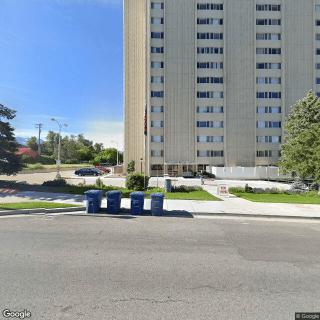
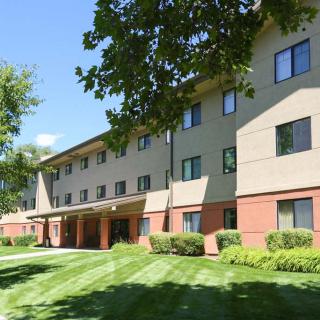
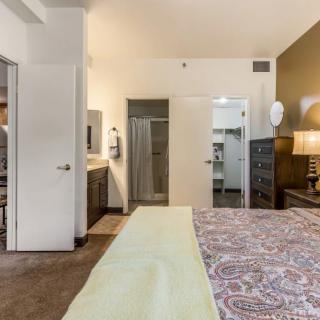
    East Side Center is a premier assisted living community located in Salt Lake City, UT. Our center offers a range of amenities and care services to ensure the comfort, convenience, and well-being of our residents.

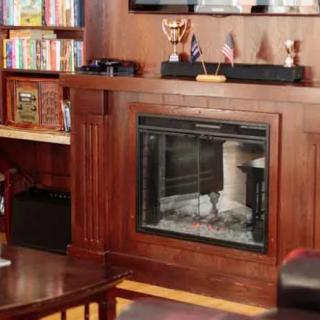
    Our community features a spacious dining room where residents can enjoy delicious meals prepared by our professional culinary team. The center is fully furnished, providing a comfortable and inviting atmosphere for our residents to call home. Additionally, we have a beautiful garden and outdoor space where residents can relax, socialize, or simply enjoy the fresh air.

    We understand the importance of maintaining a clean and organized living environment. That's why we provide housekeeping services to ensure that our residents' living spaces are always tidy and well-maintained.

    We offer move-in coordination services to make the transition into our community as seamless as possible. Our compassionate staff will assist with any necessary arrangements to ensure that moving into East Side Center is stress-free for both residents and their families.

    At East Side Center, we prioritize the health and well-being of our residents. Our care services include assistance with activities of daily living such as bathing, dressing, and transfers. We also coordinate with health care providers to ensure that each resident receives the necessary medical attention and medications they require.

    Our dining options cater to individuals with special dietary restrictions. Whether it be diabetes diets or other specific needs, our culinary team can accommodate various dietary requirements without compromising on taste or quality.

    Residents at East Side Center can enjoy scheduled daily activities designed to promote engagement and socialization. These activities provide an opportunity for residents to pursue their hobbies, interests, and form meaningful connections with fellow community members.

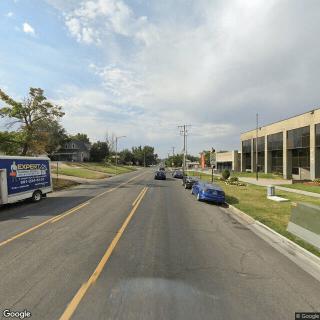
    Convenience is key at East Side Center. With numerous cafes, parks, pharmacies, restaurants, transportation options (including medical transportation), places of worship nearby, as well as easy access to physicians and hospitals – all within close proximity – our location offers unparalleled convenience for both residents and their loved ones.

    Experience the comfort, care, and convenience of East Side Center in Salt Lake City. Contact us today to schedule a tour and see why our community is the ideal choice for assisted living.

    Nearby Places of Interest

    Parks

    • Sunnyside Park (0.6 miles)
    • Liberty Park (0.7 miles)
    • Bonneville Glen (0.7 miles)
    • Reservoir Park (0.9 miles)
    • Popperton Park (1.6 miles)
    • Washington Square (1.8 miles)
    • Sugar House Park (2.2 miles)

    Hospitals

    • George E Wahlen VA Hospital (0.6 miles)
    • United States Government (0.7 miles)
    • Moran Patient Support (1.3 miles)
    • Primary Children's Hospital (1.3 miles)
    • University Of Utah ENT Clinic 9 (1.4 miles)
    • University of Utah Hospital (1.4 miles)
    • Clinical Neurosciences Center - UUHC (1.4 miles)

    Cafes

    • Coffee Garden (0.8 miles)
    • Starbucks (1.2 miles)
    • Salt Lake Coffee Break (1.4 miles)
    • Publik Coffee Roasters (1.6 miles)
    • Java Jo's (1.7 miles)
    • Three Pines Coffee (2.1 miles)
    • Publik Coffee Roasters (2.2 miles)

    Physicians

    • Kroencke, Rachel Dr - Madsen Internal Medicine Clinic (0.9 miles)
    • Barr Facial Plastic Surgery: Lucy J Barr MD PC (1 miles)
    • Barr Facial Plastic Surgery (1 miles)
    • University Orthopaedic Center (1 miles)
    • Ear Nose & Throat Center (1.2 miles)
    • Pettey, Jeff H, Md - Moran Eye Center University (1.3 miles)
    • Central City Community Health Center (1.4 miles)

    Restaurants

    • Chipotle Mexican Grill (1 miles)
    • Hub & Spoke Diner (1 miles)
    • Cafe Niche (1 miles)
    • Greek Souvlaki (1.5 miles)
    • Amour Café (1.6 miles)
    • Sushi Burrito (1.7 miles)
    • Beer Bar (1.9 miles)

    Pharmacies

    • Walgreens (1.3 miles)
    • Watson Pharmaceuticals (1.5 miles)
    • Dan's Fresh Market (1.7 miles)
    • Smith's Food & Drug (1.9 miles)
    • Harmons (2 miles)
    • CVS Pharmacy (2 miles)
    • Walgreens (2.1 miles)

    Places of Worship

    • Cathedral of the Madeleine (1.8 miles)
    • LDS Foothill Stake Center (2.1 miles)
    • Salt Lake Tabernacle (2.3 miles)
    • Conference Center (2.4 miles)
    • Worldwide Gospel Church (3.6 miles)
    • Church of Jesus Christ of Latter Day Saints (4.7 miles)

    Theaters

    • Imax Theatre Clark Planetarium (2.7 miles)
    • Megaplex 12 at The Gateway (2.8 miles)

    Transportation

    • UTA FrontRunner North Temple Station (3 miles)
    • Salt Lake City Intermodal Hub Salt Lake Central (3 miles)
    • TRAX Central Pointe (3.1 miles)
    • TRAX Millcreek (4.4 miles)

    Frequently Asked Questions

    How much does it cost to live at East Side Center in Salt Lake City, UT?
    Where is East Side Center?

    Nearby Communities

    Related Resources

    • how to pay for assisted livingSecuring Financial Support for Assisted Living: A Comprehensive Overview

      Assisted living facilities offer crucial support for older adults needing help with daily activities but come with varying and significant costs, which can be financed through personal savings, government assistance programs, long-term care insurance, and home equity options. Professional guidance from experts can aid families in navigating these financial complexities to establish a sustainable budgeting approach for assisted living services.

    • assisted living for seniors on social securitySocial Security Benefits and Assisted Living: Navigating Options Across the U.S.

      Assisted living costs often exceed Social Security benefits, necessitating a combination of funding sources like state aid and Medicaid. Understanding the interaction between Social Security programs and available financial support is essential for affording such care.

    • aid and attendance vaAn Extensive Exploration of the VA Aid and Attendance Benefit

      The VA Aid and Attendance benefit provides financial support to veterans needing assistance with daily living due to medical conditions or disabilities, augmenting standard VA pensions for services like in-home care. Eligibility is based on service duration, wartime status, income, and medical needs, with a detailed application process required to access funds for caregiving and home modifications.


    Get Pricing Ask A Question Schedule A Tour Contact Senior Advisor