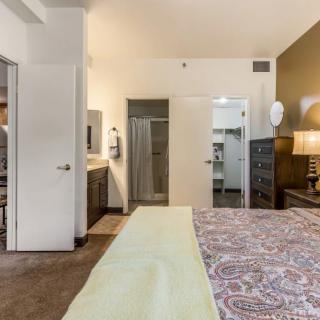
Bungalow Care Center in Salt Lake City, UT

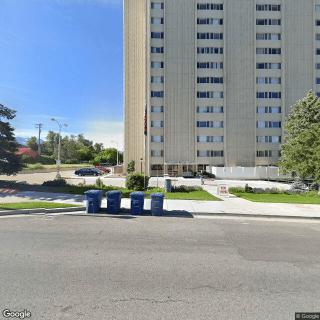
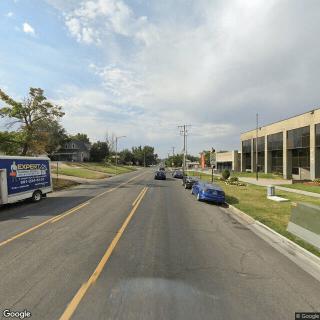
645 South 1300 East, Salt Lake City, UT 84102

For more information about senior living options: (844) 490-3973

3.7 from 6 reviews
5 stars
3
4 stars
1
3 stars
0
2 stars
1
1 stars
1

Assisted Living Skilled Nursing Facility

Overall Review of Bungalow Care Center

Pros

  • pro The facility is described as a wonderful state-funded home that offers disabled individuals a chance at life.
  • pro It is viewed as a progressive approach to helping residents.
  • pro The environment is relaxed, there are no uniforms, and the accommodations are regarded as great.

Cons

  • pro There is a discrepancy between appearance and reality.
  • pro It started off okay but then went downhill.
  • pro People should be thoroughly informed before placing a loved one there.
  • pro This location should have been shut down years ago.
  • pro There have been multiple complaints of mistreatment by patients, as well as regular calls for police assistance.

Review

This community is best suited for families seeking an affordable, state-funded option for adults with disabilities who respond to a less conventional, more progressive care model. Advocates describe Bungalow Care Center as a state-funded setting that offers a relaxed environment, no uniforms, and accommodations that can feel more accommodating and humane than traditional facilities. For families able to stay actively involved, the program can deliver meaningful daily structure and opportunities to live more independently within a supportive framework. The balance here is between a more liberating vibe and the realities of limited resources and staffing that accompany such models.

Anyone prioritizing ironclad safety and predictable, consistently high-quality care should consider alternatives. The mix of reviews suggests a real tension between intent and outcomes. If safety oversight, dependable staffing, and a history of respectful resident treatment are nonnegotiables, this location warrants caution. Prospective residents or their families should be prepared to scrutinize how care plans are enforced, what happens when concerns arise, and whether oversight partners are truly engaged. In short, those who cannot tolerate the possibility of serious missteps should look elsewhere.

On the upside, the strongest positives center on a progressive, resident-centered approach and a relaxed atmosphere. The absence of uniforms and the described flexibility can reduce anxiety for some residents and create a more humane day-to-day experience. Coupled with reportedly solid accommodations and the potential for state-funded cost relief, these factors can translate into a more dignified quality of life for residents who respond well to autonomy and a less rigid routine. In the right match, these elements can lessen friction and support meaningful daily activity.

Yet the concerns voiced by several reviewers cannot be dismissed. Repeated calls for police assistance and multiple complaints of mistreatment at this location cast a long shadow over any perceived progress. Statements that the facility "should have been shut down years ago" signal real risk signals about safety, management, and the consistency of care. When such concerns exist alongside favorable mentions of a relaxed environment and improvements, the overall risk?benefit calculation tilts toward caution. The negative feedback does not merely contrast with the positive; it directly challenges the facility's ability to protect vulnerable residents.

The critical question becomes: can the positives be realized consistently in a setting with these red flags? The answer hinges on enforceable safeguards and diligent, ongoing oversight. Families should demand detailed, enforceable care plans, transparent incident reporting, and independent reviews of staff training and conduct. A prospective resident should insist on seeing current grievance logs, recent inspection results, and a clear pathway for immediate escalation if mistreatment or unsafe conditions recur. A trial period with strict exit criteria and a plan for rapid transition to a higher-trust option is not unreasonable.

Ultimately, this community may work for families who can stay closely involved and push for accountability, especially those who are comfortable with the notion that cost savings come with heightened vigilance and advocacy. For anyone where safety, consistent treatment, or a proven track record of incident management are the nonnegotiables, alternatives with stronger oversight are the prudent course. Bungalow Care Center can be part of a thoughtful decision only when accompanied by rigorous due diligence, a robust care plan, and a clear mechanism to address problems before they escalate.

Features

Housing

  • 26 resident community capacity 26 resident community capacity

Types of Care

  • Assisted Living Assisted LivingAssisted living facilities provide crucial support and care for seniors who may need help with daily tasks such as medication management, bathing, and meal preparation. These communities offer a safe and comfortable environment where seniors can maintain their independence while receiving the assistance they need to thrive in their golden years.
  • Skilled Nursing Facility Skilled Nursing FacilitySkilled Nursing Facilities are crucial for seniors as they provide round-the-clock medical care, rehabilitation services, and assistance with daily activities. These facilities ensure that seniors receive the specialized care they need to maintain their health and well-being as they age.

Amenities

  • Beauty salon Beauty salonBeauty salons are important for seniors because they provide a space for them to feel pampered, socialize, and maintain their personal grooming and hygiene. Regular visits to a beauty salon can help boost seniors' self-esteem and overall well-being.
  • Cable or satellite TV Cable or satellite TVCable or satellite TV is important for seniors because it provides entertainment, news, and companionship, helping to combat loneliness and boredom. It also offers a wide range of programming options tailored to different interests and preferences.
  • Dining room Dining roomDining rooms are important for seniors as they provide a space for socialization, connection, and nutritious meals. They offer opportunities for residents to bond over shared meals, foster a sense of community, and promote healthy eating habits. Dining rooms also ensure that seniors have access to well-balanced meals tailored to their dietary needs and preferences.
  • Fully furnished Fully furnishedFully furnished senior living communities are important for seniors because they provide convenience, comfort, and a hassle-free moving experience. Seniors can easily settle into their new living space without the stress of having to buy and move furniture. This allows them to focus on enjoying their new home and community.
  • Garden GardenGardens are important for seniors as they provide a peaceful and therapeutic environment for relaxation, physical activity, and socialization. Being in nature has been shown to reduce stress, improve mood, and promote overall well-being. Gardens also offer opportunities for seniors to engage in gardening activities, which can improve mobility, flexibility, and cognitive function. Additionally, gardens create a sense of community and connection with others who share a passion for plants and outdoor spaces.
  • Housekeeping services Housekeeping servicesHousekeeping services are important for seniors because they help maintain a clean and safe living environment, promote independence, and reduce the risk of accidents or illnesses. Additionally, having assistance with household chores can alleviate physical strain and allow seniors to focus on other aspects of their well-being.
  • Kitchenette KitchenetteKitchenettes are important for seniors living in senior living communities because they provide the convenience and independence of being able to prepare simple meals and snacks in the comfort of their own living space. This can help promote a sense of autonomy and well-being for seniors, allowing them to maintain some level of control over their dietary choices and daily routines.
  • Move-in coordination Move-in coordinationMove-in coordination is important for seniors because it helps ease the transition into their new living environment. It ensures that all logistics, such as packing, organizing movers, and setting up utilities are taken care of, allowing seniors to focus on settling in and adjusting to their new home. Having a smooth move-in process can alleviate stress and anxiety, making the transition smoother and more enjoyable for seniors.
  • Outdoor space Outdoor spaceOutdoor spaces are important for seniors as they provide opportunities for physical activity, social interaction, exposure to natural light and fresh air, and a sense of connection to nature. Having access to outdoor spaces can improve overall well-being and quality of life for older adults living in senior communities.
  • Restaurant-style dining Restaurant-style diningRestaurant-style dining is important for seniors because it allows them to enjoy delicious, nutritious meals in a social and upscale setting. This enhances their dining experience, promotes healthy eating habits, and fosters socialization with fellow residents, ultimately contributing to their overall well-being and quality of life.
  • Small library Small librarySmall libraries are important for seniors as they provide access to a variety of reading materials, including books, newspapers, and magazines. This can help stimulate their minds, keep them engaged, and provide a sense of community through book clubs and other social activities. Additionally, reading has been shown to improve cognitive function and overall mental well-being in older adults.
  • Telephone TelephoneTelephones are important for seniors as they provide a lifeline for communication with loved ones, emergency services, and healthcare providers. They offer a sense of security and independence, enabling seniors to stay connected and access assistance when needed.
  • Wi-Fi/high-speed internet available Wi-Fi/high-speed internet availableWi-Fi/high-speed internet is important for seniors to stay connected with loved ones, access online resources, and participate in virtual activities to combat feelings of loneliness and isolation. It also allows them to easily manage healthcare needs, access entertainment, and engage in lifelong learning opportunities.

Transportation

  • Salt Lake City International (7 miles away) Salt Lake City International (7 miles away)

Care Services

  • 24-hour call system 24-hour call system24-hour call systems are important for seniors because they provide peace of mind and immediate assistance in case of emergencies. This technology ensures that help is always available, promoting safety and security for elderly individuals living alone or in assisted living facilities.
  • 24-hour supervision 24-hour supervision24-hour supervision is important for seniors to ensure their safety, well-being, and access to immediate assistance in case of emergencies or health issues. This constant support provides peace of mind for both seniors and their loved ones, allowing them to age in place with dignity and security.
  • Activities of daily living assistance Activities of daily living assistanceActivities of daily living assistance are important for seniors because they provide essential support with tasks such as eating, bathing, dressing, and mobility. This assistance helps seniors maintain their independence, dignity, and overall quality of life as they age.
  • Assistance with bathing Assistance with bathingAssistance with bathing is crucial for seniors as it helps maintain personal hygiene, prevents infections, and ensures their overall well-being and comfort. It also provides a sense of dignity and independence for seniors who may struggle with this task on their own.
  • Assistance with dressing Assistance with dressingAssistance with dressing is important for seniors because it helps maintain their independence, promotes personal hygiene, prevents accidents and injuries, and improves overall quality of life. This service ensures that seniors can continue to dress comfortably and confidently, despite any physical limitations they may have.
  • Assistance with transfers Assistance with transfersAssistance with transfers is crucial for seniors as it helps prevent falls and injuries, maintains their independence, and ensures they can safely navigate their living environment. It also provides peace of mind for both seniors and their loved ones.
  • Diabetes diet Diabetes dietA diabetes diet is crucial for seniors as it helps manage blood sugar levels, reduce risks of complications, and improve overall health and well-being. By following a balanced and nutritious diet tailored to their specific needs, seniors can better control their diabetes and enhance their quality of life.
  • Meal preparation and service Meal preparation and serviceMeal preparation and service are crucial for seniors as they may have limited mobility or energy to cook nutritious meals. Having access to healthy and convenient food options can ensure they are getting the proper nutrition needed to maintain their overall health and well-being.
  • Medication management Medication managementMedication management is crucial for seniors to ensure they are taking the right medications at the correct dosages and times. This helps prevent adverse drug interactions, reduces the risk of medication errors, and promotes overall health and well-being. Proactive management also allows for adjustments as needed based on changing health conditions or new prescriptions.
  • Mental wellness program Mental wellness programMental wellness programs are essential for seniors as they promote cognitive stimulation, emotional support, and social engagement. These programs help prevent isolation, depression, and cognitive decline, ultimately enhancing the overall quality of life for older adults.
  • Special dietary restrictions Special dietary restrictionsSpecial dietary restrictions are important for seniors because age-related changes in metabolism and health conditions can make it difficult for their bodies to process certain foods. By following a diet tailored to their specific needs, seniors can maintain their overall health and well-being, manage chronic conditions, and reduce the risk of complications such as malnutrition or food interactions with medications.

Dining

  • Diabetes diet Diabetes dietA diabetes diet is crucial for seniors as it helps manage blood sugar levels, reduce risks of complications, and improve overall health and well-being. By following a balanced and nutritious diet tailored to their specific needs, seniors can better control their diabetes and enhance their quality of life.
  • Special dietary restrictions Special dietary restrictionsSpecial dietary restrictions are important for seniors because age-related changes in metabolism and health conditions can make it difficult for their bodies to process certain foods. By following a diet tailored to their specific needs, seniors can maintain their overall health and well-being, manage chronic conditions, and reduce the risk of complications such as malnutrition or food interactions with medications.

Activities

  • Community-sponsored activities Community-sponsored activitiesCommunity-sponsored activities are important for seniors as they provide opportunities for social interaction, mental stimulation, and physical activity. These activities can help improve overall well-being, combat loneliness and isolation, and promote a sense of belonging and purpose among older adults.
  • Resident-run activities Resident-run activitiesResident-run activities are important for seniors as they encourage social interaction, creativity, and a sense of autonomy. These activities empower seniors to stay engaged and active in their community while fostering meaningful connections with their peers.
  • Scheduled daily activities Scheduled daily activitiesScheduled daily activities are important for seniors because they provide structure, socialization, mental stimulation, and physical activity. Engaging in regular activities can improve overall well-being and quality of life for seniors living in a community setting.

Description

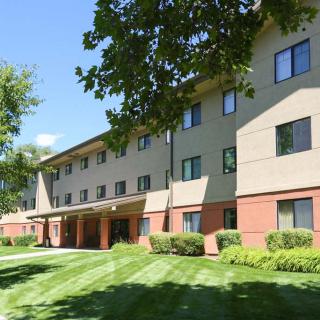
Bungalow Care Center is an assisted living community located in Salt Lake City, UT. Our facility offers a range of amenities to ensure the comfort and convenience of our residents. Each unit is fully furnished and equipped with cable or satellite TV, telephone, and Wi-Fi/high-speed internet access.

We believe that dining plays an important role in the overall well-being of our residents, which is why we provide restaurant-style dining with special dietary restrictions taken into consideration. Our kitchenettes allow for personal meal preparation as well.

To promote a sense of community and engagement, we offer resident-run activities and scheduled daily activities that cater to different interests and preferences. Our small library provides opportunities for intellectual stimulation and relaxation.

The care services at Bungalow Care Center are designed to meet the individual needs of each resident. Our staff provides 24-hour supervision and offers assistance with activities of daily living such as bathing, dressing, and transfers. Medication management and diabetes diet support are also provided.

In addition to our on-site amenities, we are conveniently located near various establishments such as cafes, parks, pharmacies, physicians' offices, restaurants, transportation options, places of worship, theaters, and hospitals.

At Bungalow Care Center in Salt Lake City, UT, we strive to create a welcoming environment where seniors can enjoy a comfortable lifestyle while receiving the care they need.

Nearby Places of Interest

Parks

  • Sunnyside Park (0.6 miles)
  • Liberty Park (0.6 miles)
  • Bonneville Glen (0.7 miles)
  • Reservoir Park (0.9 miles)
  • Popperton Park (1.6 miles)
  • Washington Square (1.8 miles)
  • Sugar House Park (2.2 miles)

Hospitals

  • George E Wahlen VA Hospital (0.7 miles)
  • United States Government (0.7 miles)
  • Moran Patient Support (1.3 miles)
  • Primary Children's Hospital (1.3 miles)
  • University Of Utah ENT Clinic 9 (1.4 miles)
  • University of Utah Hospital (1.4 miles)
  • Clinical Neurosciences Center - UUHC (1.5 miles)

Cafes

  • Coffee Garden (0.8 miles)
  • Starbucks (1.2 miles)
  • Salt Lake Coffee Break (1.4 miles)
  • Publik Coffee Roasters (1.6 miles)
  • Java Jo's (1.7 miles)
  • Three Pines Coffee (2.1 miles)
  • Publik Coffee Roasters (2.2 miles)

Physicians

  • Kroencke, Rachel Dr - Madsen Internal Medicine Clinic (0.9 miles)
  • Barr Facial Plastic Surgery: Lucy J Barr MD PC (1 miles)
  • Barr Facial Plastic Surgery (1 miles)
  • University Orthopaedic Center (1.1 miles)
  • Ear Nose & Throat Center (1.1 miles)
  • Pettey, Jeff H, Md - Moran Eye Center University (1.3 miles)
  • Central City Community Health Center (1.4 miles)

Restaurants

  • Chipotle Mexican Grill (0.9 miles)
  • Cafe Niche (1 miles)
  • Hub & Spoke Diner (1 miles)
  • Greek Souvlaki (1.5 miles)
  • Amour Café (1.6 miles)
  • Sushi Burrito (1.7 miles)
  • Beer Bar (1.8 miles)

Pharmacies

  • Walgreens (1.2 miles)
  • Watson Pharmaceuticals (1.5 miles)
  • Dan's Fresh Market (1.7 miles)
  • Smith's Food & Drug (1.9 miles)
  • Harmons (2 miles)
  • CVS Pharmacy (2 miles)
  • Walgreens (2.1 miles)

Places of Worship

  • Cathedral of the Madeleine (1.8 miles)
  • LDS Foothill Stake Center (2.1 miles)
  • Salt Lake Tabernacle (2.3 miles)
  • Conference Center (2.4 miles)
  • Worldwide Gospel Church (3.6 miles)
  • Church of Jesus Christ of Latter Day Saints (4.7 miles)

Theaters

  • Imax Theatre Clark Planetarium (2.7 miles)
  • Megaplex 12 at The Gateway (2.7 miles)

Transportation

  • UTA FrontRunner North Temple Station (2.9 miles)
  • Salt Lake City Intermodal Hub Salt Lake Central (3 miles)
  • TRAX Central Pointe (3.1 miles)
  • TRAX Millcreek (4.4 miles)

Frequently Asked Questions

Where is Bungalow Care Center?

Nearby Communities

  • East Side Center

    East Side Center

    Salt Lake City, UT

    1 from 3 reviews
    $4,224 / month

    pro Comprehensive assisted living with 24/7 supervision, ADLs support, diabetes-friendly dining, and convenient location.

  • Sarah Daft Home

    Sarah Daft Home

    Salt Lake City, UT

    4.6 from 54 reviews
    $2,500 to $3,800 / month

    pro Homey atmosphere with friendly staff and engaging activities.

  • Friendship Manor

    Friendship Manor

    Salt Lake City, UT


    pro Vibrant community with convenient access to numerous nearby amenities and healthcare.

  • Fairview Care-East

    Fairview Care-East

    Salt Lake City, UT


    pro Abundant nearby amenities and healthcare options for a convenient, active lifestyle.

  • Fairview Care Center East

    Fairview Care Center East

    Salt Lake City, UT


    pro Comprehensive on-site care with 24-hour supervision, diabetes-focused meals, medication management, and supportive amenities (furnished apartments, housekeeping, garden, activities).

  • William E. Christoffersen Salt Lake Veterans Home

    William E. Christoffersen Salt Lake Veterans Home

    Salt Lake City, UT

    4.4 from 48 reviews
     

    pro Medicare-friendly environment with patient staff and a strong veteran community near a top hospital.

  • St Joseph Senior Living

    St Joseph Senior Living

    Salt Lake City, UT

    3.9 from 33 reviews
    $1,050 to $1,854 / month

    pro Friendly staff, engaging activities, and affordable pricing compared to the local market.

  • Peaks at Millcreek

    Peaks at Millcreek

    Salt Lake City, UT

    4.2 from 70 reviews
    $1,700 to $2,300 / month

    pro Friendly staff with an active activities program.

  • Mt Olympus Rehabilitation Center

    Mt Olympus Rehabilitation Center

    Salt Lake City, UT

    3.7 from 93 reviews
     

    pro Caring staff with supportive therapy and a welcoming, family-like atmosphere.

Related Resources

  • active senior livingVibrant Senior Living: A Comprehensive Guide for Active Older Adults

    Vibrant Senior Living emphasizes active senior living communities that promote independence and engagement through diverse amenities and activities, fostering wellness and social interaction among older adults. These communities range from independent to assisted living, with a focus on personal growth, family involvement, financial planning, and leveraging technology to enhance residents' experiences.

  • when to move from assisted living to memory careWhen to Transition from Assisted Living to Memory Care: Key Indicators, Steps, and Finding the Right Community

    Transitioning from assisted living to memory care is driven by an individual's cognitive decline and specific needs, requiring careful evaluation of indicators like increased confusion and wandering. The process involves consulting medical professionals, researching suitable communities, considering financial and legal aspects, and ensuring effective communication for personalized care plans.

  • assisted living vs memory careAssisted Living and Memory Care: Understanding Their Core Differences

    Assisted living provides moderate support for seniors seeking independence, while memory care offers specialized support for individuals with dementia or cognitive impairments through structured routines and trained staff. Key differences include care approaches, environment security measures, staff training levels, activity types, and cost considerations.