
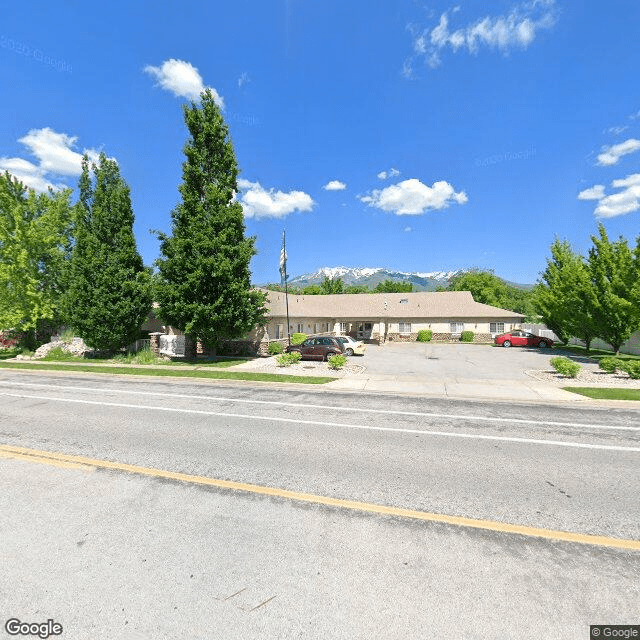
4390 S 700 West, Riverdale, UT 84405
To contact a resident: (801) 393-2824
For more information about senior living options: (866) 208-4318
Stoney Brooke of Riverdale Costs & Pricing
Stoney Brooke of Riverdale offers a studio room at a monthly cost of $3,500, which is notably higher than both the average rates in Weber County and across the state of Utah, where costs stand at approximately $2,805 and $3,206, respectively. This premium pricing may reflect the unique amenities and services provided by Stoney Brooke, which often cater to a more specialized residential experience. While potential residents might find the cost challenging compared to local and state averages, it could also signify added value in terms of care, community engagement, or overall quality of life that distinguishes Stoney Brooke from other options in the region.
| Floor plans | Stoney Brooke of Riverdale | Weber County | Utah |
|---|---|---|---|
| Studio | $3,500 | $2,805 | $3,206 |
Assisted Living communities with a similar price nearby
-
from -$305 / mo
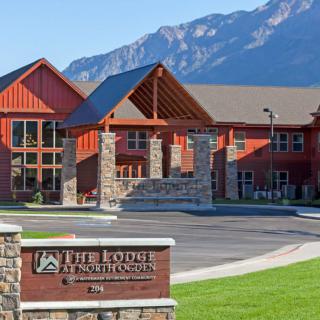
The Lodge in North Ogden
$3,195 to $4,495 / month6.5 miles away -
from +$550 / mo
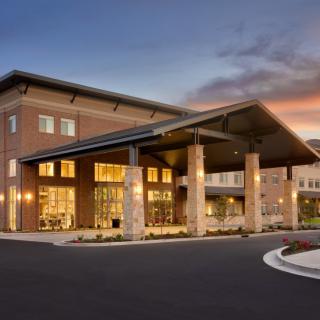
Creekside Senior Living
$4,050 to $5,500 / month20.7 miles away -
from -$105 / mo

Chancellor Gardens
$3,395 to $5,650 / month6.2 miles away -
from -$135 / mo
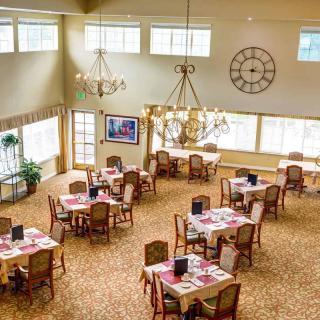
The Auberge at North Ogden
$3,365 to $5,215 / month7.0 miles away -
from -$505 / mo
Our House Of Ogden
$2,995 to $4,200 / month6.0 miles away
Overall Review of Stoney Brooke of Riverdale
Pros
 They love this facility.
- Dan has created a great, family-like environment that is welcoming and friendly while providing great care.
- They highly recommend this assisted living facility.
- The staff are nice and easy to talk to about assisted living.
Cons
 They would not return the money they owed.
Review
Stoney Brooke of Riverdale is best suited for families seeking a small, home-like assisted living where staff cultivate a true family atmosphere and residents receive steady, relational care. The setting rewards seniors who mainly need help with daily tasks, companionship, medication reminders, and a sense of belonging more than aggressive medical interventions. The environment is described as welcoming and personable, with leadership that prioritizes warmth and connection, making it a fit for those who value personal interactions and a close-knit community over clinical formality. The model relies on a tight-knit team where staff knowledge of residents translates into attentive, day-to-day oversight, which many families find deeply reassuring.
On the strength side, reviews consistently highlight a genuinely caring tone and a supportive culture. The facility is praised for feeling like a family environment, with Dan credited for shaping an atmosphere that is both welcoming and attentive to care needs. Residents and families frequently note that staff are friendly and easy to talk with, contributing to a reassuring daily rhythm. When comfort, companionship, and dependable reminders matter, this combination often translates into steady assistance with activities of daily living and personal interaction that can make aging in place feel dignified and manageable. In short, care quality is perceived as solid for residents who do not require heavy medical escalation.
Yet the picture is not without friction. One review reports a dispute over money owed, and another suggests that hospice did most of the care rather than the facility’s staff. Those signals point to potential gaps in the financial and clinical sequencing of care, which can unsettle families seeking crisp, predictable administration and a clear delineation of responsibilities. The implication is that expectations about who handles certain services, billing, on-site nursing, and end-of-life support, may diverge from reality. For some families, these misalignments are manageable with clear communication; for others, they become decisive in choosing a different option.
Despite those concerns, the positives can offset significant drawbacks for the right resident. A family-oriented atmosphere reduces isolation, improves caregiver communication, and fosters quicker problem-solving when issues arise. The leadership’s emphasis on warmth translates into a more proactive, responsive feel in daily care, and that can significantly ease transitions for aging loved ones. The combination of personal attention, belonging, and approachable staff creates a buffer against the kind of administrative friction that critics highlight. For residents who prioritize relational quality and stable daily routines over formalized care protocols, Stoney Brooke delivers tangible value.
Alternatives may be worth exploring for families who insist on transparent, predictable billing and clearer lines of responsibility between administration, nursing, and hospice services. If refunds or disputes about payments are a non-starter, or if a resident’s needs include heavier clinical oversight or specialized hospice coordination embedded in a structured program, other communities with explicit financial policies and on-site nursing teams may be more appropriate. Likewise, families seeking a facility with specialized memory support or a more formal care plan governance might find a better fit elsewhere. Stoney Brooke offers warmth and solid daily care, but the fit can hinge on how much value is placed on financial clarity and clinical structure.
Bottom line: Stoney Brooke of Riverdale is a practical choice for families who want a welcoming, home-like setting with attentive daily care and a culture that treats residents like family. It rewards those who value relational continuity and a warm, low-drama environment. However, potential residents should weigh the possibility of billing disagreements and the perception that hospice support overshadowed on-site staff at times. For households that prioritize transparent payments and explicit clinical boundaries, alternatives with stronger financial governance and more clearly delineated care delivery may be more suitable. When seeking a balanced picture, this community qualifies as a solid option with real strengths and real caveats.
 Assisted Living
 Activities off-site
 Air-conditioning
 Beautician on-site
 Cable or satellite TV
 Devotional services off-site
 Ground floor units
 Handicap accessible
 Indoor common areas
 Outdoor common areas
 Private bathrooms
 Respite or short term stays offered
 Wheelchair accessible showers
 Wi-Fi/high-speed internet available
 Ambulatory care
 Diabetic care
 High acuity care
 Incontinence care
 Medication management
 Guest meals
 BBQs or picnics
 Birthday parties
 Day trips and outings
 Live musical performances
 Mormon/LDS services
 Trivia games




 Assisted Living Support for Veterans: A Complete and Detailed Overview
 Exploring the Contrasts Between Assisted Living and Skilled Nursing
 8 Key Indicators That Suggest It May Be Time to Transition from Assisted Living to Skilled Nursing Care