Comforcare Of Northern Utah in Logan, UT

Information last verified:

1451 North 200 East, Suite 240, Logan, UT 84341

For more information about senior living options: (844) 490-3973

4.8 from 55 reviews
5 stars
50
4 stars
2
3 stars
1
2 stars
0
1 stars
2

Overall Review of Comforcare Of Northern Utah

Pros

  • pro The caregivers are professional, kind, and genuinely care about the person they support.
  • pro They are dependable and engaging, easily talking with clients and making them feel valued.
  • pro They are flexible and accommodating with scheduling and last-minute changes.
  • pro The staff’s compassion and dedication help families maintain work and life balance.
  • pro The company is highly recommended for aging-parent care across a wide range of services.
  • pro The bedside manner of caregivers like Josh keeps loved ones calm and comfortable.
  • pro The team goes above and beyond to meet needs and support the household.
  • pro The office staff are responsive, supportive, and solution-focused; Leslie is described as a miracle-worker.
  • pro Bruce Lee is praised for integrity, professionalism, and earning trust.
  • pro The caregiving teams are described as lifesavers and essential during difficult times.

Cons

  • pro One reviewer states that ComForCare almost never returns calls after voicemails, emails, or portal messages, and wishes for improved communication.
  • pro Another reviewer is disappointed that shifts were rarely filled and the caregivers did not appear to have a clear list of tasks.
  • pro A reviewer criticizes the billing and collection process as poor, noting delays in processing bills and payment issues.
  • pro A reviewer notes they were not informed about staffing difficulties upfront, leading to last-minute notices that shifts were unfilled.
  • pro One reviewer reports terminating the care after multiple chances to fix ongoing issues, indicating persistent reliability problems.

Review

ComForCare of Northern Utah in Logan is best suited for families seeking in‑home, highly personalized care that keeps a loved one living at home while receiving reliable assistance with daily living. The reviews consistently describe caregivers who are professional, patient, and genuinely engaged with the person they serve. This arrangement works especially well for seniors who need help with activities of daily living, light housekeeping, laundry, meals, and transportation, and for families needing flexible scheduling that accommodates work and medical appointments. The strongest match emerges for those facing memory challenges or chronic conditions, where steady companionship and proactive care can meaningfully improve daily life and comfort.

That said, alternatives deserve consideration for households prioritizing a highly predictable, facility-based environment or flawless administrative execution. A recurring theme in some reviews is imperfect communication, delays in callbacks or difficulties with after-hours contact and billing processes. For families requiring guaranteed shift coverage every single day or a rigid, centralized scheduling system, these administrative gaps can undermine planning. In cases where 24/7 on-site supervision, a formal memory care setting, or a fixed campus structure is essential, exploring traditional assisted living or dedicated memory care communities may yield greater predictability and peace of mind.

The strongest pros, compassionate, capable caregivers, and responsive coordination, often offset the main cons by delivering consistent, relationship-driven care. Caregivers are repeatedly praised for bedside manner, engagement, and going beyond the basics to improve quality of life. Names like Eva, Crista, Linsey, Minda, and Josh surface as dependable, warm teammates who adapt to shifting needs and maintain a calm, respectful presence in the home. The leadership and office staff, most notably Bruce Lee and Leslie, are highlighted for their reliability, quick problem-solving, and what feels like a genuine commitment to each family. This combination of personal connection and practical adaptability helps counterbalance occasional administrative friction.

From a practical standpoint, in-home care through ComForCare supports families by enabling loved ones to stay at home longer, while preserving the caregiver’s ability to work and tackle ordinary life without constant caregiving gaps. Reviews cite tangible benefits: faster healing of medical concerns like bed sores, better daily routines, and improved emotional well-being through regular companionship. The service model also emphasizes flexibility, caregivers who can adjust schedules and handle last-minute changes, along with housekeeping and routine errands that lift the overall burden on families. The consistently high rating, with many five-star comments, reinforces the sense that the core value is reliable, personable care delivered in the home.

To maximize success, families should enter with clear expectations and a concrete plan. Request a dedicated care coordinator and a defined roster of caregivers, plus a written daily care plan that lists tasks, medication reminders, and escalation steps. Establish a reliable communication protocol with guaranteed response times and a concrete backup plan if a shift cannot be filled. Nail down the billing process upfront to prevent surprises, and consider a short trial period to ensure compatibility with the home environment and the loved one’s routines. Don’t skip reference checks, and verify dementia-specific care capabilities if memory-related needs are central.

Overall, ComForCare of Northern Utah represents a strong, practical choice for those who want compassionate, adaptable in-home care in the Logan area. It excels when the goal is to preserve independence, nurture daily comfort, and maintain a familiar routine with trusted caregivers who become part of the family narrative. It is less ideal for households needing absolute scheduling certainty and flawless administrative execution without exception. For families prepared to invest in a trusted, person-centered partner who can flex with changing needs and provide genuine companionship, ComForCare stands out as a top-tier option in this market.

Features

Housing

  • 21 resident community capacity 21 resident community capacity

Types of Care

  • Assisted Living Assisted LivingAssisted living facilities provide crucial support and care for seniors who may need help with daily tasks such as medication management, bathing, and meal preparation. These communities offer a safe and comfortable environment where seniors can maintain their independence while receiving the assistance they need to thrive in their golden years.

Amenities

  • Beauty salon Beauty salonBeauty salons are important for seniors because they provide a space for them to feel pampered, socialize, and maintain their personal grooming and hygiene. Regular visits to a beauty salon can help boost seniors' self-esteem and overall well-being.
  • Cable or satellite TV Cable or satellite TVCable or satellite TV is important for seniors because it provides entertainment, news, and companionship, helping to combat loneliness and boredom. It also offers a wide range of programming options tailored to different interests and preferences.
  • Dining room Dining roomDining rooms are important for seniors as they provide a space for socialization, connection, and nutritious meals. They offer opportunities for residents to bond over shared meals, foster a sense of community, and promote healthy eating habits. Dining rooms also ensure that seniors have access to well-balanced meals tailored to their dietary needs and preferences.
  • Fully furnished Fully furnishedFully furnished senior living communities are important for seniors because they provide convenience, comfort, and a hassle-free moving experience. Seniors can easily settle into their new living space without the stress of having to buy and move furniture. This allows them to focus on enjoying their new home and community.
  • Garden GardenGardens are important for seniors as they provide a peaceful and therapeutic environment for relaxation, physical activity, and socialization. Being in nature has been shown to reduce stress, improve mood, and promote overall well-being. Gardens also offer opportunities for seniors to engage in gardening activities, which can improve mobility, flexibility, and cognitive function. Additionally, gardens create a sense of community and connection with others who share a passion for plants and outdoor spaces.
  • Housekeeping services Housekeeping servicesHousekeeping services are important for seniors because they help maintain a clean and safe living environment, promote independence, and reduce the risk of accidents or illnesses. Additionally, having assistance with household chores can alleviate physical strain and allow seniors to focus on other aspects of their well-being.
  • Kitchenette KitchenetteKitchenettes are important for seniors living in senior living communities because they provide the convenience and independence of being able to prepare simple meals and snacks in the comfort of their own living space. This can help promote a sense of autonomy and well-being for seniors, allowing them to maintain some level of control over their dietary choices and daily routines.
  • Move-in coordination Move-in coordinationMove-in coordination is important for seniors because it helps ease the transition into their new living environment. It ensures that all logistics, such as packing, organizing movers, and setting up utilities are taken care of, allowing seniors to focus on settling in and adjusting to their new home. Having a smooth move-in process can alleviate stress and anxiety, making the transition smoother and more enjoyable for seniors.
  • Outdoor space Outdoor spaceOutdoor spaces are important for seniors as they provide opportunities for physical activity, social interaction, exposure to natural light and fresh air, and a sense of connection to nature. Having access to outdoor spaces can improve overall well-being and quality of life for older adults living in senior communities.
  • Restaurant-style dining Restaurant-style diningRestaurant-style dining is important for seniors because it allows them to enjoy delicious, nutritious meals in a social and upscale setting. This enhances their dining experience, promotes healthy eating habits, and fosters socialization with fellow residents, ultimately contributing to their overall well-being and quality of life.
  • Small library Small librarySmall libraries are important for seniors as they provide access to a variety of reading materials, including books, newspapers, and magazines. This can help stimulate their minds, keep them engaged, and provide a sense of community through book clubs and other social activities. Additionally, reading has been shown to improve cognitive function and overall mental well-being in older adults.
  • Telephone TelephoneTelephones are important for seniors as they provide a lifeline for communication with loved ones, emergency services, and healthcare providers. They offer a sense of security and independence, enabling seniors to stay connected and access assistance when needed.
  • Wi-Fi/high-speed internet available Wi-Fi/high-speed internet availableWi-Fi/high-speed internet is important for seniors to stay connected with loved ones, access online resources, and participate in virtual activities to combat feelings of loneliness and isolation. It also allows them to easily manage healthcare needs, access entertainment, and engage in lifelong learning opportunities.

Care Services

  • 24-hour call system 24-hour call system24-hour call systems are important for seniors because they provide peace of mind and immediate assistance in case of emergencies. This technology ensures that help is always available, promoting safety and security for elderly individuals living alone or in assisted living facilities.
  • 24-hour supervision 24-hour supervision24-hour supervision is important for seniors to ensure their safety, well-being, and access to immediate assistance in case of emergencies or health issues. This constant support provides peace of mind for both seniors and their loved ones, allowing them to age in place with dignity and security.
  • Activities of daily living assistance Activities of daily living assistanceActivities of daily living assistance are important for seniors because they provide essential support with tasks such as eating, bathing, dressing, and mobility. This assistance helps seniors maintain their independence, dignity, and overall quality of life as they age.
  • Assistance with bathing Assistance with bathingAssistance with bathing is crucial for seniors as it helps maintain personal hygiene, prevents infections, and ensures their overall well-being and comfort. It also provides a sense of dignity and independence for seniors who may struggle with this task on their own.
  • Assistance with dressing Assistance with dressingAssistance with dressing is important for seniors because it helps maintain their independence, promotes personal hygiene, prevents accidents and injuries, and improves overall quality of life. This service ensures that seniors can continue to dress comfortably and confidently, despite any physical limitations they may have.
  • Assistance with transfers Assistance with transfersAssistance with transfers is crucial for seniors as it helps prevent falls and injuries, maintains their independence, and ensures they can safely navigate their living environment. It also provides peace of mind for both seniors and their loved ones.
  • Diabetes diet Diabetes dietA diabetes diet is crucial for seniors as it helps manage blood sugar levels, reduce risks of complications, and improve overall health and well-being. By following a balanced and nutritious diet tailored to their specific needs, seniors can better control their diabetes and enhance their quality of life.
  • Meal preparation and service Meal preparation and serviceMeal preparation and service are crucial for seniors as they may have limited mobility or energy to cook nutritious meals. Having access to healthy and convenient food options can ensure they are getting the proper nutrition needed to maintain their overall health and well-being.
  • Medication management Medication managementMedication management is crucial for seniors to ensure they are taking the right medications at the correct dosages and times. This helps prevent adverse drug interactions, reduces the risk of medication errors, and promotes overall health and well-being. Proactive management also allows for adjustments as needed based on changing health conditions or new prescriptions.
  • Mental wellness program Mental wellness programMental wellness programs are essential for seniors as they promote cognitive stimulation, emotional support, and social engagement. These programs help prevent isolation, depression, and cognitive decline, ultimately enhancing the overall quality of life for older adults.
  • Special dietary restrictions Special dietary restrictionsSpecial dietary restrictions are important for seniors because age-related changes in metabolism and health conditions can make it difficult for their bodies to process certain foods. By following a diet tailored to their specific needs, seniors can maintain their overall health and well-being, manage chronic conditions, and reduce the risk of complications such as malnutrition or food interactions with medications.

Dining

  • Diabetes diet Diabetes dietA diabetes diet is crucial for seniors as it helps manage blood sugar levels, reduce risks of complications, and improve overall health and well-being. By following a balanced and nutritious diet tailored to their specific needs, seniors can better control their diabetes and enhance their quality of life.
  • Special dietary restrictions Special dietary restrictionsSpecial dietary restrictions are important for seniors because age-related changes in metabolism and health conditions can make it difficult for their bodies to process certain foods. By following a diet tailored to their specific needs, seniors can maintain their overall health and well-being, manage chronic conditions, and reduce the risk of complications such as malnutrition or food interactions with medications.

Activities

  • Community-sponsored activities Community-sponsored activitiesCommunity-sponsored activities are important for seniors as they provide opportunities for social interaction, mental stimulation, and physical activity. These activities can help improve overall well-being, combat loneliness and isolation, and promote a sense of belonging and purpose among older adults.
  • Resident-run activities Resident-run activitiesResident-run activities are important for seniors as they encourage social interaction, creativity, and a sense of autonomy. These activities empower seniors to stay engaged and active in their community while fostering meaningful connections with their peers.
  • Scheduled daily activities Scheduled daily activitiesScheduled daily activities are important for seniors because they provide structure, socialization, mental stimulation, and physical activity. Engaging in regular activities can improve overall well-being and quality of life for seniors living in a community setting.

Description

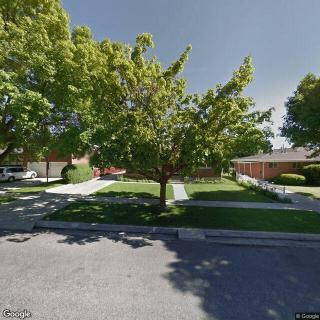
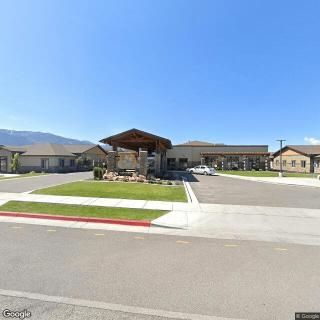
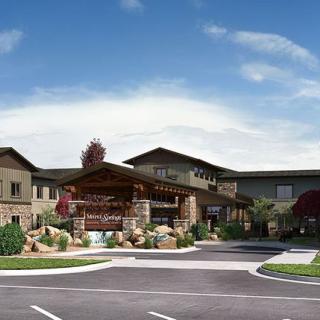
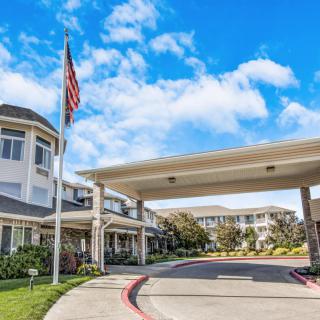
Comforcare of Northern Utah in Logan, UT is an assisted living community that offers a wide range of amenities and care services to ensure the comfort and well-being of its residents. The facility provides a homely atmosphere with fully furnished accommodations and a spacious dining room where residents can enjoy restaurant-style meals.

Residents can relax and unwind in the beautiful outdoor spaces or engage in activities such as reading in the small library. There is also access to cable or satellite TV, telephone, Wi-Fi, and high-speed internet for entertainment and communication purposes.

The dedicated staff at Comforcare of Northern Utah provides 24-hour supervision and assistance with various daily living activities including bathing, dressing, transfers, and medication management. Special dietary restrictions are accommodated with diabetes diets available upon request.

Residents are encouraged to stay mentally active through the mental wellness program and can participate in resident-run activities as well as scheduled daily activities to socialize and stay engaged within the community.

Conveniently located near several cafes, parks, pharmacies, physicians' offices, restaurants, places of worship, theaters, hospitals, and transportation options; Comforcare of Northern Utah ensures that residents have easy access to essential amenities and services in the surrounding area.

Overall, Comforcare of Northern Utah is committed to providing outstanding care services along with a comfortable living environment for seniors who require assistance with their daily activities while promoting their independence and overall well-being.

Nearby Places of Interest

Restaurants

  • Wok On Wheels (0.1 miles)
  • Pupuseria El Salvador (0.1 miles)
  • Culver's (0.1 miles)
  • Subway (0.1 miles)
  • Cafe Rio Mexican Grill (0.2 miles)
  • Taco Bell (0.2 miles)
  • La Tormenta Restaurant (0.2 miles)

Cafes

  • Fizz N Fryz (0.2 miles)
  • Starbucks (0.3 miles)
  • Dutch Bros Coffee (0.7 miles)
  • Morty's Cafe (1.2 miles)
  • USU It's All About the Bagel / Caffe Ibis (1.4 miles)
  • The Westside Coffee Company (1.5 miles)
  • Artist's Block Cafe (1.7 miles)

Hospitals

  • Cache Valley Community Health Center (0.3 miles)
  • Logan Regional Hospital (0.5 miles)
  • Intermountain Health Care (0.5 miles)
  • Logan Regional Surgical Center (0.5 miles)
  • Cvsh Wound and Hyperbaric Medicine (1.3 miles)
  • Logan Regional Hospital (1.3 miles)

Physicians

  • Jessen Oral Surgery (0.3 miles)
  • Dr KEVIN DUKE, DO Family Physician (0.4 miles)
  • Savannah Alder, Family Nurse Practitioner (0.4 miles)
  • Craig Kristen F (0.5 miles)
  • Intermountain Medical Group - Isom Plastic Surgery (0.5 miles)
  • Brown Nordell T Diseases of Children & Adolescents (0.5 miles)
  • Dr E. Kent Gibbs, MD (0.5 miles)

Theaters

  • Megaplex Theatres at University Stadium (0.4 miles)
  • Cinefour Theatres (1.1 miles)
  • Movies 5 (1.3 miles)

Pharmacies

  • Regional Medical Pharmacy At Logan Regional Hospital (0.5 miles)
  • Lee's Marketplace (0.5 miles)
  • Smith's Food & Drug (0.9 miles)
  • Cache Valley Pharmacy (1.3 miles)
  • Macey's (1.3 miles)
  • Smith's Food & Drug (1.3 miles)
  • Logan Clinic (1.3 miles)

Places of Worship

  • Church of Jesus Christ of Latter Day Saints (0.7 miles)
  • Church of Jesus Christ of Latter Day Saints (0.8 miles)
  • Church of Jesus Christ of Latter Day Saints (1 miles)
  • Logan Islamic Center (1.1 miles)
  • Logan Institute of Religion (1.3 miles)
  • Logan Utah Temple (1.7 miles)
  • Faith & Fellowship Center (1.8 miles)

Parks

  • Bridgerland Park (0.8 miles)
  • North Logan Parks Department (1.5 miles)
  • Meadow View Park (1.6 miles)

Transportation

  • CVTD Route 1 (1.4 miles)

Frequently Asked Questions

Where is Comforcare Of Northern Utah?

Nearby Communities

  • Legacy House Of Logan

    Legacy House Of Logan

    Logan, UT

    4.6 from 143 reviews
    $2,750 to $4,200 / month

    pro Friendly, attentive staff; clean facility with engaging activities and quality dining.


  • Logan Nursing & Rehab Ctr

    Logan Nursing & Rehab Ctr

    Logan, UT


    pro Strong access to nearby healthcare and amenities

  • Rocky Mountain Care - Logan

    Rocky Mountain Care - Logan

    Logan, UT

    4.2 from 88 reviews
     

    pro Caring, competent staff (nurses, CNAs, PT) with responsive leadership.

  • Logan Regional Hospital Transitional Care Unit

    Logan Regional Hospital Transitional Care Unit

    Logan, UT

    4.3 from 104 reviews
     

    pro Small, nurse-staffed transitional care with 24/7 supervision.

  • Companion Connections

    Companion Connections

    Logan, UT

    5 from 13 reviews
     

    pro Strong access to nearby amenities and services.

  • Maple Springs

    Maple Springs

    North Logan, UT

    4.4 from 41 reviews
     

    pro Multiple care options (assisted/independent/memory) with diabetic care; strong access to local healthcare and amenities.

  • Maple Springs Of North Logan

    Maple Springs Of North Logan

    Logan, UT

    4.3 from 39 reviews
     

    pro Clean, well-maintained facility with a wide range of activities and attentive staff.

  • Pioneer Valley Lodge

    Pioneer Valley Lodge

    North Logan, UT

    4.6 from 43 reviews
    $1,795 to $3,355 / month

    pro Friendly, attentive staff; restaurant-style meals; engaging activities; clean, well-maintained environment; good value for the price.

  • Terrace Grove Assisted Living

    Terrace Grove Assisted Living

    Logan, UT

    4.7 from 32 reviews
    $2,625 to $3,300 / month

    pro Clean, welcoming environment with attentive staff and strong rehab resources.

Related Resources

  • does medicare pay for assisted livingMedicare Coverage for Assisted Living: An In-Depth Exploration

    Medicare does not cover assisted living costs, as it focuses on acute medical needs and short-term care, with exceptions for certain medically necessary services like physical therapy. Individuals must explore other options such as Medicaid, veterans' benefits, or long-term care insurance to manage these expenses effectively.

  • assisted living vs nursing homeChoosing the Right Senior Care: A Detailed Exploration of Assisted Living and Nursing Homes

    Choosing between assisted living and nursing homes involves evaluating emotional and financial factors, with assisted living offering independence and support for daily activities at a lower cost, while nursing homes provide intensive medical care for individuals with significant health needs. The decision is influenced by personal preferences, health status, cognitive function, and varying Medicaid coverage across states.

  • assisted living costUnderstanding the True Cost of Assisted Living in 2025: A Comprehensive Guide

    Assisted living in 2025 offers a crucial balance of independence and support for seniors, with costs varying from $2,500 to over $7,000 per month based on factors such as location and care level. Understanding pricing complexities, including regional differences and potential hidden fees, is essential for families to plan financially while ensuring quality care for their loved ones.