Logan Regional Hospital Transitional Care Unit in Logan, UT
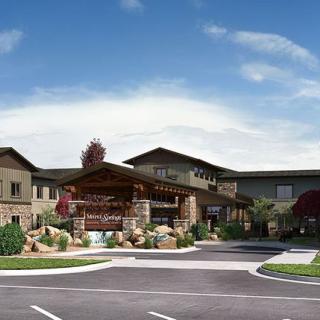
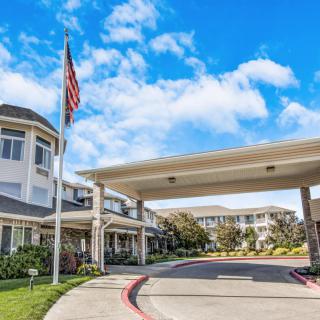
Logan Regional Hospital Transitional Care Unit is a nursing home community in Logan, UT.
Information last verified:
500 East 1400 North, Logan, UT 84341
For more information about senior living options: (866) 208-4318
4.2 from 106 reviews
5 stars
79
4 stars
9
3 stars
0
2 stars
1
1 stars
17
Overall Review of Logan Regional Hospital Transitional Care Unit
common34 reviews mention this
Kind, attentive staff stands out
Residents and families frequently describe staff as kind and attentive.
Many reviews emphasize kindness, attentiveness, and professionalism from nurses and doctors. Several people specifically mention being made to feel comfortable, listened to, or treated with dignity and respect during procedures and emergency care. Others also point to efficient, knowledgeable staff that explained steps clearly and followed through.
common19 reviews mention this
Clear communication and organization
A lot of reviewers mention clear, reassuring communication during care.
A recurring theme is that staff explained what to expect and provided instructions before and after procedures. Multiple reviews describe smooth check-in or well-run processes, with teams coordinating the steps from arrival through recovery. When communication was positive, reviewers often paired it with feeling safe, informed, and at ease.
caveat4 reviews mention this
Billing and administration complaints
Some reviews raise concerns about billing and follow-through with assistance.
Several reviews criticize the billing process, including long waits for financial assistance, inconsistent answers from representatives, and threats of collections. Others describe being surprised by charges or continuing billing problems even after insurance payments or earlier follow-ups. These complaints focus more on administrative handling than on clinical care.
caveat5 reviews mention this
Waits and entry process issues
Some reviewers report long waits or a messy entry experience.
A handful of reviews mention delays, including long waits in offices and needing to wait well past expected timing. There are also comments about the check-in or entry process being confusing, with paperwork needing correction or names being called out of order. In the reviews that mention this issue, the concern is primarily about timing and coordination rather than bedside care.
How we summarize
Counts show how many written reviews mention each theme; a review can touch several themes, and only frequently mentioned themes are displayed.
Features
Housing
11 resident community capacity
Types of Care
Skilled Nursing Facility
Amenities
Cable or satellite TV
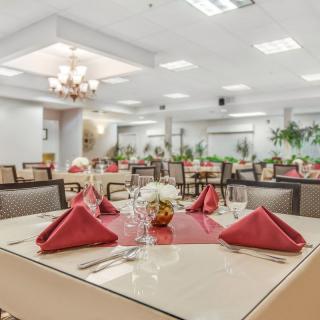
Dining room
Fully furnished
Garden
Housekeeping services
Move-in coordination
Outdoor space
Telephone
Wi-Fi/high-speed internet available
Care Services
24-hour supervision
Activities of daily living assistance
Assistance with bathing
Assistance with dressing
Assistance with transfers
Diabetes diet
Meal preparation and service
Medication management
Special dietary restrictions
Dining
Diabetes diet
Special dietary restrictions
Activities
Community-sponsored activities
Scheduled daily activities
Nearby Places of Interest
Located in Logan, Utah, this area offers a range of amenities and services that cater to seniors. With multiple hospitals nearby such as Logan Regional Hospital and Cache Valley Community Health Center, residents have easy access to healthcare facilities. The area also boasts a variety of physicians' offices and pharmacies, ensuring that medical needs are met conveniently. In terms of leisure activities, seniors can enjoy dining at restaurants like Olive Garden and Del Taco or catching a movie at Megaplex Theatres at University Stadium. Additionally, there are cafes like Morty's Cafe and Starbucks for socializing over coffee. For those who seek spiritual fulfillment, several places of worship such as the Church of Jesus Christ of Latter Day Saints are in close proximity. Parks like Bridgerland Park offer opportunities for relaxation and outdoor activities. Overall, this part of Logan provides a well-rounded environment for seniors looking for a comfortable and convenient place to reside.
Hospitals
Logan Regional Hospital (0 miles)
Logan Regional Surgical Center (0.1 miles)
Intermountain Health Care (0.1 miles)
Cache Valley Community Health Center (0.3 miles)
Logan Regional Hospital (1.2 miles)
Cvsh Wound and Hyperbaric Medicine (1.4 miles)
Physicians
Cache Valley Eye Associates (0.1 miles)
Brown Nordell T Diseases of Children & Adolescents (0.1 miles)
Krystal Vision & Sunwear (0.1 miles)
Craig Kristen F (0.1 miles)
Budge Clinic (0.1 miles)
Plastic Surgery Helpline (0.1 miles)
Intermountain Medical Group - Isom Plastic Surgery (0.1 miles)
Pharmacies
Regional Medical Pharmacy At Logan Regional Hospital (0.1 miles)
Lee's Marketplace (0.2 miles)
Smith's Food & Drug (0.9 miles)
Logan Clinic (1.2 miles)
Smith's Food & Drug (1.2 miles)
Macey's (1.2 miles)
Cache Valley Pharmacy (1.4 miles)
Restaurants
Del Taco (0.2 miles)
Culver's (0.4 miles)
Wok On Wheels (0.5 miles)
Tandoori Oven (0.5 miles)
Pupuseria El Salvador (0.6 miles)
Subway (0.6 miles)
Olive Garden (0.6 miles)
Theaters
Megaplex Theatres at University Stadium (0.4 miles)
Cinefour Theatres (1.5 miles)
Movies 5 (1.6 miles)
Cafes
Fizz N Fryz (0.7 miles)
Starbucks (0.7 miles)
Dutch Bros Coffee (0.8 miles)
Morty's Cafe (0.9 miles)
USU It's All About the Bagel / Caffe Ibis (1 miles)
Artist's Block Cafe (1.2 miles)
The Westside Coffee Company (1.5 miles)
Places of Worship
Church of Jesus Christ of Latter Day Saints (0.7 miles)
Logan Islamic Center (0.7 miles)
Church of Jesus Christ of Latter Day Saints (0.8 miles)
Logan Institute of Religion (1 miles)
Church of Jesus Christ of Latter Day Saints (1.2 miles)
Faith & Fellowship Center (1.3 miles)
Church of Jesus Christ of Latter Day Saints (1.4 miles)
The article clarifies common misconceptions about Powers of Attorney (POA), highlighting the necessity of the principal's consent, the limitations on an agent's authority, and the importance of mental capacity when signing. It also distinguishes between various types of POAs, addresses concerns about potential abuse, and emphasizes the need for legal consultation to ensure valid and up-to-date documents.
Senior move management provides specialized support for older adults relocating by assisting with logistics, emotional challenges, and downsizing decisions to ensure a smooth transition to new living environments. These services address the unique needs of seniors and have become increasingly important as baby boomers retire and seek to downsize.
Weight training is vital for seniors to maintain muscle mass, bone density, and overall health, combating age-related declines through customized resistance exercises that enhance balance and well-being. Safe routines should start with realistic goals and proper form, while emphasizing gradual progress and consultations with healthcare providers to ensure safety and effectiveness.
Get PricingAsk A QuestionSchedule A TourContact Senior Advisor
By clicking submit, you agree to our Partner's Terms of Use. You
also consent to receive calls and texts, which may be autodialed, from our Partner. Your consent is not a condition to
using our Partner's service. Please visit our Partner's Privacy Policy for information about their privacy practices.

 11 resident community capacity
 Skilled Nursing Facility
 Cable or satellite TV
 Dining room
 Fully furnished
 Garden
 Housekeeping services
 Move-in coordination
 Outdoor space
 Telephone
 Wi-Fi/high-speed internet available
 24-hour supervision
 Activities of daily living assistance
 Assistance with bathing
 Assistance with dressing
 Assistance with transfers
 Diabetes diet
 Meal preparation and service
 Medication management
 Special dietary restrictions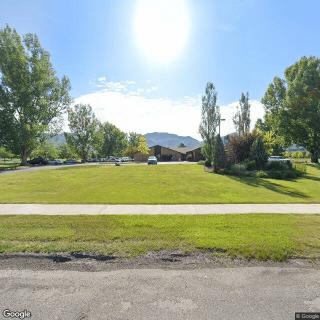
 Strong access to nearby healthcare and amenities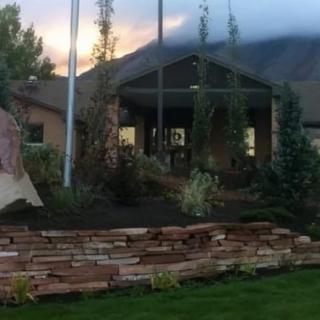


 A Comprehensive Exploration of Common Misunderstandings about Powers of Attorney
 Senior Move Management: Understanding the Role, Value, and Associated Costs
 Weight Training for Seniors: Building Strength and Vitality