
905 South Southfield Road, Heber City, UT 84032
For more information about senior living options: (866) 208-4318
Overall Review of Sante Assisted Living Heber
Pros
 The care provided to residents is outstanding.
- The staff bring out the best in residents, including those with dementia.
- Residents become more social, participate in activities, and are very well cared for.
- Hourly rounds ensure staff spend meaningful time with residents.
- The facility leadership communicates with families and provides reassurance.
- Residents are treated like family; they are loved by the staff.
- Staff members express heartfelt compassion, saying goodbye with care and kindness.
- Tiffany’s warmth and determination help residents with personal care.
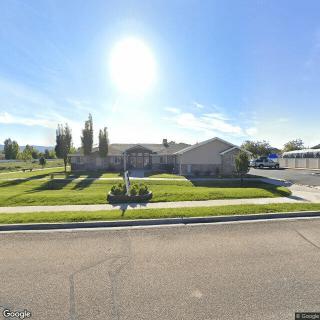
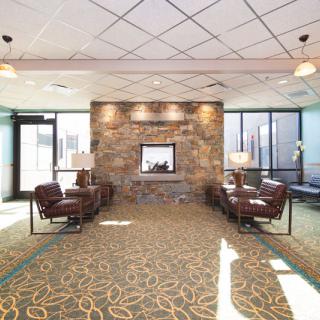
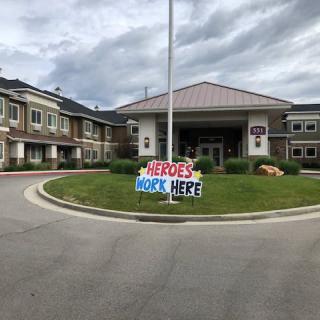
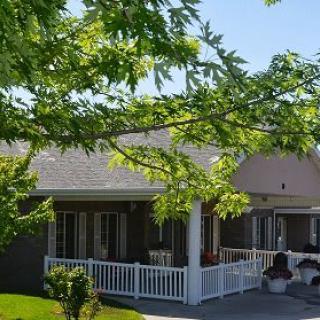
- The environment feels like home, peaceful and loving, not just a facility.
- The staff know residents well, are attentive to their needs, and the facility offers personalized, high-quality care.
Cons
 The mother was very defiant and not pleasant to be around or work with.
Review
Best suited for families seeking a small, home-like setting where elderly residents receive deeply personalized care, Sante Assisted Living Heber excels with dementia care and end-of-life support delivered in a warm, family-first atmosphere. The community's intimate scale means residents share meaningful interactions with caregivers who know their histories, preferences, and routines, not just their needs. The care team, led by Stacy, the facility manager, and Tiffany, the nursing director, is consistently described as genuinely invested in each resident, creating a cadence of attention that feels like a close-knit household rather than a medical campus. For families prioritizing emotional connection, consistent staff, and a place where a resident can be treated as a person first, this is a clear fit.
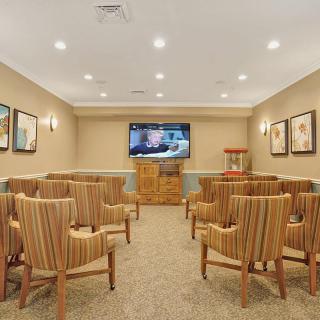
Pros are anchored in remarkable staff devotion and practical care systems. Families repeatedly note around-the-clock attentiveness, hourly rounding that translates into real time with residents, and a team that knows medications, meals, sleep, and hygiene as a coherent whole. The result is measurable: residents become more social, participate in activities, and maintain higher levels of cleanliness and dignity. The care for dementia patients is described as transformative: even a previously defiant loved one can be coaxed into showers, smiles, and shared moments. The staff sing, watch movies, and engage residents in everyday joys, turning what could be a clinical routine into a comforting daily rhythm.
Another major strength is the "home" atmosphere and personal touch that a smaller center enables. Cleanliness is consistently highlighted, odors are absent, and meals are home-cooked, contributing to a sense of normalcy and comfort. Families report that the staff not only administers medications and preserves personal hygiene but also supports relatives during difficult moments, as when a loved one passes, the team and extended family come together with empathy. The outstanding quality of life and the feeling of being cared for extend beyond the resident to the entire family, with staff actively including visiting family members in celebrations and everyday rituals.
However, the setting's strengths highlight certain trade-offs. The small, intimate footprint means fewer on-site amenities and a more limited scale of programming than larger campuses; for seniors who require a wide array of specialized medical services, extensive memory-care programs, or a bustling, highly structured activity calendar, alternatives may be a better fit. The facility is described as under new management, a factor families may weigh when seeking stability and continuity. For residents with complex medical needs or those who crave a broader social ecosystem, exploring other Heber City options with bigger teams and more comprehensive offerings may be prudent.
Yet the core pros do offset the potential drawbacks in meaningful ways. The assurance of consistent, compassionate care from a tight-knit staff provides a level of peace of mind that is hard to match in larger communities. The intimate environment accelerates trust, enabling more proactive caregiving, medication accuracy, hygiene, sleep, and appetite, without the fragmentation common in bigger facilities. End-of-life support, patient dignity, and an atmosphere of family involvement create a comforting crescendo for families navigating loss. In short, the trade-off for a quieter campus is more authentic connection, better daily satisfaction, and genuine, sustained relationships, assets that frequently outweigh the desire for more bells and whistles.
Prospective families should schedule a tour with Stacy and Tiffany, observe how staff engage with residents, and ask for a typical day for a resident with similar needs. Inquire about memory-care capabilities, respite options, and how care plans adapt as needs escalate. Given the new ownership, ask about staff retention, care continuity, and any upcoming program enhancements. For a loved one who thrives on social contact, gentle routine, and deeply personal care, particularly those facing dementia or end-of-life transition, this community offers a compelling, practical home where comfort, respect, and real connection are prioritized over formality or size.
 16 resident community capacity
 Assisted Living
 Board and Care Home
 Cable or satellite TV
 Dining room
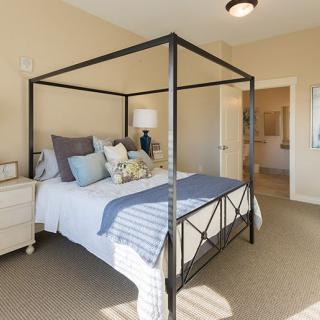
 Fully furnished
 Garden
 Housekeeping services
 Move-in coordination
 Outdoor space
 Telephone
 Wi-Fi/high-speed internet available
 24-hour supervision
 Activities of daily living assistance
 Assistance with bathing
 Assistance with dressing
 Assistance with transfers
 Diabetes diet
 Meal preparation and service
 Medication management
 Special dietary restrictions
 Transportation arrangement (medical)
 Transportation to doctors appointments


 Exploring the Contrasts Between Assisted Living and Skilled Nursing
 8 Key Indicators That Suggest It May Be Time to Transition from Assisted Living to Skilled Nursing Care
 Vibrant Senior Living: A Comprehensive Guide for Active Older Adults