

2728 Cottonwood Lane, Temple, TX 76502
For more information about senior living options: (866) 208-4318
Overall Review of Sodalis Elder Living Temple I
Pros
 The Mercy House tour experience was great.
- Staff went above and beyond by helping her move in.
- The staff were helpful and friendly, providing lots of information during the tour.
- The community is very homey with a large living room and a wonderful staff.
- Sodalis Temple is described as a god-send, with warm, compassionate staff and a caring environment.
- The intimate design and small number of residents create a personal, home-like setting that fosters safety and social interaction.
Cons
 The in-person tour was not impressive; it was too small and not the right place for their loved one.
- The drawback was the shared rooms, which wouldn’t work for her mom.
- Mercy House was a definite no for them; none of the residents looked happy, and the place seemed down-trotting.
- They had nine shared rooms and only two bathrooms, which was not impressive.
- The price was a major drawback, despite the community being fine.
- The design was closed off and the floor plan felt awkward.
- Sodalis Memory Care is very pricey.
- There were no activities offered.
Review
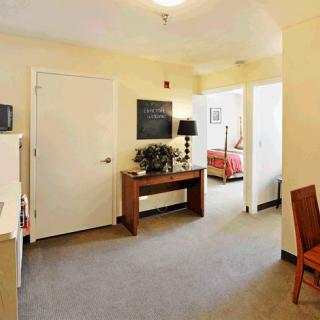
Sodalis Temple I is best suited for families seeking a memory-care focused, genuinely intimate environment where residents live in small, house-style settings and staff know each person by name. The design emphasizes home-like warmth: open common spaces, a large central great room, and an open kitchen that lets residents see meals being prepared. This arrangement rewards those with Alzheimer’s or related cognitive challenges who still want to contribute, socialize, and maintain routines, rather than endure the impersonal feel of a larger campus. For families prioritizing personal attention, predictable daily rhythms, and a sense of belonging, this community often delivers results that larger facilities struggle to match.
Those weighing alternatives will want to consider cost, layout, and privacy needs. A recurring thread in the reviews is price pressure and an expectation for private rooms. Mercy House surfaced as a common contrast: several tours highlighted problematic shared-room configurations and limited bathrooms, underscoring that private space matters to many families. For families seeking more structured daily activities or a different care atmosphere, the Mercy House and similar options may present a better fit, particularly when budget constraints collide with the desire for robust programming. In short, if privacy and broader amenity breadth are non-negotiables, alternatives deserve serious comparison.
The core strengths of Sodalis Temple I offset its drawbacks in practical, meaningful ways. The intimate, small-house design creates a palpable sense of safety and belonging, with the staff able to supervise and engage residents closely. Security features, audible exterior alarms and cipher-lock entries, build confidence for families worried about wandering, while a secure, fenced courtyard and walking path encourage autonomous activity within bounds. The most consistent praise centers on staff warmth and dedication; residents and families describe caregivers as patient, upbeat, and deeply committed, turning daily routines into a steady rhythm of companionship and support.
Equally persuasive is the way care staff integrate social time into daily life. The open, kitchen-forward layout and the large gathering space foster spontaneous interaction, and the intimate setting makes it easier for staff to sit with residents, offer comforting presence, and participate in shared activities. Families repeatedly recount how staff become an extended family, maintaining dignity and delivering consistent care even during challenging moments. For residents who still derive meaning from helping others, the environment supports purposeful engagement, whether that’s joining in light gardening, participating in casual conversations, or simply sharing a hand to hold during a difficult moment.
On the downside, a few common concerns warrant honest attention. Price remains a primary consideration, with some families feeling the cost is high for memory-care services, especially when VA benefits or other funding don’t offset medications and care. Food quality is occasionally cited as a disappointment, with residents who have dietary restrictions or specific preferences feeling unheard at times. A minority note a perception of limited activities within memory care, and a few reviews describe the floor plan as closed-off or awkward, which can dampen private visiting or a sense of spaciousness. These factors don’t erase the positives, but they do shape the trade-off for families evaluating value and fit.
The take-charge conclusion is clear: Sodalis Temple I excels for families prioritizing an intimate, home-like memory-care setting where staff engagement, safety, and social connectedness drive daily life. It is especially well-suited for residents who thrive on routine, meaningful interaction, and the feeling of belonging to a small, caring community. If cost, private accommodations, or a busier activity calendar are decisive factors, it is prudent to compare alternatives such as Mercy House and other nearby options, ensuring a careful review of what is included in the care plan, how meals are managed, and what programming is actually offered. A site visit at varying times, conversations with frontline caregivers, and direct observation of resident conversations and activities will reveal whether this community truly aligns with the care goals and budget realities.
 16 resident community capacity
 Assisted Living
 Board and Care Home
 Memory Care
 Respite Care
 Cats allowed
 Dogs allowed
 Activities off-site
 Air-conditioning
 Cable or satellite TV
 Devotional services off-site
 Dining room
 Fully furnished
 Garden
 Ground floor units
 Handicap accessible
 Housekeeping services
 Indoor common areas
 Move-in coordination
 Outdoor common areas
 Telephone
 Wheelchair accessible showers
 Wi-Fi/high-speed internet available
 24-hour supervision
 Ambulatory care
 Assistance with bathing
 Assistance with dressing
 Assistance with transfers
 Diabetes diet
 Diabetic care
 High acuity care
 Incontinence care
 Meal preparation and service
 Medication management
 Special dietary restrictions
 Transportation arrangement (medical)
 Transportation to doctors appointments
 Art classes
 Catholic services
 Happy hour
 Live dance or theater performances
 Live musical performances
 Live well programs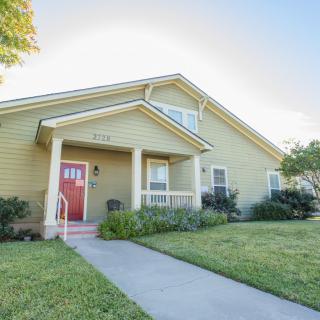






 8 Important Indicators That Memory Care May Be Necessary
 Delving into the Inner World of Dementia: Insights into Thoughts and Awareness
 Five Subtle Dementia Indicators to Observe: An In-Depth Guide to Understanding “Does My Mom Have Dementia?”