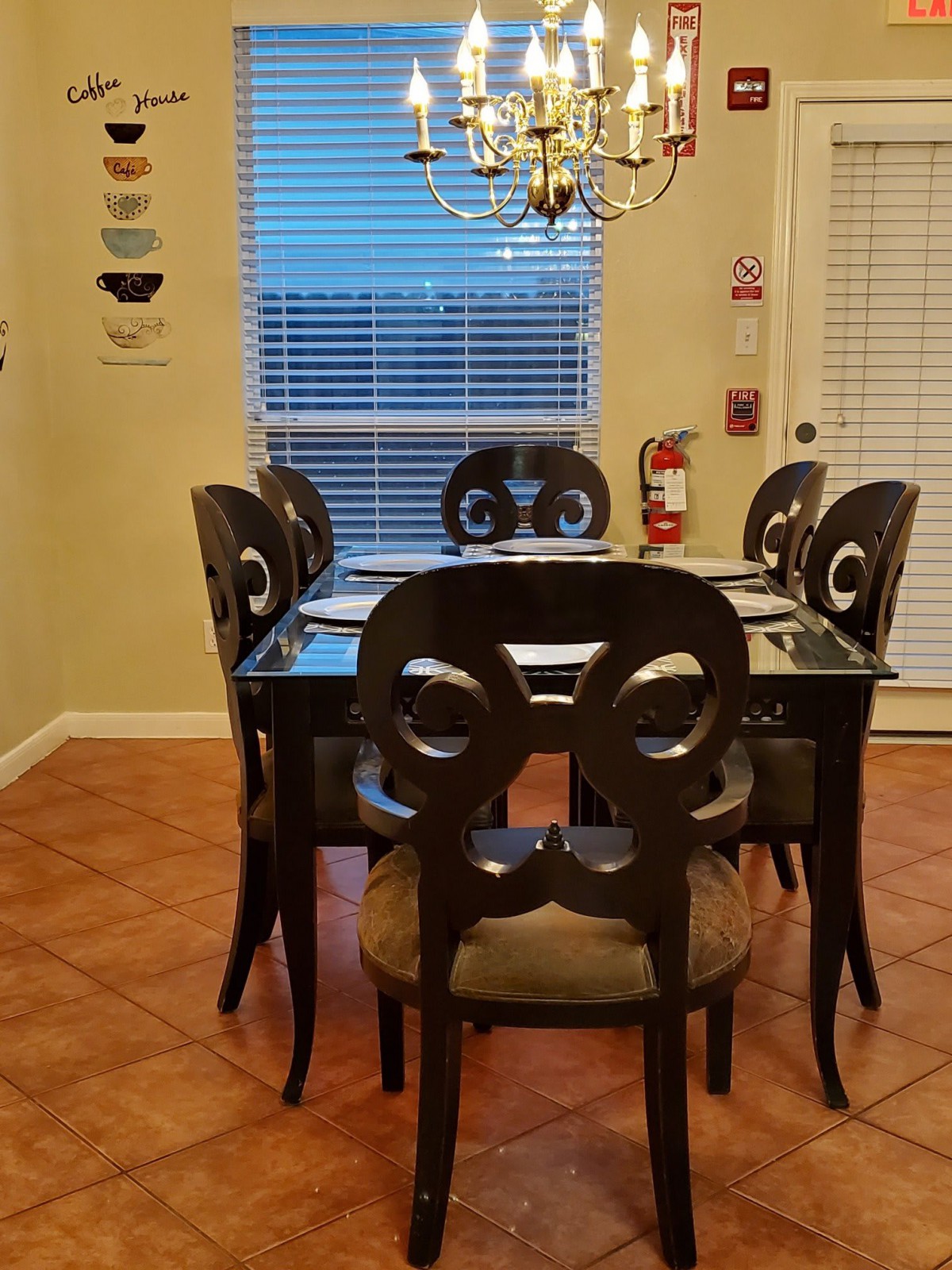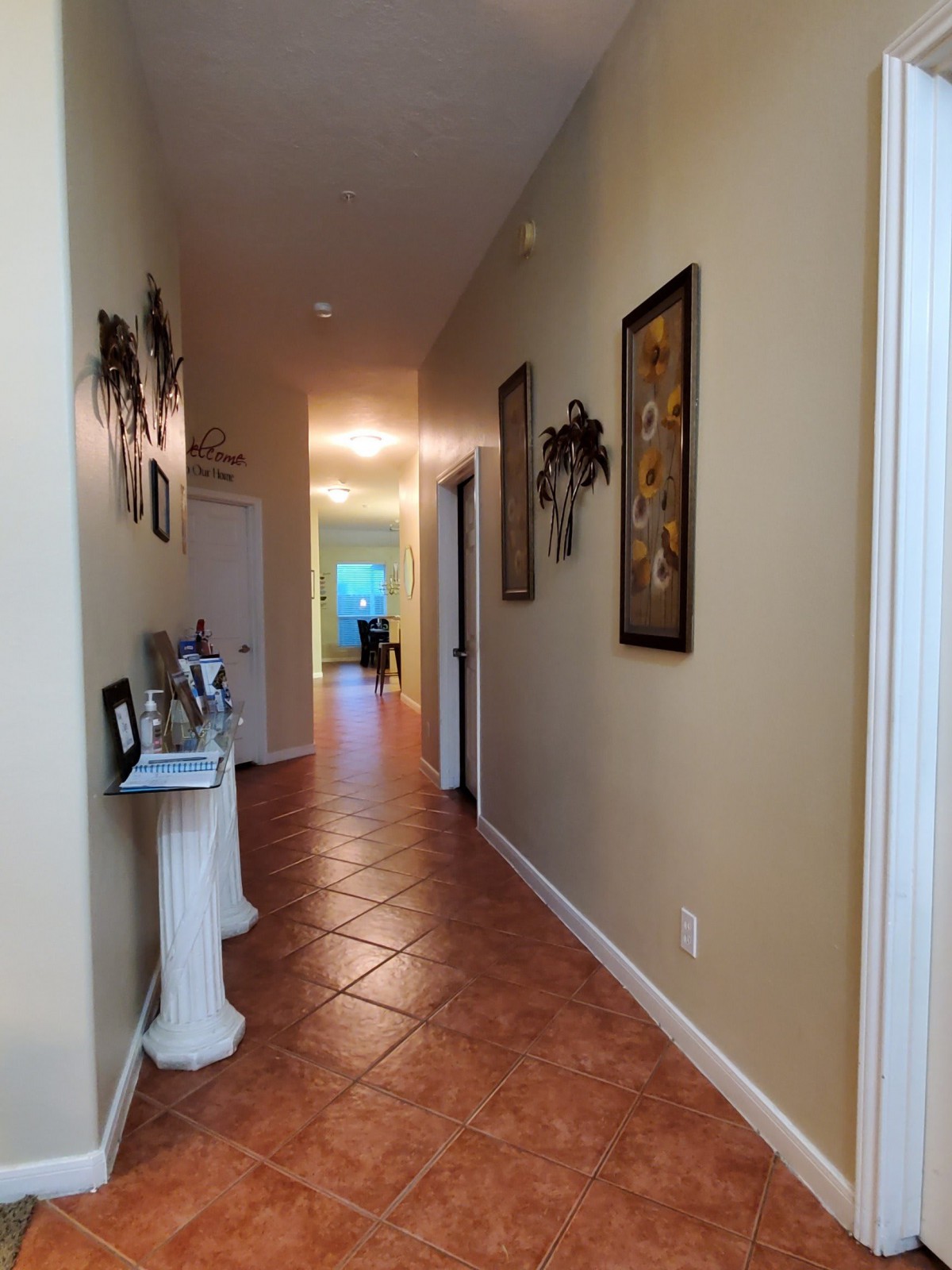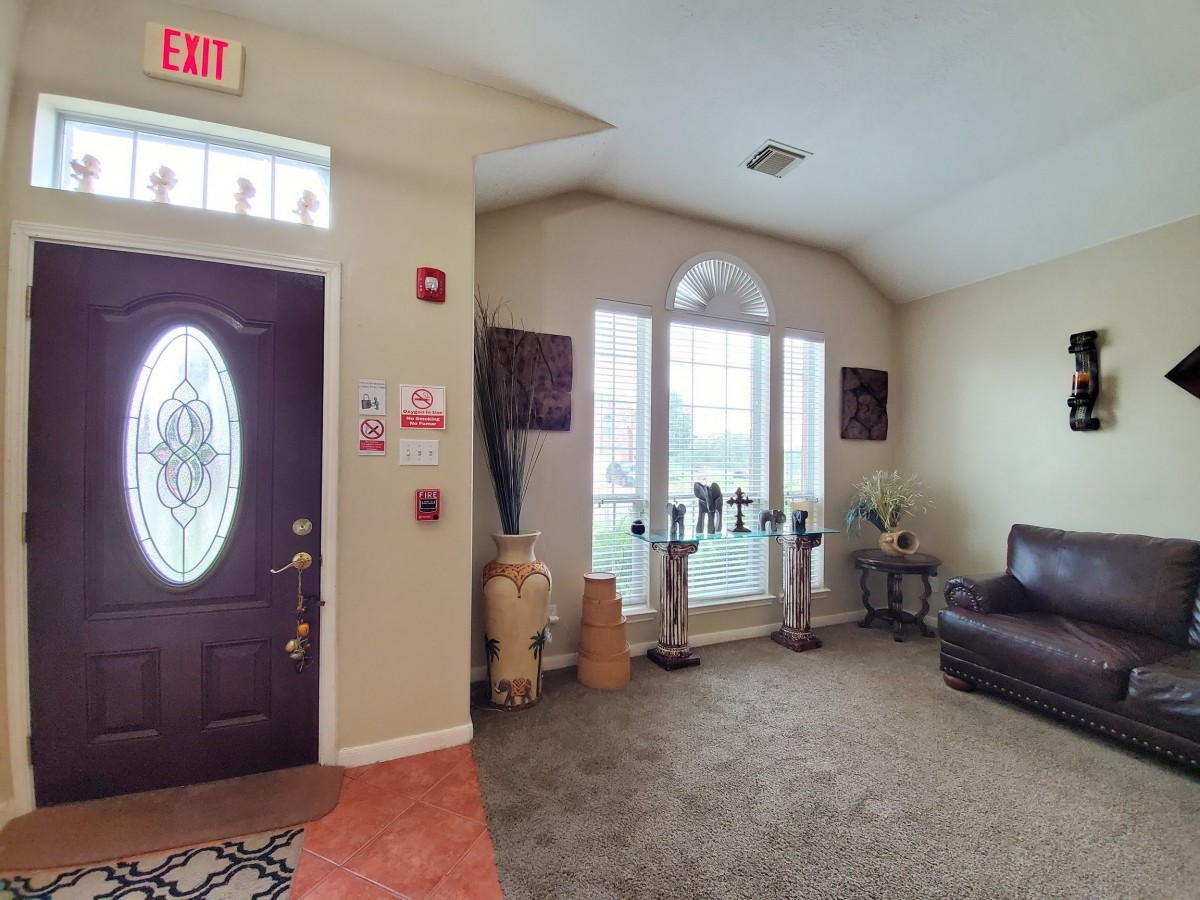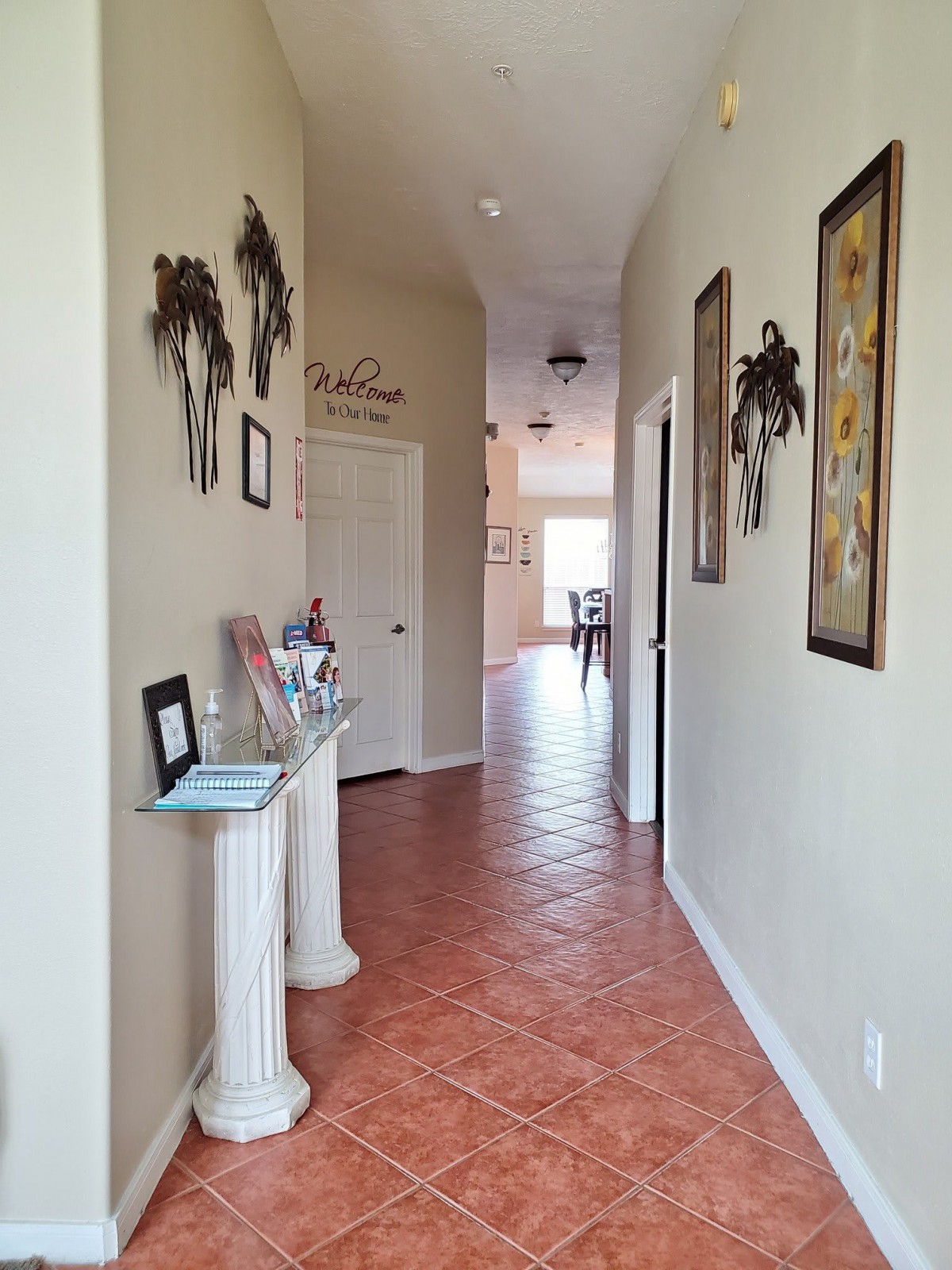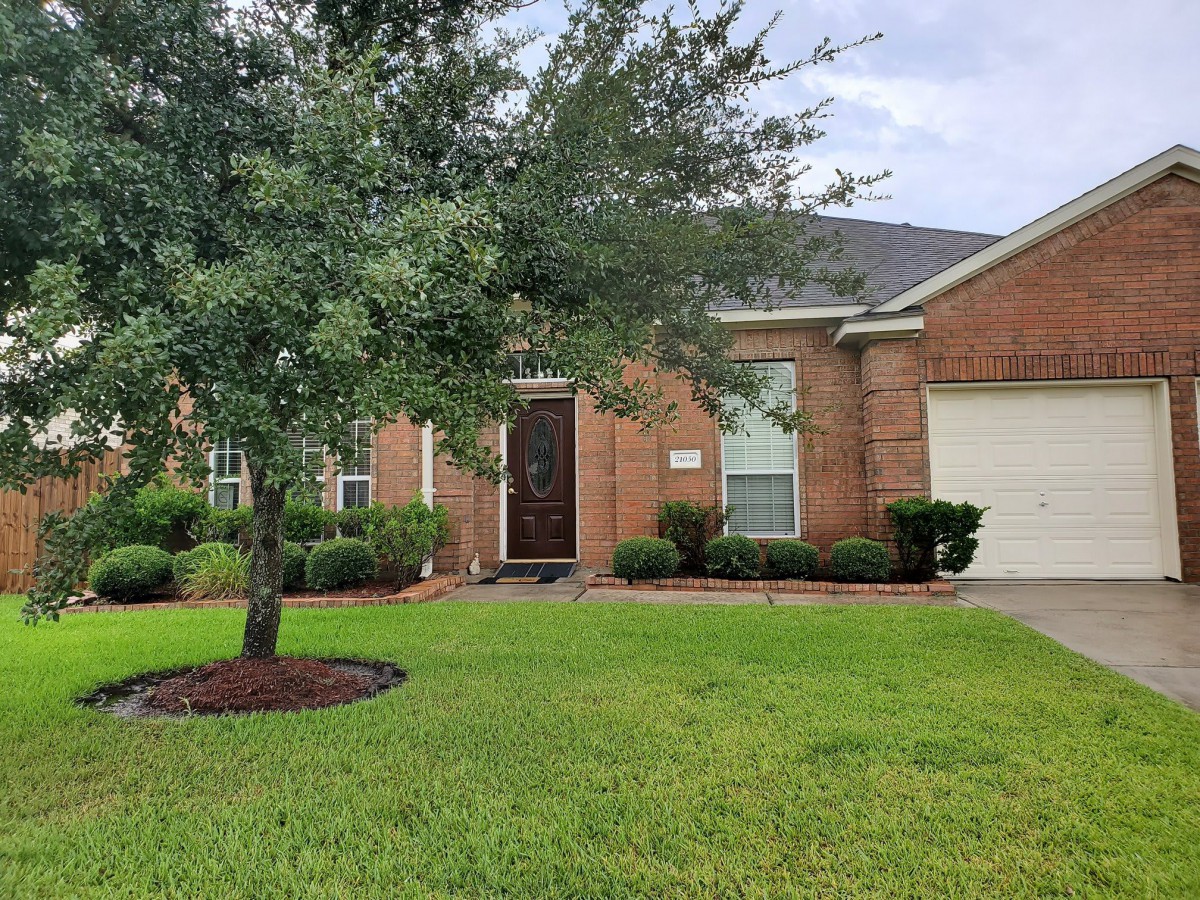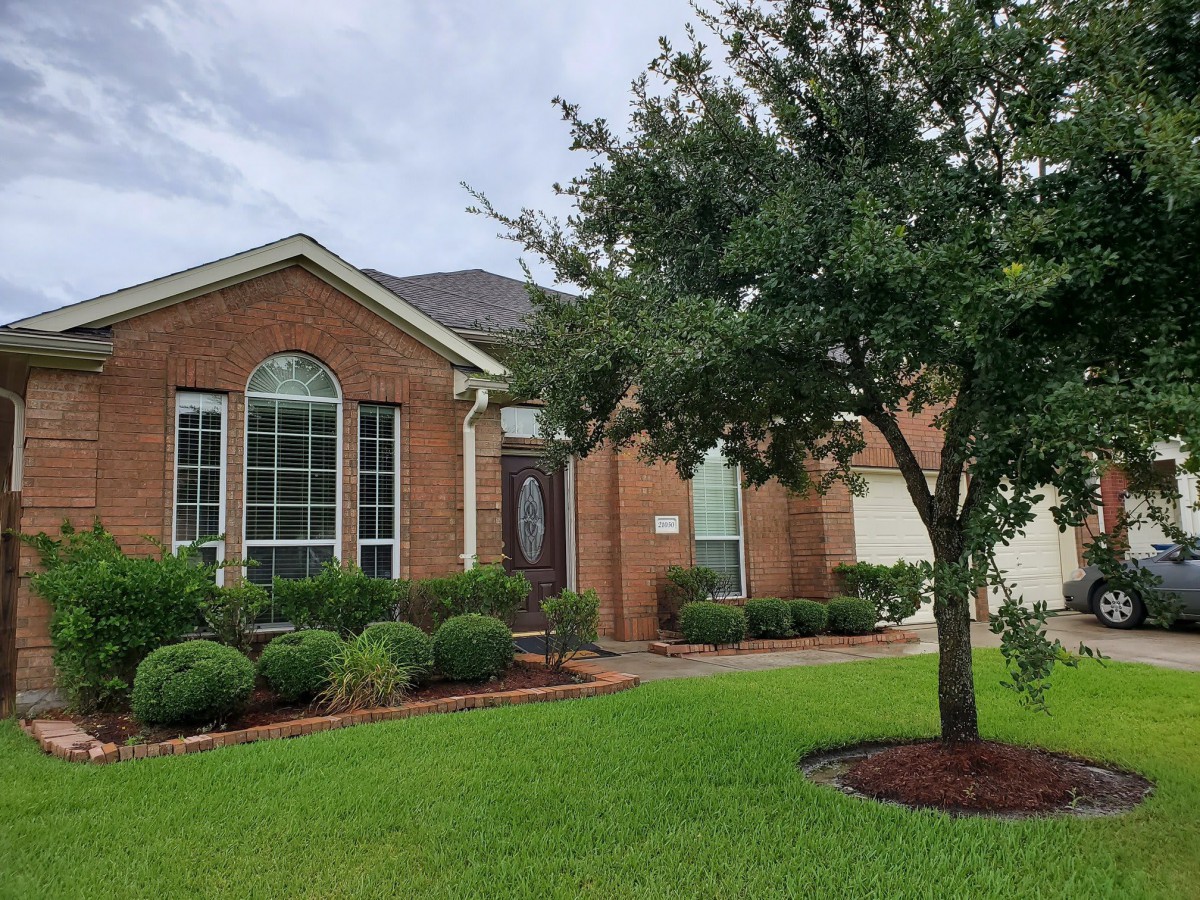




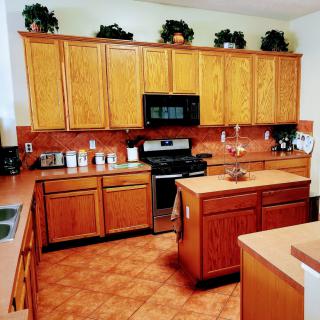




21050 Normandy Forest Dr, Spring, TX 77388
To contact a resident: (908) 230-5104
For more information about senior living options: (866) 208-4318
Ultimate Care by God's Providers - Assisted Living and Memory Care Costs & Pricing
Ultimate Care by God's Providers - Assisted Living and Memory Care offers competitive pricing for its services compared to both Harris County and the broader Texas state averages. For semi-private accommodations, the monthly cost is $3,200, which is notably lower than the county average of $3,518 and the state average of $3,680. Similarly, for private rooms, the facility charges $3,500, again undercutting Harris County's average of $3,784 and Texas's average of $4,096. This pricing structure reflects Ultimate Care's commitment to providing quality assisted living and memory care services while maintaining affordability for residents and their families in a challenging healthcare landscape.
| Floor plans | Ultimate Care by God's Providers - Assisted Living and Memory Care | Harris County | Texas |
|---|---|---|---|
| Semi-Private | $3,200 | $3,518 | $3,680 |
| Private | $3,500 | $3,784 | $4,096 |
Senior living communities with a similar price nearby
-
from +$250 / mo

Cypress Assisted Living- Drake Prairie Lane
$3,450 / month8.6 miles away -
from +$550 / mo

Village Care Homes Park Avenue
$3,750 to $3,950 / month14.9 miles away -
from -$200 / mo

Plantation Assisted living B
$3,000 to $4,910 / month16.2 miles away -
from -$200 / mo

Northgate 2 Assisted Living
$3,000 to $3,500 / month3.3 miles away -
from +$300 / mo
Houston - Arad Senior Care 1
$3,500 / month21.7 miles away
Overall Review of Ultimate Care by God's Providers - Assisted Living and Memory Care
Pros
 The staff are very caring, friendly, and compassionate.
- The facility is clean and well maintained.
- The staff are well trained, professional, and caring.
- The owners take a personal interest in caring for the residents and seek feedback.
- The small home setting provides a more personal experience.
- The staff and management go above and beyond to do the best for their residents.
Cons
 They scored zero on all items other than cleanliness.
 - This place should only deal with bedridden, non-communicative residents with no visitors or family.
- They were not engaged with the patients.
- They would leave her sitting in front of the TV, and the TV would keep them company, with no activities or engagement.
- There is typically only one caregiver on duty to care for the residents.
- The management would change their tune with the family after concerns.
- They would not recommend the community to others, and they wouldn’t go back there.
- The food choices were lacking for the residents.
- The owner isn't always checking to make sure things are running smoothly.
Review
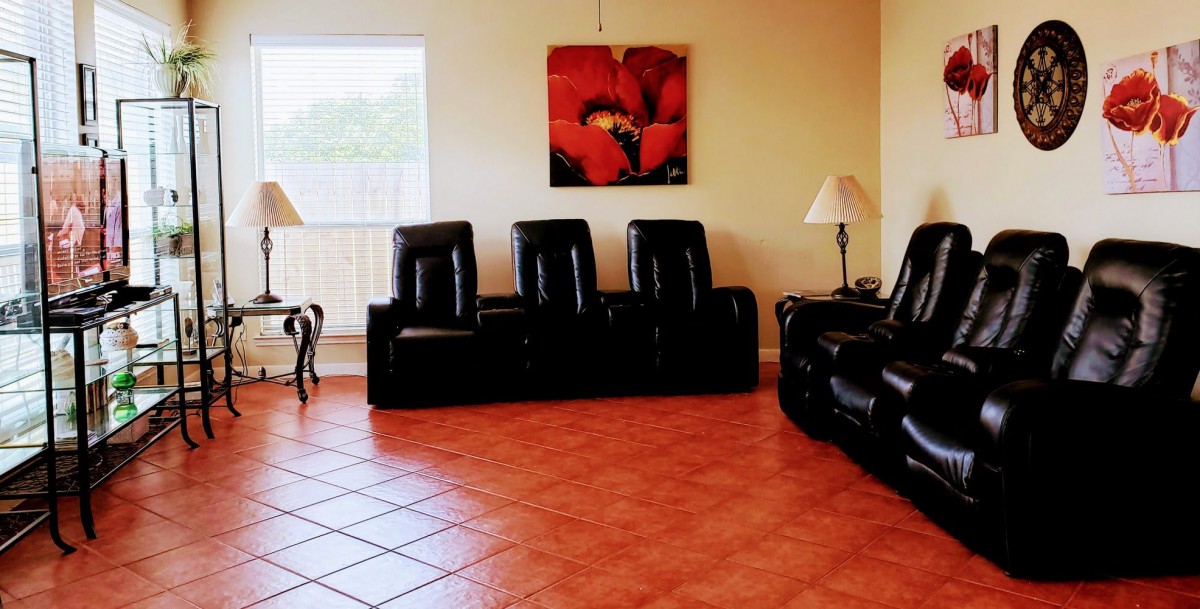
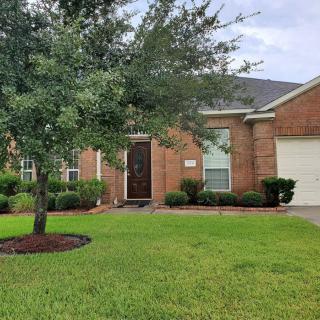
This community is best suited for families seeking a small, home‑like assisted living option in Spring, Texas, where owners and staff invest personally in residents and can provide compassionate end‑of‑life or short‑term care. It works for residents who thrive on individualized attention, a warm, cozy environment, and a straightforward daily routine, and for families who can visit regularly to participate in care decisions and activities. It is less appropriate for those demanding high staffing ratios, robust, structured daily programming, or expansive memory‑care curricula and social calendars. In short, Ultimate Care by God’s Providers shines when personal touch and intimate setting trump breadth of services.
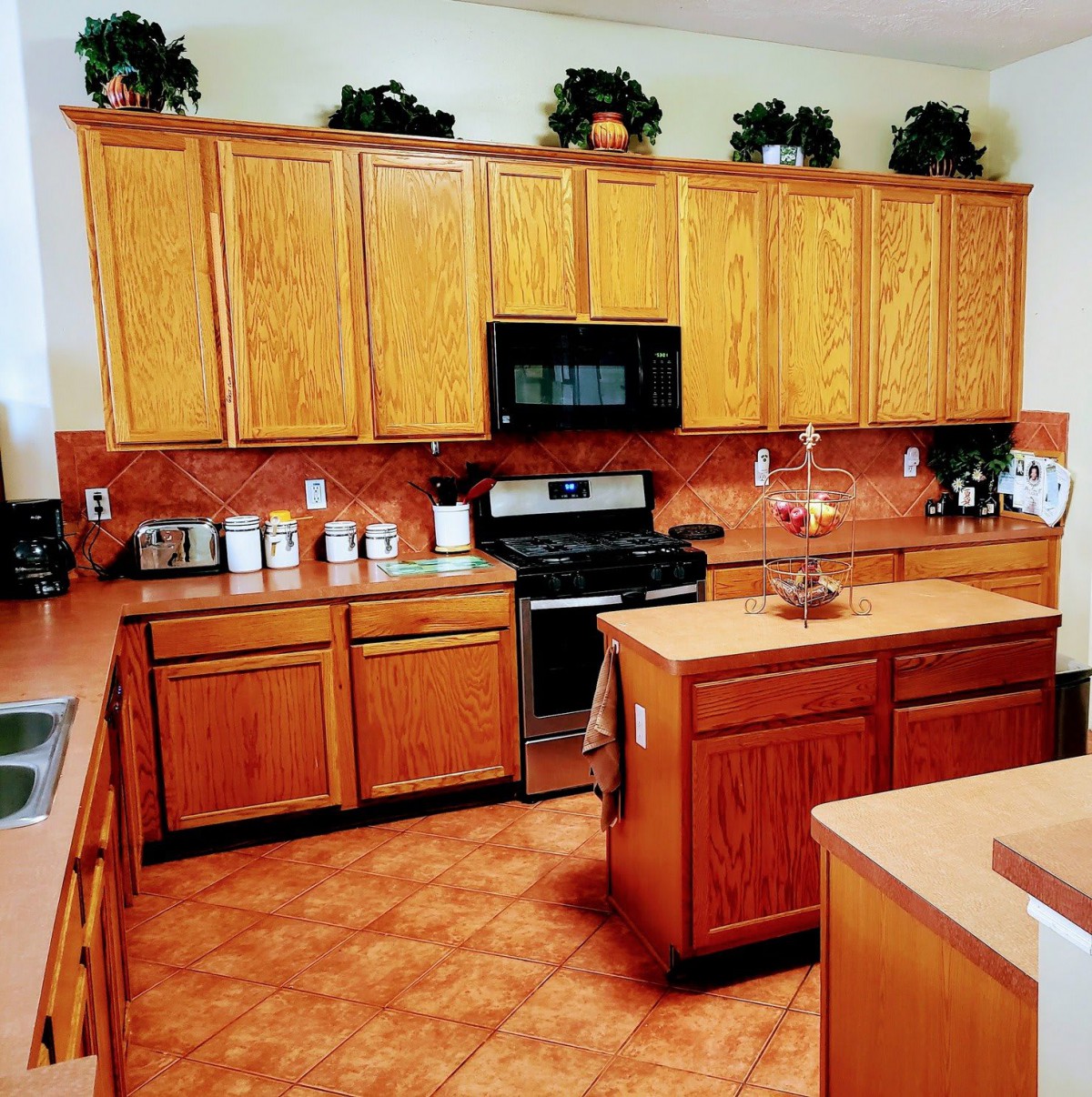
On the plus side, the facility earns points for cleanliness, a welcoming, warm atmosphere, and consistent demonstrations of kindness from the staff. Multiple reviewers noted well‑trained, caring caregivers and owners who take a direct interest in residents’ well‑being. The small home environment, often with private rooms and a limited resident count, contributes to a sense of personal attention and safety. Families commonly describe easy access, flexible visitation, and responsiveness to questions, with some residents benefiting from genuine, ongoing caregiver warmth and attentiveness that can feel hard to come by in larger communities. For families prioritizing gentleness, reassurance, and a peaceful setting, these elements carry significant weight.
Yet the upsides must be weighed against meaningful drawbacks. A recurring concern is staffing, with observers noting that there is typically only one caregiver on duty for the residents at a given time, which constrains engagement and timely assistance. Several reviews describe minimal activity or social programming beyond basic meals, leaving residents watching TV rather than being meaningfully engaged. Food choices are occasionally described as lacking, and there is at least one impression that management responsiveness can waver after concerns are raised. The notion that the ownership team can shift tone after a dispute raises questions about consistency in follow‑through and proactive oversight. Collectively, these issues can erode satisfaction for families seeking robust daily structure.
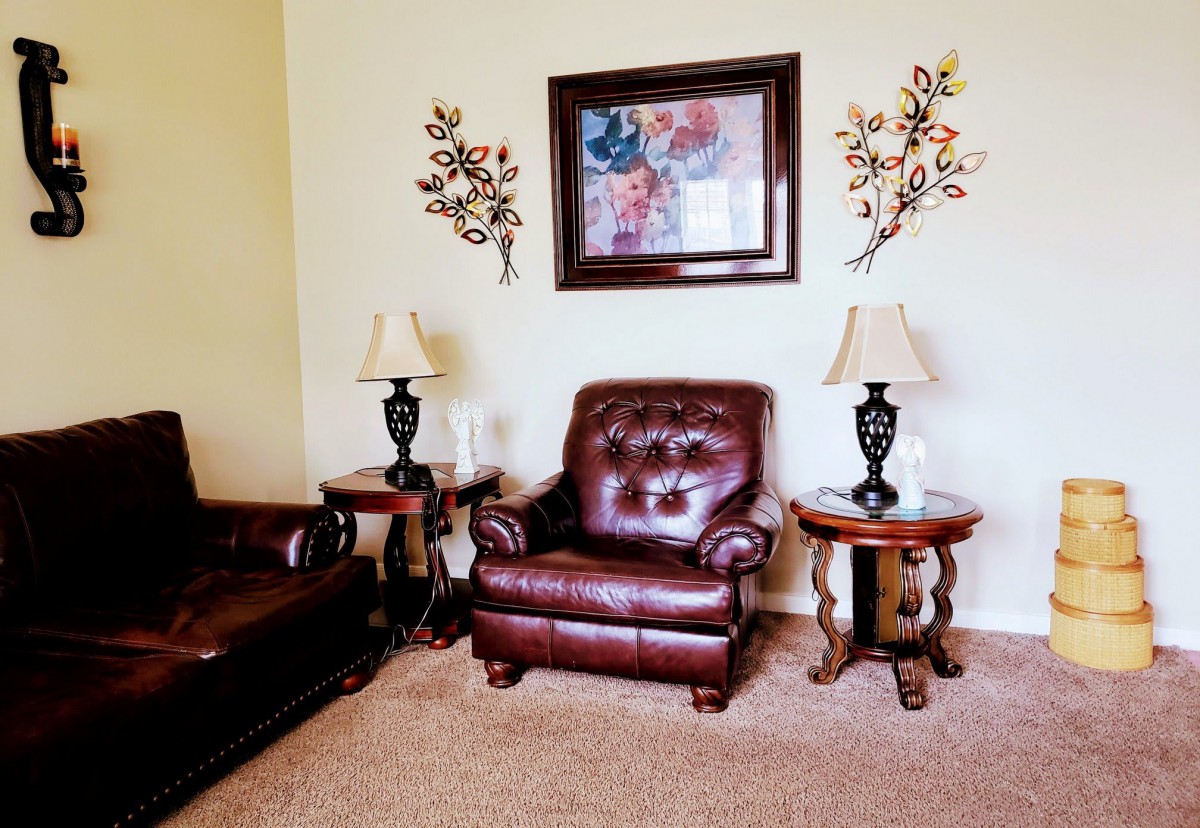
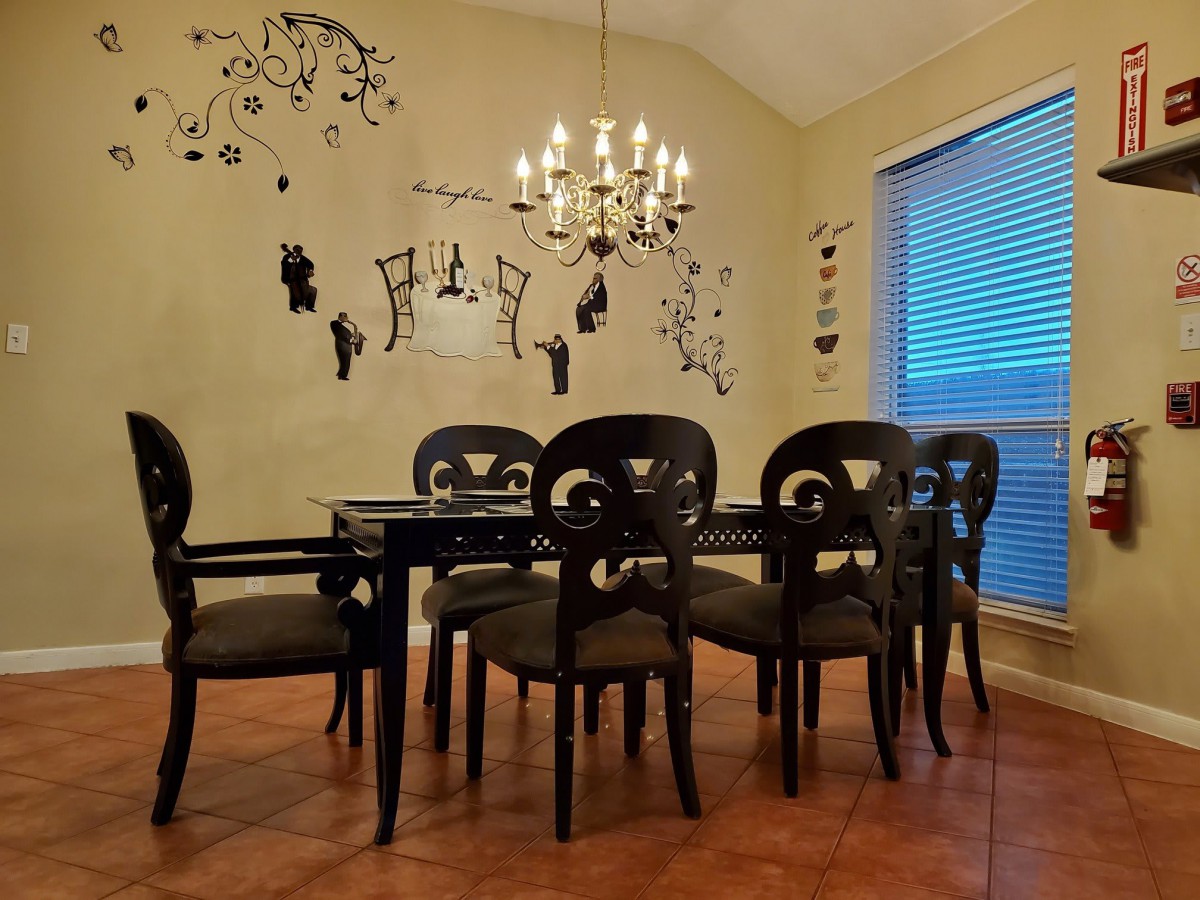
The core pros can offset some of these cons when the resident profile matches the setting. The intimate, small‑house model makes it feasible for staff to know residents deeply, respond quickly, and honor personal routines and preferences, which matters enormously for comfort and dignity, especially in end‑of‑life scenarios. The direct involvement of owners and screen‑tested caregivers helps preserve accountability and a sense that someone is always looking out for a resident’s best interests. Cleanliness and a cozy, homey decor promote a calm, restorative atmosphere, which can compensate for quieter activity calendars. For families who want to stay closely connected and maintain an intimate caregiving dynamic, these factors can tip the balance in favor of choosing this community.
Who should probably consider alternatives? Families seeking vigorous daily activity programs, diversified therapeutic offerings, or larger, more professionally staffed campuses should look elsewhere. Those who cannot visit daily and rely on consistent, proactive staff engagement may find the lean staffing model challenging to sustain, particularly for residents with memory issues who benefit from structured cognitive stimulation. If predictable leadership and a transparent, consistently applied 30‑day notice policy are priorities, a community with broader governance and more established protocols may be a safer match. In short, alternatives are sensible for residents needing more programming, higher staffing levels, or clearer, unwavering administrative consistency.
Practical, action‑oriented next steps guide the decision. Schedule a firsthand tour and observe staffing patterns during mealtimes and activity periods, asking specifically about the staff‑to‑resident ratio at different shifts. Inquire about memory‑care capabilities, daily activity calendars, and the level of individualized engagement residents receive beyond TV time. Clarify meal options and dietary accommodations, and review the 30‑day notice policy, including any penalties or flexibility. Confirm room sizes and the possibility of private accommodations, then verify accessibility for visiting family and friends. If these align with the family’s expectations, Ultimate Care can be a compassionate, well‑suited match; if not, it’s prudent to pursue alternatives sooner rather than later.
 Board and Care Home
 Activities on-site
 Air-conditioning
 Bath tubs
 Beautician on-site
 Cable or satellite TV
 Handicap accessible
 Indoor common areas
 Outdoor common areas
 Private
 Private bathrooms
 Respite or short term stays offered
 Wheelchair accessible showers
 George Bush Intercontinental (12 miles away)
 Ambulatory care
 Diabetic care
 High acuity care
 Incontinence care
 Medication management
 Gluten-free
 Art classes
 Cooking classes
 Day trips and outings
 Educational speakers / life long learning
 Gardening club
 Karaoke
 Light therapy programs
 Live dance or theater performances
 Live musical performances
 Stretching classes
 Trivia games








 Understanding the Nuances of Palliative Care and Hospice: A Comprehensive Exploration
 Fecal Incontinence in Older Adults: A Comprehensive Guide
 Nurturing Well-Being Through Gardening: A Detailed Guide for Senior Enthusiasts