The Village at Gleannloch Farms, a CCRC Costs & Pricing
The Village at Gleannloch Farms offers a range of competitive pricing for its residents, particularly when compared to the broader context of Harris County and the state of Texas. For instance, a one-bedroom unit is priced at $2,770, which stands out as significantly lower than the county average of $4,027 and the state average of $3,761. Similarly, two-bedroom apartments are available at $3,436 - again more affordable than both county ($4,574) and state ($4,215) figures. However, it's important to note that the costs for semi-private rooms and studios diverge from this trend; priced at $4,740 for semi-private accommodations and an elevated $6,226 for studios, these options exceed both county and state averages. Overall, The Village at Gleannloch Farms provides attractive pricing for many room types while remaining competitive in the local market landscape.
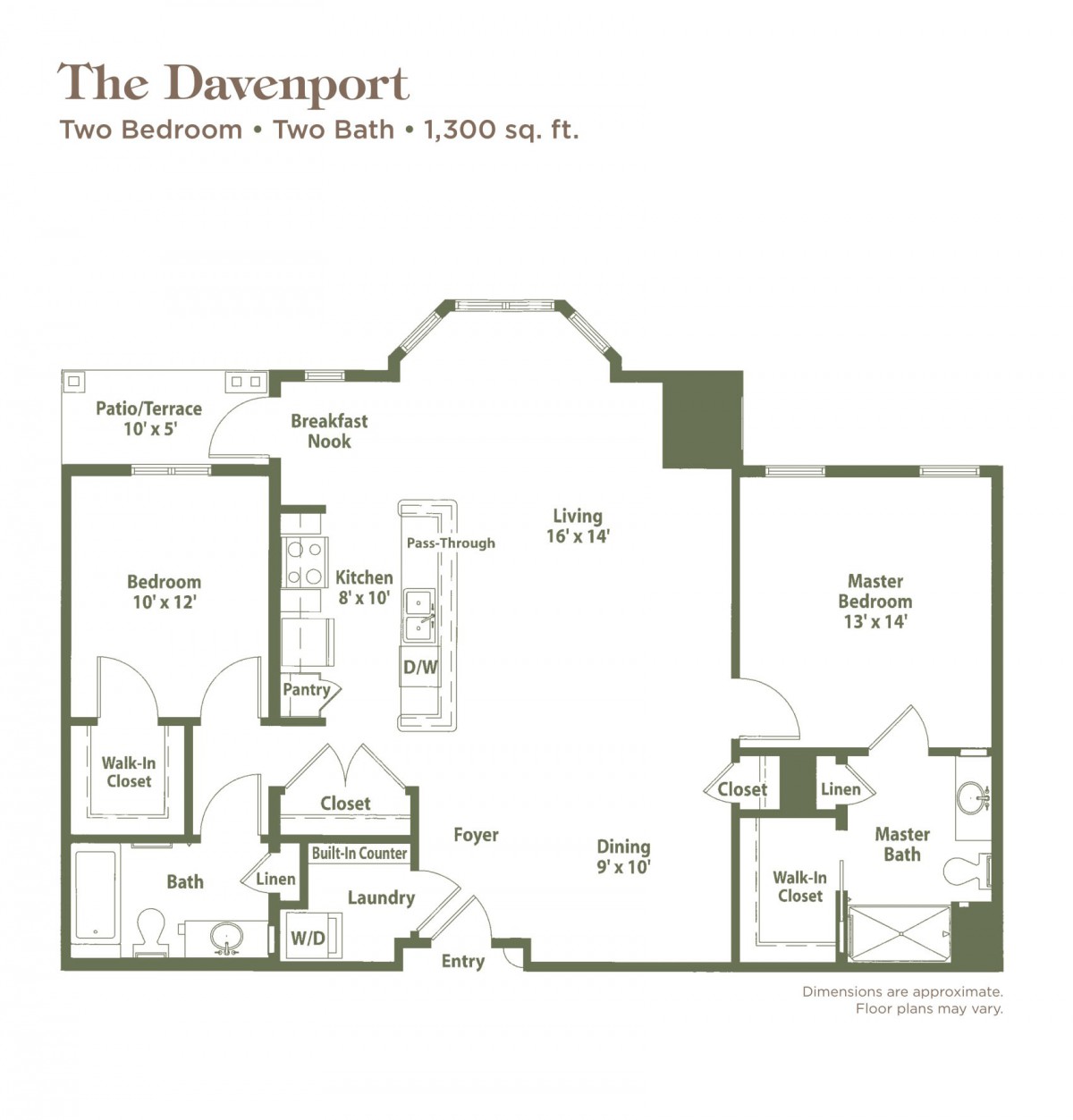
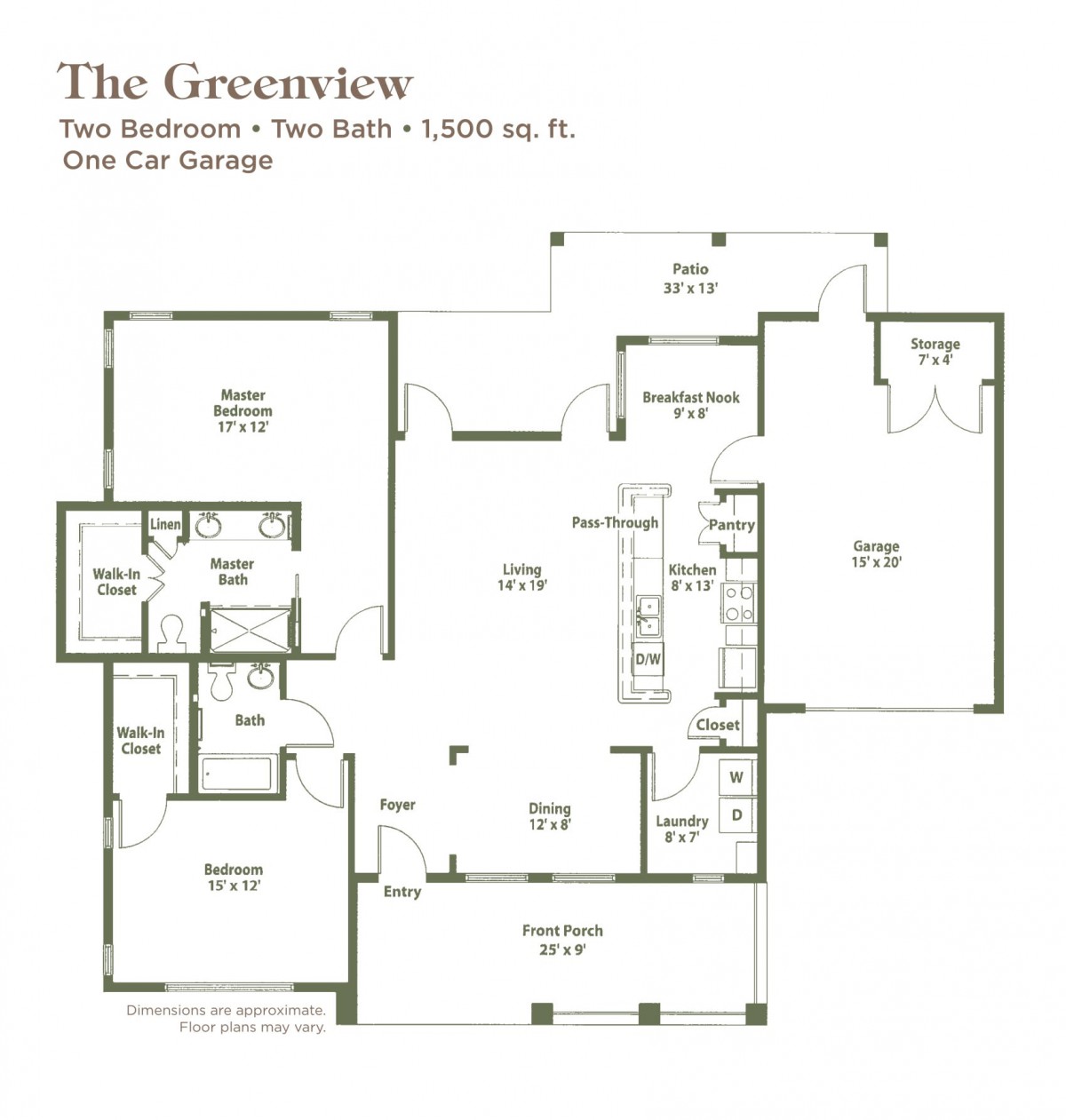
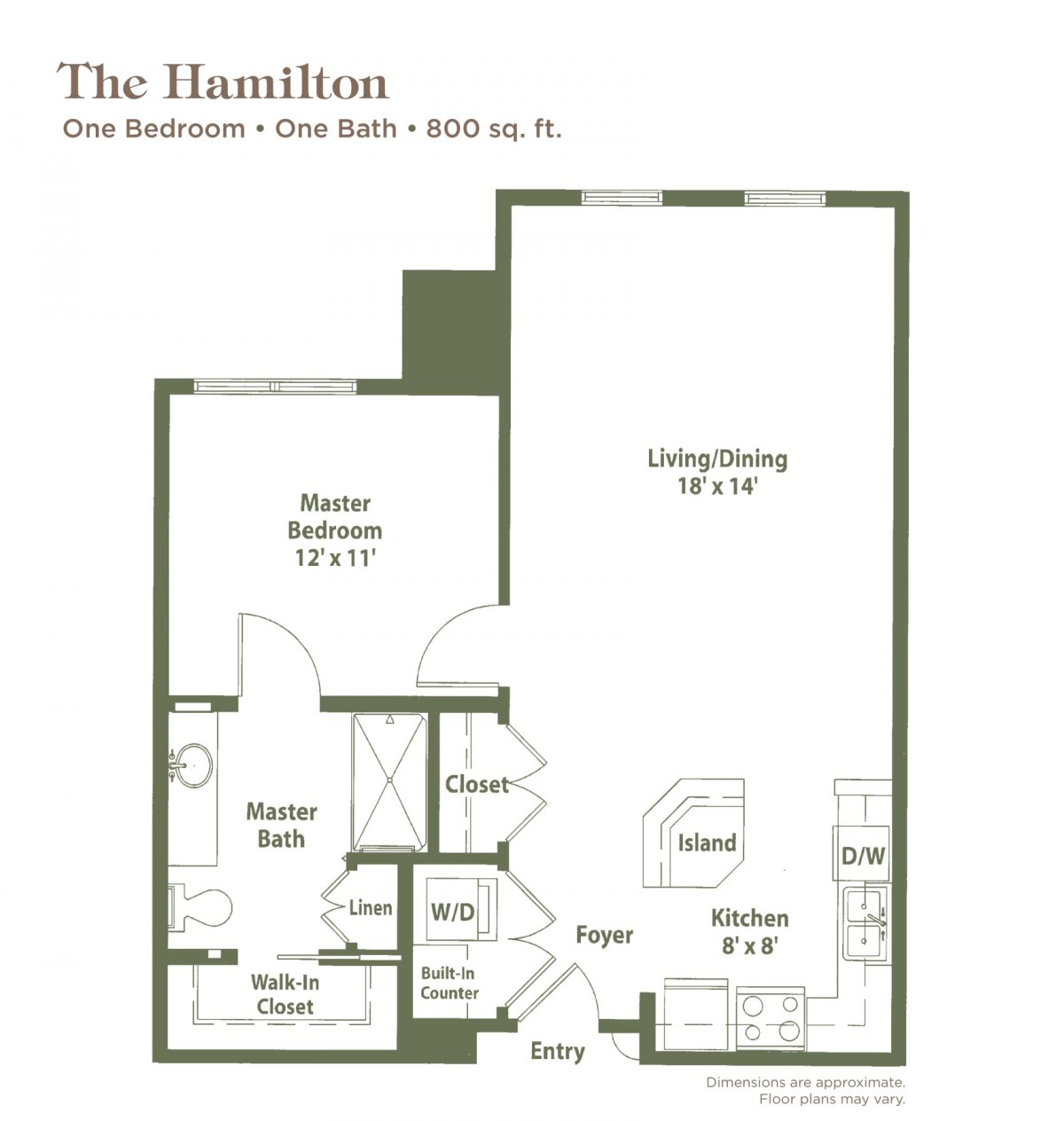
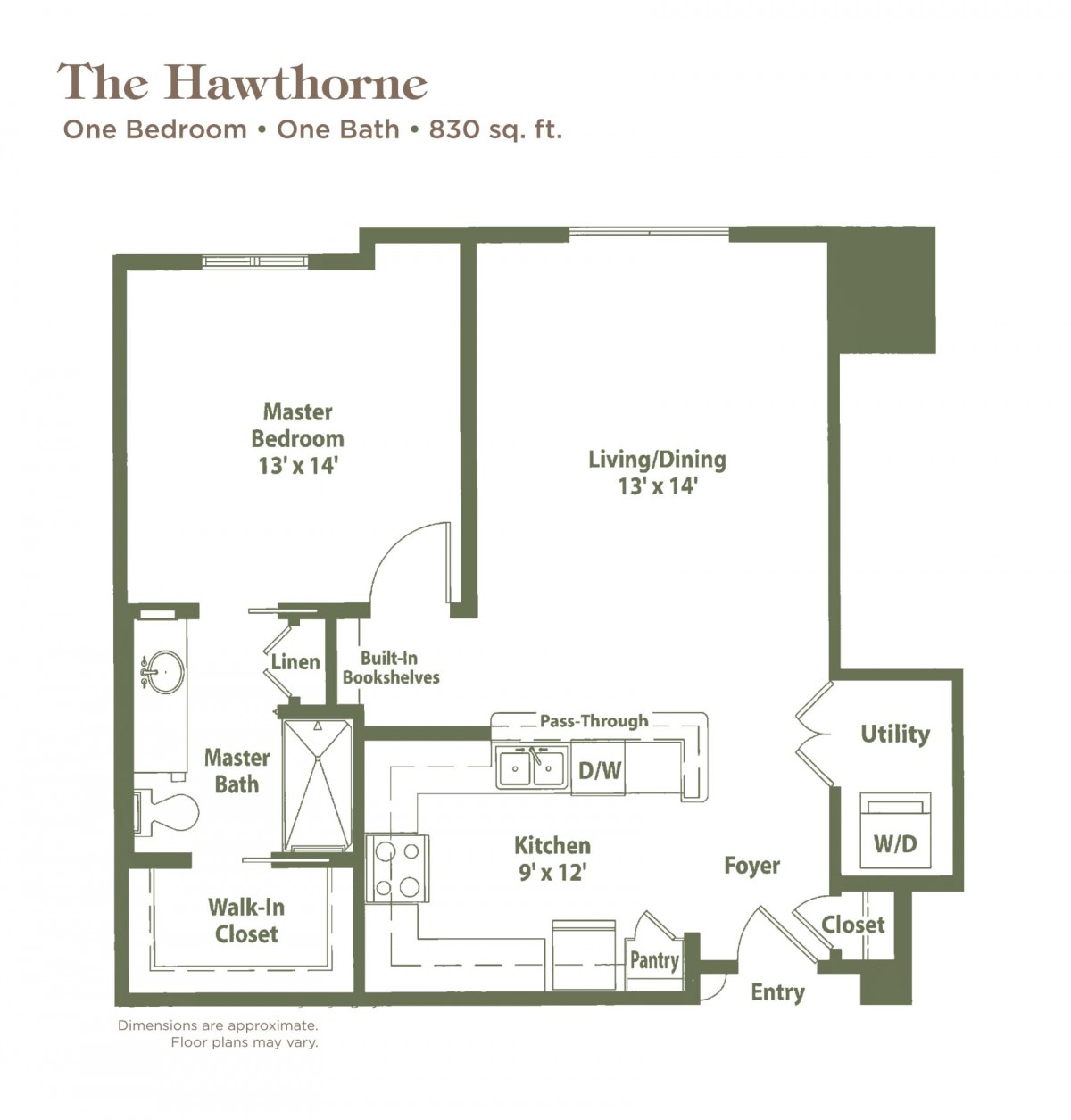
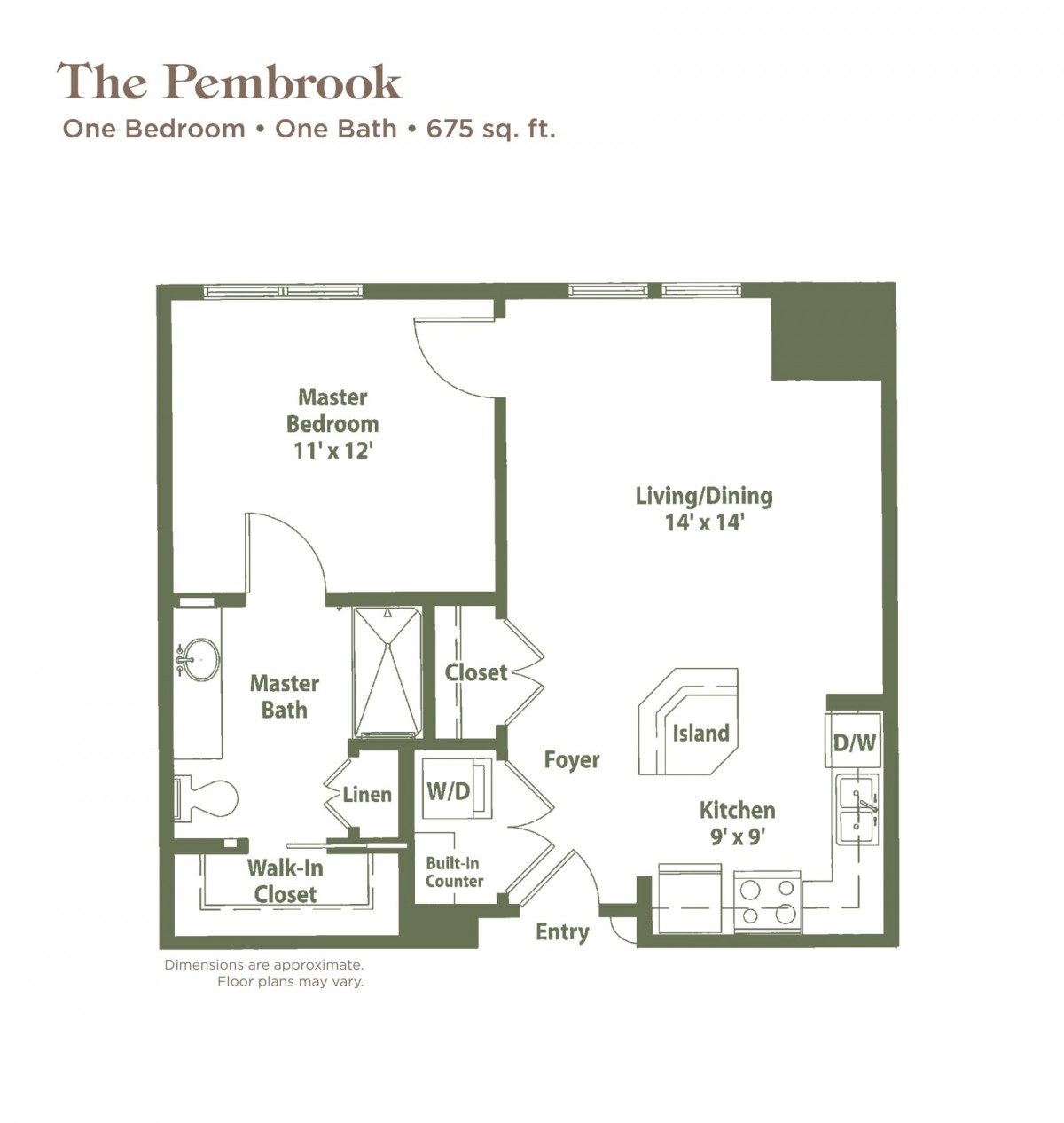
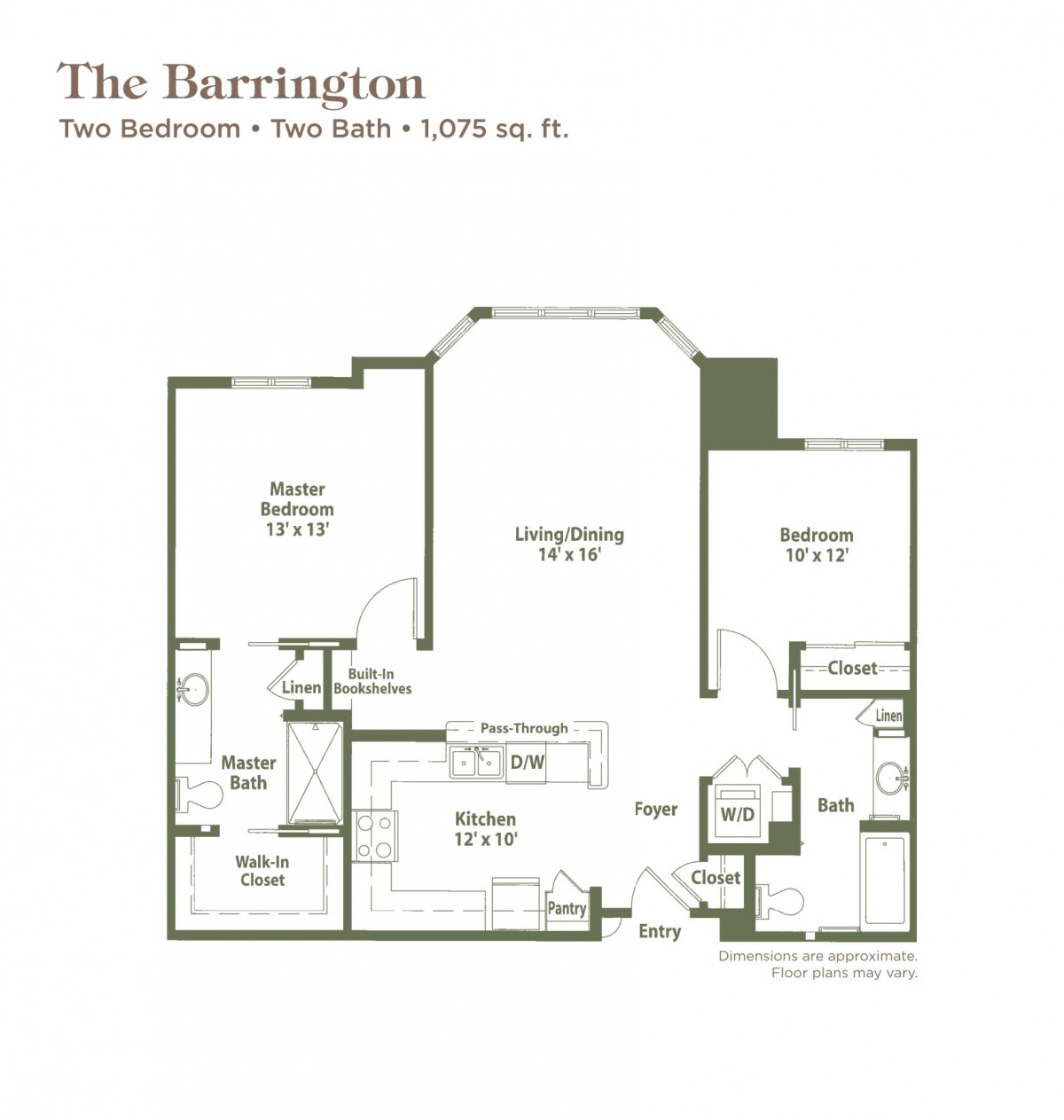
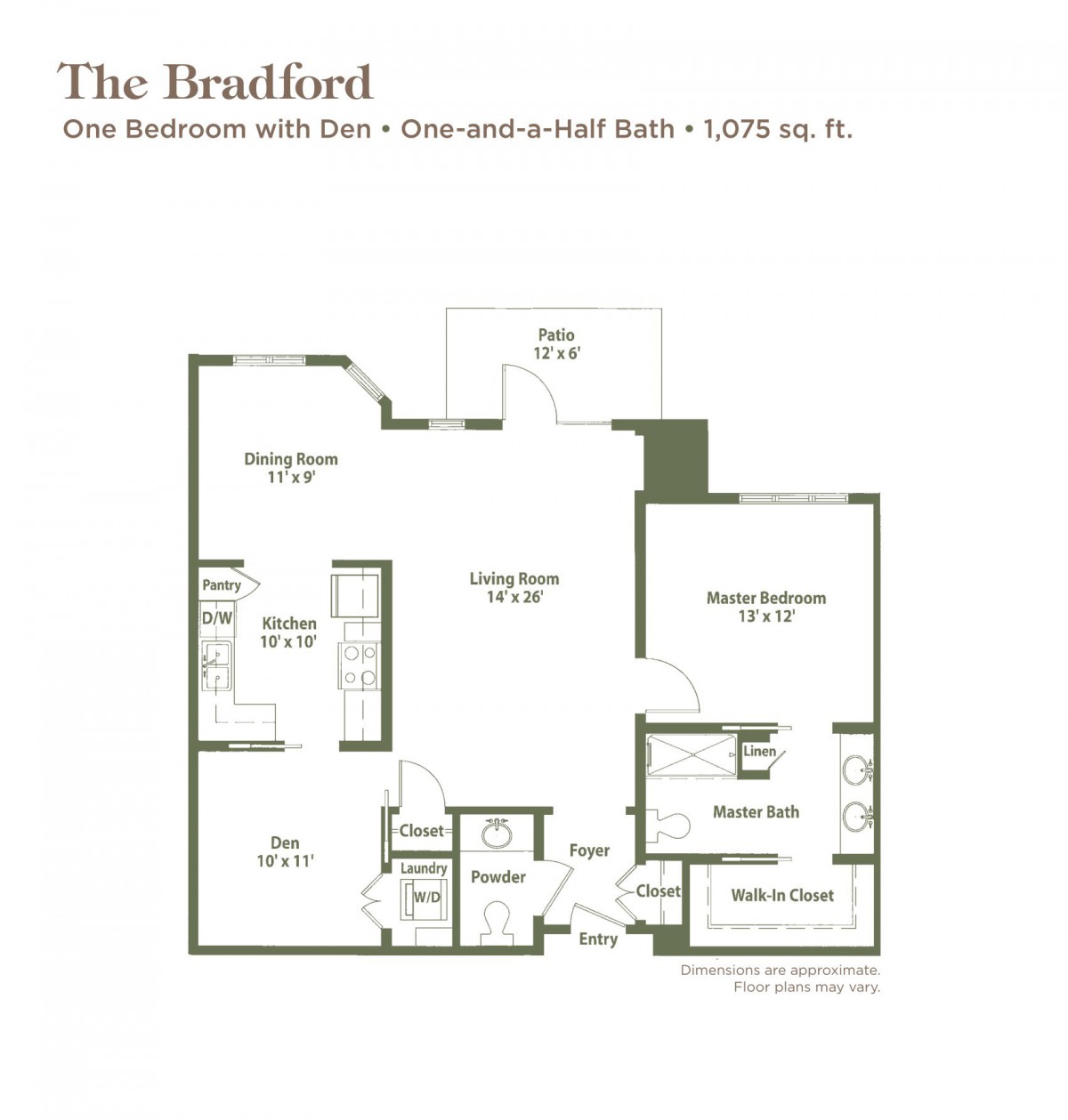
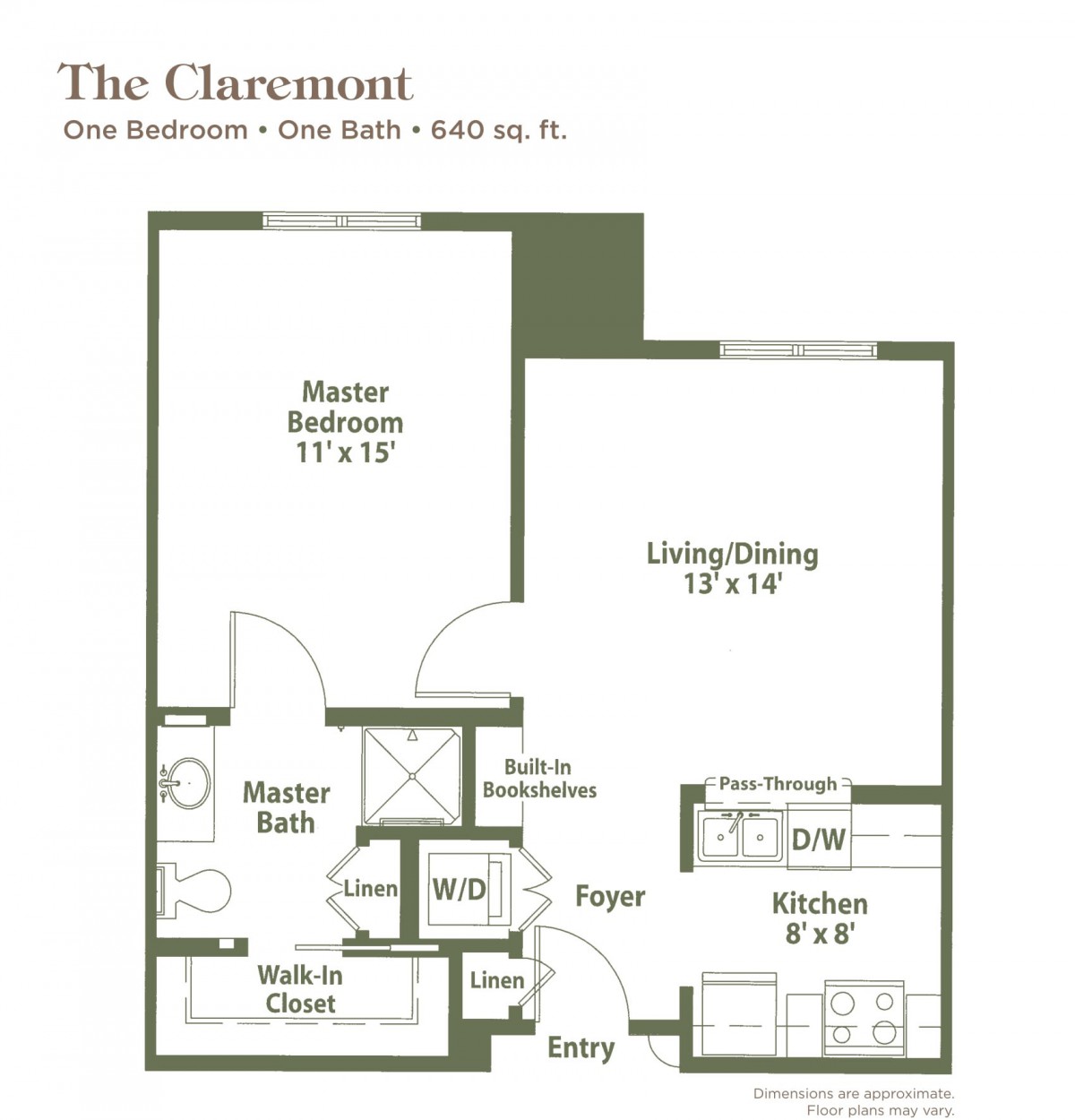
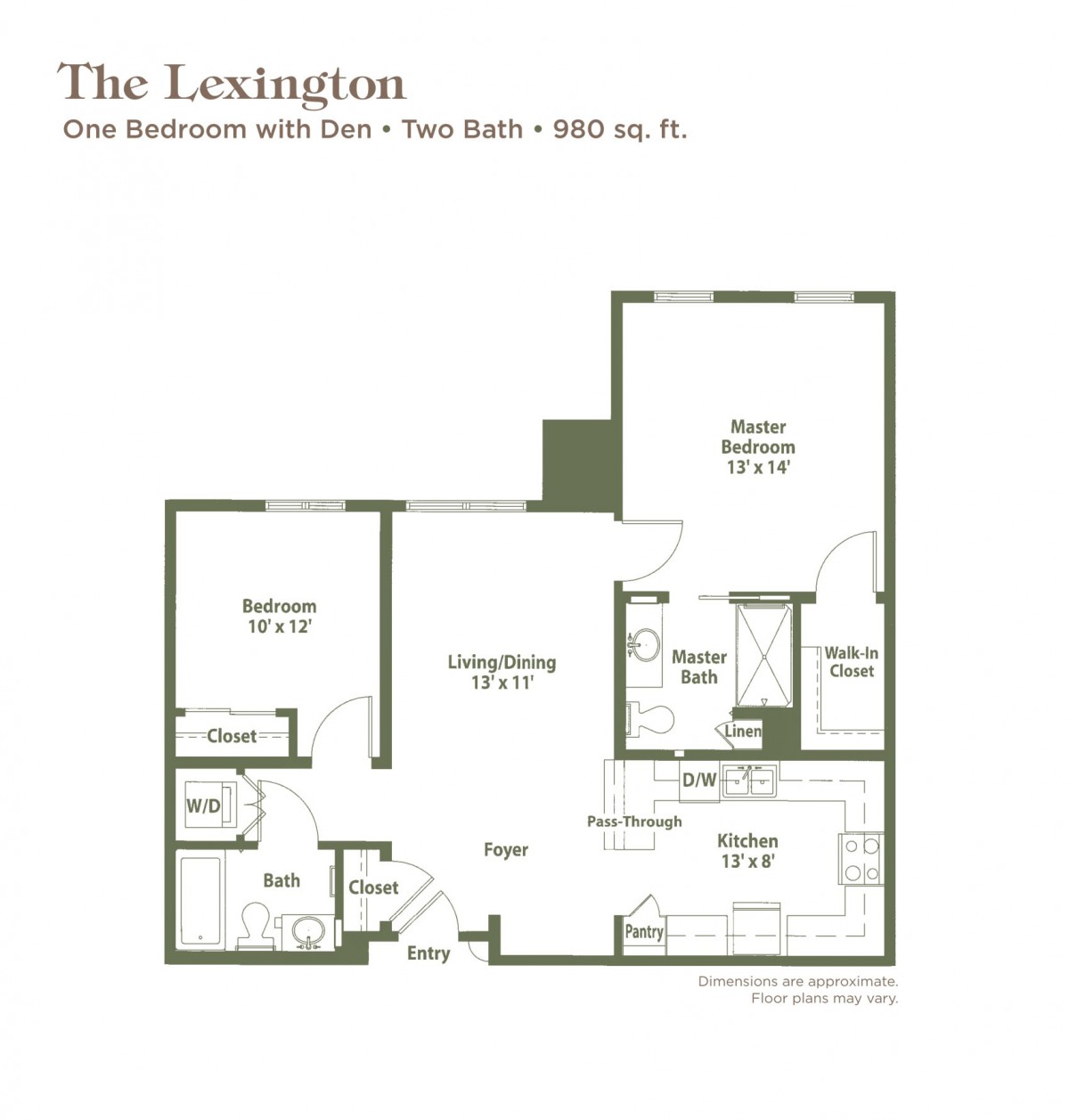
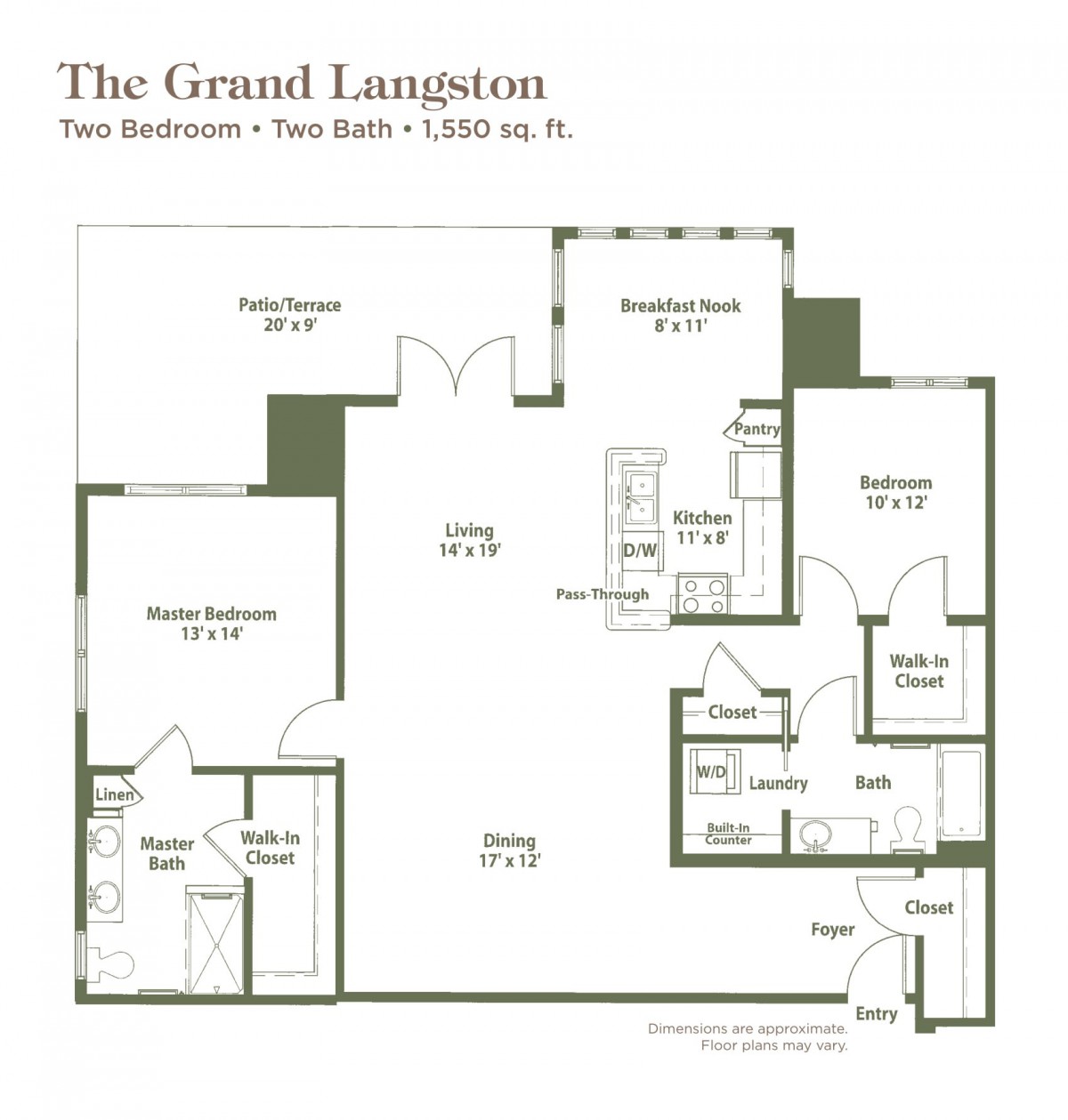
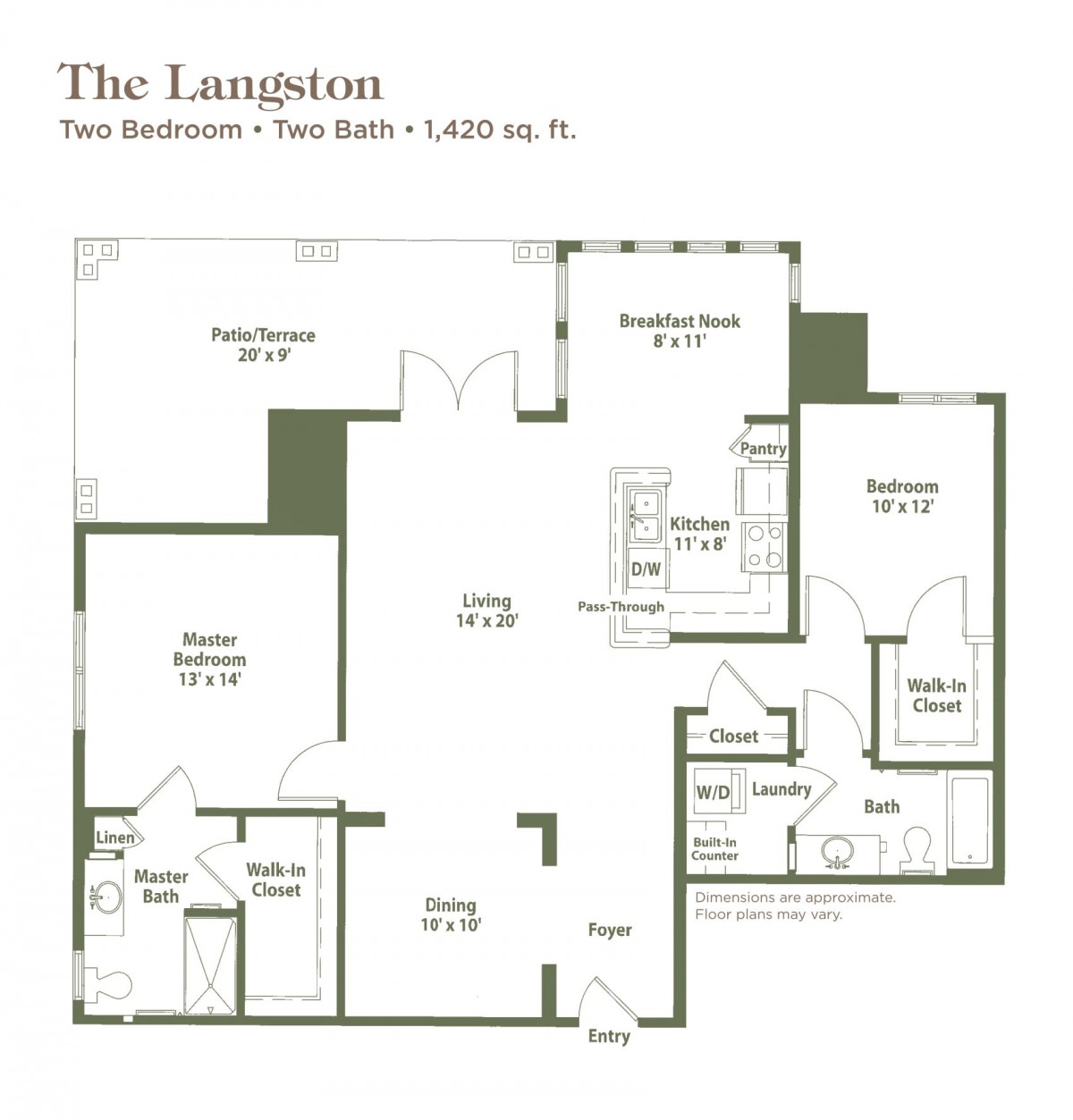
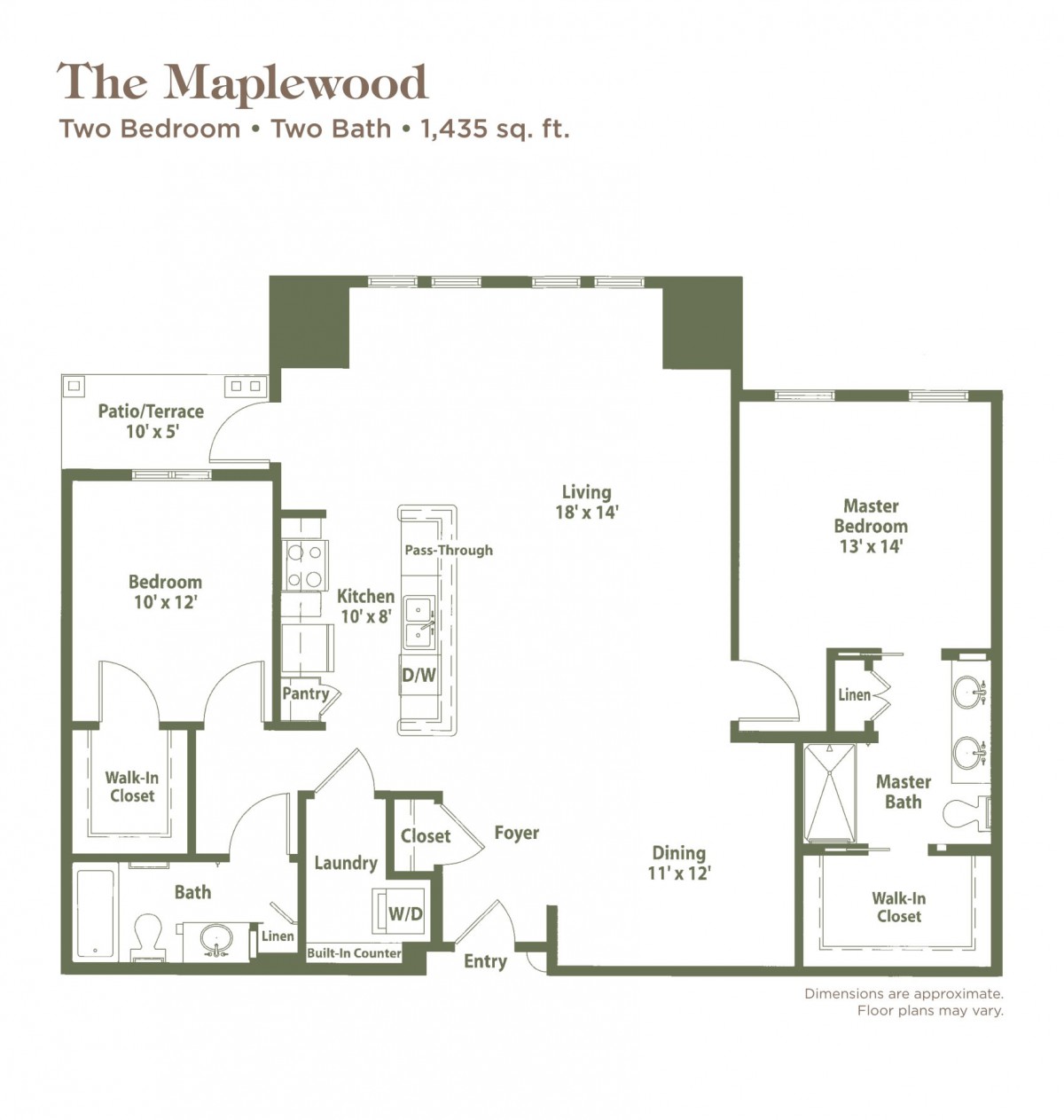
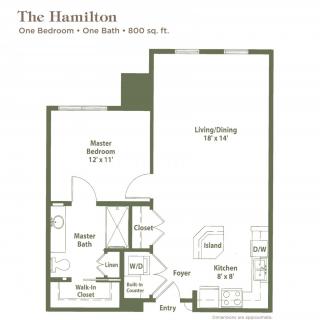
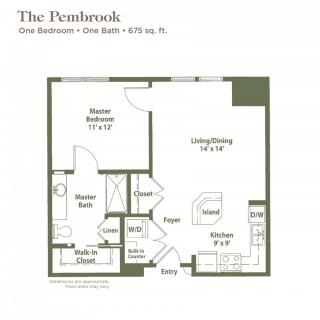
Floor plans
The Village at Gleannloch Farms, a CCRC
Harris County
Texas
1 Bedroom
$2,770
$4,027
$3,761
2 Bedrooms
$3,436
$4,574
$4,215
Semi-Private
$4,740
$3,518
$3,680
Studio
$6,226
$4,021
$3,758
Memory care communities with a similar price nearby
Overall Review of The Village at Gleannloch Farms, a CCRC
differentiator18 reviews mention this
Dining quality drives the praise
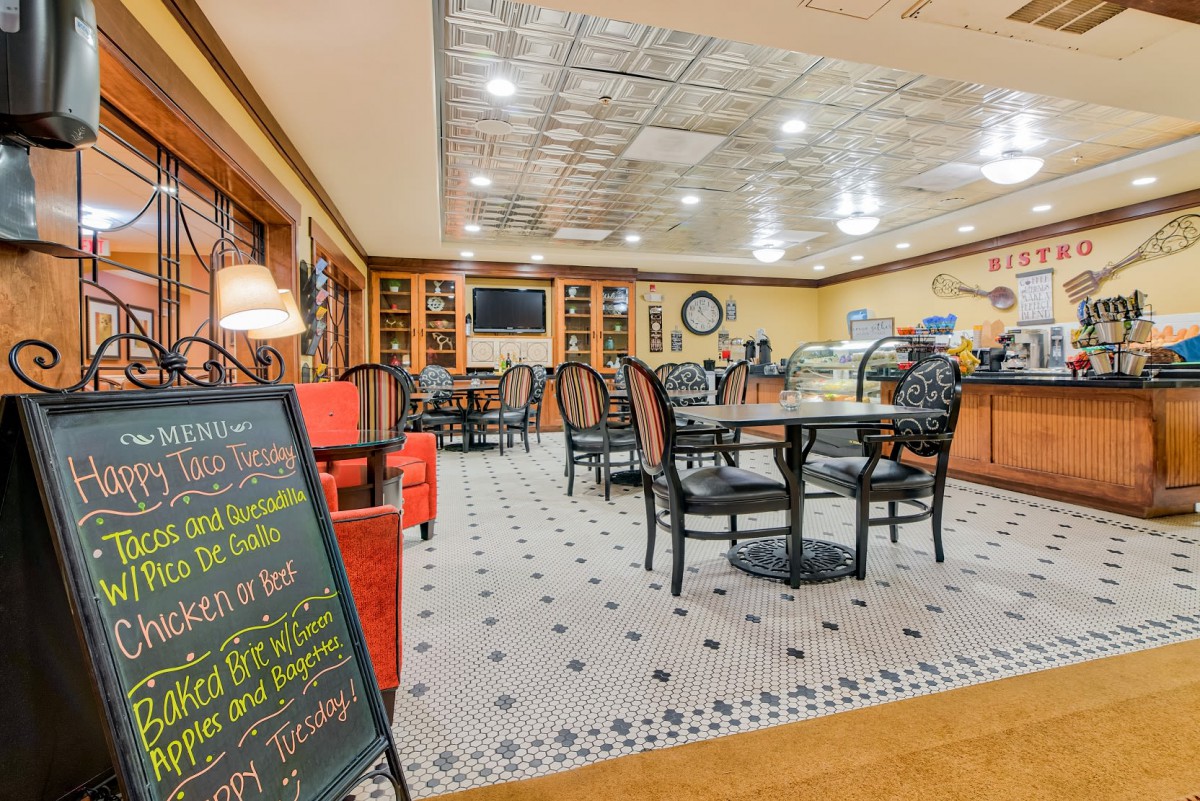
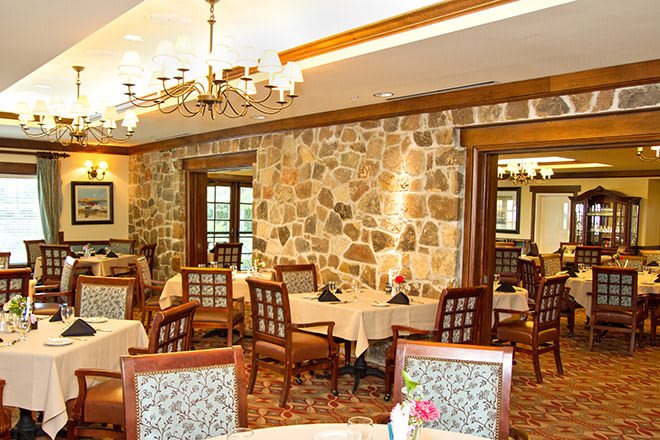
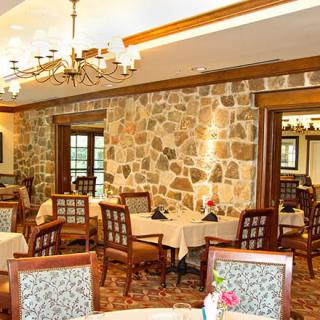
Meals are a consistent highlight, with residents praising both variety and taste.
Residents repeatedly describe the food as a major reason they enjoy day-to-day life here, often comparing it to restaurant-quality meals. Several mention rotating menus and frequent specials, plus good portioned options ranging from lighter items to more substantial entrees. The dining experience is also mentioned alongside hospitality from the wait staff, which helps make meals feel welcoming rather than rushed.
common12 reviews mention this
Activities keep life full
Activities and outings are plentiful, helping residents stay engaged.
Across the reviews, residents and families describe a busy calendar of events, classes, and group activities. People mention everything from devotional and educational programming to chair-based exercise and social gatherings. The community is also described as providing access to outings and on-site programming that varies by level of care.
common30 reviews mention this
Staff support is a major strength
Residents and families describe staff as consistently caring and responsive.
A common thread in the reviews is the way staff members treat residents with warmth, patience, and follow-through. Multiple people call out caregiving during transitions and changing needs, including skilled nursing and therapy periods after hospital stays. While most experiences are positive, a small number of reviews raise concerns about communication or specific staff interactions, which stands out as an exception to the broader pattern.
differentiator9 reviews mention this
On-site care spans multiple levels
Residents can access higher levels of care without leaving the community.
Families highlight that the community supports different stages of care, including assisted living, independent living, memory care, and skilled nursing. Reviews describing rehab and recovery emphasize therapy support and wound-care attention, with families crediting staff for progress during stays. There are also mentions of staying in the same community as care needs increase, which offers continuity for people moving between levels.
caveat5 reviews mention this
Pricing can feel restrictive
Cost comes up as a barrier for some families considering the move.
Several reviews reference financial fit as a deciding factor, including feeling priced out compared with alternatives and needing buy-in for independent living. One review also points out that ongoing monthly costs can feel high relative to what’s included. For families comparing options, that combination of fees and buy-in is a recurring consideration.
How we summarize
Counts show how many written reviews mention each theme; a review can touch several themes, and only frequently mentioned themes are displayed.
Features
Types of Care
Assisted Living
Independent Living
Memory Care
Pets
Cats allowed
Dogs allowed
Amenities
Activities off-site
Activities on-site
Air-conditioning
Bath tubs
Beautician on-site
Devotional services off-site
Devotional services on-site
Full kitchen
Ground floor units
Handicap accessible
Indoor common areas
Kitchenette
Outdoor common areas
Respite or short term stays offered
Swimming pool / hot tub
Wheelchair accessible showers
Wi-Fi/high-speed internet available
Transportation
George Bush Intercontinental (14 miles away)
Care Services
Ambulatory care
Diabetic care
High acuity care
Incontinence care
Dining
Gluten-free
Guest meals
Low / no sodium
Meals provided
No Sugar
Professional chef
Restaurant style dining
Vegetarian
Activities
Art classes
Catholic services
Cooking classes
Day trips and outings
Devotional activities offsite
Devotional activities on-site
Educational speakers / life long learning
Live well programs
Other religious services
Protestant services
Visiting chaplain or priest
Nearby Places of Interest
This part of Spring, Texas offers a range of amenities that may be appealing for senior living. There are several pharmacies located within a few miles of each other, making it convenient to access medications and healthcare services. Additionally, there are numerous parks in the area where seniors can enjoy outdoor activities and stay active. A variety of restaurants and cafes provide plenty of options for dining out or grabbing a coffee with friends. For medical care, there are several physicians' offices nearby, offering easy access to healthcare services. Places of worship are also available in the community for spiritual enrichment. Finally, hospitals and theaters are located within a reasonable distance for any additional needs or entertainment options.
Pharmacies
CVS Pharmacy (1 miles)
Walgreens (1.3 miles)
Walgreens (2.6 miles)
CVS Pharmacy (2.7 miles)
CVS Pharmacy (3 miles)
Walgreens (3 miles)
Walgreens (3.4 miles)
Parks
Oakwood Glen Park and Jogging Track (2.3 miles)
Burroughs Park (5.5 miles)
Matzke Park (6.1 miles)
Ponderosa Park (6.6 miles)
Dyess Soccer Fields (6.7 miles)
Tupelo Park, Creekside Village (7 miles)
Restaurants
Little Woodrows (2.5 miles)
McDonald's (2.7 miles)
Whataburger (3.1 miles)
Los Cucos (3.2 miles)
Walk-On's Sports Bistreaux - Spring Restaurant (3.3 miles)
Black Walnut Cafe (3.7 miles)
Mo's Irish Pub (3.8 miles)
Physicians
Affinity Medical Associates Clinic (2.8 miles)
Spring Dermatology (3.2 miles)
Sterling Ridge Orthopaedics & Sports Medicine (3.4 miles)
The Village at Gleannloch Farms offers a range of competitive pricing for its residents, particularly when compared to the broader context of Harris County and the state of Texas. For instance, a one-bedroom unit is priced at $2,770, which stands out as significantly lower than the county average of $4,027 and the state average of $3,761. Similarly, two-bedroom apartments are available at $3,436 - again more affordable than both county ($4,574) and state ($4,215) figures. However, it's important to note that the costs for semi-private rooms and studios diverge from this trend; priced at $4,740 for semi-private accommodations and an elevated $6,226 for studios, these options exceed both county and state averages. Overall, The Village at Gleannloch Farms provides attractive pricing for many room types while remaining competitive in the local market landscape.
Incontinence care at The Village at Gleannloch Farms is designed to promote dignity and comfort for residents experiencing memory-related challenges. The facility provides specialized training for staff to effectively address the unique needs of individuals with dementia or Alzheimer's, ensuring that incontinence issues are managed discreetly and compassionately. This support not only alleviates physical discomfort but also fosters a sense of security and well-being among residents. By employing individualized care plans, staff can respond promptly to incontinence needs, reducing anxiety and confusion often associated with such conditions. Additionally, the use of appropriate products and maintaining hygiene standards helps to create an environment where residents feel respected and cared for, ultimately enhancing their quality of life during this sensitive time.
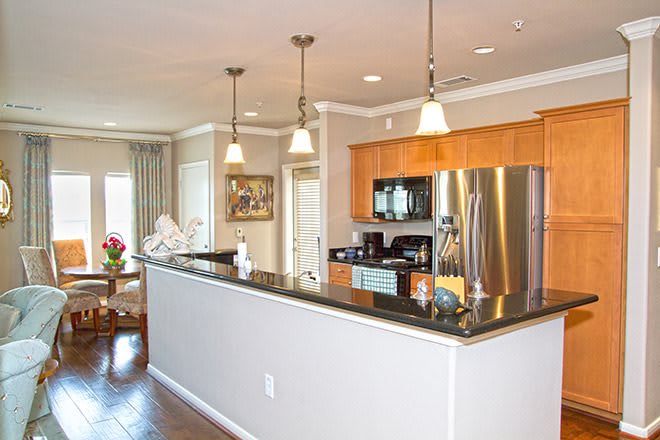
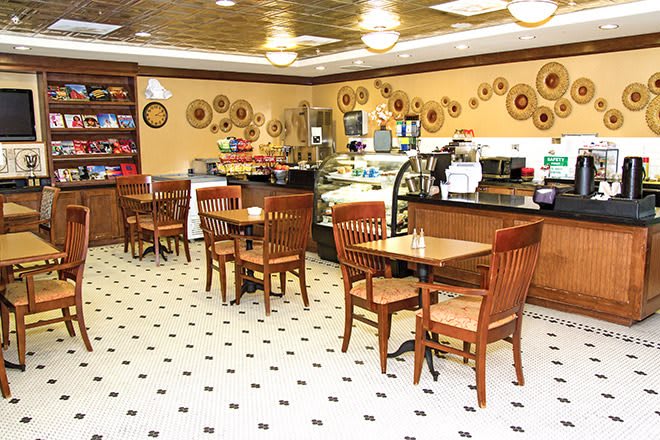
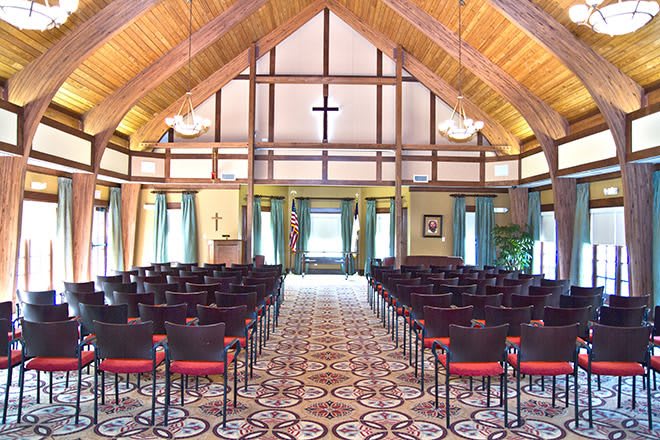
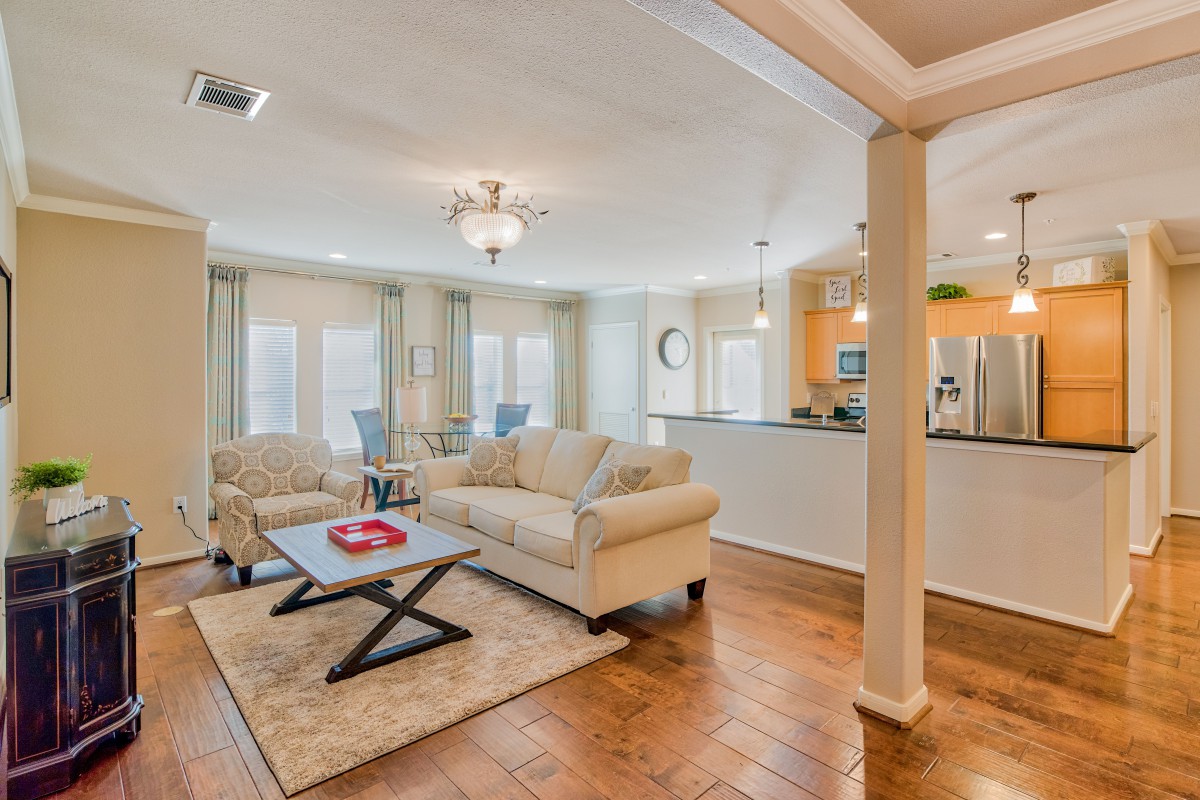
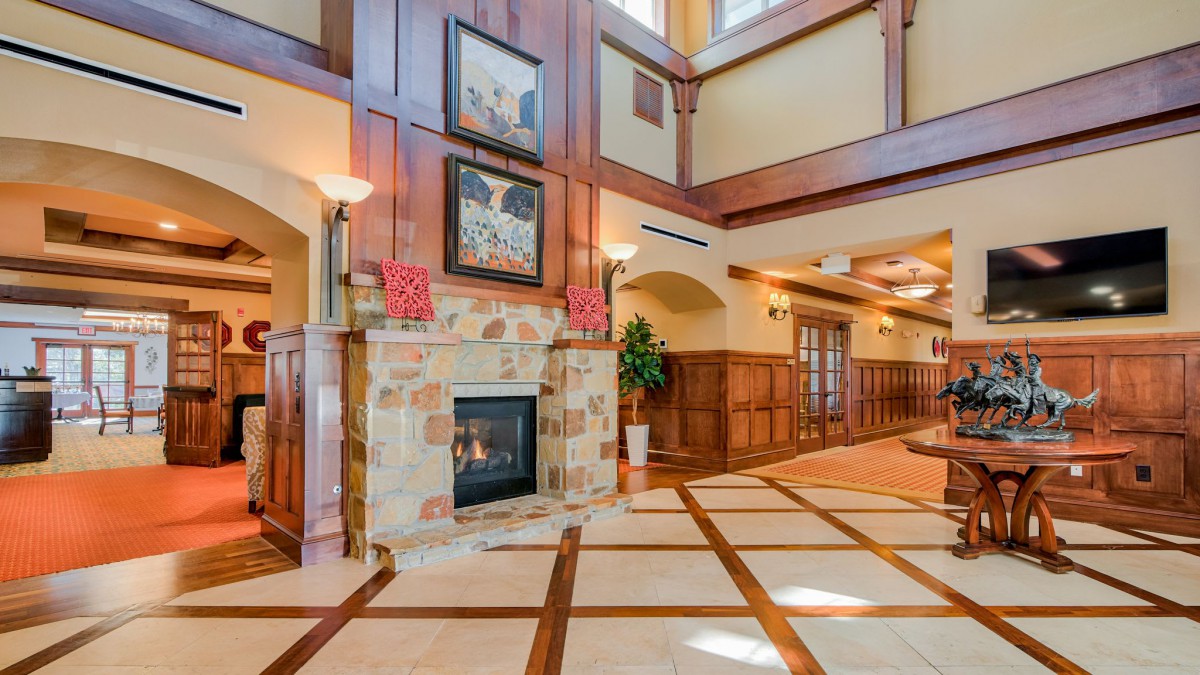
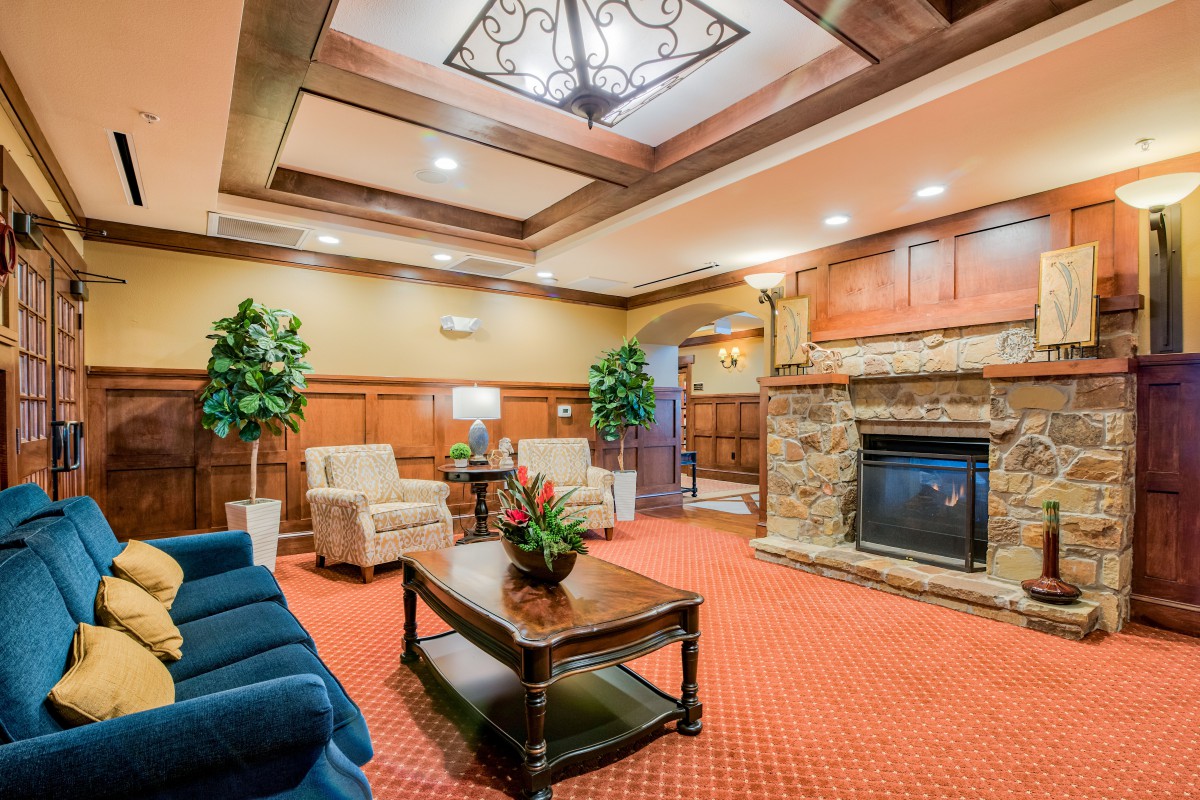
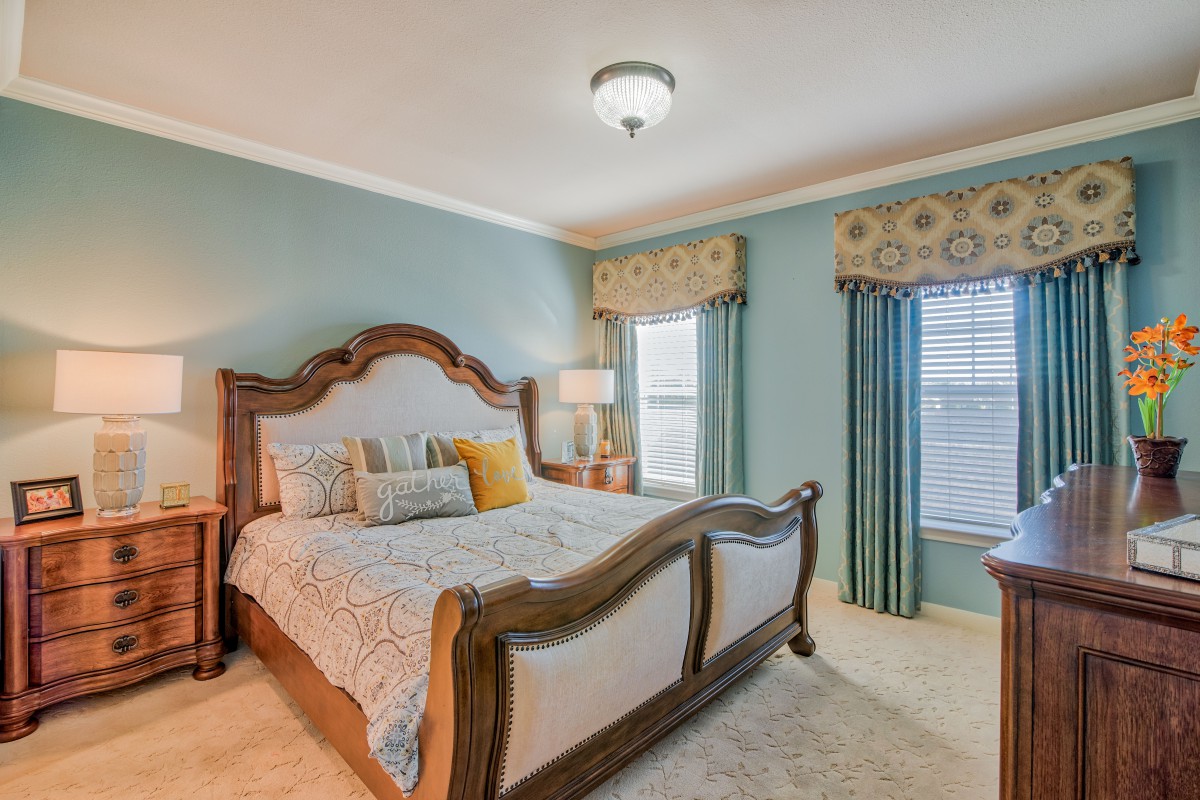
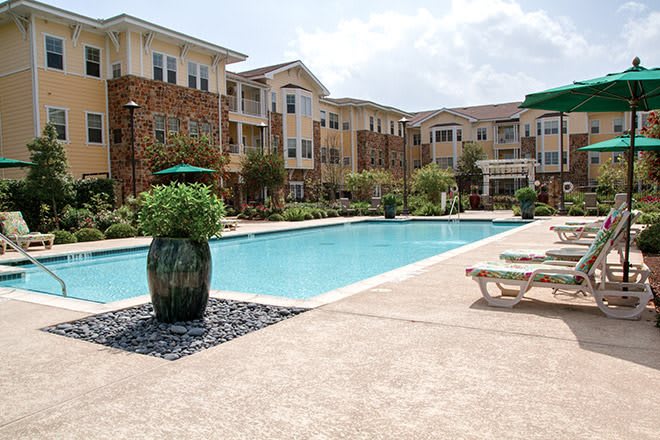
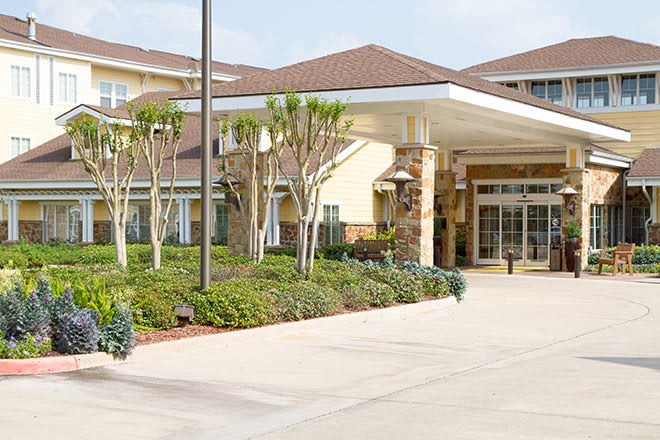
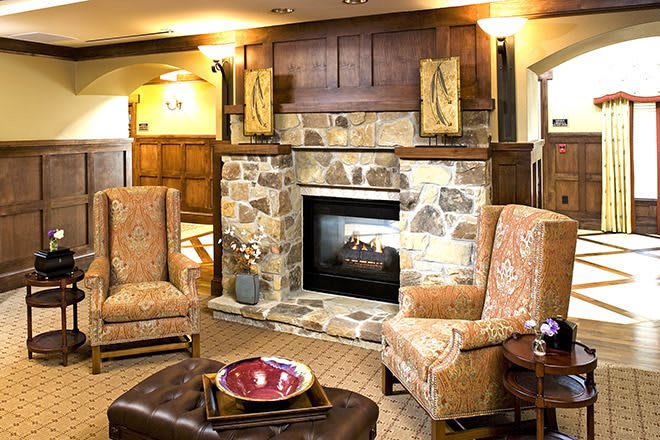
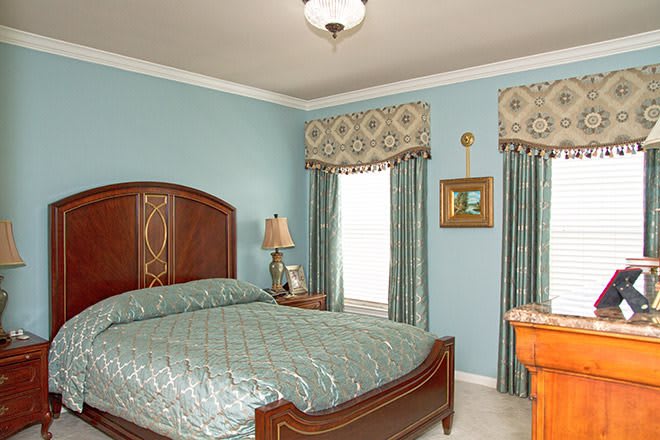
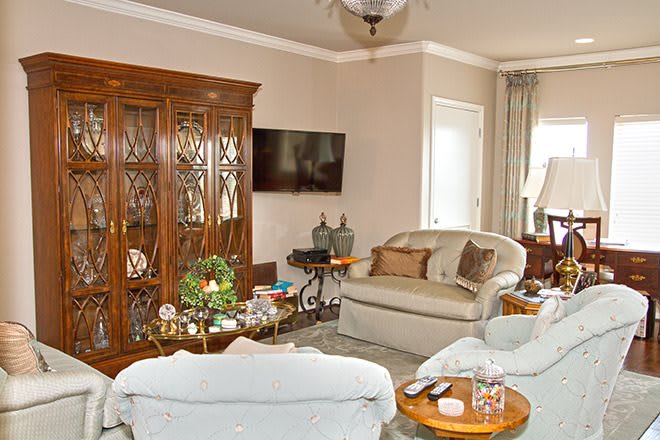
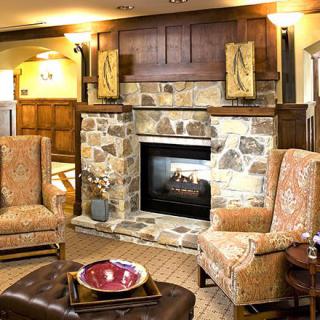
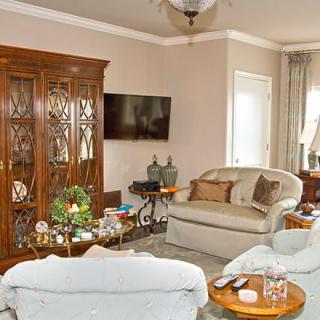
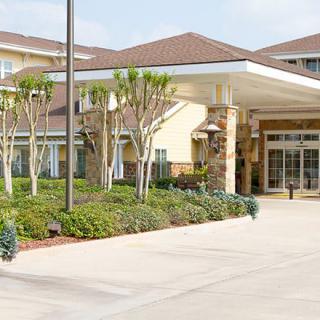
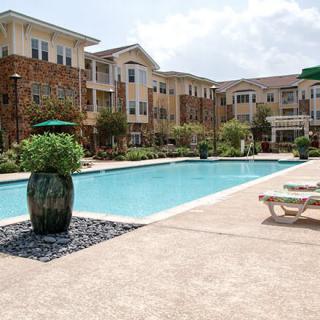
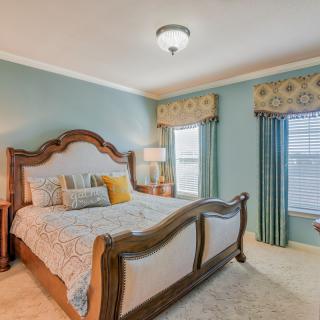
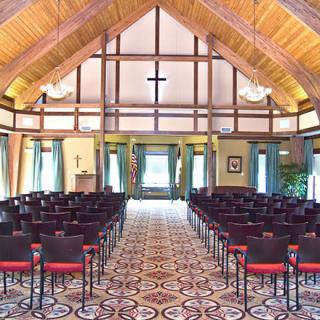
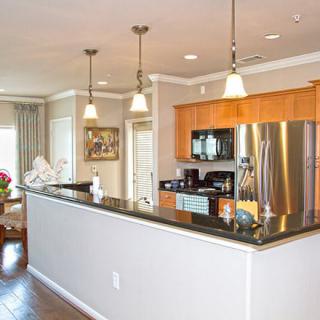
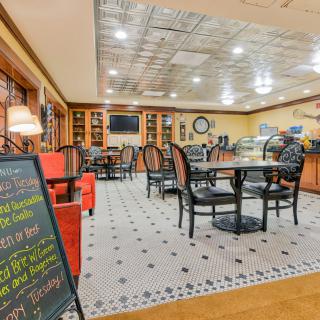
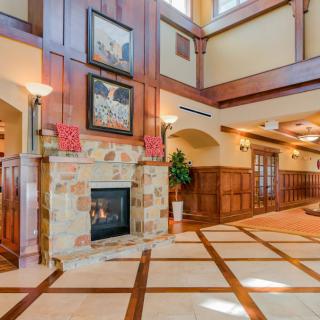
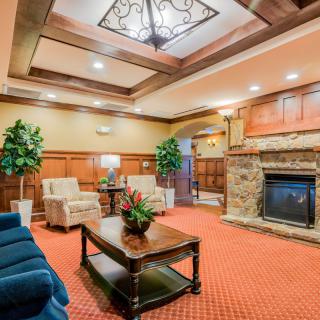
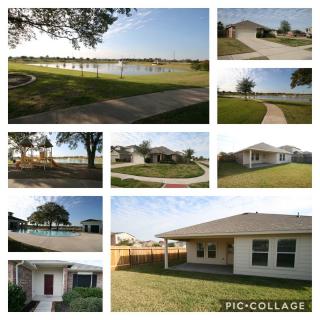
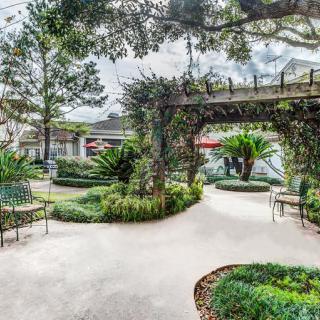
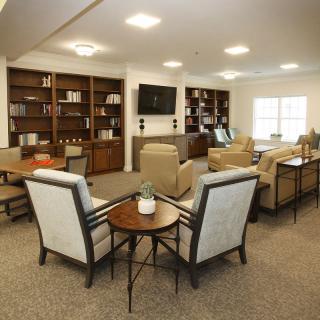
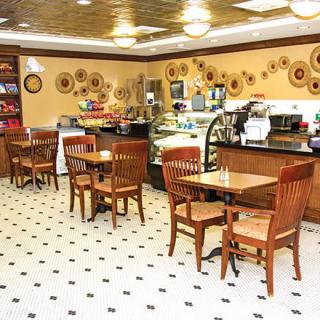
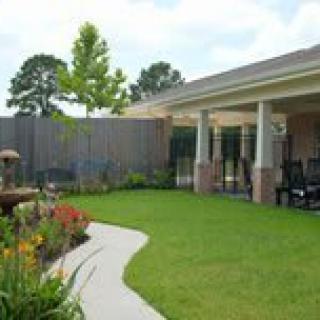
The Village at Gleannloch Farms, a CCRC on seniors.fyi includes 27 photos including images showing floor plan, interior, bedroom, living room, architecture, dining, kitchen, decor, and more.
Nearby Communities
The Village At Gleannloch Farms
Spring, TX
4.8 from 116 reviews
Comprehensive continuum of care (CCRC) with extensive on-site amenities
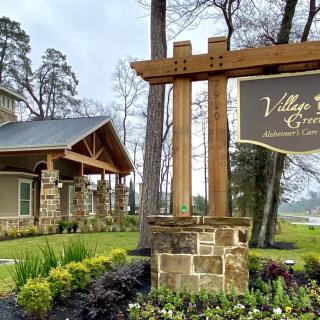
Village Green Alzheimer'S Care Home II
Spring, TX
4.4 from 21 reviews
Small, intimate memory care community with 24/7 supervision and specialized dementia programming.
Willow Care Cottages
Spring, TX
4.8 from 16 reviews
$4,900 / month
Compassionate, attentive staff in a clean, home-like setting with engaging activities.
Wind Pine Senior Living
Tomball, TX
5 from 6 reviews
Comprehensive care with 24/7 supervision, meals, housekeeping, and medical transportation.
Northgate 2 Assisted Living
Tomball, TX
5 from 21 reviews
$3,000 to $3,500 / month
High caregiver-to-resident ratio and a warm, home-like atmosphere.
Village Green Alzheimer's Care Home Woodlands
Spring, TX
4.4 from 27 reviews
$6,250 / month
Friendly staff in a smaller, more personalized care setting.
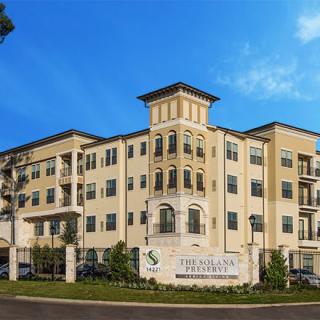
The Solana Preserve Vintage Park
Houston, TX
4.8 from 75 reviews
$4,030 to $5,365 / month
Friendly, attentive staff in a beautiful, activity-rich community.
Novellus Cypresswood
Spring, TX
4.4 from 93 reviews
$3,695 to $6,790 / month
Friendly staff and engaging activities in a clean, intimate setting.
Park Manor Of Tomball
Tomball, TX
3.8 from 143 reviews
Some staff are compassionate and communicate well, with positive notes on therapy outcomes.
The guide on holistic dementia care outlines the complexity of dementia and stresses the need for individualized caregiver strategies that include medical treatment, psychological support, and environmental adaptations, while emphasizing early detection, various therapeutic options, and caregiver support to enhance quality of life and maintain dignity.
"Memory Care Pathways: A Holistic Guide to Dementia Support" outlines the complexities of dementia and its various types, emphasizing early detection, patient-centered care strategies, caregiver support, and long-term care options while addressing legal and financial considerations to enhance the quality of life for individuals with dementia and their families.
Sundown syndrome, or sundowning, is a phenomenon in dementia patients characterized by increased confusion and agitation during late afternoon and evening, influenced by factors like disrupted circadian rhythms and fatigue. Effective caregiver strategies include establishing routines and managing environmental light while addressing caregiver stress through support services.
Get PricingAsk A QuestionSchedule A TourContact Senior Advisor
By clicking submit, you agree to our Partner's Terms of Use. You
also consent to receive calls and texts, which may be autodialed, from our Partner. Your consent is not a condition to
using our Partner's service. Please visit our Partner's Privacy Policy for information about their privacy practices.



 Assisted Living
 Independent Living
 Memory Care
 Cats allowed
 Dogs allowed
 Activities off-site
 Air-conditioning
 Bath tubs
 Beautician on-site
 Devotional services off-site
 Full kitchen
 Ground floor units
 Handicap accessible
 Indoor common areas
 Outdoor common areas
 Respite or short term stays offered
 Swimming pool / hot tub
 Wheelchair accessible showers
 Wi-Fi/high-speed internet available
 George Bush Intercontinental (14 miles away)
 Ambulatory care
 Diabetic care
 High acuity care
 Incontinence care
 Gluten-free
 Art classes
 Catholic services
 Cooking classes
 Day trips and outings
 Educational speakers / life long learning
 Live well programs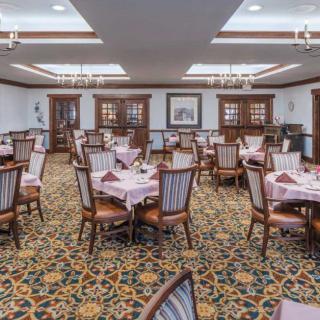
 Comprehensive continuum of care (CCRC) with extensive on-site amenities

 A Holistic Dementia Care Guide: Effective Strategies for Memory Support
 Memory Care Pathways: A Holistic Guide to Dementia Support
 Comprehending Evening Confusion in Dementia: Causes, Manifestations, and Support