The Village At The Woodlands Waterway Costs & Pricing
The Village at The Woodlands Waterway offers a range of living accommodations with monthly costs that reflect the premium amenities and services provided. For a one-bedroom unit, residents can expect to pay between $3,900 and $5,095, which is competitively positioned against Montgomery County's average of $4,089 and Texas's average of $3,761. Studios at this community start at $4,095 and go up to $5,250, surpassing both county and state averages slightly. Two-bedroom options are priced at a flat rate of $5,050, which is above the county's average of $4,014 but somewhat lower than Texas's average of $4,215. Additionally, the semi-private rooms are available for $6,300 - a significant increase compared to Montgomery County's average of $3,664 and Texas's statewide figure of $3,680. Overall, while The Village at The Woodlands Waterway is higher than local and state averages in most categories, it reflects its commitment to high-quality living standards in a desirable location.
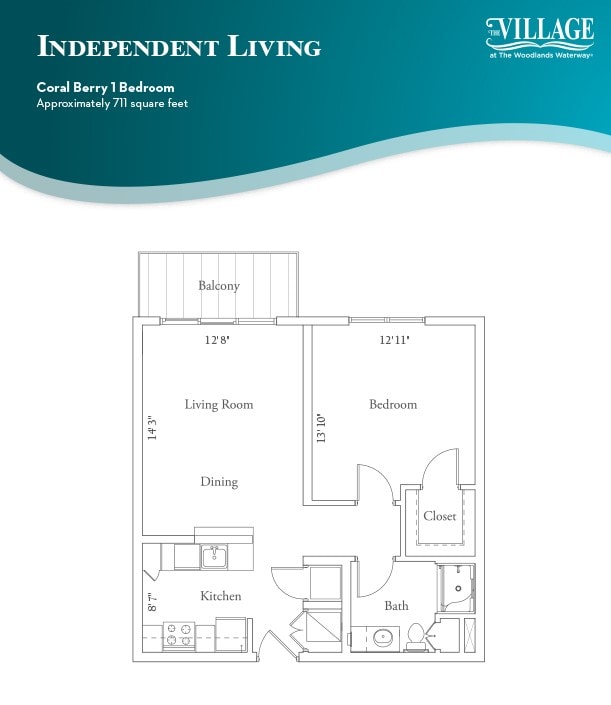
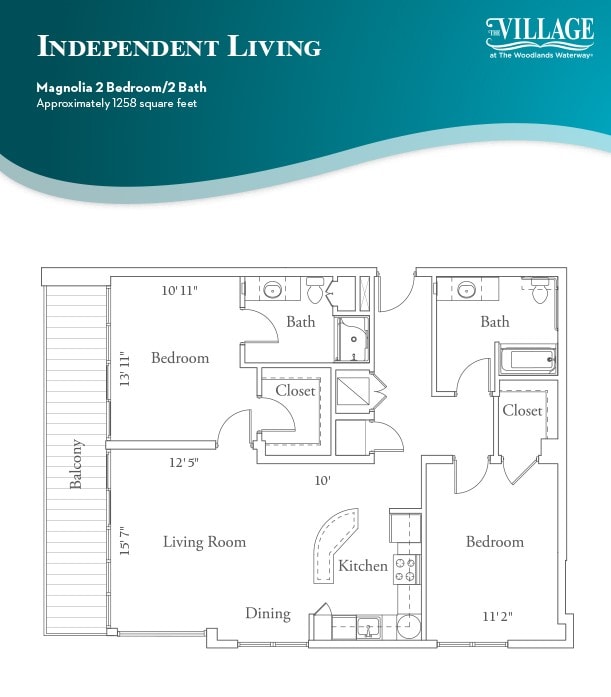
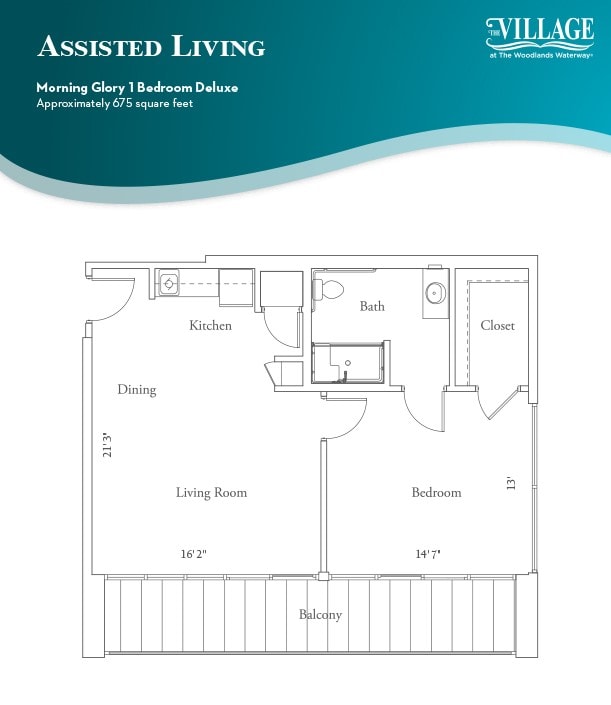
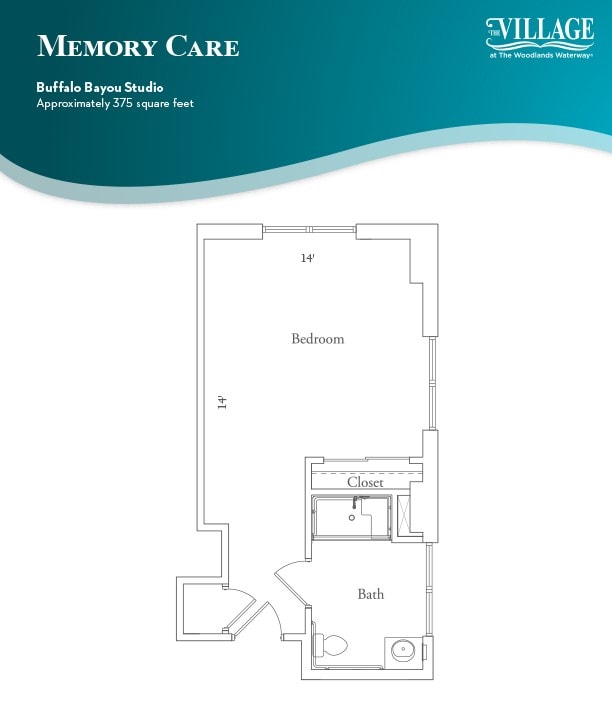
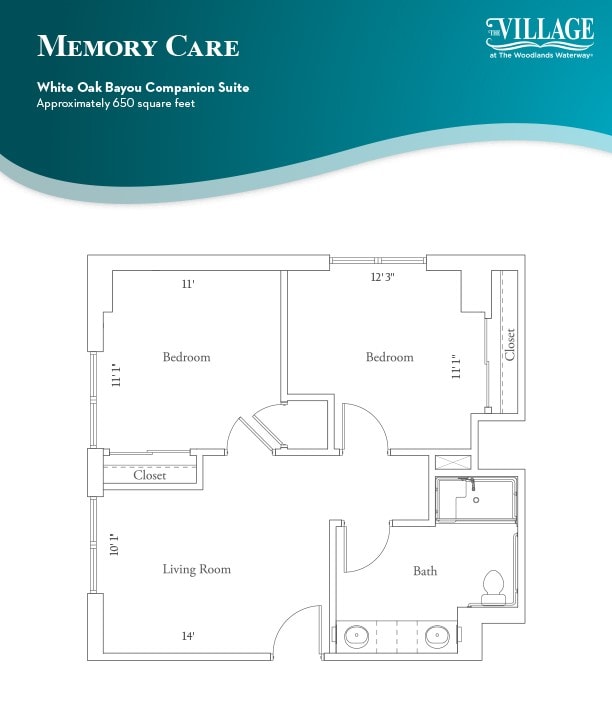
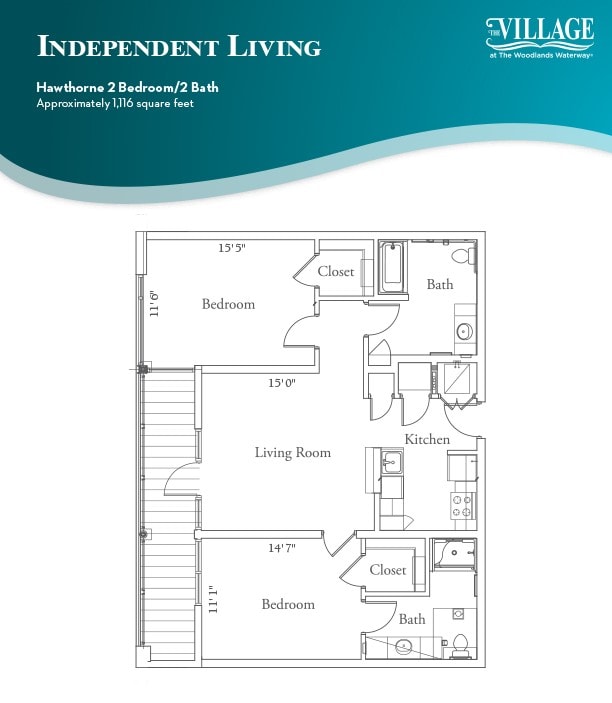
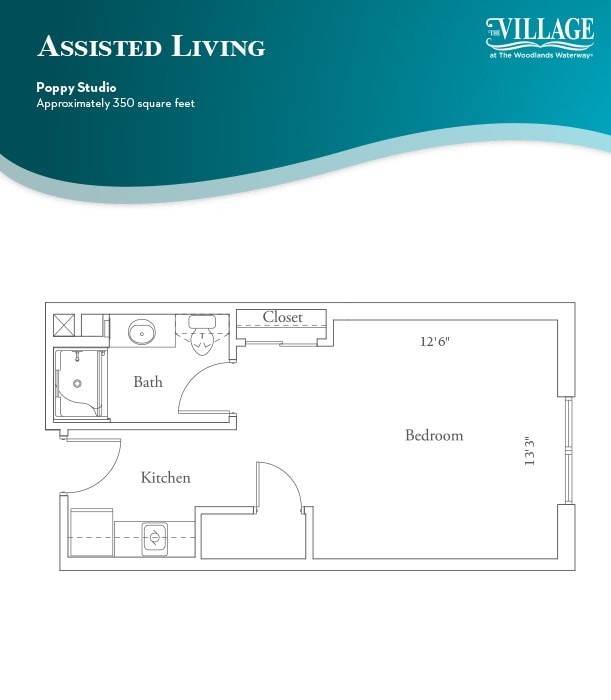
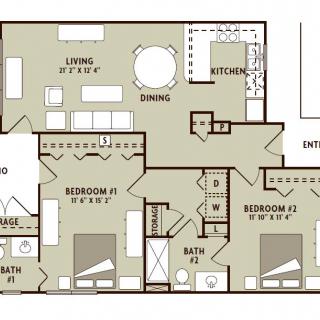
Floor plans
The Village At The Woodlands Waterway
Montgomery County
Texas
1 Bedroom
$3,900 to $5,095
$4,089
$3,761
Studio
$4,095 to $5,250
$3,939
$3,758
2 Bedrooms
$5,050
$4,014
$4,215
Semi-Private
$6,300
$3,664
$3,680
Assisted Living communities with a similar price nearby
Overall Review of The Village At The Woodlands Waterway
common
Staff kindness and responsiveness stand out
Residents and families repeatedly describe staff who respond and care.
Across reviews, families describe staff as friendly, attentive, and reassuring during transitions and day-to-day needs. Multiple comments mention that staff keep families informed and follow through on questions, not just at move-in. In memory care, reviewers specifically single out leaders and caregivers as patient, respectful, and consistently available. Even residents describe staff as helpful and quick to step in when assistance is needed.
differentiator
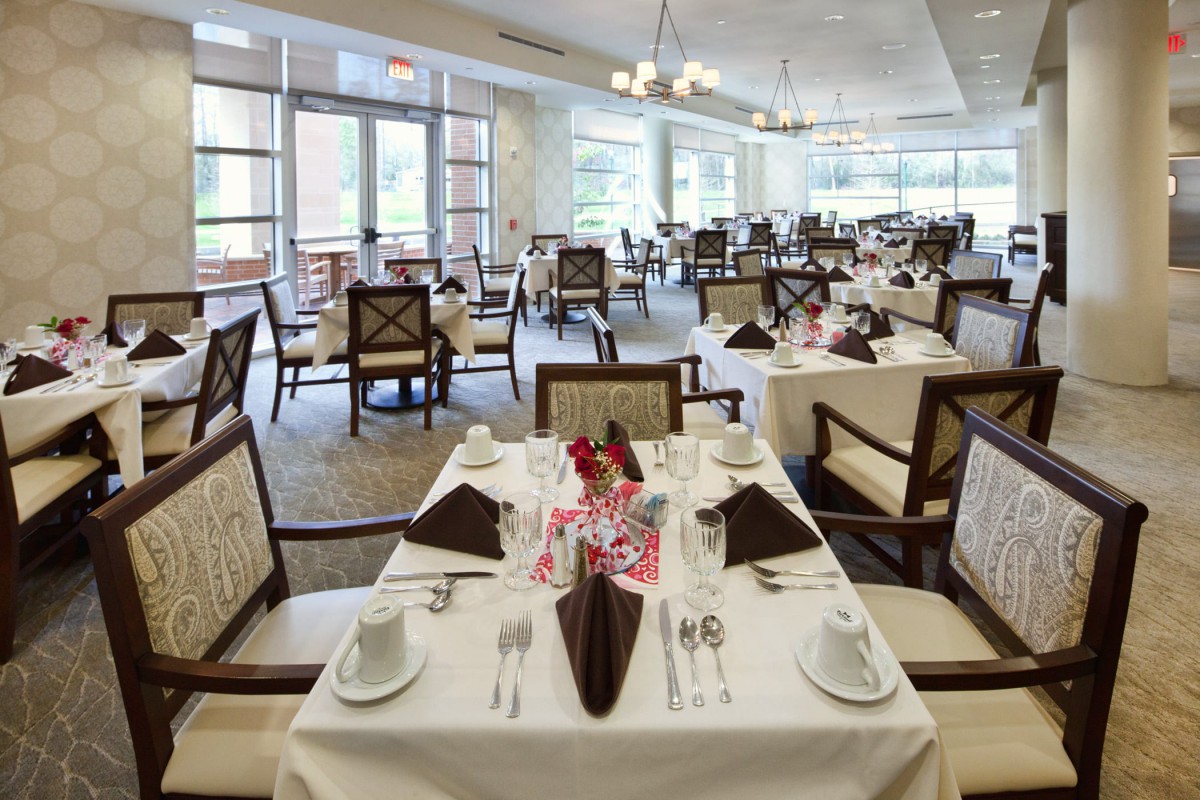
Dining feels restaurant-like
Dining is repeatedly praised as restaurant-style and accommodating.
Reviews frequently highlight the quality of the meals and a dining experience that feels closer to a restaurant than a cafeteria. Several residents and families describe hot, well-prepared food and attentive meal service. Memory care and dietary needs are also mentioned, with families saying the kitchen accommodates restrictions. The menu format is described as more personalized than typical senior dining in at least some reviews.
differentiator
Memory care gets named leaders
Memory care support is a standout theme with named staff.
Families looking for memory care describe the experience as reassuring and safety-focused, with caregivers who treat residents with respect and patience. Several reviews name the memory care director and describe her as available, attentive, and personally invested. Other reviewers also describe ongoing updates to families about changes in care, and they mention residents enjoying structured activities. While the broader community is discussed positively, the memory care unit leadership is a repeated point of praise.
common
On-site activities help residents stay engaged
Residents describe frequent activities and scheduled social time.
Many reviews mention a steady rhythm of activities, including group events, classes, and outings. Families also describe day-to-day engagement like daily schedules and social hours, not just occasional events. A few reviewers mention specific interest in music programs and resident-friendly activities, including games and crafts. The community is also described as supportive of resident participation, with families feeling their loved ones have options to stay involved.
common
Location and walkability are major advantages
The waterfront setting and nearby access are frequently cited as convenient.
Reviews commonly emphasize the waterway views and the sense of a pleasant environment around the property. Families also describe easy access to local shopping, entertainment, and everyday destinations, including the ability to walk to nearby areas. Multiple comments mention transportation options that reduce the need to drive, including scheduled rides and a trolley-style shuttle. Several reviews frame this as part of why visits feel easy for family members and why residents can get around more independently.
caveat
Construction, parking, and outdoor limits
Some reviews cite disruptions and limits with parking and outdoor space.
A recurring negative theme is ongoing construction and repair activity, with reviewers describing noise and barriers that affected normal use of balconies and views. Parking is also mentioned as challenging, including limited guest parking in some reviews. For outdoor space, at least a few reviewers express disappointment that outdoor areas are limited for certain levels of care, with alternatives like balconies rather than shared outdoor grounds. Overall, these issues show up alongside otherwise positive impressions of cleanliness and staff.
How we summarize
We summarize when many written reviews mention each theme; a review can touch several themes, and only frequently mentioned themes are displayed.
The Village at The Woodlands Waterway offers a range of living accommodations with monthly costs that reflect the premium amenities and services provided. For a one-bedroom unit, residents can expect to pay between $3,900 and $5,095, which is competitively positioned against Montgomery County's average of $4,089 and Texas's average of $3,761. Studios at this community start at $4,095 and go up to $5,250, surpassing both county and state averages slightly. Two-bedroom options are priced at a flat rate of $5,050, which is above the county's average of $4,014 but somewhat lower than Texas's average of $4,215. Additionally, the semi-private rooms are available for $6,300 - a significant increase compared to Montgomery County's average of $3,664 and Texas's statewide figure of $3,680. Overall, while The Village at The Woodlands Waterway is higher than local and state averages in most categories, it reflects its commitment to high-quality living standards in a desirable location.
The Village At The Woodlands Waterway offers a comprehensive range of features tailored to support residents with dementia or Alzheimer's disease, ensuring a secure and nurturing environment. With 24-hour supervision, residents benefit from constant vigilance that enhances their safety and gives families peace of mind. Assistance with activities of daily living, including bathing, dressing, and transfers, promotes dignity while accommodating individual needs. Coordination with healthcare providers facilitates holistic health management, encompassing medication management and incontinence care that addresses both physical and emotional well-being. Meal preparation and service ensure nutritious options are readily available, which is vital for maintaining overall health. Specialized memory care programming fosters cognitive engagement through tailored activities designed to stimulate mental wellness, supported by physical therapy to maintain mobility. Additionally, transportation arrangements for medical appointments streamline access to essential healthcare services. This multifaceted approach effectively addresses the complexities of memory care while enhancing the quality of life for residents at various stages of cognitive impairment.
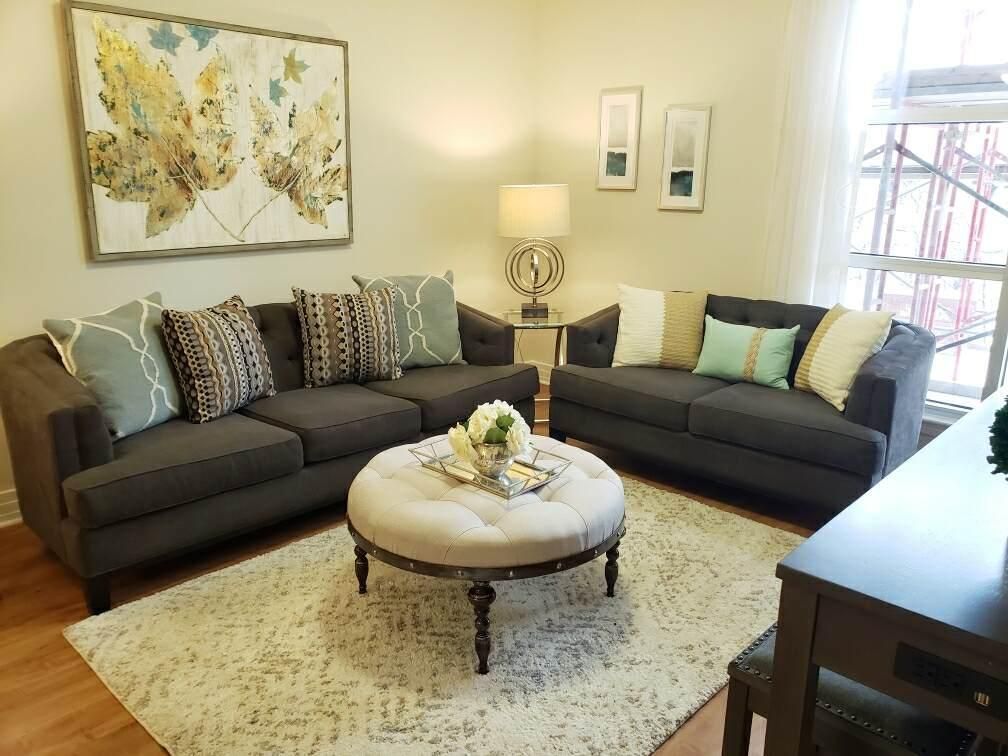
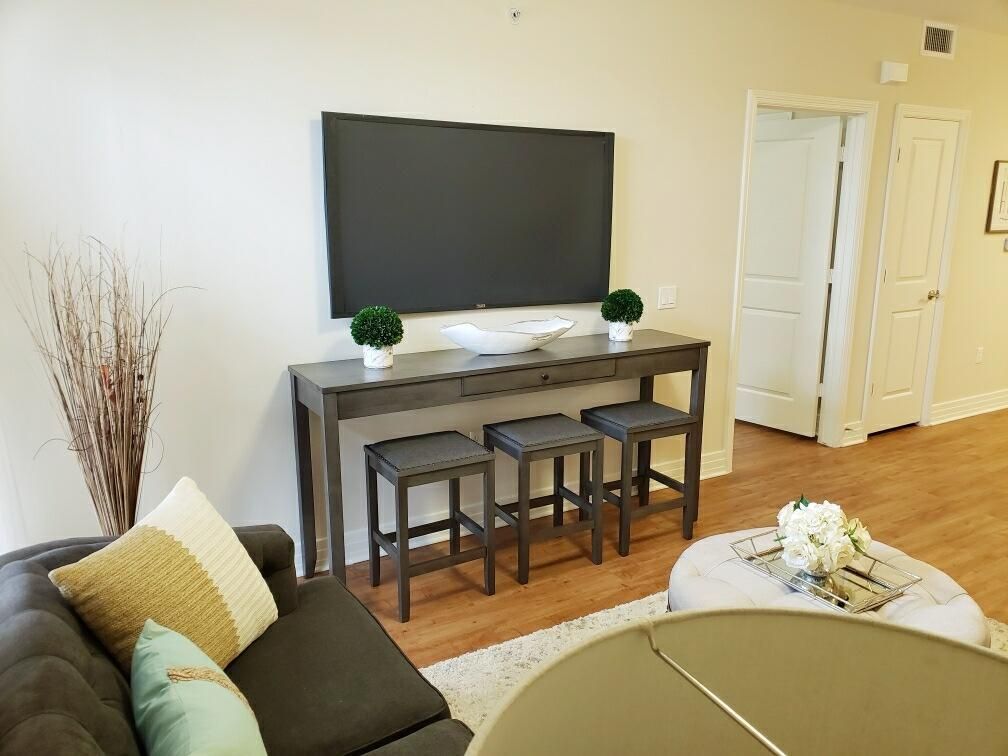
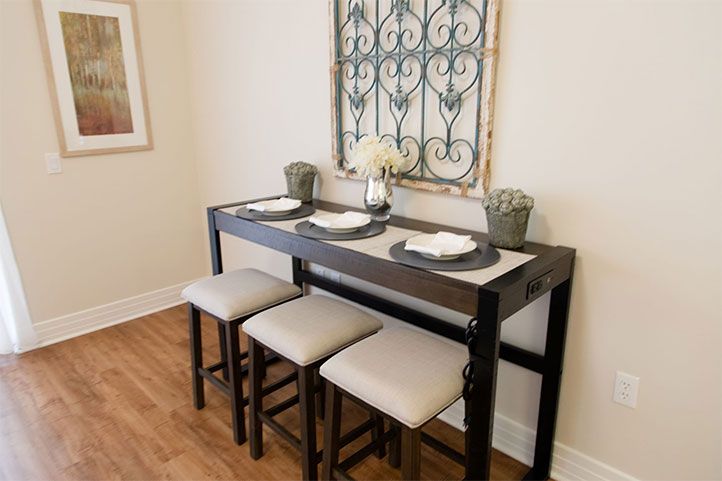
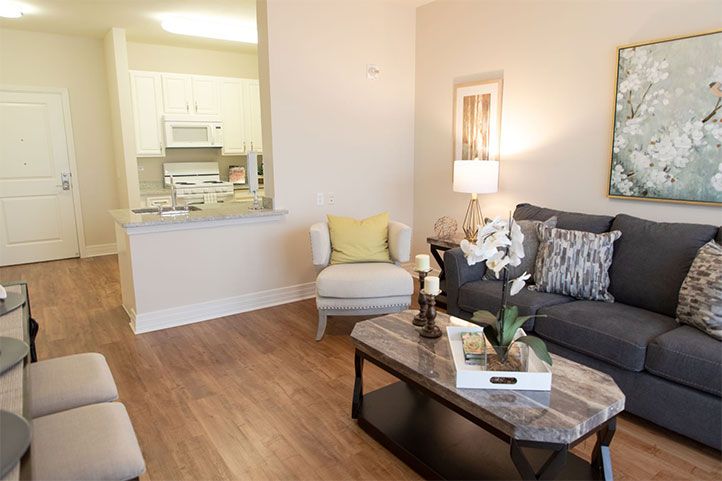
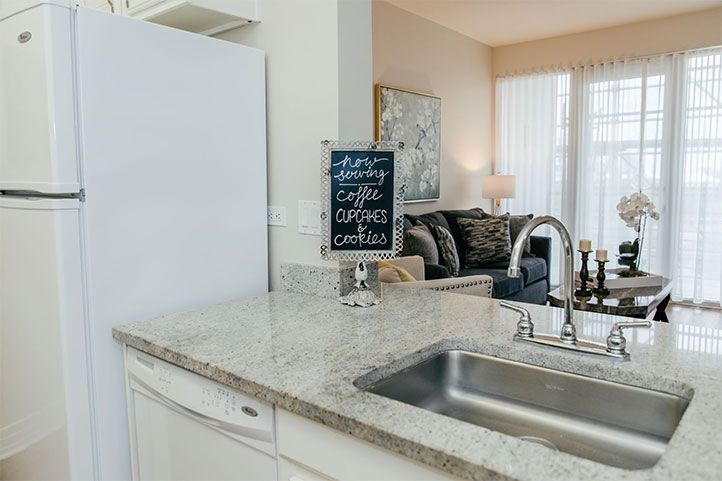
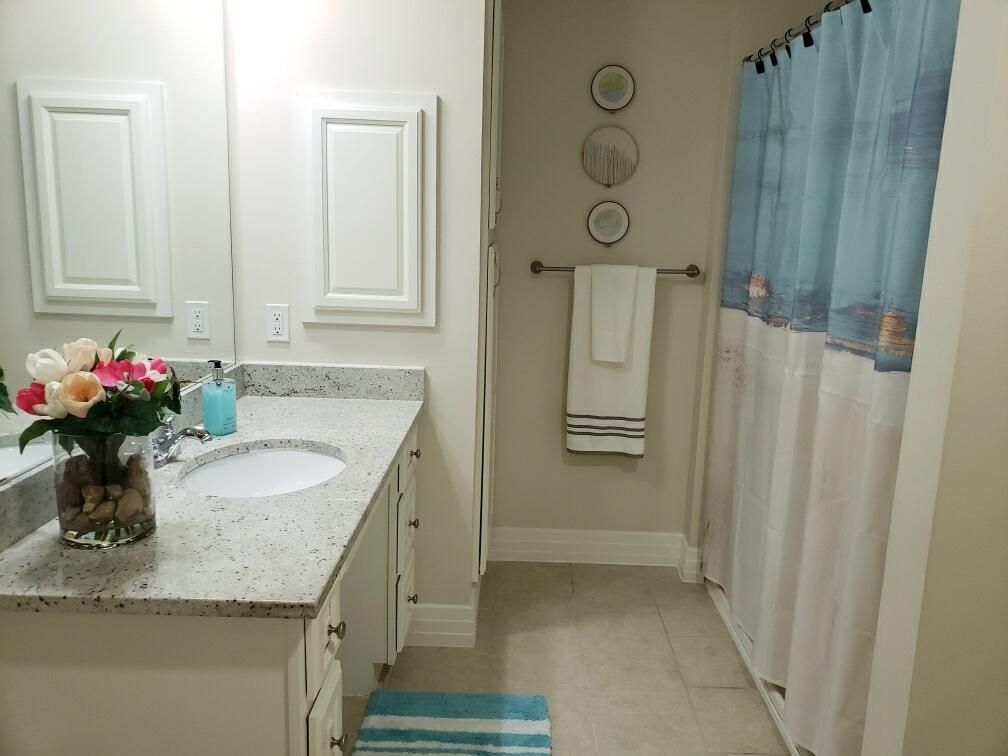
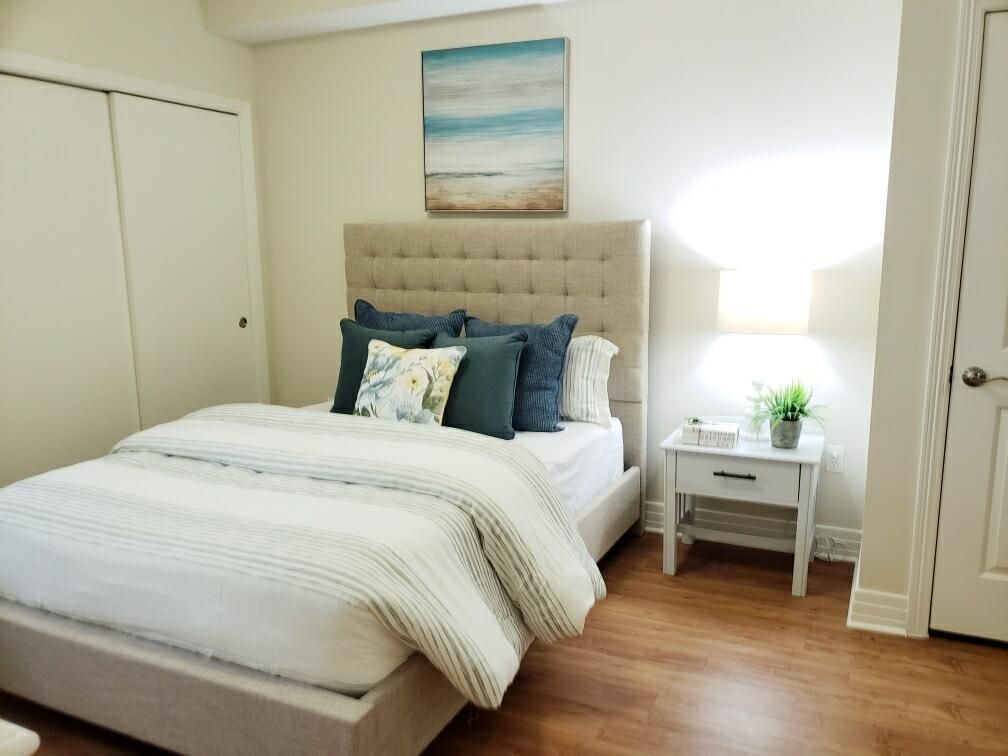
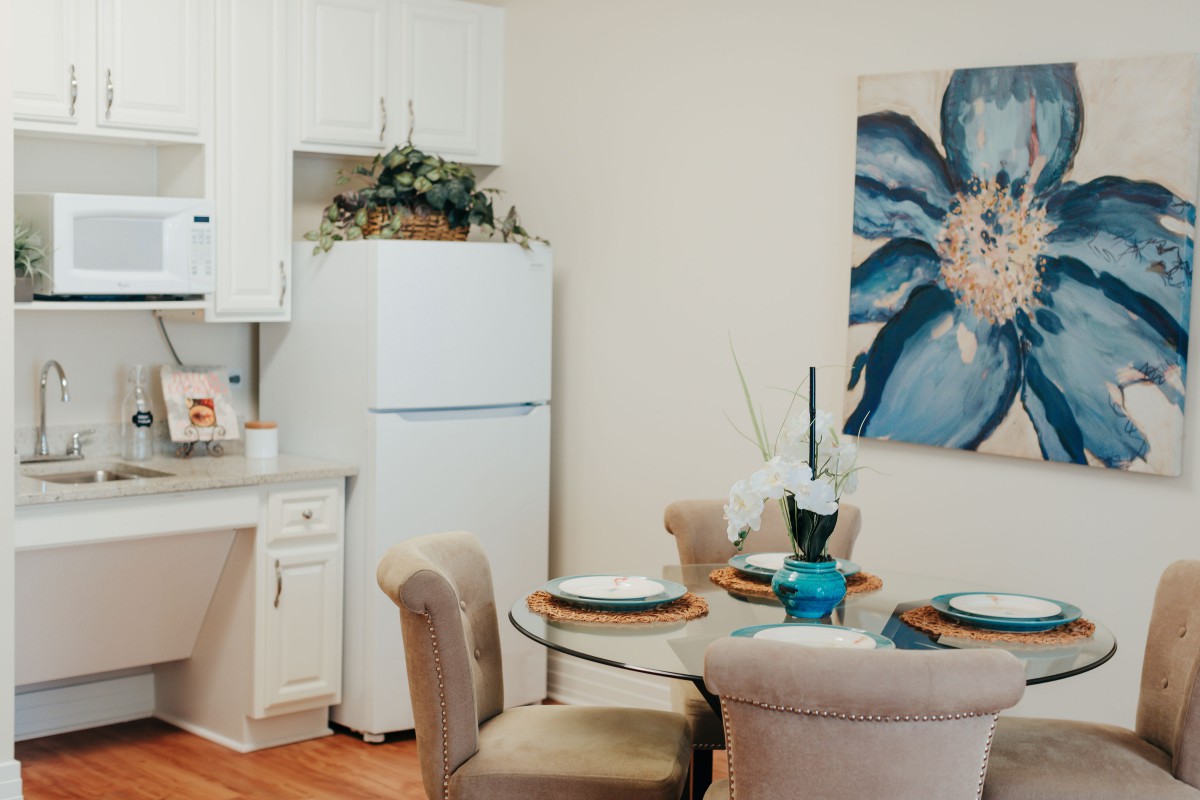
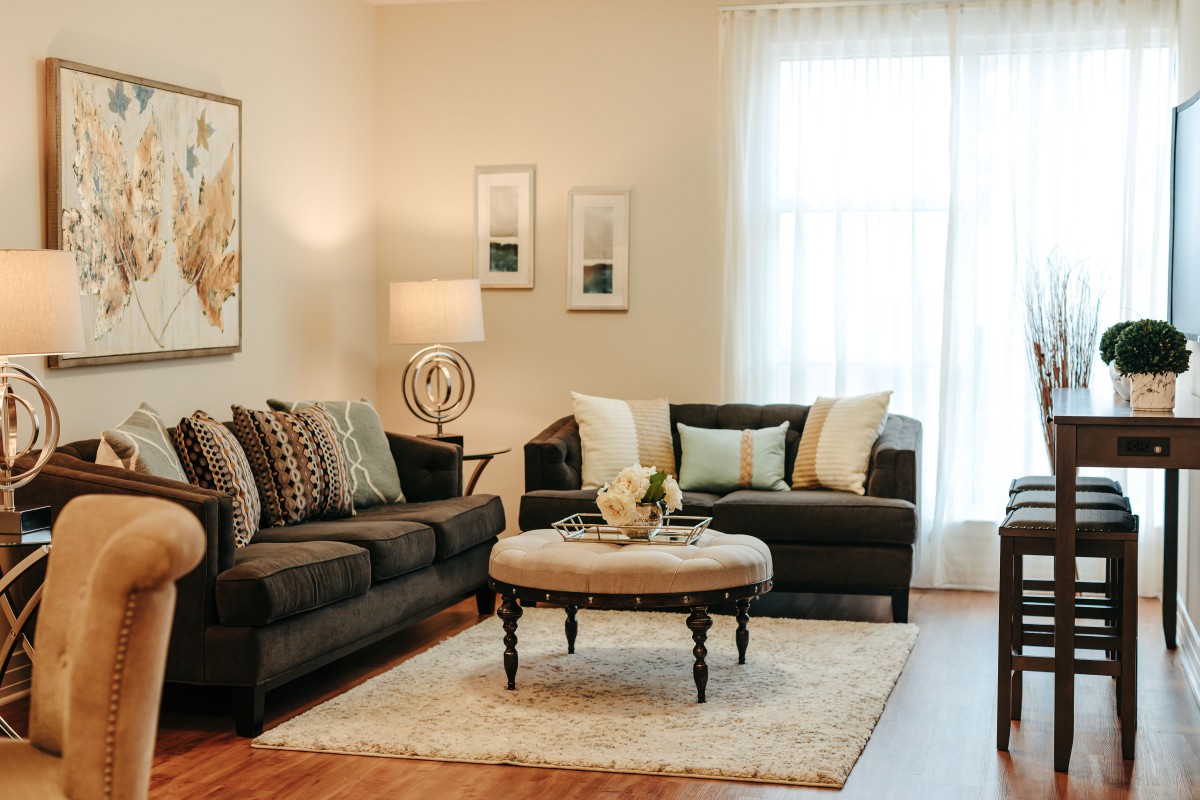
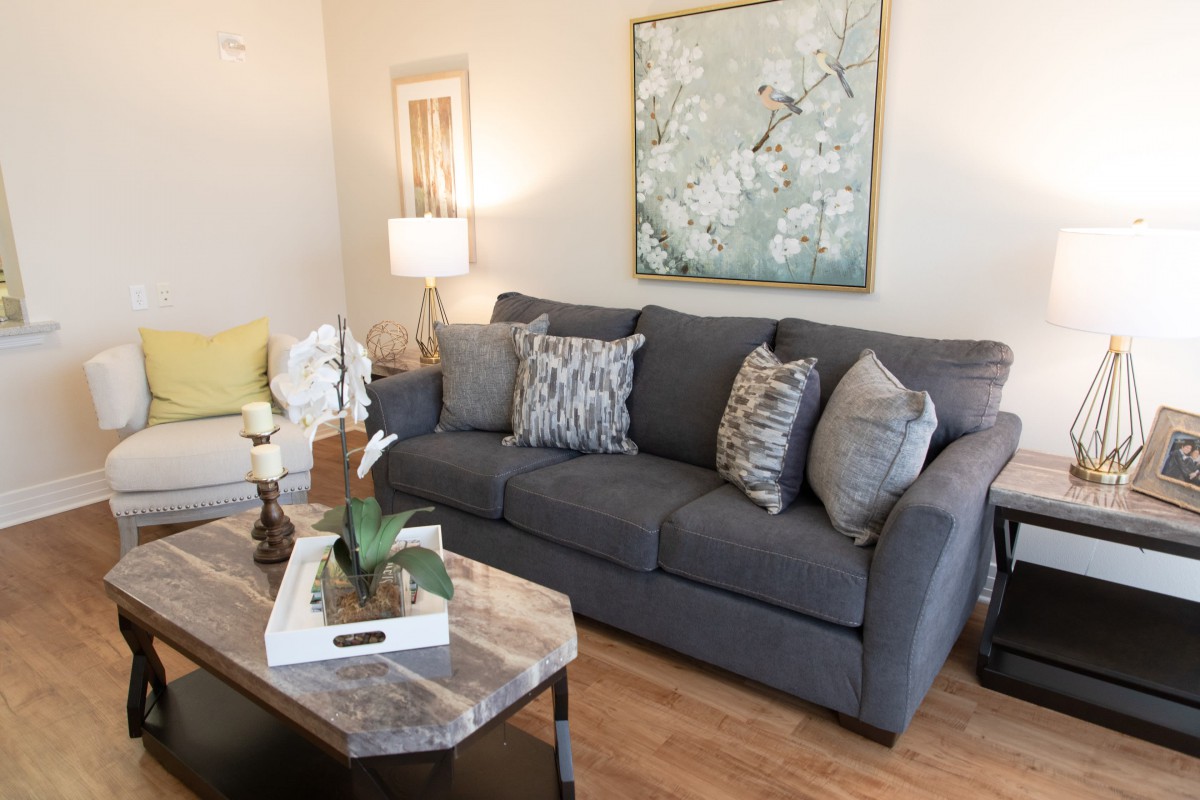
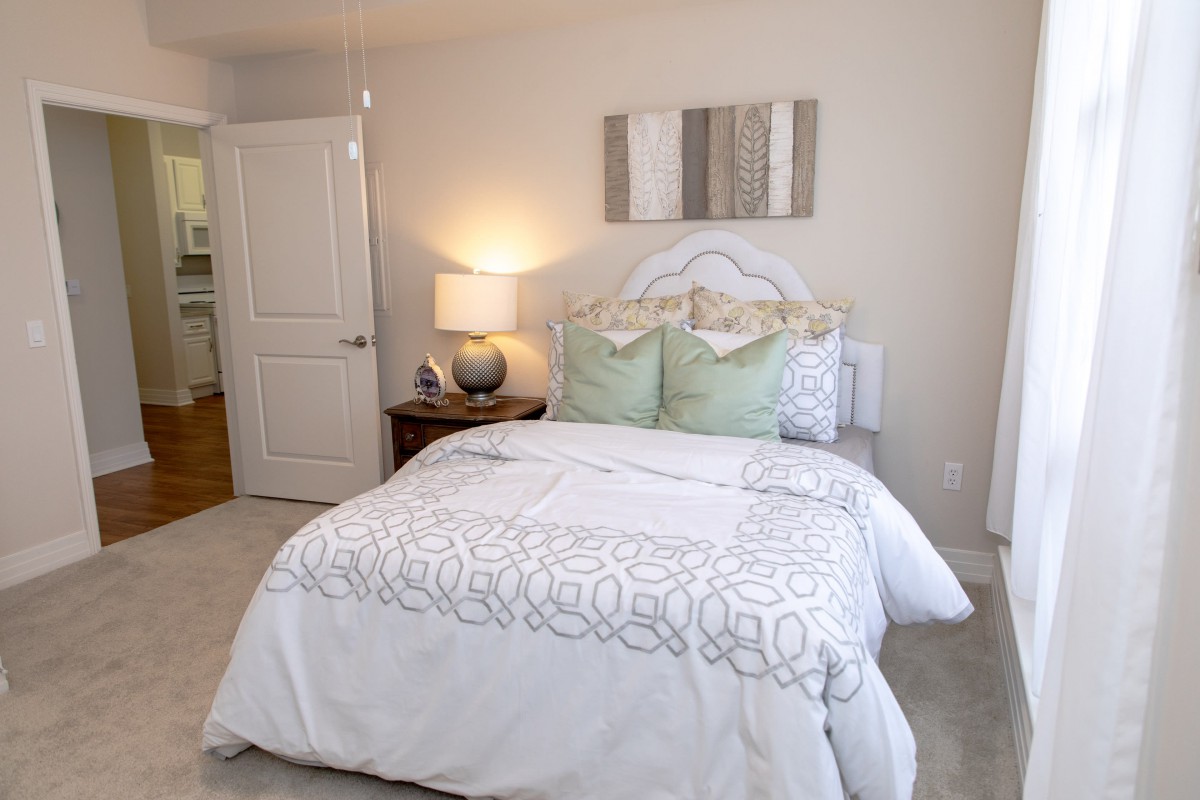
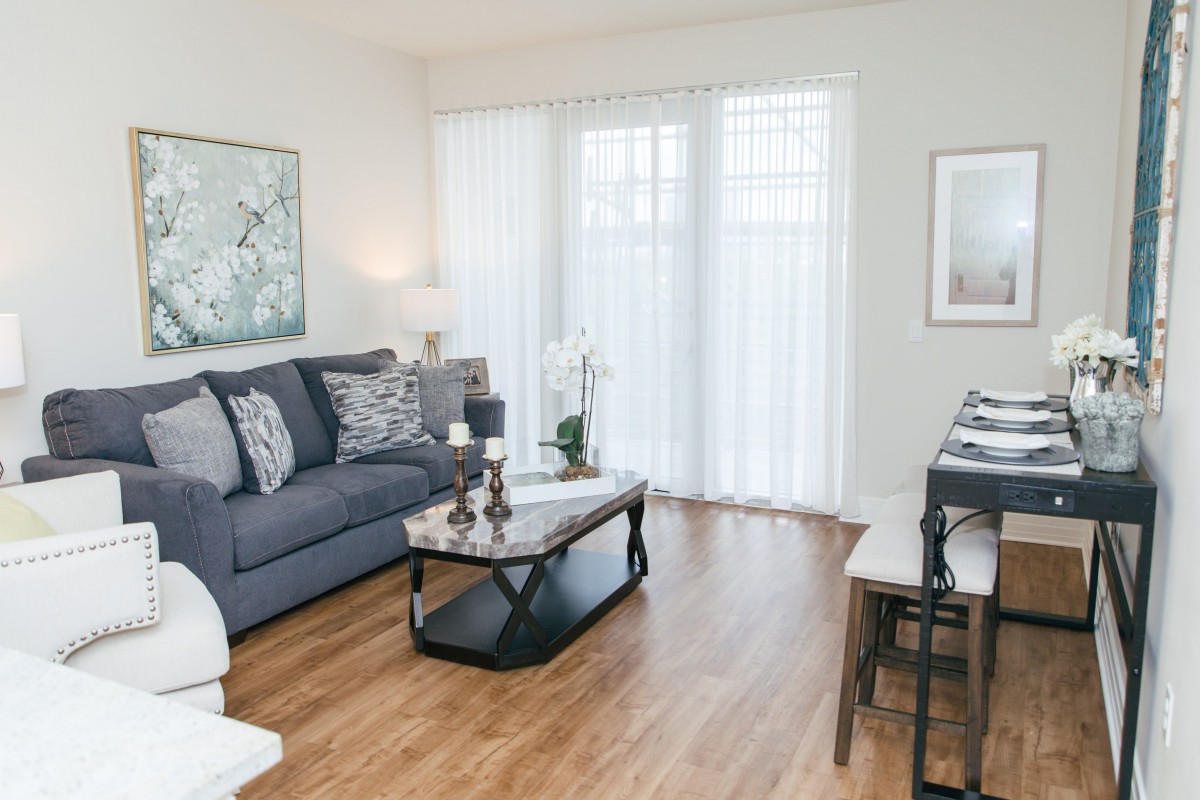
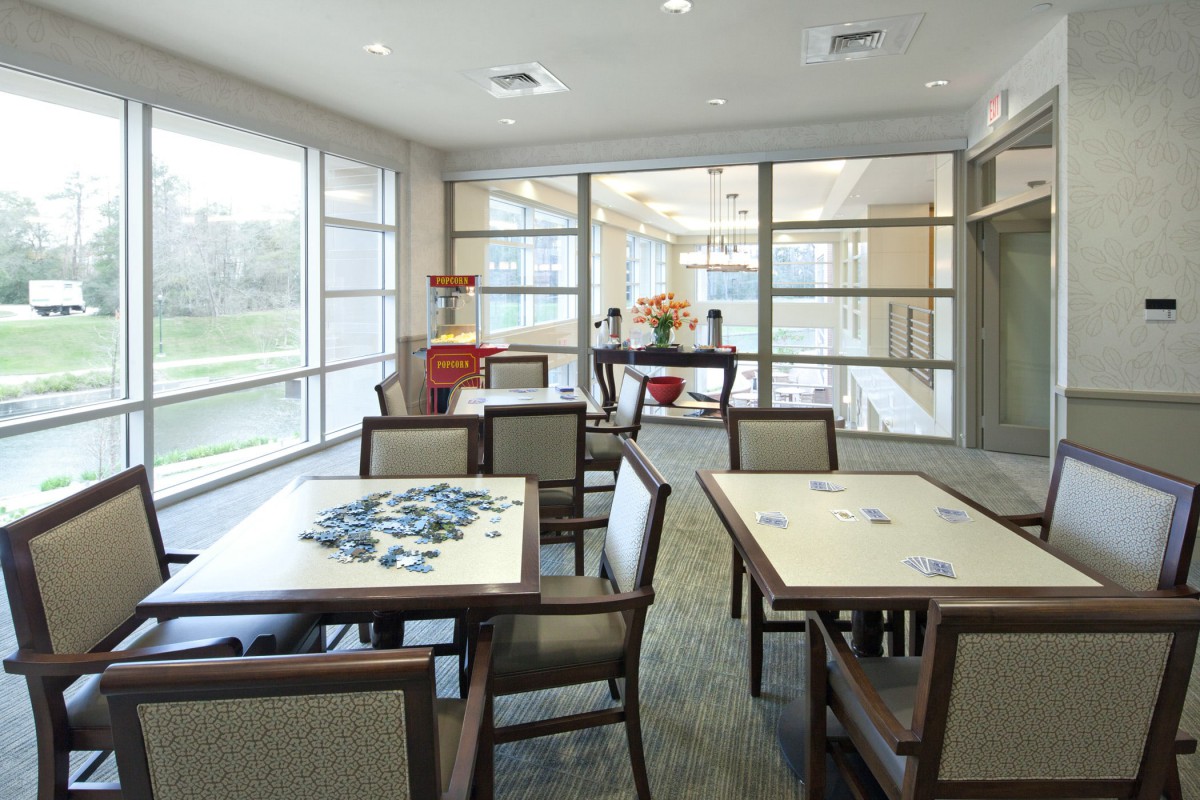
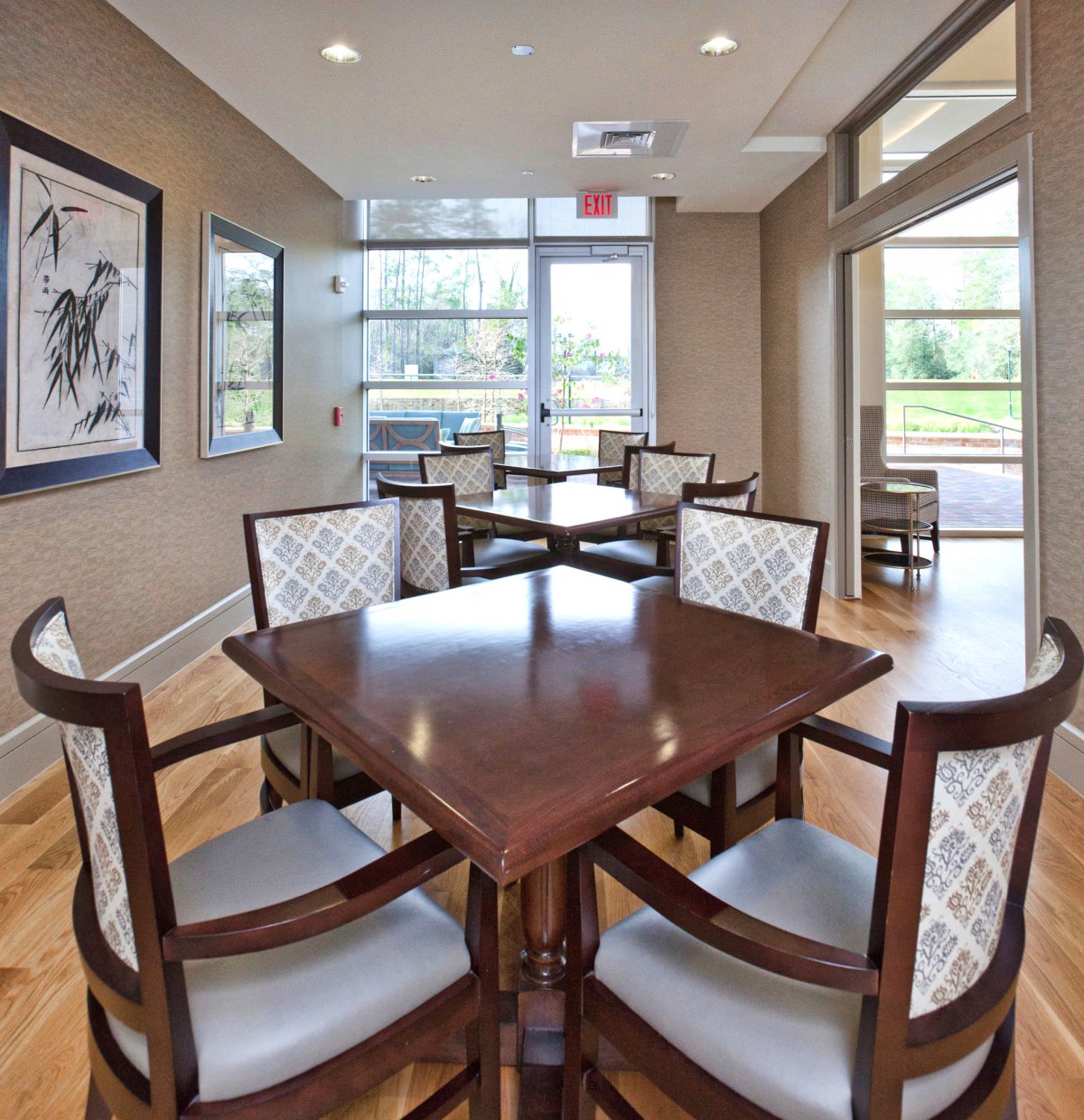
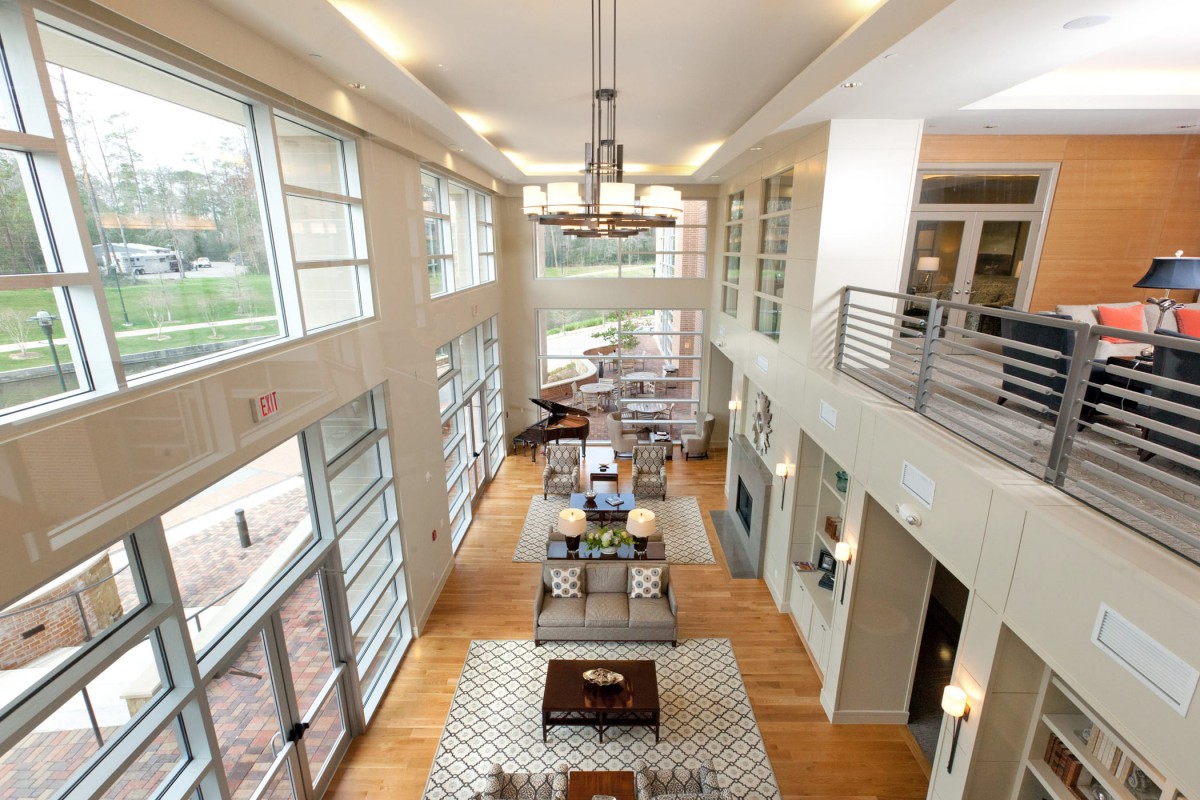
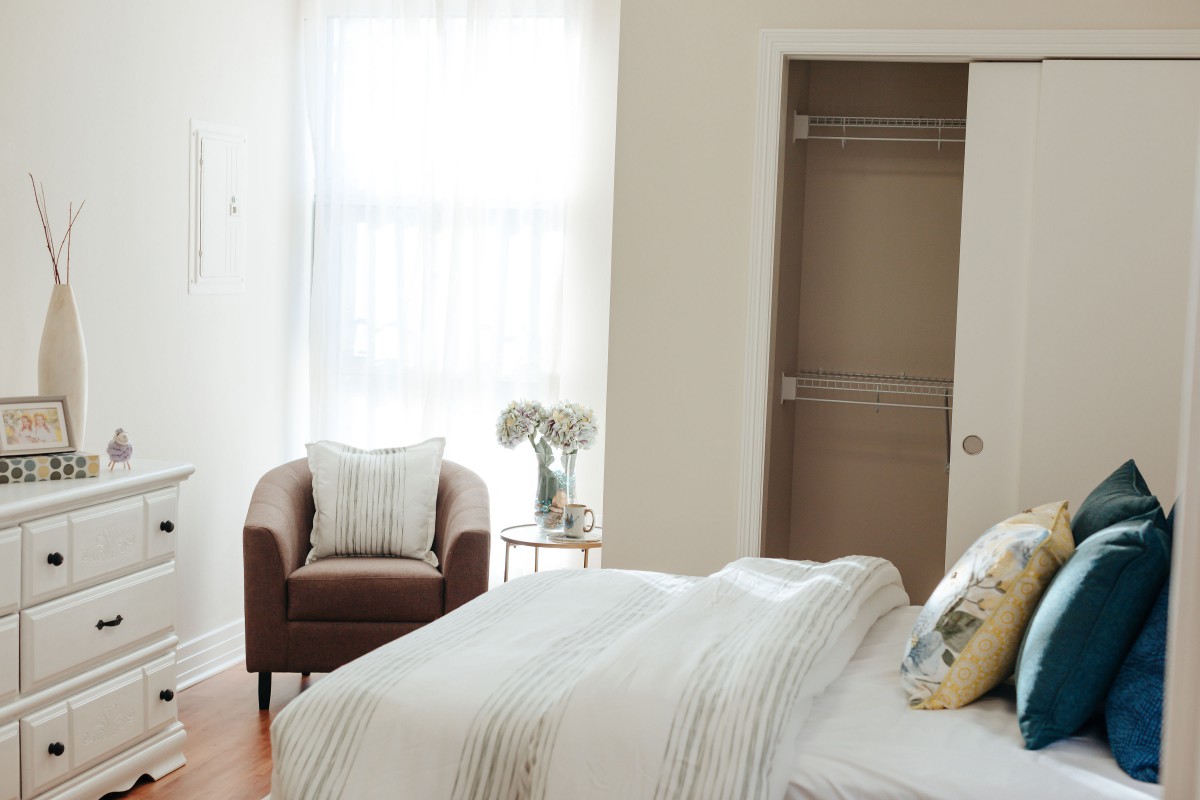
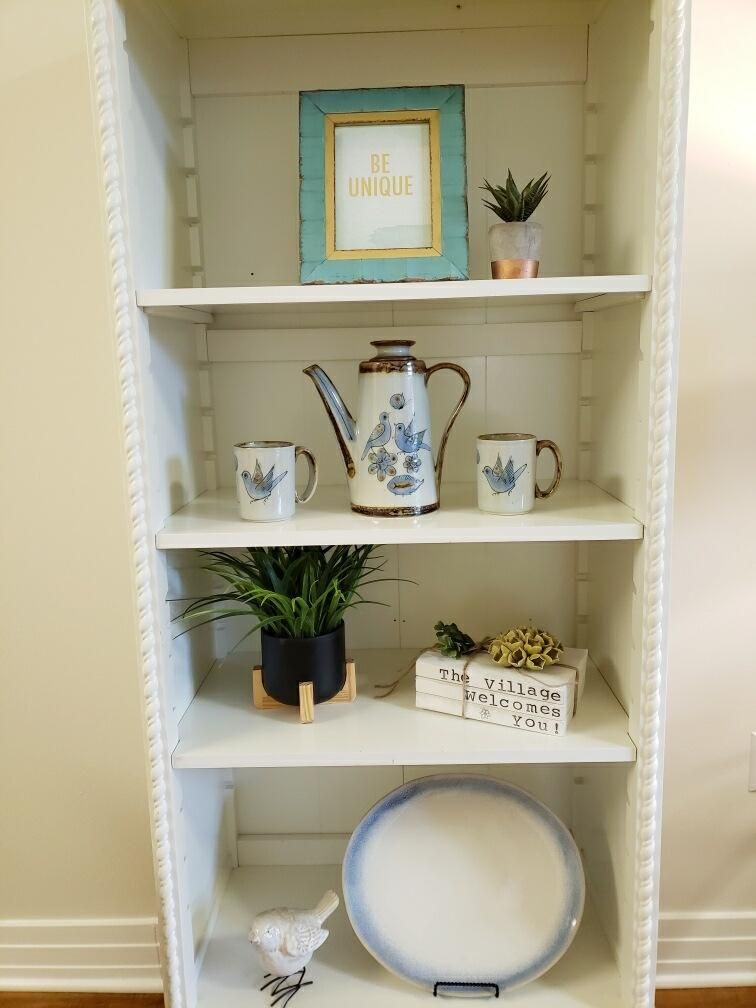
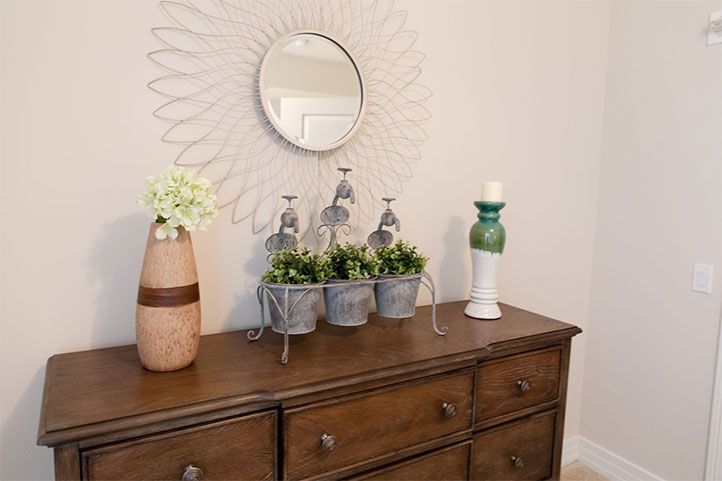
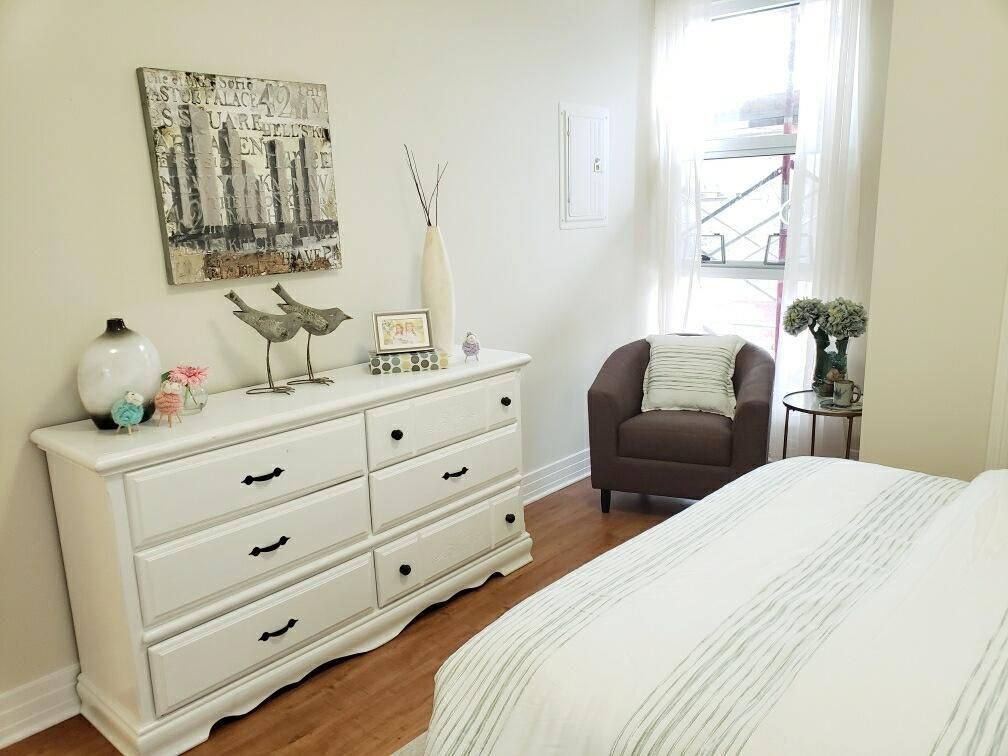
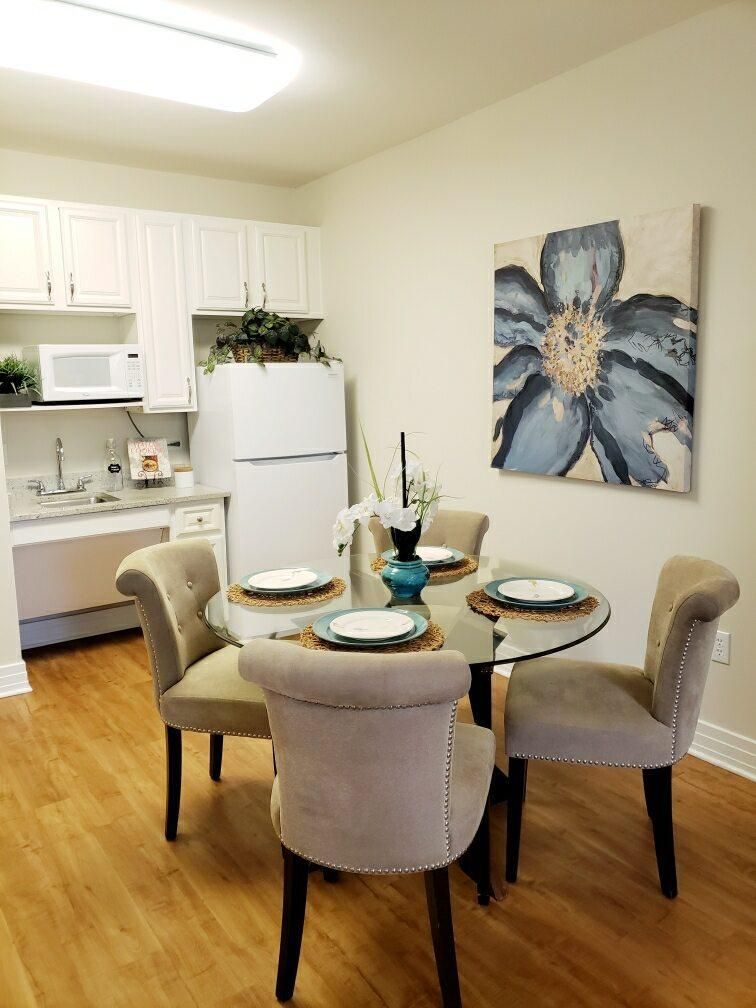
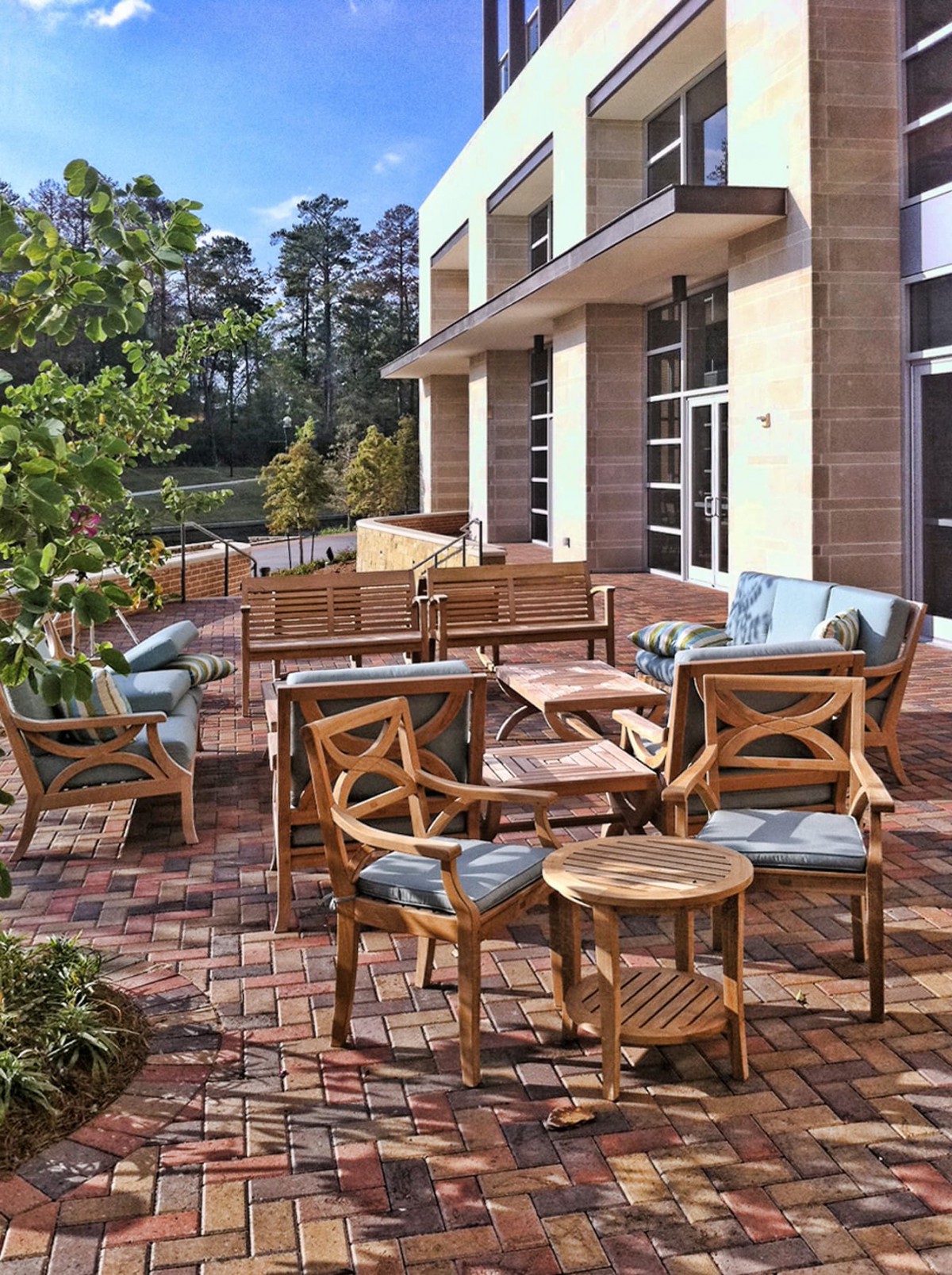
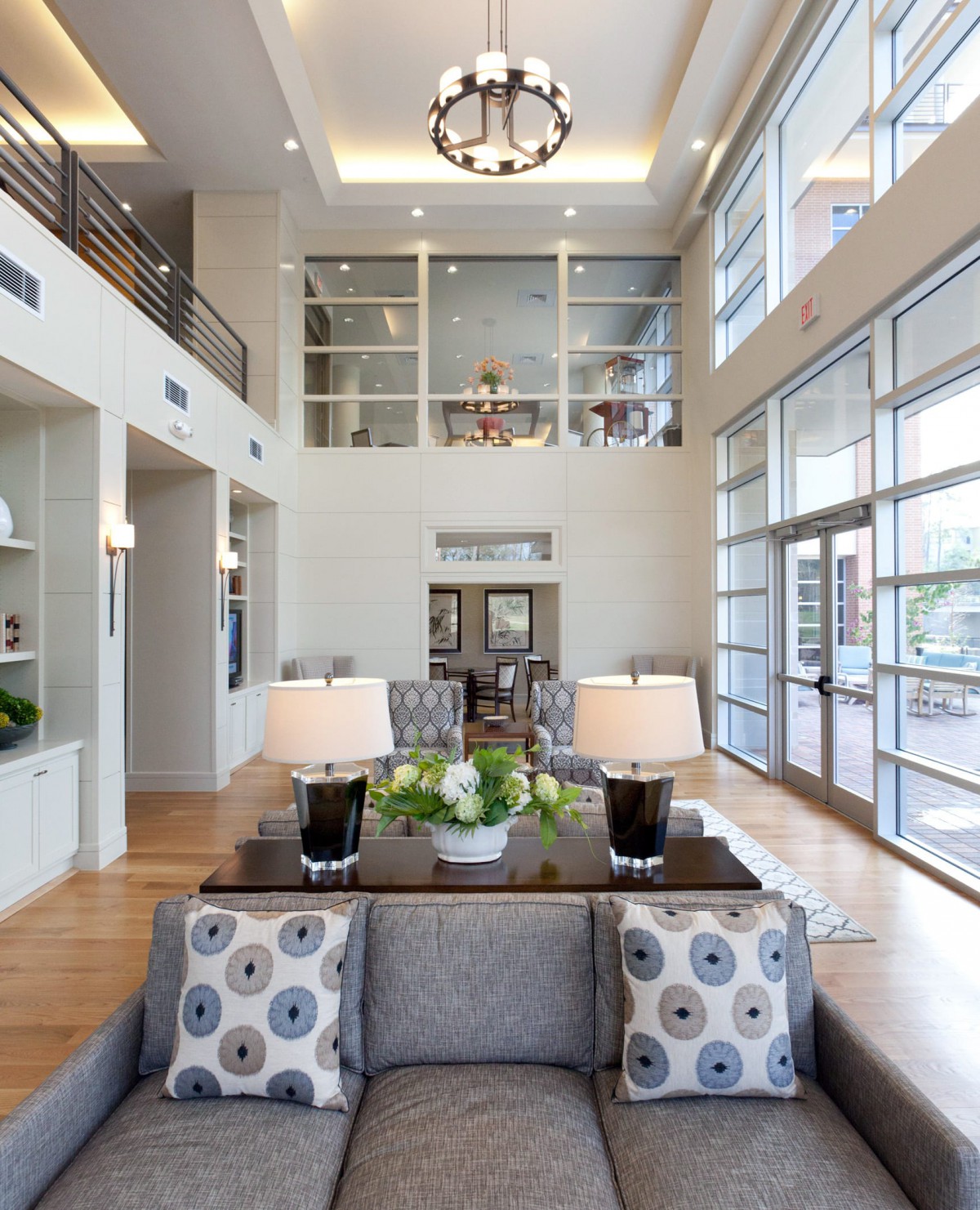
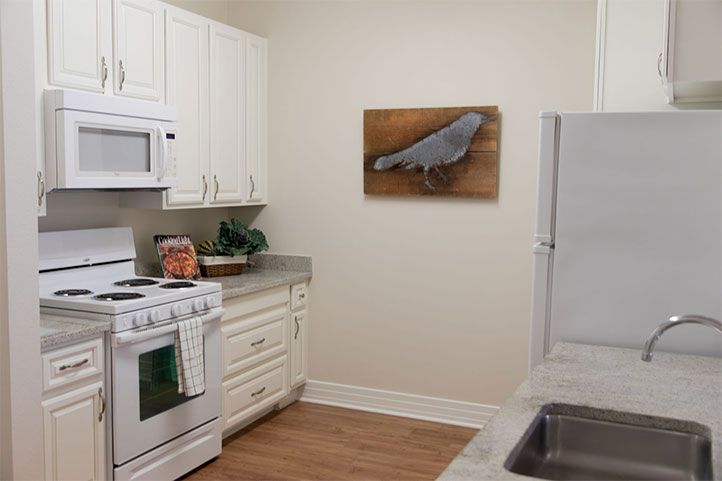
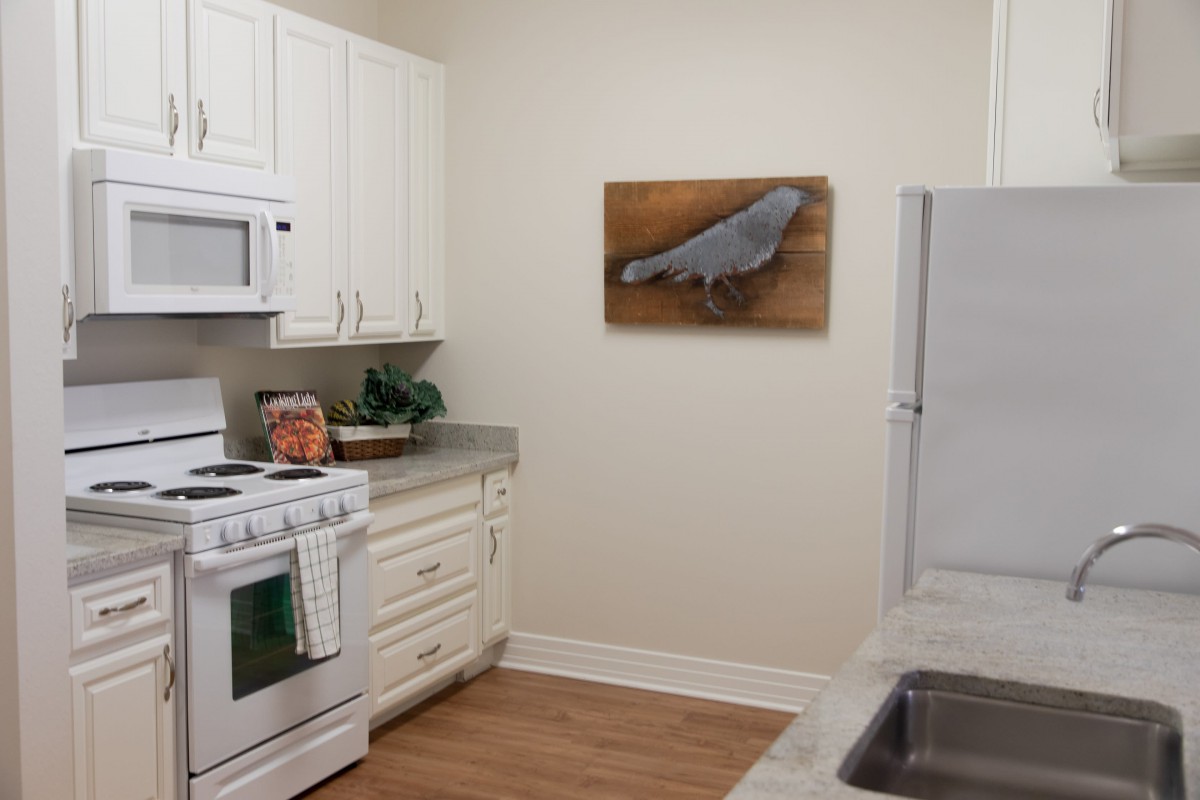
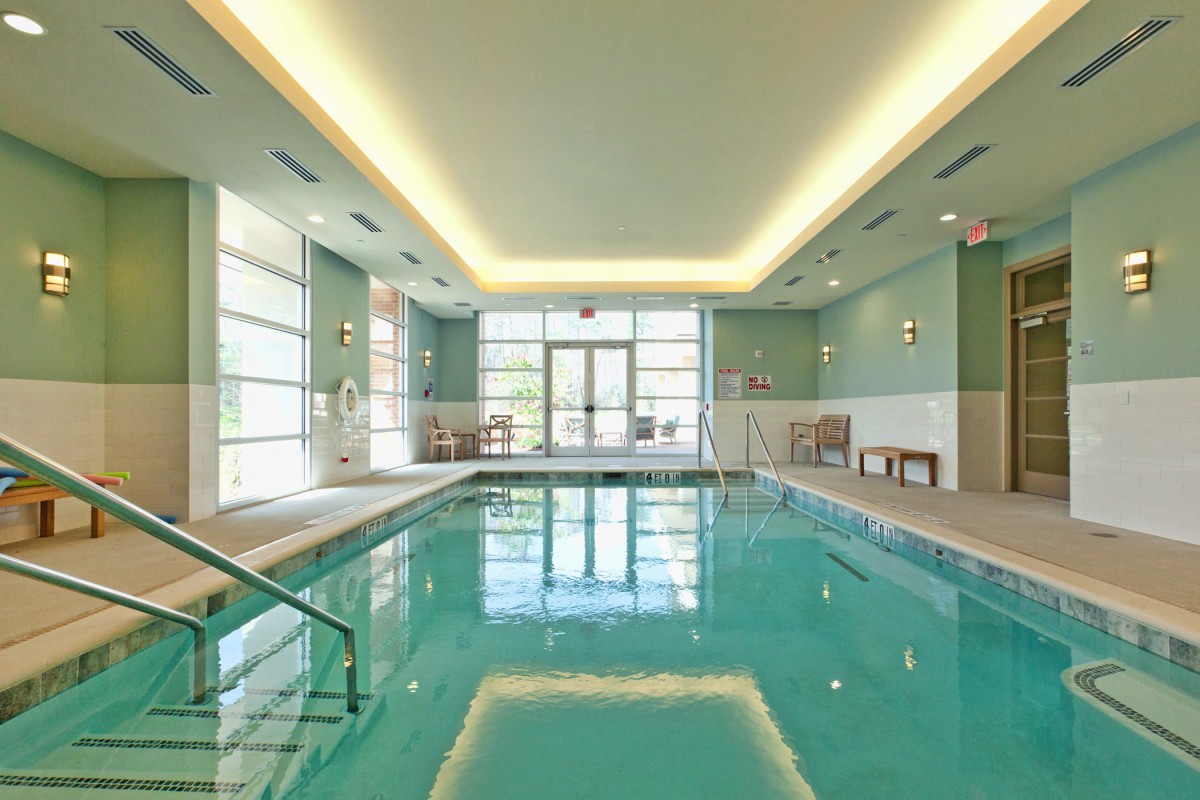
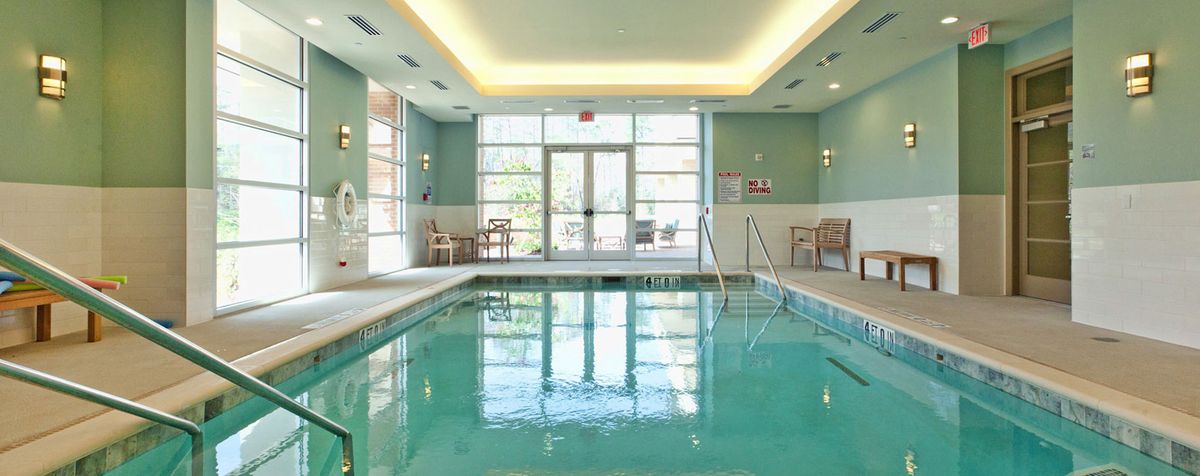
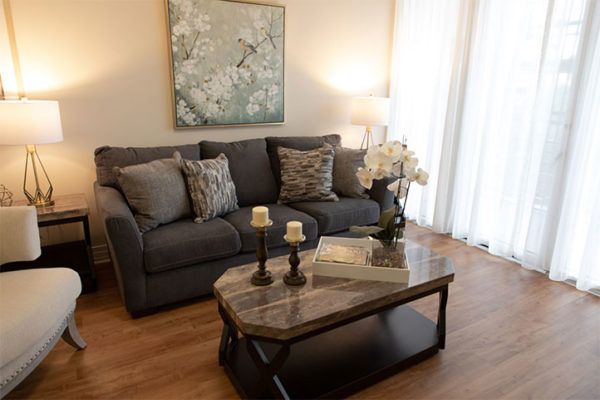
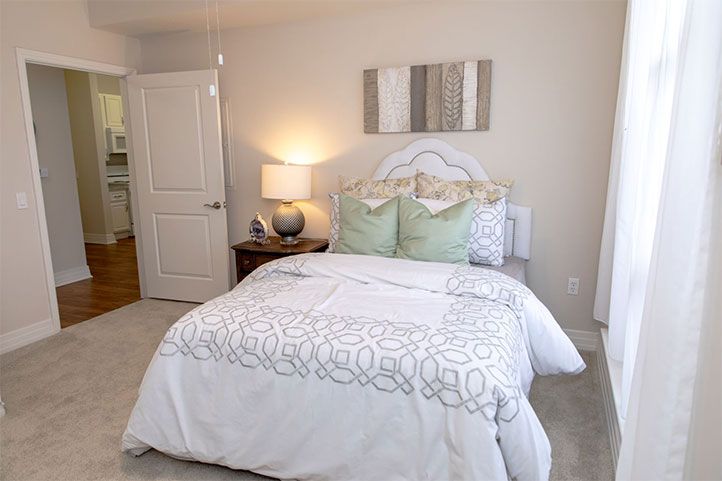
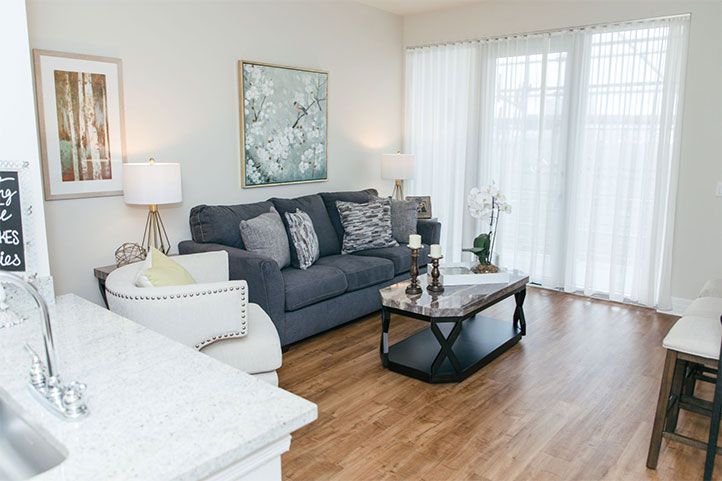
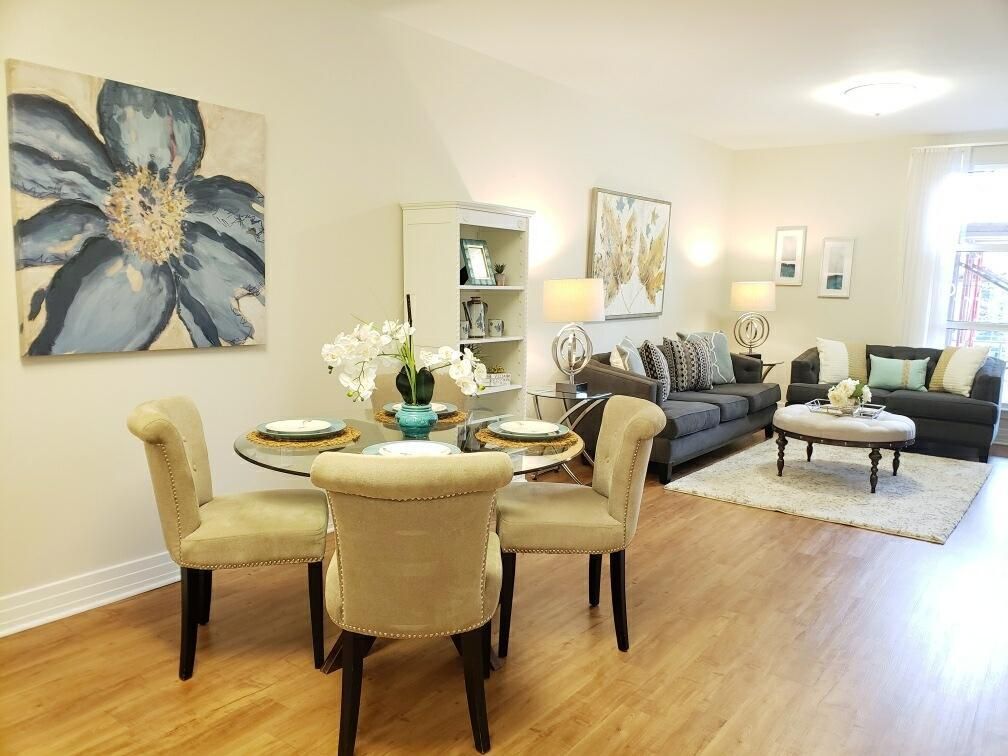
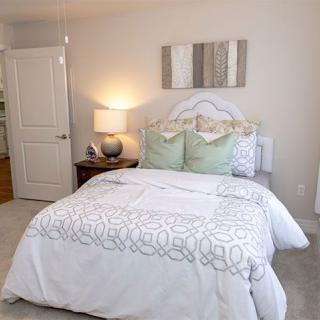
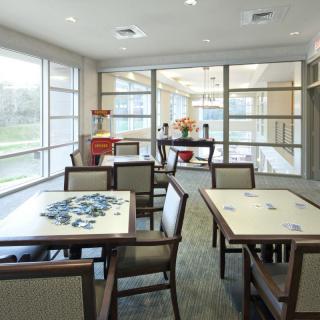
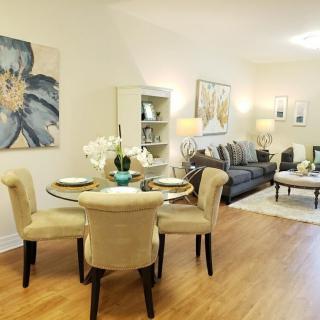
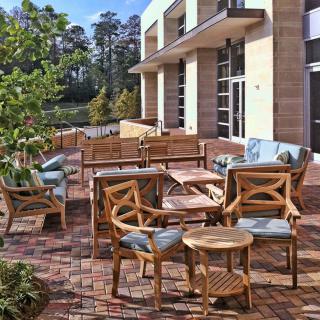
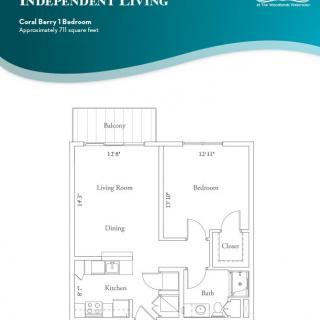
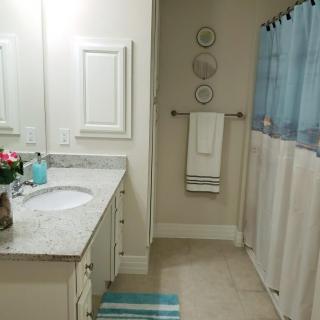
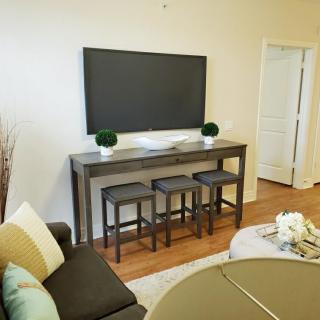
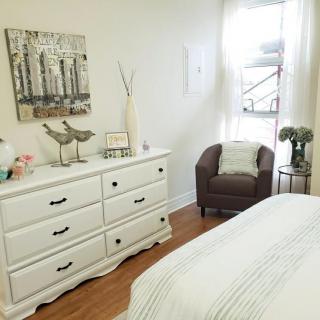
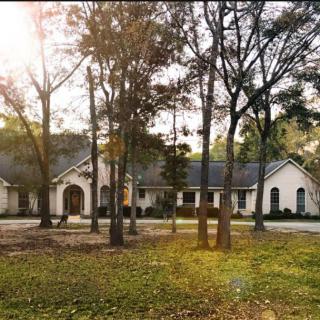
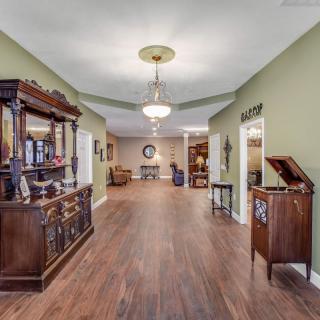
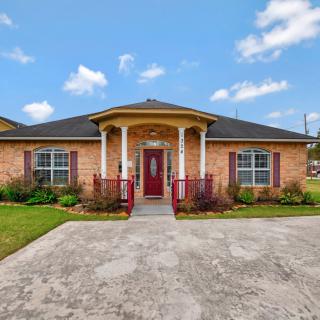
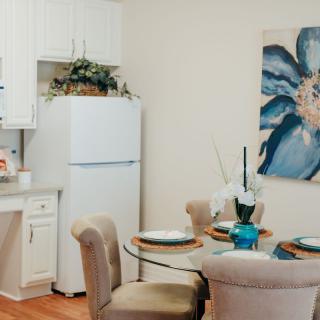
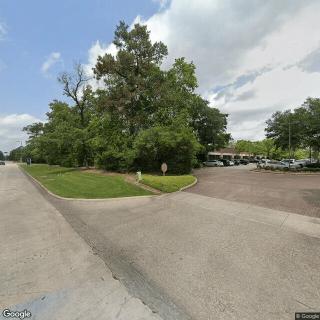
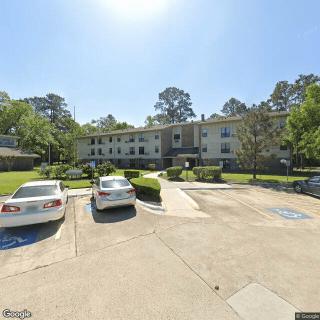
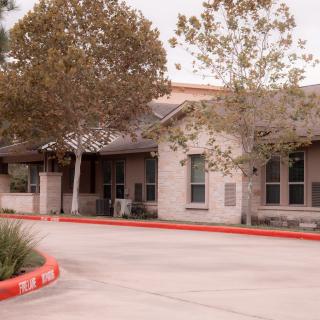
The Village At The Woodlands Waterway on seniors.fyi includes 38 photos including images showing interior, decor, bedroom, floor plan, living room, artwork, kitchen, dining, and more.
Nearby Communities
Home Helpers Home Care of North Houston
The Woodlands, TX
5 from 1 review
Highly skilled staff with rigorous screening and comprehensive training.
Dementia encompasses a range of cognitive impairments characterized by types such as Alzheimer's and vascular dementia, and follows a seven-stage progression model known as the Global Deterioration Scale (GDS), highlighting varying symptoms and decline timelines. Early detection allows for lifestyle adjustments to potentially slow progression, while caregivers need support and resources to manage the challenges involved in caring for affected individuals.
The guide on holistic dementia care outlines the complexity of dementia and stresses the need for individualized caregiver strategies that include medical treatment, psychological support, and environmental adaptations, while emphasizing early detection, various therapeutic options, and caregiver support to enhance quality of life and maintain dignity.
Activities of Daily Living (ADLs) are fundamental tasks vital for an individual's independence, particularly in older adults over 85, and include functions like bathing and dressing; assessing ADLs alongside Instrumental Activities of Daily Living (IADLs) helps determine the level of required assistance due to age-related health challenges. Tailored support plans, involving family and community resources, are essential for maintaining dignity and autonomy in assisted living environments.
Chandelier, Lobby, Indoor Plants, Modern Interior, and High Ceiling
Appliances
Natural Light
Wall Art
Painting
Cabinets
Hardwood Floor
Studio Apartment and Design
Swimming Pool and Indoor Pool
Rug
Refrigerator
Minimalist
Open Space
Stove
Architectural Drawing
Place Settings
Recreation and Water
Architectural Design
Room Layout
Apartment Design
Get PricingAsk A QuestionSchedule A TourContact Senior Advisor
By clicking submit, you agree to our Partner's Terms of Use. You
also consent to receive calls and texts, which may be autodialed, from our Partner. Your consent is not a condition to
using our Partner's service. Please visit our Partner's Privacy Policy for information about their privacy practices.








 213 resident community capacity
 1-bedroom apartments
 Assisted Living
 Independent Living
 Memory Care
 Respite Care
 Skilled Nursing Facility
 Activities off-site
 Air-conditioning
 Bath tubs
 Beautician on-site
 Cable or satellite TV
 Computer center
 Devotional services off-site
 Dining room
 Fitness room
 Full kitchen
 Fully furnished
 Gaming room
 Garden
 Handicap accessible
 Housekeeping services
 Indoor common areas
 Laundry
 Move-in coordination
 Outdoor common areas
 Overnight guests
 Private bathrooms
 Private patio, deck, or balcony
 Resident parking
 Restaurant-style dining
 Small library
 Swimming pool
 Telephone
 Wellness center
 Wheelchair accessible showers
 Wi-Fi/high-speed internet available
 George Bush Intercontinental (15 miles away)
 Community operated transportation
 12-16 hour nursing
 24-hour call system
 Ambulatory care
 Assistance with bathing
 Assistance with dressing
 Assistance with transfers
 Diabetes diet
 Diabetic care
 Hospice waiver
 Incontinence care
 Medication management
 Mental wellness program
 Physical therapy
 Special dietary restrictions
 Transportation arrangement (medical)
 Art classes
 Bible study group
 Concierge services
 Cooking classes
 Day trips and outings
 Educational speakers / life long learning
 Happy hour
 Wine tasting
 English
 Highly skilled staff with rigorous screening and comprehensive training.

 Understanding Dementia Through Its Seven Stages: A Comprehensive Look at Progression and Expectations
 A Holistic Dementia Care Guide: Effective Strategies for Memory Support
 Comprehensive Insights into Activities of Daily Living (ADLs) and Their Assessment