


Goodlife Senior Living And Memory Care Building A

Save

  • Interior

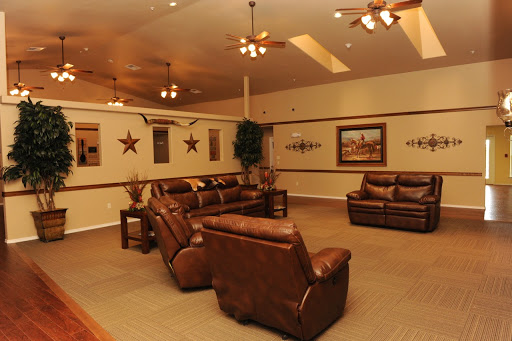
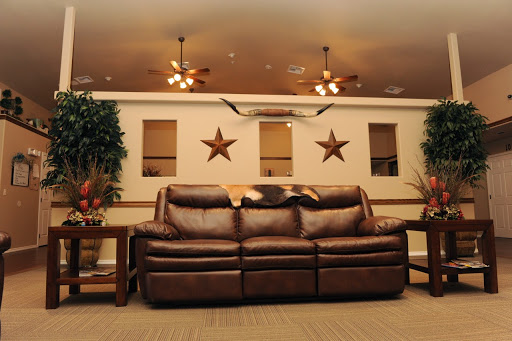
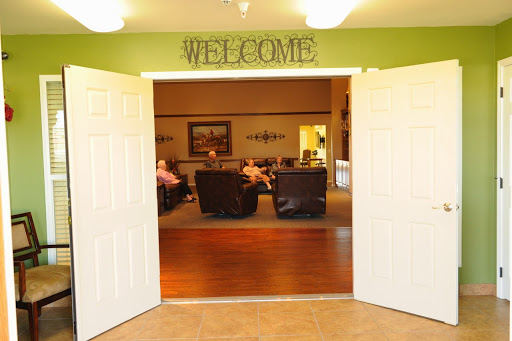
    A spacious and inviting living room featuring leather furniture and warm decorative elements.
  • Decor

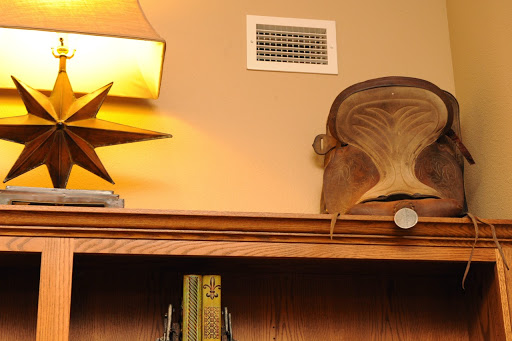
    A cozy living room featuring a brown leather couch, decorative stars on the wall, and warm lighting from ceiling fans.
  • Living Room

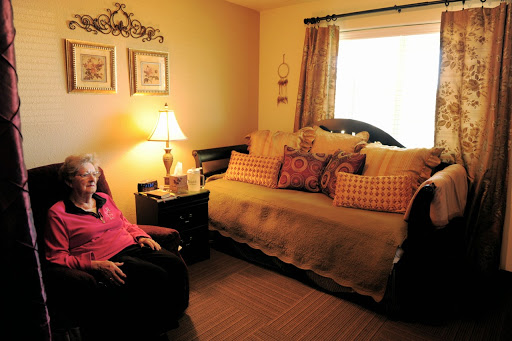
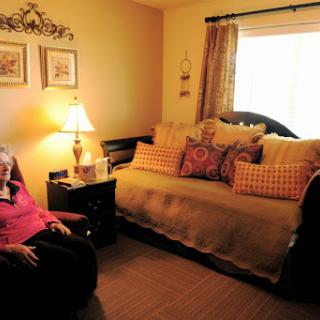
    A cozy living room with an elderly woman sitting in a chair, surrounded by decorative cushions and a warm ambiance.
  • Building

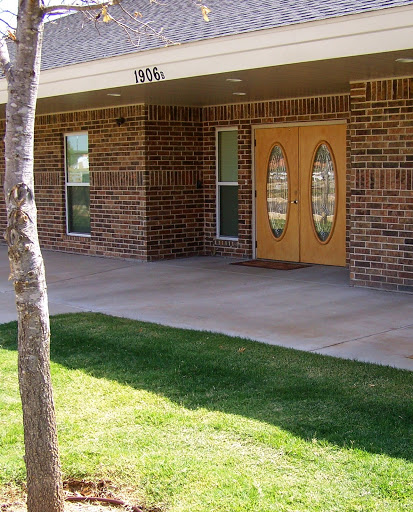
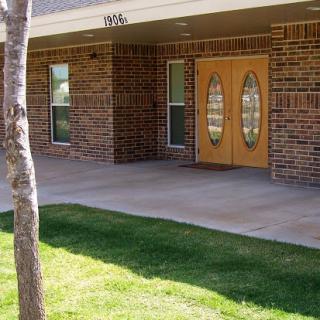
    Entrance of a brick building with decorative double doors and well-maintained landscaping.
  • Dining

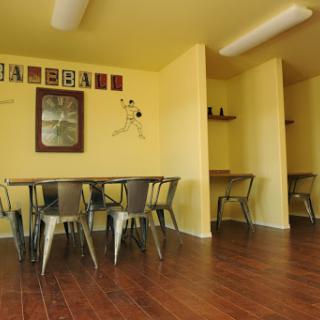
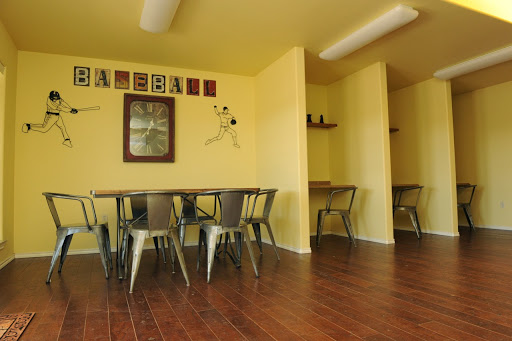
    A cozy dining area featuring yellow walls and stylish metal chairs, perfect for casual gatherings.
  • Kitchen

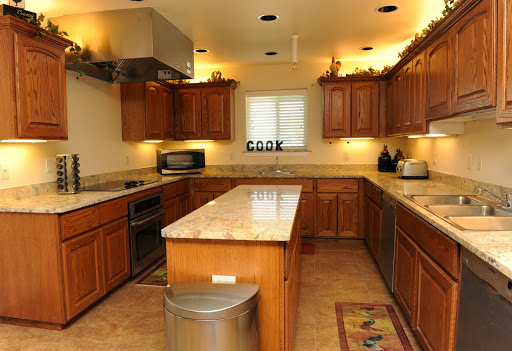
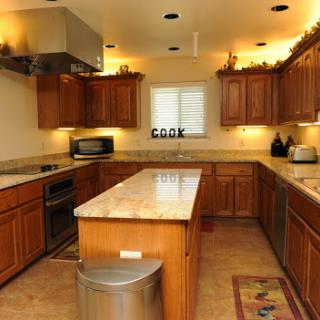
    A spacious and modern kitchen featuring wooden cabinets, a large countertop, and various appliances.
  • Salon

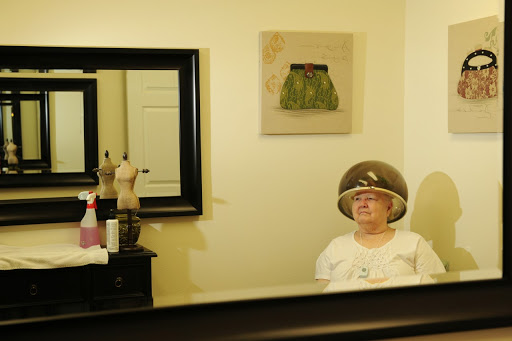
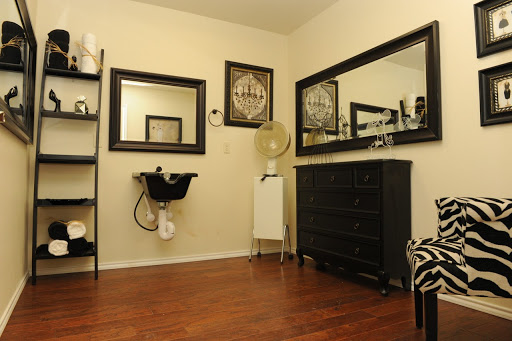
    A stylish salon interior featuring elegant decor and functional furniture.

Goodlife Senior Living And Memory Care Building A

1906 Martha Ann Boulevard Building A, Snyder, TX 79549

For more information about senior living options: (844) 490-3973

3.5 from 8 reviews
5 stars
5
4 stars
0
3 stars
0
2 stars
0
1 stars
3

Assisted Living

What level of care are you interested in?

Assisted Living

Memory Care

Independent Living

Skilled Nursing Facility

Continuing Care Retirement Community (CCRC)CCRC

Other


Request a tour at Goodlife Senior Living And Memory Care Building A

    Overall Review of Goodlife Senior Living And Memory Care Building A

    Pros

    • pro The sister-in-law lived in the facility and received excellent care.
    • pro The reviewer would highly recommend the facility for quality care.
    • pro The staff have been great at meeting residents' individual needs.
    • pro The environment is consistently clean and smells fresh.
    • pro There are great staff members at this location.
    • pro The reviewer expressed thanks to all the staff.
    • pro The reviewer called it the best place for their loved ones.

    Cons

    • pro The people who run this place are awful and only worried about money.
    • pro They don't care about the residents.
    • pro They are slow to fix issues like an AC or heater going out.
    • pro There are residents with no AC, only a fan in their room.
    • pro The caregiver-to-resident ratio is too low to provide good quality care.
    • pro They are trying to lower the ratio further to save money.
    • pro These people are paying thousands a month for subpar care.
    • pro They are greedy, heartless people.
    • pro They force sick workers to come in and work, exposing patients to illnesses.
    • pro The nurses are not great at telling the truth or handling care.
    • pro They won't tell what happened and blame it on the grandmother-in-law.
    • pro Now she passed away.

    Review

    The collection of opinions about this senior care facility reveals a landscape of strong, conflicting experiences. On one end, many reviewers express deep disappointment in how the place is run at the highest levels, suggesting that the organization prioritizes money over people. They describe a facility that puts on a polished show for visitors and families, but lets residents suffer when issues arise or when long-term care decisions are made. The sentiment is that the leadership seems slow to respond to everyday problems, such as a broken air conditioning or an unreliable heating system, leaving residents uncomfortable or unsafe during hot seasons. This perception of a disconnect between appearances and actual care colors many of the critiques, even as some staff members are singled out as commendable and caring.

    A common thread among the harsher critiques is the caregiver-to-resident ratio. Several reviewers argue that the number of caregivers is insufficient for the needs of residents, which they say translates into lower-quality care. They worry that cost-cutting measures are being implemented at the expense of hands-on attention and timely assistance. The complaints extend to the belief that the facility is actively seeking ways to reduce staffing further to save money, a move that many readers interpret as an explicit risk to resident well-being. The upshot for these voices is a sense of paying thousands of dollars monthly for care that feels subpar or insufficient.

    Nevertheless, the picture is not uniformly negative. There are reviews that praise the place and its people, painting a much more favorable portrait. One reviewer shares that their sister-in-law lived there and received excellent care, going as far as to say they would highly recommend the facility to others seeking quality care for a loved one. Another parenthetical note emphasizes that, for three years, their own parents have been supported by staff who meet their individual needs, with a clean, fresh-smelling environment. In those cases, the staff are described as a bright spot, rendering the facility a dependable choice for that family and identifying specific gratitude toward the caregivers who carry out daily duties.

    Another strong thread of concern centers on transparency and accountability. A reviewer who describes themselves as not leaving their elderly relative there recounts a troubling pattern: they claim workers who were ill were forced to come to work, exposing patients to sickness. This narrative feeds into broader fears about staff safety protocols and infection control, casting doubt on whether worker well-being and resident safety are sufficiently safeguarded. The same strand continues with accusations that when injuries occur to a family member, the facility may be slow to disclose what happened, instead shifting responsibility or offering ambiguous explanations. Such claims contribute to a perception of opacity in incident reporting and a sense that family members cannot rely on straightforward communication when something goes wrong.

    There is a deeply personal counterpoint in a separate account: a bereaved relative recounts a situation where injuries to their grandmother-in-law were not clearly explained, with a sense that accusations were deflected and responsibility deflected onto the resident rather than acknowledged. That story culminates in the reviewer suggesting gratitude to the facility's providers only after the resident's passing, a tone that underscores how trust can erode when incidents aren't explained or handled with openness. These narratives underscore a crucial issue for many families: the importance of clear, timely explanations and consistent, transparent communication in maintaining confidence in the care being provided.

    Taken together, the reviews present a complex picture: a place with undeniable potential that could be excellent under different leadership, paired with experiences that range from deeply satisfying to troublingly concerning. For some families, the environment feels clean, calm, and well-staffed; for others, the leadership's priorities appear misaligned with residents' needs, and the human costs of that misalignment are felt daily. The common thread across all voices is the imperative to stay vigilant, to seek first-hand impressions, and to monitor conditions closely.

    For someone evaluating this facility, many of the same cautions apply across the board: observe the day-to-day operations, ask pointed questions about staffing levels and scheduling, and inspect how complaints or incidents are documented and communicated. Given the mixed experiences, it's wise to visit with a critical eye, talk to multiple staff members across shifts, and, most importantly, check on loved ones frequently. The differing reviews suggest that real-life outcomes may hinge as much on day-to-day interactions and the responsiveness of the leadership as on any published standards or promises.

    In the end, the stories reflect a place that holds significant potential but is clearly not delivering consistently for every resident. Some families feel reassured by competent, compassionate caregivers and a clean, welcoming environment, while others fear that the system is tilted toward cost-saving at the expense of safety and transparency. Prospective families should weigh these perspectives carefully, engage with current residents and their families, and prepare to stay actively involved to ensure their loved ones receive the care they expect and deserve.

    Features

    Housing

    • 16 resident community capacity 16 resident community capacity

    Types of Care

    • Assisted Living Assisted LivingAssisted living facilities provide crucial support and care for seniors who may need help with daily tasks such as medication management, bathing, and meal preparation. These communities offer a safe and comfortable environment where seniors can maintain their independence while receiving the assistance they need to thrive in their golden years.

    Amenities

    • Cable or satellite TV Cable or satellite TVCable or satellite TV is important for seniors because it provides entertainment, news, and companionship, helping to combat loneliness and boredom. It also offers a wide range of programming options tailored to different interests and preferences.
    • Dining room Dining roomDining rooms are important for seniors as they provide a space for socialization, connection, and nutritious meals. They offer opportunities for residents to bond over shared meals, foster a sense of community, and promote healthy eating habits. Dining rooms also ensure that seniors have access to well-balanced meals tailored to their dietary needs and preferences.
    • Fully furnished Fully furnishedFully furnished senior living communities are important for seniors because they provide convenience, comfort, and a hassle-free moving experience. Seniors can easily settle into their new living space without the stress of having to buy and move furniture. This allows them to focus on enjoying their new home and community.
    • Garden GardenGardens are important for seniors as they provide a peaceful and therapeutic environment for relaxation, physical activity, and socialization. Being in nature has been shown to reduce stress, improve mood, and promote overall well-being. Gardens also offer opportunities for seniors to engage in gardening activities, which can improve mobility, flexibility, and cognitive function. Additionally, gardens create a sense of community and connection with others who share a passion for plants and outdoor spaces.
    • Housekeeping services Housekeeping servicesHousekeeping services are important for seniors because they help maintain a clean and safe living environment, promote independence, and reduce the risk of accidents or illnesses. Additionally, having assistance with household chores can alleviate physical strain and allow seniors to focus on other aspects of their well-being.
    • Move-in coordination Move-in coordinationMove-in coordination is important for seniors because it helps ease the transition into their new living environment. It ensures that all logistics, such as packing, organizing movers, and setting up utilities are taken care of, allowing seniors to focus on settling in and adjusting to their new home. Having a smooth move-in process can alleviate stress and anxiety, making the transition smoother and more enjoyable for seniors.
    • Outdoor space Outdoor spaceOutdoor spaces are important for seniors as they provide opportunities for physical activity, social interaction, exposure to natural light and fresh air, and a sense of connection to nature. Having access to outdoor spaces can improve overall well-being and quality of life for older adults living in senior communities.
    • Telephone TelephoneTelephones are important for seniors as they provide a lifeline for communication with loved ones, emergency services, and healthcare providers. They offer a sense of security and independence, enabling seniors to stay connected and access assistance when needed.
    • Wi-Fi/high-speed internet available Wi-Fi/high-speed internet availableWi-Fi/high-speed internet is important for seniors to stay connected with loved ones, access online resources, and participate in virtual activities to combat feelings of loneliness and isolation. It also allows them to easily manage healthcare needs, access entertainment, and engage in lifelong learning opportunities.

    Care Services

    • 24-hour supervision 24-hour supervision24-hour supervision is important for seniors to ensure their safety, well-being, and access to immediate assistance in case of emergencies or health issues. This constant support provides peace of mind for both seniors and their loved ones, allowing them to age in place with dignity and security.
    • Activities of daily living assistance Activities of daily living assistanceActivities of daily living assistance are important for seniors because they provide essential support with tasks such as eating, bathing, dressing, and mobility. This assistance helps seniors maintain their independence, dignity, and overall quality of life as they age.
    • Assistance with bathing Assistance with bathingAssistance with bathing is crucial for seniors as it helps maintain personal hygiene, prevents infections, and ensures their overall well-being and comfort. It also provides a sense of dignity and independence for seniors who may struggle with this task on their own.
    • Assistance with dressing Assistance with dressingAssistance with dressing is important for seniors because it helps maintain their independence, promotes personal hygiene, prevents accidents and injuries, and improves overall quality of life. This service ensures that seniors can continue to dress comfortably and confidently, despite any physical limitations they may have.
    • Assistance with transfers Assistance with transfersAssistance with transfers is crucial for seniors as it helps prevent falls and injuries, maintains their independence, and ensures they can safely navigate their living environment. It also provides peace of mind for both seniors and their loved ones.
    • Coordination with health care providers Coordination with health care providersCoordination with health care providers is crucial for seniors to ensure proper medical care, medication management, and overall well-being. This collaboration helps prevent overlapping treatments, track progress more effectively, and provide comprehensive support tailored to individual needs.
    • Diabetes diet Diabetes dietA diabetes diet is crucial for seniors as it helps manage blood sugar levels, reduce risks of complications, and improve overall health and well-being. By following a balanced and nutritious diet tailored to their specific needs, seniors can better control their diabetes and enhance their quality of life.
    • Meal preparation and service Meal preparation and serviceMeal preparation and service are crucial for seniors as they may have limited mobility or energy to cook nutritious meals. Having access to healthy and convenient food options can ensure they are getting the proper nutrition needed to maintain their overall health and well-being.
    • Medication management Medication managementMedication management is crucial for seniors to ensure they are taking the right medications at the correct dosages and times. This helps prevent adverse drug interactions, reduces the risk of medication errors, and promotes overall health and well-being. Proactive management also allows for adjustments as needed based on changing health conditions or new prescriptions.
    • Special dietary restrictions Special dietary restrictionsSpecial dietary restrictions are important for seniors because age-related changes in metabolism and health conditions can make it difficult for their bodies to process certain foods. By following a diet tailored to their specific needs, seniors can maintain their overall health and well-being, manage chronic conditions, and reduce the risk of complications such as malnutrition or food interactions with medications.
    • Transportation arrangement (medical) Transportation arrangement (medical)Transportation arrangements for medical purposes are essential for seniors as they may have difficulty driving themselves to appointments or accessing public transportation. Having reliable and safe transportation options ensures that seniors can receive timely medical care and maintain their health and well-being.
    • Transportation to doctors appointments Transportation to doctors appointmentsTransportation to doctors' appointments is crucial for seniors as it ensures they have access to necessary medical care and support for their health needs. Without reliable transportation, seniors may struggle to attend important appointments, leading to potential delays in treatment and health complications. Providing transportation services helps seniors maintain their overall well-being and quality of life.

    Dining

    • Diabetes diet Diabetes dietA diabetes diet is crucial for seniors as it helps manage blood sugar levels, reduce risks of complications, and improve overall health and well-being. By following a balanced and nutritious diet tailored to their specific needs, seniors can better control their diabetes and enhance their quality of life.
    • Special dietary restrictions Special dietary restrictionsSpecial dietary restrictions are important for seniors because age-related changes in metabolism and health conditions can make it difficult for their bodies to process certain foods. By following a diet tailored to their specific needs, seniors can maintain their overall health and well-being, manage chronic conditions, and reduce the risk of complications such as malnutrition or food interactions with medications.

    Activities

    • Community-sponsored activities Community-sponsored activitiesCommunity-sponsored activities are important for seniors as they provide opportunities for social interaction, mental stimulation, and physical activity. These activities can help improve overall well-being, combat loneliness and isolation, and promote a sense of belonging and purpose among older adults.
    • Scheduled daily activities Scheduled daily activitiesScheduled daily activities are important for seniors because they provide structure, socialization, mental stimulation, and physical activity. Engaging in regular activities can improve overall well-being and quality of life for seniors living in a community setting.

    Description

    Goodlife Senior Living and Memory Care Building A in Snyder, TX offers a comfortable and supportive environment for seniors in need of assistance with daily living activities. The community provides a range of amenities to enhance the residents' quality of life, including a spacious dining room where they can enjoy delicious meals prepared by the professional staff. The apartments are fully furnished, ensuring that residents feel at home from the moment they move in.

    The community also features a beautiful garden and outdoor space where residents can relax and unwind amidst nature. Housekeeping services are provided to ensure that the living spaces remain clean and tidy. Additionally, Goodlife offers move-in coordination services to make the transition into the community as smooth as possible.

    To meet the healthcare needs of residents, Goodlife coordinates with health care providers and offers assistance with activities of daily living such as bathing, dressing, and transfers. Medication management is also provided to ensure that residents take their medications on time. For those with special dietary restrictions or diabetes diets, the dining services cater to their specific needs.

    Transportation arrangements are available for medical appointments, allowing residents to conveniently reach healthcare providers. In terms of nearby amenities, there are two cafes, parks, pharmacies, physicians' offices, restaurants, theaters, places of worship, and a hospital in close proximity to Goodlife Senior Living and Memory Care Building A.

    Residents can participate in scheduled daily activities designed to engage them socially and mentally. Whether it's engaging in leisurely hobbies or attending group outings, there are plenty of opportunities for residents to stay active within the community.

    Overall, Goodlife Senior Living and Memory Care Building A provides a warm and enriching environment for seniors seeking assisted living support in Snyder, TX.

    Videos

    Nearby Places of Interest

    Places of Worship

    • Grace Lutheran Church (0.1 miles)
    • Rolling Plains Baptist Network (0.2 miles)
    • Trinity United Methodist Church (0.3 miles)
    • First Christian Church (1.4 miles)
    • Southern Baptist Convention (1.5 miles)
    • Calvary Baptist Church (1.5 miles)
    • Colonial Kids (1.6 miles)

    Hospitals

    • Cogdell Memorial Hospital (0.2 miles)
    • Mitchell County Hospital (19.5 miles)

    Physicians

    • Cogdell Memorial Hospital Rural Health Clinic (0.3 miles)
    • Cornerstone Audiology (1.6 miles)
    • Family Medical Associates (19.5 miles)

    Restaurants

    • Domino's Pizza (0.4 miles)
    • Little Caesars Pizza (0.7 miles)
    • Dragon China Buffet (0.7 miles)
    • Sushi House (0.7 miles)
    • Amore (0.7 miles)
    • Chubby's Diner (0.7 miles)
    • Taco Bell (0.8 miles)

    Pharmacies

    • ""Walmart Stores"" (0.7 miles)
    • CVS Pharmacy (1.3 miles)
    • United Supermarkets Pharmacy (1.5 miles)
    • Corner Drug (20.3 miles)

    Parks

    • Towle Park (1 miles)
    • North East Park (3.1 miles)
    • Ruddick park (20 miles)
    • Texas-State (20.4 miles)

    Transportation

    • Bull Creek Taxidermy (1.3 miles)
    • U-Haul Moving & Storage (1.3 miles)
    • U-Haul Neighborhood Dealer (19.5 miles)

    Theaters

    • Cinema Snyder (1.5 miles)
    • Cinema Snyder (1.5 miles)

    Cafes

    • Mrs. Kathy’s Apple Of My Pie (2.1 miles)
    • Sisters Plaza (4.3 miles)
    • Hobbs cafe & Rv park (20 miles)

    Frequently Asked Questions

    Where is Goodlife Senior Living And Memory Care Building A?
    What photos are available for Goodlife Senior Living And Memory Care Building A in Snyder, Texas?

    Nearby Communities

    Related Resources

    • activities of daily livingComprehensive Insights into Activities of Daily Living (ADLs) and Their Assessment

      Activities of Daily Living (ADLs) are fundamental tasks vital for an individual's independence, particularly in older adults over 85, and include functions like bathing and dressing; assessing ADLs alongside Instrumental Activities of Daily Living (IADLs) helps determine the level of required assistance due to age-related health challenges. Tailored support plans, involving family and community resources, are essential for maintaining dignity and autonomy in assisted living environments.

    • elderly parent refuses assisted livingGuiding Elderly Parents Who Refuse Assisted Living: 6 Practical Steps

      Family caregivers face emotional, legal, and practical challenges when elderly parents refuse assisted living, often due to fears of losing autonomy. Open conversations and professional assessments can help address these concerns while exploring alternatives and ensuring safety, potentially leading to legal guardianship if necessary.

    • luxury assisted livingYour Comprehensive Guide to Luxury Assisted Living: Elevated Facilities, Amenities, and Costs
      Luxury assisted living offers high-quality senior care in a resort-like environment that combines essential medical support, gourmet dining, and personalized services to enhance residents' independence and well-being. These upscale facilities emphasize holistic health and community-building through customized care plans and social activities, catering to the growing demand for enriched senior living experiences despite higher costs.


    Get Pricing Ask A Question Schedule A Tour Contact Senior Advisor