
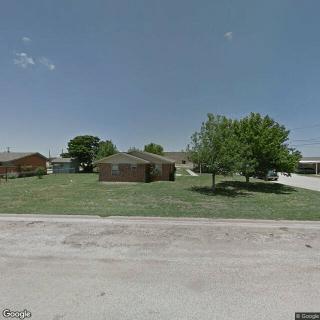
1906 Martha Ann Building C, Snyder, TX 79549
For more information about senior living options: (866) 208-4318
Overall Review of Goodlife Senior Living And Memory Care
Pros
 The facility has a lot of potential when run by decent people.
- There are some great staff members at this location.
- The staff have been great at meeting residents' individual needs.
- The environment is consistently clean and smells fresh.
- The sister-in-law lived in this facility and received excellent care.
- The facility is highly recommended for quality care for loved ones.
Cons
 The people who run the place are awful and only worried about money.
- The higher-ups put on a show but don’t care about the residents.
- They are slow to fix issues like AC or heating, leaving residents with no working cooling in hot weather.
- The caregiver-to-resident ratio is too low and being reduced further to save money, resulting in subpar care.
- They force sick workers to come in, exposing patients to illnesses, and when injuries occur, staff won’t explain what happened and blame the elderly.
Review
This community is best suited for families that place a premium on a clean, home-like environment and on frontline staff who know residents well and can tailor care to individual needs. It can work especially well for memory care and assisted living when the family is prepared to stay actively involved, verify care plans, and regularly check in on operations. The strongest practical signal is the recognizably well-kept environment and the stories of staff who connect personally with residents, suggesting that with steady leadership this community can deliver consistent, compassionate care.
Those who should seriously consider alternatives include families that require rigorous governance, transparent incident reporting, and rock-solid accountability from executives. If clear explanations for problems and demonstrable, timely fixes are non-negotiable, this facility may feel unstable. The mix of opinions about leadership and staffing, ranging from highly positive to troubling, raises red flags for families unable or unwilling to closely monitor day-to-day care. Additionally, if maintaining reliable climate control and prompt maintenance response is a non-negotiable standard, the reported HVAC delays and occasional neglect of repairs become critical considerables.
The positive aspects are tangible and meaningful: a consistently clean environment, staff who seem capable of meeting individual needs, and long-tenured residents who appear to thrive when operations run smoothly. When caregivers are attentive and residents receive personalized attention, the place can feel like a true home for aging loved ones. Several accounts highlight excellent care from on-site staff and a sense that, with proper oversight, the community can deliver meaningful quality of life in memory care and assisted living settings.
Yet the downsides carry enough weight to influence a decision. The most troubling themes center on leadership focus and responsiveness: reports of management prioritizing cost concerns over caregiving quality, and slow or inconsistent fixes to practical problems such as air conditioning or heat, which directly affect comfort and safety. Caregiver-to-resident ratios are described as insufficient for delivering thorough, timely care, raising concerns about everyday supervision, mobility assistance, and monitoring. Allegations, whether verified or not, about sick workers being asked to come in and potential gaps in incident transparency are particularly worrisome for families seeking dependable safety and accountability. Occasional claims of injuries not fully explained to families and questions about truth-telling around incidents further complicate trust.
The bottom line is that this facility has genuine potential, but with meaningful caveats. For families inclined to proceed, the prudent path is to verify current operational realities before committing: ensure staffing levels meet care needs, confirm rapid maintenance and climate control responsiveness, and demand transparent incident reporting and escalation processes. If leadership behavior, predictable governance, and uncompromised transparency are non-negotiable, alternatives with clearer, more consistent oversight should be pursued. A decision to move forward should rest on tangible assurances that the care you expect, especially for memory care, will be delivered consistently, with accountability baked into daily operations rather than left to the goodwill of frontline staff.
Practical next steps include scheduling a thorough tour with a focus on maintenance responsiveness during peak heat, requesting a candid conversation with the administrator and several caregiving staff, and reviewing incident logs and quality assurance records. Speak with current families about their experiences, including how often they receive updates and how concerns are handled. Ask for a trial period or a clearly defined relocation plan if care quality dips, and request guarantees in the contract for staffing levels, response times, and transparency around any injuries or incidents. Above all, insist on a formal family liaison process that keeps loved ones’ care plans aligned with evolving needs, so the decision rests on solid, verifiable practices rather than hopeful sentiment.
 16 resident community capacity
 Assisted Living
 Cable or satellite TV
 Dining room
 Fully furnished
 Garden
 Housekeeping services
 Move-in coordination
 Outdoor space
 Telephone
 Wi-Fi/high-speed internet available
 24-hour supervision
 Activities of daily living assistance
 Assistance with bathing
 Assistance with dressing
 Assistance with transfers
 Diabetes diet
 Meal preparation and service
 Medication management
 Special dietary restrictions
 Transportation arrangement (medical)
 Transportation to doctors appointments



 Comprehensive Supportive Living Arrangements for Adults with Disabilities
 Funding and Affording Assisted Living: A Thorough Overview
 Assisted Living Expenses and Long-Term Care Insurance: A Comprehensive Exploration