
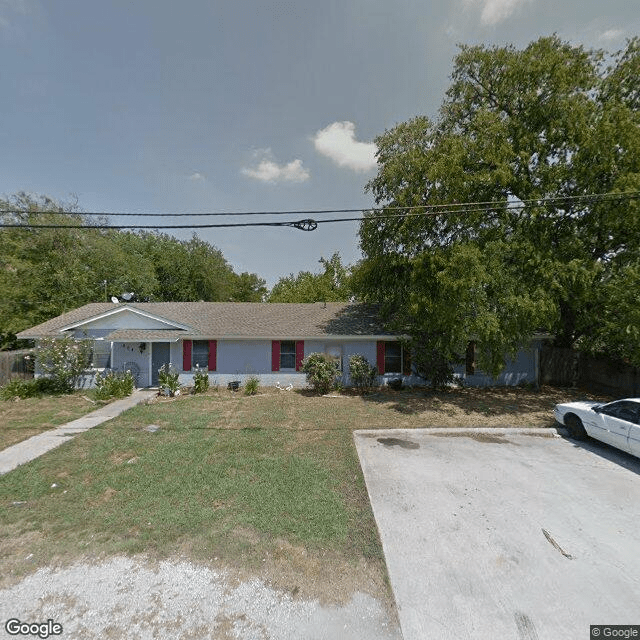
804 N 3rd St, Sanger, TX 76266
To contact a resident: (940) 536-8878
For more information about senior living options: (866) 208-4318
The Sanger House Assisted Living Costs & Pricing
The Sanger House Assisted Living offers competitive pricing for its residents, especially when compared to the broader costs within Denton County and the state of Texas. For semi-private accommodations, the monthly fee at The Sanger House is $3,000, which notably undercuts both the county average of $3,871 and the state figure of $3,680. Similarly, for private rooms, The Sanger House charges $3,500 per month - this also presents a favorable option compared to Denton County's average of $4,161 and Texas's general rate of $4,096. These costs highlight The Sanger House as an appealing choice for individuals seeking quality assisted living at a more accessible price point in comparison to surrounding areas.
| Floor plans | The Sanger House Assisted Living | Denton County | Texas |
|---|---|---|---|
| Semi-Private | $3,000 | $3,871 | $3,680 |
| Private | $3,500 | $4,161 | $4,096 |
Assisted Living communities with a similar price nearby
-
from -$151 / mo
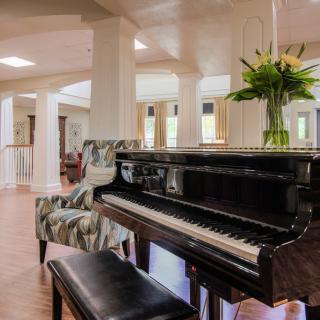
Lewisville Estates
$2,849 to $7,500 / month23.7 miles away -
from -$300 / mo

Mayberry Gardens - Denton
$2,700 / month14.3 miles away -
About the same

BeeHive Homes of Frisco
$3,000 to $4,500 / month24.0 miles away -
from +$350 / mo

Bethesda Gardens Frisco
$3,350 to $4,950 / month23.3 miles away -
from +$450 / mo

The Oaks at Flower Mound Assisted Living and Memory Care
$3,450 to $4,900 / month24.0 miles away
Overall Review of The Sanger House Assisted Living
Pros
 The home is a caring environment for the elderly.
- Tonya is an exceptional manager and caregiver to the residents.
- The care provided by Tonya is outstanding.
- The facility comes highly recommended.
Review
The Sanger House Assisted Living is best suited for families seeking a small, intimate setting where care is driven by a hands-on, relationship-centered approach. This community fits well for residents who thrive on personal connections, predictable routines, and a home-like atmosphere rather than a large campus experience. When a loved one values daily attentiveness, consistent caregiving leadership, and a sense of being known by name, this would be a strong match.
Those who may want to consider alternatives are those requiring robust medical oversight or specialized programming. If a resident needs consistent on-site nursing supervision around the clock, formal memory care protocols, or a wide array of therapy services with scheduled rehab, a larger facility with more clinical infrastructure might be a more appropriate fit. Families prioritizing frequent structured activities, diverse entertainment options, or comprehensive on-site healthcare partners may find a bigger community more aligned with their expectations.
The strongest pros in this setting center on genuine care and leadership. The resident experience hinges on a caregiver-manager who appears to be deeply invested in each person’s well-being, with a daily presence that translates into tailored routines, responsive problem-solving, and a sense of safety. The praise that the manager is “the absolute best” and that the home feels caring points to a culture where staff attention is not perfunctory but personalized. In practical terms, that translates to quicker adjustments to preferences, more consistent adherence to personal habits, and a climate where family members feel welcome to participate in care planning.
Those advantages offset several potential drawbacks that naturally accompany smaller, intimate assisted living. A compact operation can mean fewer on-site amenities, a leaner activity calendar, and limited formal medical oversight compared with larger facilities. Yet, the same intimate scale, paired with strong, hands-on leadership, often produces higher reliability in day-to-day caregiving, fewer communication gaps, and a stronger sense of continuity for residents who dislike impersonal care environments. The key offset is that the day-to-day experience can feel both calm and predictable when a single trusted manager coordinates staff and routines, even if resources appear modest on paper.
Even with a high level of praise, this setting warrants a practical due diligence approach. Prospective families should verify that the exceptional manager-caretaker dynamic is supported by a stable caregiving team, clear care plans, and documented routines that survive staff turnover. The absence of multiple independent reviews means reliance on one positive voice; that can be reassuring but also presents a risk if staffing or leadership changes. In short, the favorable narrative should be validated with firsthand observations, and questions should focus on consistency, backup coverage, and how individualized plans are maintained when the manager is off-site.
Decision-making should center on the resident’s needs and the family’s tolerance for intimate environments. For a senior who wants to feel truly known, who benefits from a caregiver-led cadence, and who does not require extensive clinical services on site, The Sanger House Assisted Living offers a compelling, practical home that prioritizes person-to-person trust. For anyone whose picture includes frequent medical appointments, complex therapies, or a broad range of structured activities, exploring alternatives with larger clinical support would be prudent. A focused visit will reveal whether the current model, rooted in exceptional personal care, truly matches the resident’s evolving needs.
 8 resident community capacity
 Assisted Living
 Board and Care Home
 Activities off-site
 Cable or satellite TV
 Devotional services off-site
 Dining room
 Fully furnished
 Garden
 Housekeeping services
 Indoor common areas
 Move-in coordination
 Outdoor common areas
 Private
 Private bathrooms
 Respite or short term stays offered
 Telephone
 Wheelchair accessible showers
 Wi-Fi/high-speed internet available
 24-hour supervision
 Assistance with bathing
 Assistance with dressing
 Assistance with transfers
 Diabetes diet
 Diabetic care
 High acuity care
 Meal preparation and service
 Medication management
 Special dietary restrictions
 Transportation arrangement (medical)
 Transportation to doctors appointments
 Christian services







 A Detailed Exploration of Assisted Living Medicaid Waivers Across the United States
 Comprehensive Residential Support and Assisted Living Solutions for Individuals with Disabilities
 Comprehensive Supportive Living Arrangements for Adults with Disabilities