

1906 W Chapman Dr, Sanger, TX 76266
To contact a resident: (940) 458-0645
For more information about senior living options: (866) 208-4318
Overall Review of Redbird Manor
Pros
 The Home Place and Redbird Manor create a warm, home-like environment for residents.
- Redbird Manor’s staff are caring and emotionally connected to residents.
- The owner, Krista, and managers Christie and Amber go above and beyond to make each resident feel special.
- The home is spotless and consistently clean.
- The atmosphere at the home speaks volumes about its care and dedication.
- Residents are treated with love and dignity by the caregivers.
- The facility is highly recommended for families seeking assisted living for their loved ones.
Cons
 The residents don’t seem very happy.
- Their grandmother was poorly cared for, but she couldn’t afford another place.
- One of her caregivers is suspected to be a drug addict and taking residents’ hard medications.
- It is carelessly managed and staff are poorly paid.
- It is believed to be full because it is cheap.
- The reviewer would not recommend it to anyone.
Review
Redbird Manor in Sanger, TX is best suited for families who want a small, home-like assisted living where care feels personal, enduring, and emotionally attentive. The community’s leadership, owner Krista along with managers Christie and Amber, has built an environment that resembles an extended family. Residents are enveloped in a familiar, tidy setting, and staff members are seen forming strong, affectionate bonds with both residents and their visiting families. The move from The Home Place to Redbird Manor appears to have preserved a sense of continuity and warmth, with a clear emphasis on making each resident feel special and valued on a daily basis.
Given the mixed feedback, it’s prudent for families to consider alternatives if certain priorities are nonnegotiable. If medical acuity requires more hands-on oversight, or if concerns about safety and regulatory rigor weigh heavily, families may prefer facilities with higher staffing ratios, formal QA processes, and third-party oversight. One review raises a cautionary flag about possible medication mishandling and perceived caregiver instability, suggesting a need for extra vigilance around governance, checks and balances, and transparent incident reporting. While another reviewer stresses the humane, loving care delivered by long-tenured staff, the divergence in experiences signals that outcomes may vary by shift, caregiver, and individual unit.
The strongest pros here, genuine staff devotion, emotional warmth, and a spotless, home-like atmosphere, often offset several practical concerns. When staff cry with residents or families lament their losses, it signals a level of empathy and commitment that can profoundly affect a resident’s daily quality of life and a family’s peace of mind. The environment’s cleanliness and the sense that staff treat residents as members of a private family provide tangible comfort for elders who fear abandonment or neglect. For families prioritizing daily companionship, meaningful conversations, and a visually calm, orderly home, these factors carry substantial weight in choosing where to place a loved one.
Another commendable dimension is continuity and ownership structure. The transition of residents from The Home Place to Redbird Manor appears to have preserved continuity of care and a familiar culture, rather than a disruptive institutional shift. The positive testimonials from staff, such as a caregiver who invested years in the facility and would recommend it to others, lend credibility to the sense that the community’s core values are real and operational. A clean, well-maintained setting, where staff visibly invests emotional energy in residents, can translate into better day-to-day satisfaction for both residents and families, even if certain operational concerns exist in other parts of the spectrum.
Nevertheless, caution remains warranted. The most troubling note comes from a caregiver who questions safety and care quality in modestly regulated settings, including drug handling and pay scales. While this perspective is not the sole voice in the mix, it underscores the importance of due diligence. Prospective families should demand a thorough tour, observe interactions between staff and residents, and request conversations with current residents or families about day-to-day routines, incident reporting, and how medication is managed and supervised. Verifying state inspection reports, staffing ratios, and the facility’s response plans to concerns will provide clarity that complements personal impressions during a visit.
In the end, Redbird Manor offers a compelling option for those who prize warmth, personal attention, and a clean, nurturing home-like setting. It stands out in how staff “become” part of the resident’s extended family and how the environment reinforces daily comfort and dignity. For families where emotional well-being, consistent staff relationships, and an unpretentious, homelike atmosphere are primary drivers, Redbird Manor can deliver substantial value. If, instead, the priority is rigorous clinical oversight, tighter regulatory transparency, or high-demand medical services, exploring alternatives with stronger documented governance and safety protocols is wise. The decision should hinge on weighing the paramount importance of heartfelt daily care against the need for formal assurances of safety and oversight, with firsthand tours, conversations, and a careful review of regulatory history guiding the choice.
 Assisted Living
 Activities on-site
 Devotional services off-site
 Indoor common areas
 Ambulatory care
 Diabetic care
 Meals provided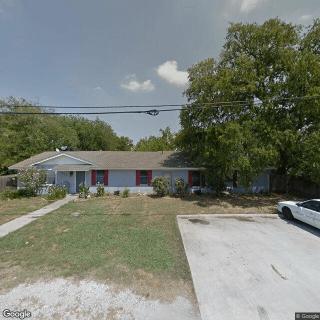







 Securing Financial Support for Assisted Living: A Comprehensive Overview
 Social Security Benefits and Assisted Living: Navigating Options Across the U.S.
 An Extensive Exploration of the VA Aid and Attendance Benefit