

7518 Monte Cristo, San Antonio, TX 78239
To contact a resident: (210) 784-9279
For more information about senior living options: (866) 208-4318
Starbright Home llc Costs & Pricing
Starbright Home LLC offers competitive pricing for its private rooms at $3,500 per month, which is notably lower than the average cost in Bexar County at $3,627 and significantly below the statewide average in Texas of $4,096. This positions Starbright Home as an attractive option for those seeking quality care without compromising their budget. By providing a more affordable alternative while maintaining high standards of service, Starbright Home LLC ensures that residents receive exceptional value in a welcoming environment.
| Floor plans | Starbright Home llc | Bexar County | Texas |
|---|---|---|---|
| Private | $3,500 | $3,627 | $4,096 |
Senior living communities with a similar price nearby
-
About the same

Parkway Assisted Living
$3,500 to $4,500 / month14.6 miles away -
About the same

San Antonio - A-Z Senior Care 1
$3,500 / month18.9 miles away -
About the same
Pembroke Angel Care
$3,500 to $3,800 / month16.4 miles away -
from +$115 / mo

FirstLight Home Care - San Antonio
$3,615 to $5,050 / month8.7 miles away -
from +$500 / mo

Pecan View Senior Care AL
$4,000 / month15.4 miles away
Overall Review of Starbright Home llc
Pros
 All of their staff are friendly, accommodating, and the place is nice and neat.
- The food they serve is great because of their experienced cook.
- Former residents were moved to the facility and they did a great job with their care.
- The facility is highly recommended by reviewers for its staff, cleanliness, and dining.
Cons
 The reviewer would not recommend this facility for residents who need moderate to frequent assistance.
- For a nonverbal loved one who must be away for long periods, the reviewer would not recommend placing them here.
- The reviewer alleges residents were isolated, sedated, and restrained with a chair.
- Hospice was not called promptly after the uncle’s death, and check-ins were insufficient.
- Staff were described as uncaring and rolled their eyes when asked for help.
- There were signs of neglect, including the uncle having cuts from ill-fitting stockings and the room smelling of urine and fecal waste.
Review
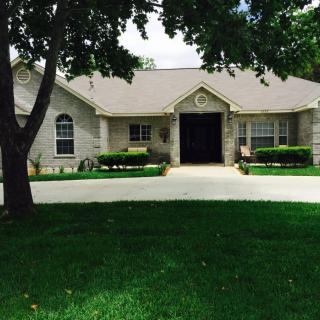
Starbright Home llc in San Antonio is best suited for families seeking a compact, home-like setting where seniors can receive light daily assistance, enjoy home-cooked meals, and maintain a sense of intimate community. The small resident population and a caregiver-to-resident ratio around 1:6 translate into more hands-on attention than is typical in larger communities, and the environment is described as neat and welcoming. This option works best for residents who are relatively independent but value frequent, face-to-face interaction with caregivers and a predictable, kitchen-centered routine.
However, this option may not suit loved ones who require moderate to frequent help, ongoing supervision, or specialized medical support. Residents who cannot speak for themselves or who need constant monitoring, rapid response to changing needs, or mobility assistance may encounter gaps in care. Families living far away or unable to visit often should be wary; while the setting supports warmth and connection, it relies heavily on family involvement to ensure safety and timely intervention.
Pros center on the intimate, low-key environment and familiar routines. A smaller setting can foster closer relationships, with caregivers who know residents’ preferences and rhythms. Home cooking stands out as a meaningful daily benefit, delivering comfort and consistency that can improve overall well-being. The overall cleanliness and the perception of friendly, accommodating staff in day-to-day operations add to a sense of reliability for routine care, which matters when a resident’s needs are predictable and light.
Yet the strongest, non-negotiable concerns emerge from troubling firsthand accounts. A former resident was described as isolated, sedated, and restrained, with reports of delayed hospice involvement and perceived indifference from staff. Issues such as odors in the room, ignored requests for basic transfers, and questions about how care was managed suggest serious gaps in safety and dignity. While such incidents may be isolated, they illuminate real risks in a small operation where the on-shift team directly bears duty for critical moments and swift interventions.
The positives matter: intimacy, predictable routines, and solid meals can offset certain vulnerabilities for residents with light support needs who have engaged families monitoring care. However, the weight of safety concerns cannot be dismissed, and they tilt the decision toward caution for anyone whose loved one may require more than occasional assistance, regular repositioning, or medical management. For families prioritizing robust safety monitoring, formalized care plans, and accessible hospice or 24/7 response, alternatives with larger staff pools and higher acuity capacity deserve serious consideration.
If Starbright is on the shortlist, pursue the evaluation with disciplined diligence. Schedule tours with multiple staff members, and insist on speaking with current residents’ families to understand day-to-day realities. Request access to incident logs, care-plans, and the facility’s policies on transfers, medication administration, and response times. Verify staffing schedules, ongoing training, and the plan for times when family oversight isn’t possible. Check licensure status, recent inspections, and references to corroborate claims about safety and quality. Only after obtaining concrete, resident-centered assurances should the decision tilt toward staying within this small, home-focused setting or moving toward a more capable option with stronger safeguards.
 Board and Care Home
 Activities on-site
 Devotional services off-site
 Indoor common areas
 Private
 San Antonio International (8 miles away)
 Ambulatory care
 Diabetic care
 Meals provided







 Compassionate Conversations: How to Comfort Someone Who Is Grieving
 Home Health Care Aides: Understanding Their Role and Supporting Your Family
 Urinary Tract Infections in Older Adults: Comprehensive Insights on Symptoms, Treatment, and Prevention