
7400 Crestway Dr, San Antonio, TX 78239
To contact a resident: (210) 646-5300
For more information about senior living options: (866) 208-4318
Overall Review of Army Residence Community
Pros
 The place is described as wonderful, with great staff, amenities, and a beautiful landscape.
- Residents welcome visitors with charming hearts, smiles, and hugs, creating a tender, family-like atmosphere.
- The community is very friendly to live in, with lots of activities and attentive care.
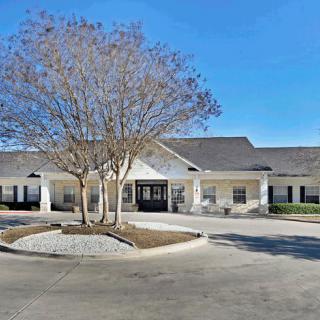
- The setting is beautiful and tranquil, with serene surroundings and helpful, welcoming staff.
- The senior living community offers multiple restaurants, a welcoming atmosphere, and abundant activities.
- It is considered an outstanding place for retired officers, with good amenities and quality food.
- The facilities are immaculate and secure, with excellent care that reassures families.
Cons
 The chef treated the grandfather poorly, dismissing him and walking away while he spoke.
- Chef Jose needs to go.
- The executive chef Jose is terrible, a lazy leader who doesn’t listen to customers, leaving employees unhappy and delivering horrible food.
- The facility is very expensive and unaffordable as care needs increased.
Review
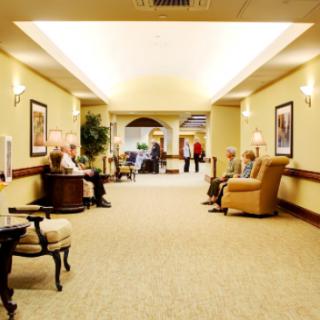
Army Residence Community in San Antonio is best suited for veterans and retired officers who want a refined, security-forward environment with a strong sense of camaraderie and purpose. The campus feels like a self-contained village: immaculate grounds, well-kept facilities, and a daily rhythm fueled by meaningful activities and a welcoming, family-like atmosphere. Residents and staff are described as warm, attentive, and invested in one another, and the dining scene, supported by multiple on-site venues, helps sustain a social calendar that many families find essential to long-term satisfaction. For families, ARC offers proximity to loved ones, predictable routines, and a culture that honors service, making it a compelling choice for those who want to preserve a veteran’s identity and a lively social life in retirement.
At the same time, there are clear reasons to consider alternatives. The price point at ARC is repeatedly a deciding factor, with some families finding it financially strenuous as care needs evolve. Dining quality, while praised in many reviews, is not uniformly excellent; a handful of residents and visitors describe experiences with an executive chef and service that fall short of expectations, which can materially affect daily life for those who rely heavily on meals as a social anchor. Prospective residents who prioritize consistently flawless dining and more predictable day-to-day service across every shift should, therefore, schedule thorough tastings and sit-downs with the dining leadership to verify that current standards meet their standards. Finally, the value judgment around long-term affordability is nontrivial, if the trajectory of care costs seems uncertain, it is prudent to explore other communities with lower price ceilings or different care models.
Despite these concerns, the core advantages at ARC tend to offset many downsides for the right resident. The standout strengths are not just cosmetic: the staff’s friendliness, the family atmosphere, and the palpable sense of being watched over create a supportive, low-stress living environment that matters profoundly as aging progresses. The landscape, architecture, and safety-minded design contribute to a serene, upscale feel that keeps social life feeling natural rather than forced. The on-campus calendar of activities and the presence of several dining venues help ensure that daily life remains engaging, providing a lifeline against isolation. Most importantly for families facing changing care needs, ARC’s care continuum supports residents as needs increase, reducing the likelihood of disruptive moves, the assurance that a resident can stay in place is a powerful offset to higher upfront costs.
Culture and security emerge as real differentiators, especially for families who want continuity with a familiar military ethos. Reviews consistently describe an environment that blends quiet elegance with genuine neighborliness: residents greet one another, staff learn names quickly, and the overall tone is one of respectful, purposeful living. The result is a sense of belonging that can significantly boost a veteran’s emotional well-being and independence, while still offering the reassurance of robust oversight. The strongest caveat here is that a small number of experiences point to dining service friction or cost-related stress; still, the aggregate sentiment is that ARC delivers an immaculate, predictable, and supportive setting where long-term residency can feel like a natural extension of military life. For families who prize stability, structure, and civic-minded community, ARC remains an invaluable option.
Families evaluating ARC should approach the process with practical rigor. Tours should explicitly cover the health-care and assisted-living components to understand the actual trajectory of care and the related costs. Engagement with the marketing team, particularly a point of contact who is widely cited as knowledgeable and responsive, can clarify available options, timelines, and any veteran-benefit connections that may ease the financial burden. It is essential to request current dining menus, meet the executive chef, and even sample meals to gauge whether the present culinary standards align with expectations. Probe the affordability framework and any programs designed to preserve residency as care needs evolve, ensuring a clear, end-to-end understanding of what “staying in place” truly means. Finally, verify the social fabric: how incoming residents are welcomed, what clubs and activities exist, and whether the community’s ethos truly aligns with the family’s goals and the veteran’s preferences.
The bottom line is straightforward. ARC excels for veterans and their families who seek a polished, community-centered, activity-rich environment that honors service, paired with a well-developed dining ecosystem and a proven continuum of care that can keep residents in place as needs shift. The cost is a meaningful consideration, and dining experiences can be uneven, but the combination of immaculate facilities, attentive staff, and a genuine sense of belonging makes this community stand out for those who value military-inflected culture and a robust social life. For families with tighter budgets or for those who cannot compromise on dining quality, alternatives deserve early exploration, with careful cost modeling and trial visits. When the budget aligns with the desire for security, purpose, and ongoing engagement, ARC presents a practical, well-regarded option that consistently earns the trust of residents and their families.
 Board and Care Home
 San Antonio International (8 miles away)



 Essential Knowledge on Pneumonia in Older Adults
 Exploring Palliative Care in the Home: A Comprehensive Overview
 Comprehensive Insights into Palliative Home Care: What It Is and What to Expect