
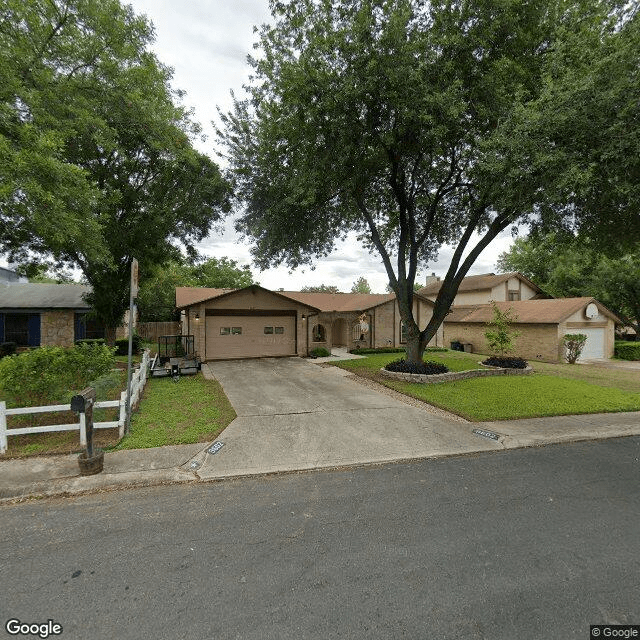
9602 Chelmstond, San Antonio, TX 78239
To contact a resident: (210) 777-1039
For more information about senior living options: (866) 208-4318
Overall Review of Heart to Heart Residential Care Home II
Pros
 The staff and owner are amazing.
- They are extremely caring and kind.
- The care shown to the family member was outstanding.
Cons
 They were treated worse than dogs.
- A nurse told the elderly man to shut up.
- It is cruel and inhuman how innocents who canā€™t speak for themselves are treated.
- Someone must do something about it.
- The reviewer does not recommend this place.
Review
Heart to Heart Residential Care Home II in San Antonio is best suited for families seeking a small, home-like setting where staff relationships with residents feel personal and where the owner maintains an active, hands-on role in daily care. The model works best when care hinges on individual caregivers who know the residents and when leadership is accessible and engaged. For families willing to trade scale for warmth and personal attention, this option can deliver meaningful daily support. Those who require high levels of clinical oversight, predictable routines, or robust safety protocols may want to consider alternatives.
Among the positives, the strongest thread is care delivered with apparent warmth. Several reviews highlight an amazing staff and an owner who is extremely caring toward both the resident and the family. That level of responsiveness and person-centered attention can translate into prompt assistance, better communication, and a sense of being valued that is rare in larger facilities. In practice, such relationships often make daily living feel less institutional and more like a supported, at-home experience.
However, the negatives shadow this picture. A troubling account describes residents being treated worse than dogs, with a nurse allegedly telling an elderly man to shut up after requesting a napkin. Such episodes, whether isolated or symptomatic of broader patterns, raise serious questions about respect, dignity, supervision, and accountability. They point to potential gaps in staff training, supervision, and the grievance process. When a facility garners multiple one- and two-star warnings from residents or family members, that is not a risk that can be dismissed lightly.
Do the nice moments and caring conversations offset the potential harms? In a cautious assessment, they do not fully offset the risk. Personal warmth can mitigate some daily frustrations, but it cannot replace consistent safety, reliable response to distress, and enforceable standards of care. Prospective residents should demand concrete assurances: evidence of adequate staff-to-resident ratios, routine oversight by a licensed administrator, transparent incident reporting, and timely remedial action when concerns arise. Without those guardrails, the comfort of a few caregivers cannot compensate for systemic vulnerabilities.
Those who should actively explore alternatives are families prioritizing consistent safety, predictable care, and formal accountability. If a loved one needs dependable monitoring, clear escalation paths, or memory-care expertise, a larger, more regulated setting may be preferable. For a decision here, interview the administrator, request a recent inspection or licensing report, and speak with current residents and their families about day-to-day experiences. In any case, plan to visit multiple times, observe interactions, and review the care plan for individualized support rather than generic routines.
Bottom line: Heart to Heart Residential Care Home II presents a clear trade-off, warm, person-centered attention in a small setting, tempered by credible concerns about mistreatment and oversight. It may work for families who can tolerate risk in exchange for intimate relationships and flexible, responsive care, provided due diligence is uncompromised. For those prioritizing safety, consistency, and formal safeguards, alternatives warrant serious consideration, with tours, questions, and documented assurances guiding the final choice.
 Board and Care Home
 San Antonio International (7 miles away)
 Diabetic care






 Home Health Care Aides: Understanding Their Role and Supporting Your Family
 Urinary Tract Infections in Older Adults: Comprehensive Insights on Symptoms, Treatment, and Prevention
 California's Form 602A: An In-Depth Examination of Senior Care Assessment