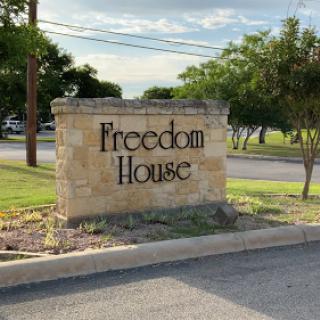
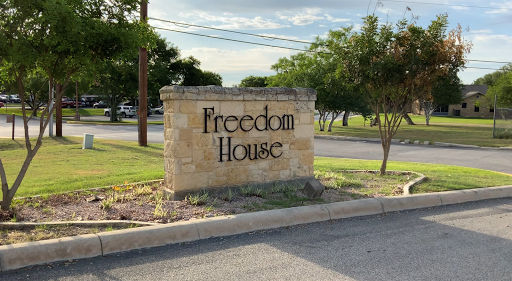
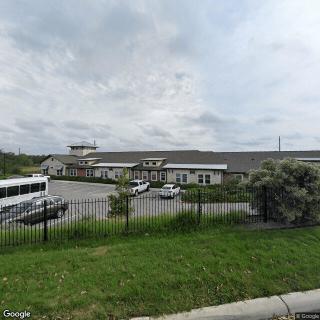
12455 Freedom Way, San Antonio, TX 78245
For more information about senior living options: (866) 208-4318
Overall Review of Freedom House Alzheimer's Care And Research Center
Pros
 Freedom House provides a warm, welcoming environment with organized staff.
 - The food at Freedom House is excellent and the hospitality is top-notch.
- The staff at Freedom House are caring and dedicated to residents.
- Freedom House feels like home, with a homey atmosphere and friendly caregivers.
- Freedom House is recognized as a leading Alzheimer's facility with excellent care.
- The facility is well run, and residents are well cared for and generally happy.
- Freedom House gives families peace of mind through high-quality care.
Cons
 The reviewer described the facility as terrible.
- The reviewer noted that staff are caring but lacking in training.
- The reviewer described hospice service as poor.
- The reviewer complained that the facility charges big bucks for very little.
Review
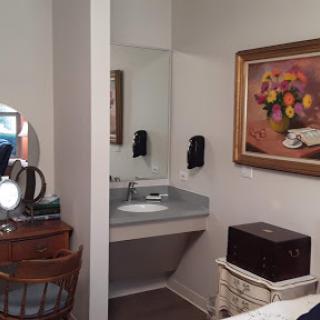
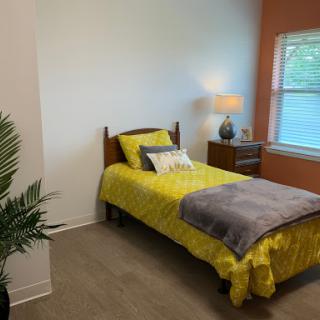
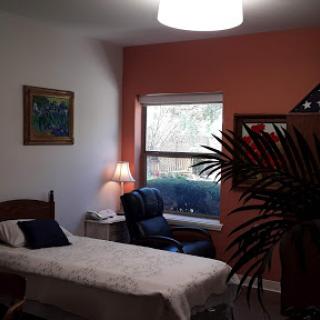
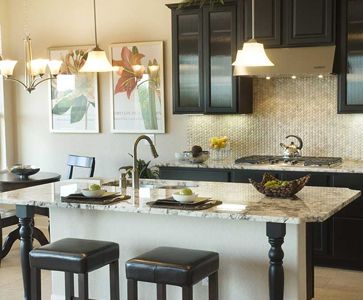
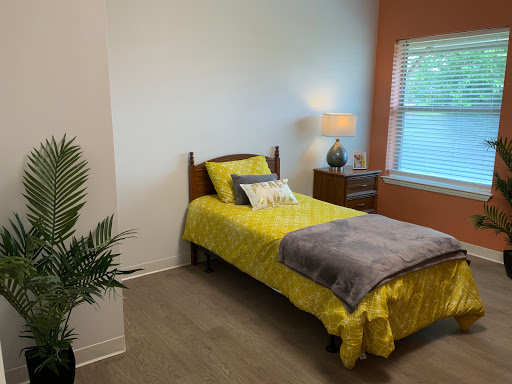
Freedom House Alzheimer's Care And Research Center is best suited for families seeking consequence-driven dementia care in a warm, organized, home-like setting. Placed on the Air Force Village II campus in San Antonio, the community emphasizes continuity, safety, and familiarity through a design that favors small, house‑like living spaces over a single, hospital-style ward. The three-house arrangement, each with its own kitchen and bathrooms, supports stable social groups and daily routines, helping residents stay engaged without feeling institutional. For families chasing peace of mind, the confidence that a well-led team understands Alzheimer’s‑related needs and can sustain a comforting daily rhythm, this is a compelling option.
Those who may want to consider alternatives include families with higher clinical acuity needs or tighter budget constraints. If a loved one requires aggressive medical management beyond memory care, or if hospice coordination and end‑of‑life services must be seamless and highly specialized, other communities with a stronger hospital‑adjacent continuum or different clinical models might deliver a closer fit. Some reviewers flag concerns about staffing training consistency and the perceived value of services relative to cost, suggesting that cost transparency and clear expectations are essential before committing. Additionally, for families prioritizing complete privacy or a less monitoring‑intensive environment, other settings may feel more comfortable. This is a facility where price and pace of care should be scrutinized to ensure alignment with expectations.
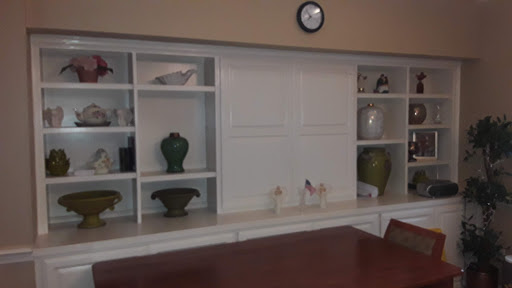
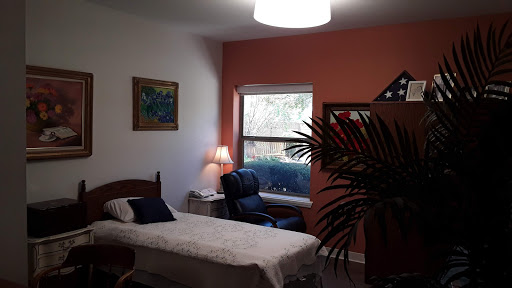
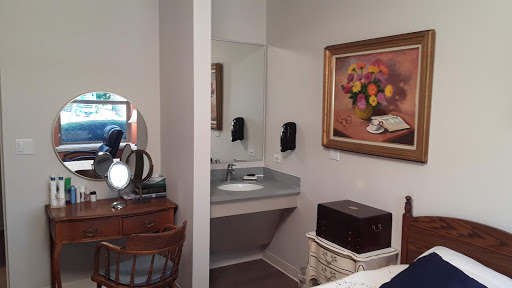
The strongest positives center on real warmth, dependable organization, and a genuine emphasis on transition support. Staff are described as welcoming and attentive, with a culture that prioritizes treating residents with dignity and respect. The homey atmosphere, nooks, generous natural light, pet residents, and visible social activity, helps residents settle in and stay engaged. Importantly, the operating model reflects intentional care: a resident‑centered approach that values familiar routines, predictable daily schedules, and staff who know each resident’s preferences. Food quality and hospitality consistently emerge as standout, contributing to residents’ comfort and families’ confidence that meals and daily life feel like a supportive extension of home.
On the flip side, some reviews raise cautions that merit careful consideration. Training gaps and variable Hospice integration appear as recurring themes for a minority of families, underscoring the need for a clear, written care plan and ongoing staff development. The presence of cameras in rooms, intended for safety, also factors into privacy considerations for certain families, reminding prospective residents that the environment remains distinctly monitored rather than purely private. And while many clients praise the value delivered, a portion of the feedback centers on cost relative to perceived outcomes, signaling that the financial equation should be examined with careful attention to what is included in the rate and what may require extra charges.
Despite the caveats, the offsetting strengths often outweigh concerns for families prioritizing a stable, relational care model. The campus setting, with the Air Force Village II ecosystem, provides a sense of security and continuity that can be difficult to replicate in standalone memory-care facilities. The three‑house structure, coupled with dedicated staff who know residents well and can support daily life in a familiar way, reduces anxiety for both residents and their loved ones. The emphasis on social connectedness, routine, and a tangible “home” feeling translates into calmer days and more predictable caregiving, factors that matter deeply when memory challenges intensify.
For families making a decision, a purposeful due-diligence process is essential. Schedule visits at different times, speak with multiple staffers about training and care planning, request a transparent overview of pricing, and ask for real-life examples of how care plans adapt as dementia progresses. Inquire explicitly about hospice coordination, staffing ratios, and how resident privacy is managed without compromising safety. If these conversations confirm alignment between expectations and realities, Freedom House stands out as a practical, reliable choice for dementia care in San Antonio. If not, exploring alternatives with different clinical emphases, pricing structures, or care rituals will be the prudent next step.
 72 resident community capacity
 1-bedroom apartments
 Assisted Living
 Memory Care
 Skilled Nursing Facility
 Activities on-site
 Air-conditioning
 Beautician on-site
 Cable or satellite TV
 Computer center
 Devotional services off-site
 Dining room
 Fitness room
 Full kitchen
 Fully furnished
 Gaming room
 Garden
 Housekeeping services
 Indoor common areas
 Move-in coordination
 Outdoor space
 Private bathrooms
 Resident parking
 Restaurant-style dining
 Security gate
 Small library
 Swimming pool
 Telephone
 Wellness center
 Wi-Fi/high-speed internet available
 San Antonio International (19 miles away)
 Community operated transportation
 12-16 hour nursing
 24-hour call system
 Ambulatory care
 Assistance with bathing
 Assistance with dressing
 Assistance with transfers
 Diabetes diet
 Diabetic care
 Hospice care
 Medication management
 Mental wellness program
 Physical therapy
 Special dietary restrictions
 Concierge services
 Planned day trips
 English

 How and When Medicaid May Cover Assisted Living Costs
 A Detailed Exploration of Assisted Living Medicaid Waivers Across the United States
 Exploring the Contrasts Between Assisted Living and Skilled Nursing